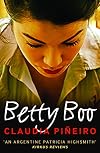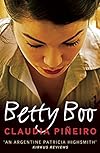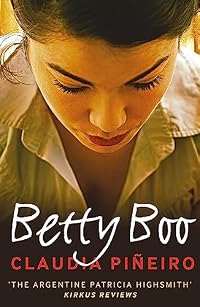
Betty Boo
by Claudia Piñeiro
On This Page
Description
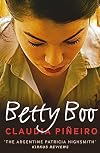
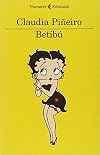
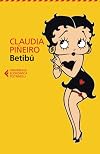
When a renowned Buenos Aires industrialist is found dead at his home in an exclusive gated community called La Maravillosa, the novelist Nurit Iscar (once nicknamed Betty Boo owing to a resemblance to the cartoon character Betty Boop) is contracted by a former lover, the editor of a national newspaper, to cover the story. Nurit teams up with the paper's veteran, but now demoted, crime reporter. Soon they realize that they are falling in love, which complicates matters deliciously. The murder show more is no random crime but one in a series that goes to the heart of the establishment. Five members of the Argentine industrial and political elite, who all went to the same boarding-school, have died in apparently innocent circumstances. The Maravillosa murder is just the last in the series and those in power in Argentina are not about to allow all this brought to light. Too much is at stake. show lessTags
Recommendations
















Member Reviews
Realmente he disfrutado enormemente de este libro, lo primero que voy a destacar es la enorme capacidad de esta escritora para presentar a cada uno de sus personajes, tan reales, tan cercanos, tan vividos, es fácil identificarlos, imaginarlos, incluso al amigo del hijo de Nurit que solo se lleva tres lineas del libro, Claudia Piñeiro es una artista que dibuja con letras la personalidad de todos.
Después esta la capacidad narrativa, que es maravillosa, cercana, fácil, contundente, pero sobre todo que te hace sentir que realmente te habla a ti como lector y no puedo dejar de señalar que para los que no somos Argentinos leer sus localismos y su cadencia de esta manera me ha hecho imaginarme incluso el tono en el que hablan mientras show more leía, simplemente mágico.
Luego viene el sentido del humor impreso en toda la trama, viene desde un humor blanco y dicharachero, hasta el indolente y la ironía, hasta ese de doble sentido en el que hay que tener cierta agudeza para entenderlo, sencillamente maravilloso.
Y por último la trama, un asesinato, tres personajes que se juntan para realizar la investigación del mismo y que al final resulta en una situación que no pueden manejar, pero que es realista y que me ha dejado como lectora mas que satisfecha con la resolución, porque de toda esta aventura lo que sale es la manera en que este trío se encuentra con los otros dos y consigo mismos.
Que decir, que es un libro absolutamente recomendable show less
Después esta la capacidad narrativa, que es maravillosa, cercana, fácil, contundente, pero sobre todo que te hace sentir que realmente te habla a ti como lector y no puedo dejar de señalar que para los que no somos Argentinos leer sus localismos y su cadencia de esta manera me ha hecho imaginarme incluso el tono en el que hablan mientras show more leía, simplemente mágico.
Luego viene el sentido del humor impreso en toda la trama, viene desde un humor blanco y dicharachero, hasta el indolente y la ironía, hasta ese de doble sentido en el que hay que tener cierta agudeza para entenderlo, sencillamente maravilloso.
Y por último la trama, un asesinato, tres personajes que se juntan para realizar la investigación del mismo y que al final resulta en una situación que no pueden manejar, pero que es realista y que me ha dejado como lectora mas que satisfecha con la resolución, porque de toda esta aventura lo que sale es la manera en que este trío se encuentra con los otros dos y consigo mismos.
Que decir, que es un libro absolutamente recomendable show less
Although she develops her main characters well, Piñeiro, it seems to me, does not have a firm grip this time on the novel she wants to write.
Is it a romance which reaches its resolution when the four lonely writers, who have failed at all their prior relationships, pair off, perhaps happily ever after? In this case the story is too thin and too obvious to satisfy.
Is it a whodunit where the motive for the crimes, definitely a trope for our times, is evident to the reader before the characters uncover it for themselves and where the means are not at all clear?
There's certainly humour in the outlandish security measures of this gated community, but how did the murderer (or assassins?) circumvent them, both in and out? About one third show more of the way through the book, Piñeiro goes to some length to set up what promises to become a highly comic interlude but then drops it, leaving one to wonder why it's there at all.
And there's the photograph. The characters know that it holds the key to everything (except the first murder; what was that all about?) and track down the men in it. The reader will point out that there's someone else: the photographer. The characters, who are otherwise very sharp, do not hear this until 150 or so pages later when in exasperation the reader shouts, "Who's behind the lens?"
There is some context suggested by references to Muriel Sharp's "Memento Mori" (which I haven't read) and Aeschylus' "Eumenides" (which I have). The Aeschylus is a bit of a reach.
In sum, the book is too unfocused to satisfy. show less
Is it a romance which reaches its resolution when the four lonely writers, who have failed at all their prior relationships, pair off, perhaps happily ever after? In this case the story is too thin and too obvious to satisfy.
Is it a whodunit where the motive for the crimes, definitely a trope for our times, is evident to the reader before the characters uncover it for themselves and where the means are not at all clear?
There's certainly humour in the outlandish security measures of this gated community, but how did the murderer (or assassins?) circumvent them, both in and out? About one third show more of the way through the book, Piñeiro goes to some length to set up what promises to become a highly comic interlude but then drops it, leaving one to wonder why it's there at all.
And there's the photograph. The characters know that it holds the key to everything (except the first murder; what was that all about?) and track down the men in it. The reader will point out that there's someone else: the photographer. The characters, who are otherwise very sharp, do not hear this until 150 or so pages later when in exasperation the reader shouts, "Who's behind the lens?"
There is some context suggested by references to Muriel Sharp's "Memento Mori" (which I haven't read) and Aeschylus' "Eumenides" (which I have). The Aeschylus is a bit of a reach.
In sum, the book is too unfocused to satisfy. show less
This was an unusual read, and probably the only Argentinian novel I have ever read. The lack of speech marks meant you had to really concentrate on who was talking, and some of the translation decisions were odd - what is a 'supermarket ticket'? (a receipt?). Clearly Argentinian men address one another as 'dear', but it read confusingly in English, especially with the lack of speech marks - I kept wondering if a girlfriend or small child had wandered in without my noticing.
The descriptions of the gated community were interesting and faintly horrifying, but I wasn't really in the mood for the slow pace and skimmed the second half.
The descriptions of the gated community were interesting and faintly horrifying, but I wasn't really in the mood for the slow pace and skimmed the second half.
This novel comes as a reminder of how much translated crime fiction has fallen off my radar in recent years, and also what a different flavour this author in particular brings.
The Crime writer of the national newspaper covering this murder in a gated community is a fairly new appointment, inexperienced, and is referred to as Crime Boy. His editor decides to provide a different slant to the case by installing a novelist, a former lover, in the gated community, to write a series of articles about the life that the murder victim was leading. These articles will be published simultaneously with whatever Crime Boy can provide. The victim's wife had been murdered in the same house three years earlier, but apart from the way she was murdered, show more was there any connection?
In addition the newspaper is still employing its former crime writer, on what he regards as fairly useless tasks, and he decides, against his better judgement, that Crime Boy needs tutelage. Between them, with Betty Boo, the three of them make a formidable team.
A most enjoyable read. show less
The Crime writer of the national newspaper covering this murder in a gated community is a fairly new appointment, inexperienced, and is referred to as Crime Boy. His editor decides to provide a different slant to the case by installing a novelist, a former lover, in the gated community, to write a series of articles about the life that the murder victim was leading. These articles will be published simultaneously with whatever Crime Boy can provide. The victim's wife had been murdered in the same house three years earlier, but apart from the way she was murdered, show more was there any connection?
In addition the newspaper is still employing its former crime writer, on what he regards as fairly useless tasks, and he decides, against his better judgement, that Crime Boy needs tutelage. Between them, with Betty Boo, the three of them make a formidable team.
A most enjoyable read. show less
Cuando parece que la tranquilidad ha vuelto a reinar en el country La Maravillosa, Pedro Chazarreta aparece degollado, sentado en su sillón favorito, con una botella de whisky vacía a un costado y u cuchillo ensangrentado en la mano. Todo hace suponer que se trata de un suicidio. Pero pronto aparecen las dudas. ¿Acaso algún justiciero habrá querido vengar la muerte de la mujer del empresario, asesinada tres años antes en la misma casa? ¿Será ésta la última muerte?
Aug 19, 2020Spanish
Cuando parece que la tranquilidad ha vuelto a reinar en el country La Maravillosa, Pedro Chazarreta aparece degollado, sentado en su sillón favorito, con una botella de whisky vacía a un costado y un cuchillo ensangrentado en la mano. Todo hace suponer que se trata de un suicidio. Pero pronto aparecen las dudas. ¿Acaso algún justiciero habrá querido vengar la muerte de la mujer del empresario, asesinada tres años antes en esa misma casa? ¿Será ésta la última muerte?
Cuando parece que la tranquilidad ha vuelto a reinar en el country La Maravillosa, Pedro Chazarreta aparece degollado, sentado en su sillón favorito, con una botella de whisky vacía a un costado y un cuchillo ensangrentado en la mano. Todo hace suponer que se show more trata de un suicidio. Pero pronto aparecen las dudas. ¿Acaso algún justiciero habrá querido vengar la muerte de la mujer del empresario, asesinada tres años antes en esa misma casa? ¿Será ésta la última muerte? show less
Cuando parece que la tranquilidad ha vuelto a reinar en el country La Maravillosa, Pedro Chazarreta aparece degollado, sentado en su sillón favorito, con una botella de whisky vacía a un costado y un cuchillo ensangrentado en la mano. Todo hace suponer que se show more trata de un suicidio. Pero pronto aparecen las dudas. ¿Acaso algún justiciero habrá querido vengar la muerte de la mujer del empresario, asesinada tres años antes en esa misma casa? ¿Será ésta la última muerte? show less
Mar 1, 2023Spanish
scritto bene. un buon consiglio per la lettura di questo genere di scrittura.
Apr 18, 2013Italian
Members
- Recently Added By
Author Information

19+ Works 1,828 Members
Series
Belongs to Publisher Series
Common Knowledge
- Canonical title*
- De regels van het spel
- Original title
- Betibú
- Original publication date
- 2012
- Epigraph*
- ‘(...) in zijn misdaadverhalen voor de krant vertelt hij aan de lezers wat er is gebeurd en hoe het is gebeurd, maar hij komt altijd na de confrontatie of het misdrijf, hij moet het met behulp van getuigen en aanwijzingen i... (show all)n zijn verbeelding opnieuw beleven. Tot op de dag van vandaag heeft het voorval zich nooit voor zijn ogen afgespeeld, noch heeft hij, journalist, met zijn eigen oren het geschreeuw van het slachtoffer gehoord.’
– antonio di benedetto , ‘Falta de vocación’, Cuentos Claros
‘De minuscule restjes die te vinden zijn op onze kleren en onze lichamen zijn stille, zekere en getrouwe getuigen van onze bewegingen en onze ontmoetingen.'
- edmond locard, Tratado de criminalística
‘Het verhaal gaat verder, kan verdergaan, er zijn verschillende veronderstellingen mogelijk, het blijft open, het wordt slechts onderbroken. Het onderzoek heeft geen einde, het kan niet eindigen. Men zou een nieuw literair ... (show all)genre moeten bedenken, paranoïde fictie. Iedereen is verdacht, iedereen voelt zich achtervolgd.’
– ricardo piglia , Blanco nocturno - Dedication*
- Voor mijn vriendinnen, al mijn vriendinnen, daarom.
Voor Silvina Frydman en Laura Novoa – zij en ik weten waarom. - First words*
- Op maandag kost het altijd meer tijd om de countryclub La Maravillosa binnen te komen.
- Last words*
- (Click to show. Warning: May contain spoilers.)Ja, om ons, antwoordt Nurit Iscar.
*Some information comes from Common Knowledge in other languages. Click "Edit" for more information.
Classifications
- Genres
- Fiction and Literature, Mystery
- DDC/MDS
- 863.7 — Literature & rhetoric Spanish, Portuguese, Galician literatures Spanish fiction 21st Century
- LCC
- PQ7798.426 .I56 — Language and Literature French, Italian, Spanish and Portuguese literatures Spanish literature Provincial, local, colonial, etc. Spanish America
- BISAC
Statistics
- Members
- 137
- Popularity
- 237,515
- Reviews
- 8
- Rating
- (3.53)
- Languages
- 8 — Dutch, English, Estonian, French, German, Italian, Polish, Spanish
- Media
- Paper, Audiobook, Ebook
- ISBNs
- 21
- ASINs
- 5