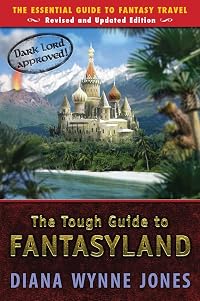
The Tough Guide to Fantasyland: The Essential Guide to Fantasy Travel
by Diana Wynne Jones
Derkholm (Companions — Companion)
On This Page
Description
A unique guide to fantasy literature helps readers understand such subjects as virginity, why High Priests are always evil, how Dark Lords always have minions, and useful tips on what to do when captured by a Goblin.Tags
Recommendations
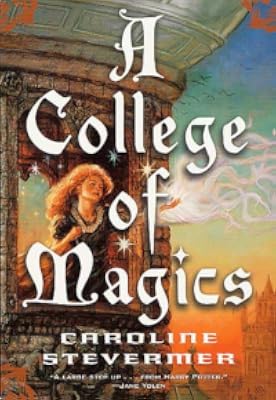

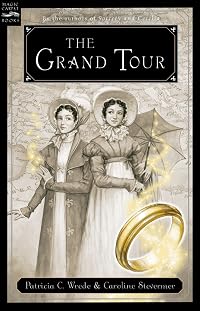
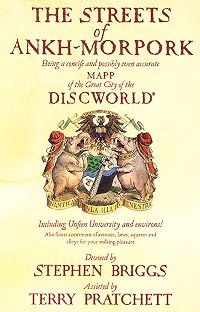
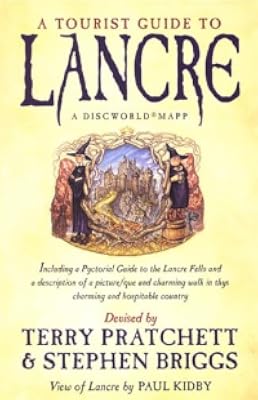

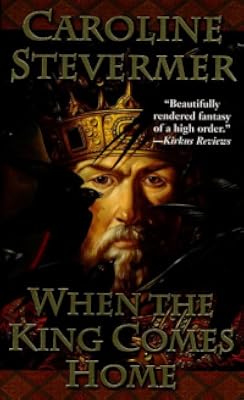
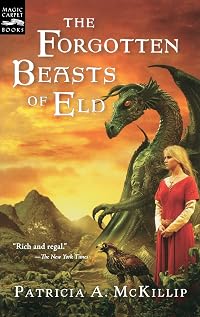
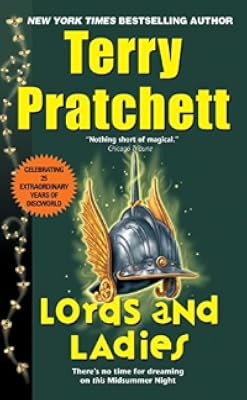


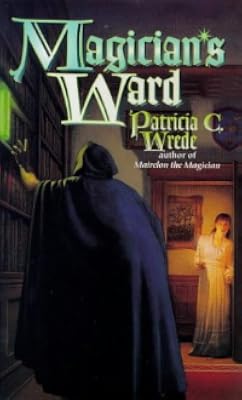


Member Recommendations
100
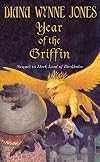
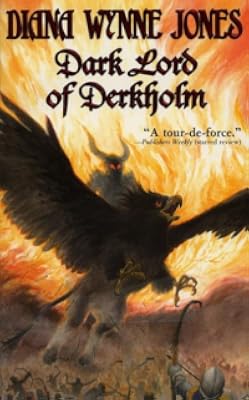
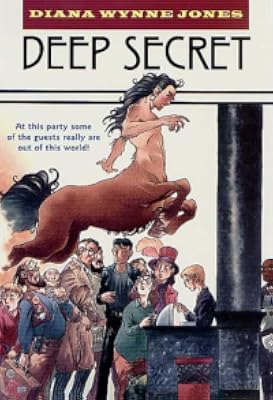
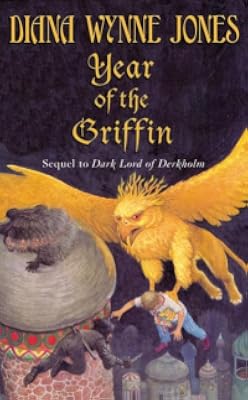
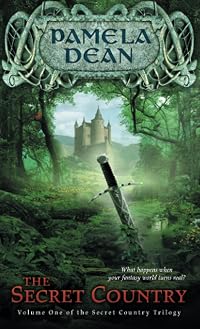
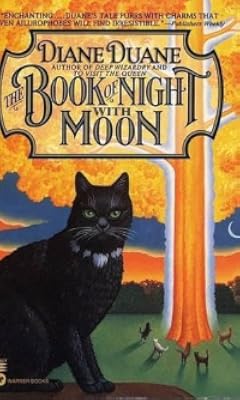
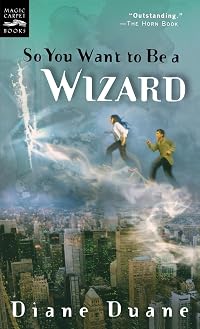
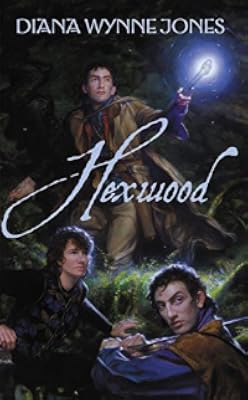
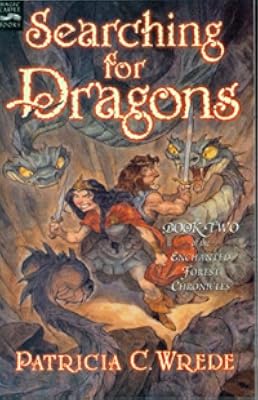
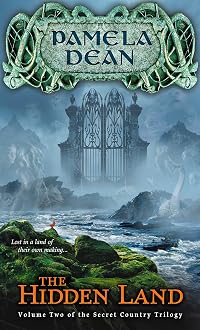
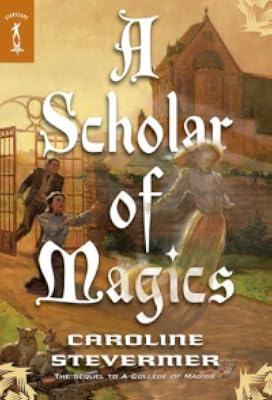
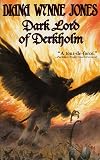
ed.pendragon Part of the same universe as The Tough Guide to Fantasyland and Dark Lord of Derkholm
51


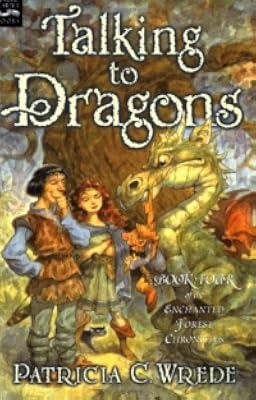
ed.pendragon It's not just the title that's reminiscent of 'The Tough Guide', it's the fantasy element.
11
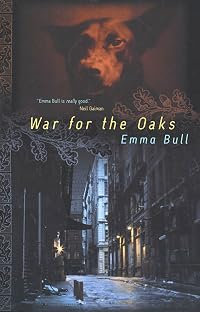
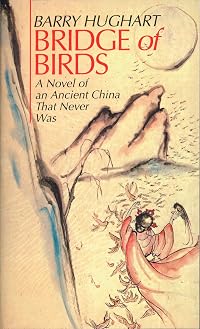
jmiserak Fantasy travel guide that reviews that rewards hardcore fans of scifi fantasy classics.
Member Reviews
This brilliant travel guide for visitors to Fantasyland exposes the popular and well worn cliches and plot ideas used by fantasy authors everywhere. What I really love about this book is it isn't afraid to make fun of anything at all, even in some cases, the authors own works. The gnomic utterances that begin each section are hilariously obscure, as you should well expect.
It takes nothing seriously, and if you have even just read one fantasy novel in your life, you will still find yourself amused by the observations made.
As a side note, The Dark Lord of Derkholm, followed by The Year of the Griffin, both also by Diana Wynne Jones, were written to contain as many of these ideas and cliches as physically possible, and are two of the show more funniest and well told stories you will read anywhere. show less
It takes nothing seriously, and if you have even just read one fantasy novel in your life, you will still find yourself amused by the observations made.
As a side note, The Dark Lord of Derkholm, followed by The Year of the Griffin, both also by Diana Wynne Jones, were written to contain as many of these ideas and cliches as physically possible, and are two of the show more funniest and well told stories you will read anywhere. show less
Modern fantasy as a genre has an uneasy relationship with creativity, in that it's about fantastic worlds of pure imagination and also more cliches than you can shake a glowing elfmade sword at. The Tough Guide to Fantasyland is an acerbic alphabetical list of cliches, in the form of a tourist's guide to all the things that you might encounter on a QUEST through the KINGDOM.
It's pretty funny, sideshakingly so in parts (the entry for HORSE, for example), but the overall impression is a 30 second joke stretched out to 5 minutes. Part of the humor is how long it goes on, but this book was mostly a slog, which is an unforgivable sin in light reading.
It's pretty funny, sideshakingly so in parts (the entry for HORSE, for example), but the overall impression is a 30 second joke stretched out to 5 minutes. Part of the humor is how long it goes on, but this book was mostly a slog, which is an unforgivable sin in light reading.
Diana Wynne Jones is such a master of writing these unique, wonderfully crafted gems of children's and young adult fantasy novels that you might well just forget that she's got a lot more to say about the genre she writes in. You see it sometimes, in the way she plays with fantasy and fairy tale conventions in Howl's Moving Castle, in the way the hyper-prepared character is portrayed in the Homeward Bounders, in... well, pretty much all of Deep Secret. You can't get as good as she has without knowing how stories are generally told, even if it's only so you can avoid telling things quite that way.
Perhaps, then, it's not a surprise that she should come out with the Tough Guide to Fantasyland, as fun a skewer of fantasy conventions as I show more can remember. It's written as an amusing, tongue-in-cheek travel guide to taking a tour in a world entirely governed by these conventions of fantasy, and run by a tour management to make sure things do work this way. And so, it's maintained that you will have progressively harder encounters; that you can tell the quality of a person by looking at the colors they wear; that no matter how cold it is, your clothes will be sufficient, and you won't get sick; that your caravan will always have a spy and it will always be attacked; etc. It's written a wry way, that feels skewering, but not nasty. It's actually quite enjoyable, all around.
That said, like any travel guide, perhaps reading it front to back as I did is not the best approach. It's got connections from one entry to other related ones, and allowing yourself to just page around is probably a more pleasant experience than just slogging through. That way was still fun, but I'd recommend trying it another way. Just leaving it around and out on a table, and picking it up for a few fun little pages occasionally, is probably the best approach. However you approach it, it's a cute little book that you'll definitely recall pleasurably the next time you read a novel that follows all the same ways as so many fantasy novels before. show less
Perhaps, then, it's not a surprise that she should come out with the Tough Guide to Fantasyland, as fun a skewer of fantasy conventions as I show more can remember. It's written as an amusing, tongue-in-cheek travel guide to taking a tour in a world entirely governed by these conventions of fantasy, and run by a tour management to make sure things do work this way. And so, it's maintained that you will have progressively harder encounters; that you can tell the quality of a person by looking at the colors they wear; that no matter how cold it is, your clothes will be sufficient, and you won't get sick; that your caravan will always have a spy and it will always be attacked; etc. It's written a wry way, that feels skewering, but not nasty. It's actually quite enjoyable, all around.
That said, like any travel guide, perhaps reading it front to back as I did is not the best approach. It's got connections from one entry to other related ones, and allowing yourself to just page around is probably a more pleasant experience than just slogging through. That way was still fun, but I'd recommend trying it another way. Just leaving it around and out on a table, and picking it up for a few fun little pages occasionally, is probably the best approach. However you approach it, it's a cute little book that you'll definitely recall pleasurably the next time you read a novel that follows all the same ways as so many fantasy novels before. show less
Read fantasy? Do they all start to have a certain sameness? Read this, preferably aloud to another [b:fantasy lover|84136|Fantasy Lover (Dark-Hunter, #1)|Sherrilyn Kenyon|http://photo.goodreads.com/books/1171050604s/84136.jpg|2384]. You will laugh. Treat it more like a website than a book, and jump around in it. Jones accurately skewers all the tired conventions in this travel guide to fantasy.
My favorite entry is "Unfriendly Stranger." This person will either be a spy or a embittered dispossessed king who will save the day. How do you tell the difference? The hair. Both will have dark hair, but the dispossessed king's hair will simply be graying, or messy; the spy's hair will be greasy. I guess they don't have as easy access to show more shampoo.
So silly, but it's true! The only problem is that you will not be able to read mediocre fantasies in the same way, ever again. show less
My favorite entry is "Unfriendly Stranger." This person will either be a spy or a embittered dispossessed king who will save the day. How do you tell the difference? The hair. Both will have dark hair, but the dispossessed king's hair will simply be graying, or messy; the spy's hair will be greasy. I guess they don't have as easy access to show more shampoo.
So silly, but it's true! The only problem is that you will not be able to read mediocre fantasies in the same way, ever again. show less
“Dark Lord Approved” says it all. This “tour” of all the clichés, monsters, missing heirs and magic users of most fantasy novels is witty, very funny, and very true. It pretty much covers any possible combination of characters and plot devices you might encounter in any fantasy book you read. It will have you laughing out loud in many places, especially if you recognize which books some of the clichés come from. The standard food of stew and Jones’ theory of how horses are bred in Fantasyland are hysterical; the Gnomic Utterances at the beginning of each alphabetical section are a hoot. I had not heard of several of the topics—the Marsh Dwellers, the Reek of Wrongness—so I guess I need to read more. Altogether, The Tough show more Guide to Fantasyland is a must-have reference work. ;-) show less
Helpful tips for travellers to Fantasyland by the late great Diana Wynne Jones:
(1) Get immunised by reading a wide range of fantasy, both good and bad: you never know what bugs you will be exposed to in Fantasyland.
(2) Remember to have an up-to-date passport: you'll need either your own unread fantasy book (preferably with your own bookplate stuck in the front) or a library book with plenty of entry/exit stamps from previous travellers' visits.
(3) Obtain a visa (a credit card receipt for a fantasy book from your local bookseller will do).
(4) Have the correct currency ready (any bronze, silver or gold coins will do, so long as it makes a nice clinking sound in your purse).
(5) Finally, don't forget to pack the Tough Guide: you'll be lost show more without it. The author has travelled widely in Fantasyland, knows the terrain intimately and generously shares her insights into its attractions, peculiarities, geography and distinct cultures.
Oh, and don't speak to any strangers down dark alleyways...
The Tough Guide is a lovely send-up of both the swords-and-sorcery genre and the Rough Guide series of travel books, gently mocking the conventions of fantasy maps and symbol-filled book margins along with the places, personnages and magic objects that fill the pages of Tolkien-influenced titles and Dungeons-and-Dragons handbooks. Full of truisms that hit you with the shock of recognition, you may find it hard to ever look at a fantasy book the same way again. The Dark Lord of Derkholm and Year of the Griffin, though not sequels as such, follow on from the premise of this book, even to the extent of including one or two geographical sites featured on the map, such as Gna'ash and the Dark Lord's Citadel. Not a book to read in one go (it would certainly give me indigestion), The Tough Guide is wonderful to dip into if you’re in need of a grin, a chuckle or even the occasional guffaw, safe in the confines your own armchair.
http://calmgrove.wordpress.com/2012/11/22/fantasyland/ show less
(1) Get immunised by reading a wide range of fantasy, both good and bad: you never know what bugs you will be exposed to in Fantasyland.
(2) Remember to have an up-to-date passport: you'll need either your own unread fantasy book (preferably with your own bookplate stuck in the front) or a library book with plenty of entry/exit stamps from previous travellers' visits.
(3) Obtain a visa (a credit card receipt for a fantasy book from your local bookseller will do).
(4) Have the correct currency ready (any bronze, silver or gold coins will do, so long as it makes a nice clinking sound in your purse).
(5) Finally, don't forget to pack the Tough Guide: you'll be lost show more without it. The author has travelled widely in Fantasyland, knows the terrain intimately and generously shares her insights into its attractions, peculiarities, geography and distinct cultures.
Oh, and don't speak to any strangers down dark alleyways...
The Tough Guide is a lovely send-up of both the swords-and-sorcery genre and the Rough Guide series of travel books, gently mocking the conventions of fantasy maps and symbol-filled book margins along with the places, personnages and magic objects that fill the pages of Tolkien-influenced titles and Dungeons-and-Dragons handbooks. Full of truisms that hit you with the shock of recognition, you may find it hard to ever look at a fantasy book the same way again. The Dark Lord of Derkholm and Year of the Griffin, though not sequels as such, follow on from the premise of this book, even to the extent of including one or two geographical sites featured on the map, such as Gna'ash and the Dark Lord's Citadel. Not a book to read in one go (it would certainly give me indigestion), The Tough Guide is wonderful to dip into if you’re in need of a grin, a chuckle or even the occasional guffaw, safe in the confines your own armchair.
http://calmgrove.wordpress.com/2012/11/22/fantasyland/ show less
Before there was TV Tropes, there was The Tough Guide to Fantasyland.
In 1996, Wynne Jones created the ultimate epic fantasy trope list. Done in a time when the portal--through-the-doorway--fantasy was popular, the conceit is that Tourists in fantasy lands who will find the Guide useful in navigating through the world. However, even should one not be physically traveling through the fantasy realm of choice, this guide could come in very useful. (It would also apply to most fantasy video games).
The book opens with a large, generalized MAP ("these empty inland parts will be sporadically peppered with little molehills, invitingly labelled 'Megamort Hills,' 'Death Mountains,' 'Hurl Range,' and such") and follows with a list of symbols used show more throughout the text. The majority of the guide is an alphabetized listing of common terms/items/ areas/ beings/ etc. found in fantasy books. The listings are priceless, filled with a gentle sort of humor that pokes fun at the tropes and without outright mocking. For instance, take the entry on insects:
"INSECTS are practically non-existent, possibly as a result of the WIZARD'S WAR (see also ECOLOGY). Parasitic insects such as LICE and bedbugs have mostly been stamped out--although fleas are still popular--and only HOVELS occasionally manifest houseflies. Small numbers of bees must exist, since honey is often served... and so much silkworms, because so many persons wear silken garments. Otherwise, almost the only recorded insects are the mosquitoes all Tourists complain of in the MARSHES (in stinging clouds [OMT][official management term])."
The beauty of it is that it's true. There are never ladybugs in fantasyland, or wasps (unless they are the magical kind), or any other member of the insect family that should be so vital to pollinating crops and flowers that keep the realm functioning. They are usually only mentioned as a way to describe how horrid conditions are. Or take another example:
"DWARFS are short, muscular, bearded PEOPLE much given to mining and forging. They mostly live hidden inside hills, where they do their mining. Until recently, almost no female Dwarfs had been sighted, but now they are seen quite often... All Dwarfs, perhaps through living so long immured in DWARVEN FASTNESSES, have a very old-fashioned, surly demeanour. They bow a lot, but also grumble. They recite long epics about the marvellous deeds of their ancestors... they always keep their word once they have been induced to give it. They will join the forces of GOOD and supply ARMOUR, but before this the Tour may well have a difficult time with them. Dwarfs will take all Tourists prisoner for trespassing in their Fastness, and it will involve much persuasive talking to get them to be friendly."
Tell me that doesn't about describe every single dwarf population you've run into in fantasy. I'll wait while you check. She's spot-on, isn't she? Here, let's check one more entry under 'D':
"DUNGEONS are the first thing to be built when anyone is planning a large BUILDING. Even Town Halls tend to have them. The Rules state that Dungeons are damp and small and a long way underground. If the Tourist is being confined is lucky, there will be a small barred window too high up to reach, through which the contents of the moat trickle, and old (fetid [OMT]), filthy [OMT]) straw on the ground. There will be a thick door (locked) with a small shutter in it where what passes (only just) for FOOD can be thrown in at prisoners, generally dropping tantalizingly an inch out of reach, and there will always be rings in the walls carrying chains and sometimes old bones too. It is all designed to make you feel low. There may even be scutterings [OMT] that could be rats (but see ANIMALS). Do not, however, let this get you down. The average stay in such a place is, for Tourists, twenty-four hours."
Surprisingly, strangely true, particularly with regard to the stay. Because how else could the story progress?
However, despite the amusement, this really isn't something that can be read straight through. It gets exhausting, much like reading any volume of the encyclopedia (for those who remember what that was like; for those that don't, it's rather like endless scrolling and clicking through a reference site). It is precious fun--I agree with a fellow GR friends that the entry on horses and cross-pollination if quite funny, although I'd note that most 'desert nomads' seem to be horse-breeders, so I'm not sure if that holds true--but more fun in a word-of-the-day sense over a straight read-through. Wynne Jones follows this up by writing her own ultimate portal fantasy called [b:The Dark Lord of Derkholm|19208528|The Dark Lord of Derkholm (Derkholm, #1)|Diana Wynne Jones|https://i.gr-assets.com/images/S/compressed.photo.goodreads.com/books/1386256430l/19208528._SY75_.jpg|869986], from the point of view of a (benevolent) Dark Lord and real parties of Tourists.
So, rating: highly, for cleverness, completeness and humor, but less so for actual readability. Not really a book I feel motivated to add to my library, but that's probably how it'd work best, as a pick-up, put-down kind of read.
Note: nominated for the 1997 Hugos 'Best Related Non-Fiction Work,' which is hysterical all by itself.
Pasted from blog, minus the links: clsiewert.wordpress.com/2020/08/07/the-tough-guide-to-fantasyland-by-diana-wynne-jones/ show less
In 1996, Wynne Jones created the ultimate epic fantasy trope list. Done in a time when the portal--through-the-doorway--fantasy was popular, the conceit is that Tourists in fantasy lands who will find the Guide useful in navigating through the world. However, even should one not be physically traveling through the fantasy realm of choice, this guide could come in very useful. (It would also apply to most fantasy video games).
The book opens with a large, generalized MAP ("these empty inland parts will be sporadically peppered with little molehills, invitingly labelled 'Megamort Hills,' 'Death Mountains,' 'Hurl Range,' and such") and follows with a list of symbols used show more throughout the text. The majority of the guide is an alphabetized listing of common terms/items/ areas/ beings/ etc. found in fantasy books. The listings are priceless, filled with a gentle sort of humor that pokes fun at the tropes and without outright mocking. For instance, take the entry on insects:
"INSECTS are practically non-existent, possibly as a result of the WIZARD'S WAR (see also ECOLOGY). Parasitic insects such as LICE and bedbugs have mostly been stamped out--although fleas are still popular--and only HOVELS occasionally manifest houseflies. Small numbers of bees must exist, since honey is often served... and so much silkworms, because so many persons wear silken garments. Otherwise, almost the only recorded insects are the mosquitoes all Tourists complain of in the MARSHES (in stinging clouds [OMT][official management term])."
The beauty of it is that it's true. There are never ladybugs in fantasyland, or wasps (unless they are the magical kind), or any other member of the insect family that should be so vital to pollinating crops and flowers that keep the realm functioning. They are usually only mentioned as a way to describe how horrid conditions are. Or take another example:
"DWARFS are short, muscular, bearded PEOPLE much given to mining and forging. They mostly live hidden inside hills, where they do their mining. Until recently, almost no female Dwarfs had been sighted, but now they are seen quite often... All Dwarfs, perhaps through living so long immured in DWARVEN FASTNESSES, have a very old-fashioned, surly demeanour. They bow a lot, but also grumble. They recite long epics about the marvellous deeds of their ancestors... they always keep their word once they have been induced to give it. They will join the forces of GOOD and supply ARMOUR, but before this the Tour may well have a difficult time with them. Dwarfs will take all Tourists prisoner for trespassing in their Fastness, and it will involve much persuasive talking to get them to be friendly."
Tell me that doesn't about describe every single dwarf population you've run into in fantasy. I'll wait while you check. She's spot-on, isn't she? Here, let's check one more entry under 'D':
"DUNGEONS are the first thing to be built when anyone is planning a large BUILDING. Even Town Halls tend to have them. The Rules state that Dungeons are damp and small and a long way underground. If the Tourist is being confined is lucky, there will be a small barred window too high up to reach, through which the contents of the moat trickle, and old (fetid [OMT]), filthy [OMT]) straw on the ground. There will be a thick door (locked) with a small shutter in it where what passes (only just) for FOOD can be thrown in at prisoners, generally dropping tantalizingly an inch out of reach, and there will always be rings in the walls carrying chains and sometimes old bones too. It is all designed to make you feel low. There may even be scutterings [OMT] that could be rats (but see ANIMALS). Do not, however, let this get you down. The average stay in such a place is, for Tourists, twenty-four hours."
Surprisingly, strangely true, particularly with regard to the stay. Because how else could the story progress?
However, despite the amusement, this really isn't something that can be read straight through. It gets exhausting, much like reading any volume of the encyclopedia (for those who remember what that was like; for those that don't, it's rather like endless scrolling and clicking through a reference site). It is precious fun--I agree with a fellow GR friends that the entry on horses and cross-pollination if quite funny, although I'd note that most 'desert nomads' seem to be horse-breeders, so I'm not sure if that holds true--but more fun in a word-of-the-day sense over a straight read-through. Wynne Jones follows this up by writing her own ultimate portal fantasy called [b:The Dark Lord of Derkholm|19208528|The Dark Lord of Derkholm (Derkholm, #1)|Diana Wynne Jones|https://i.gr-assets.com/images/S/compressed.photo.goodreads.com/books/1386256430l/19208528._SY75_.jpg|869986], from the point of view of a (benevolent) Dark Lord and real parties of Tourists.
So, rating: highly, for cleverness, completeness and humor, but less so for actual readability. Not really a book I feel motivated to add to my library, but that's probably how it'd work best, as a pick-up, put-down kind of read.
Note: nominated for the 1997 Hugos 'Best Related Non-Fiction Work,' which is hysterical all by itself.
Pasted from blog, minus the links: clsiewert.wordpress.com/2020/08/07/the-tough-guide-to-fantasyland-by-diana-wynne-jones/ show less
Members
- Recently Added By
Published Reviews
All said, this is a very enjoyable book to read -- in small snippets. And any writer venturing on creating his or her own tour through Fantasyland would do well to read it, and at least think twice about his or her use of any clichés skewered herein!
added by g33kgrrl
Lists

Best books about books
209 works; 106 members

Favourite High Fantasy Books
113 works; 23 members

Favourite books by Diana Wynne Jones
35 works; 3 members

Best Laugh Out Loud Books
143 works; 49 members

NPR Readers Poll: 100 Favorite Funny Books
100 works; 5 members

Genre Benders: Comic Fantasy
97 works; 16 members

1990s
309 works; 17 members
Speculative Fiction to Read
706 works; 32 members

Recommended Speculative Fiction by Women and People of Color
298 works; 45 members

made me cackle as I read (non fiction)
14 works; 3 members
Humorous Science Fiction and Fantasy
28 works; 6 members

Books Read in 2011
684 works; 20 members

Five star books
1,767 works; 110 members
Author Information

112+ Works 80,513 Members
Diana Wynne Jones was born in London on August 16, 1934. In 1953, she began school at St. Anne's College Oxford and attended lectures by J. R. R. Tolkien and C. S. Lewis. After graduation, she created plays for children that were performed at the London Arts Theatre. Her first book was published in 1973. She wrote over 40 books during her lifetime show more including Dark Lord of Derkholm, Earwig and the Witch, and the Chrestomanci series. She won numerous awards including the Guardian Award for Children's Books in 1977 for Charmed Life, the Boston Globe-Horn Book Award in 1984 for Archer's Goon, the Mythopeic Award in 1999, the Karl Edward Wagner Award in 1999, and the Life Achievement Award from the World Fantasy Organization in 2007. Her book Howl's Moving Castle was adapted into an animated film by director Hayao Miyazaki, and the film was nominated for an Academy Award for Best Animated Feature. She died from lung cancer on March 26, 2011 at the age of 76. (Bowker Author Biography) show less
Some Editions
Awards and Honors
Awards
Notable Lists
Series

Belongs to Publisher Series
DAW Book Collectors (1107)
Common Knowledge
- Canonical title*
- La guía completa de Fantasilandia
- Original title
- The Tough Guide to Fantasyland
- Original publication date
- 1996
- People/Characters
- Dark Lord
- Important places
- Fantasyland; Gna'ash
- Dedication
- For Hannah M. G. Shapero. With particular thanks also to Chris Bell and Paul Barnett.
- First words
- Find the Map.
- Last words
- (Click to show. Warning: May contain spoilers.)Naturally they smell quite strongly.
- Blurbers
- Pratchett, Terry; Pierce, Tamora; Gaiman, Neil
- Canonical DDC/MDS
- 823.08766
*Some information comes from Common Knowledge in other languages. Click "Edit" for more information.
Classifications
Statistics
- Members
- 2,236
- Popularity
- 9,034
- Reviews
- 39
- Rating
- (3.97)
- Languages
- English, Spanish
- Media
- Paper
- ISBNs
- 11
- ASINs
- 10