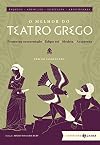
O melhor do teatro grego (Prometeu Acorrentado, Édipo Rei, Medeia, as Nuvens)
by Esquilo
19 Members (4.00)
On This Page
Description
Ideal para quem deseja se familiarizar com o teatro clássico, esse livro reúne os seus autores mais importantes - Ésquilo, Sófocles, Eurípides e Aristófanes -, representados por quatro peças que estão na base da cultura ocidental: as tragédias Prometeu acorrentado, Édipo rei e Medeia e a comédia As nuvens. A tradução, diretamente do grego, foi feita pelo renomado Mário da Gama Kury.Esse volume da coleção Clássicos Zahar oferece ainda um vasto material de apoio, que show more facilitará a leitura mesmo daqueles que nunca tiveram contato com as grandes peças teatrais, como textos introdutórios, glossário, resumo da ação em cada peça, perfis dos personagens e mais de 190 notas. show lessTags
Member Reviews
Members
- Recently Added By
Author Information

310+ Works 22,790 Members
Aeschylus was born at Eleusis of a noble family. He fought at the Battle of Marathon (490 b.c.), where a small Greek band heroically defeated the invading Persians. At the time of his death in Sicily, Athens was in its golden age. In all of his extant works, his intense love of Greece and Athens finds expression. Of the nearly 90 plays attributed show more to him, only 7 survive. These are The Persians (produced in 472 b.c.), Seven against Thebes (467 b.c.), The Oresteia (458 b.c.)---which includes Agamemnon, Libation Bearers, and Eumenides (or Furies) --- Suppliants (463 b.c.), and Prometheus Bound (c.460 b.c.). Six of the seven present mythological stories. The ornate language creates a mood of tragedy and reinforces the already stylized character of the Greek theater. Aeschylus called his prodigious output "dry scraps from Homer's banquet," because his plots and solemn language are derived from the epic poet. But a more accurate summation of Aeschylus would emphasize his grandeur of mind and spirit and the tragic dignity of his language. Because of his patriotism and belief in divine providence, there is a profound moral order to his plays. Characters such as Clytemnestra, Orestes, and Prometheus personify a great passion or principle. As individuals they conflict with divine will, but, ultimately, justice prevails. Aeschylus's introduction of the second actor made real theater possible, because the two could address each other and act several roles. His successors imitated his costumes, dances, spectacular effects, long descriptions, choral refrains, invocations, and dialogue. Swinburne's (see Vol. 1) enthusiasm for The Oresteia sums up all praises of Aeschylus; he called it simply "the greatest achievement of the human mind." Because of his great achievements, Aeschylus might be considered the "father of tragedy." (Bowker Author Biography) show less
Common Knowledge
- Canonical title
- O melhor do teatro grego (Prometeu Acorrentado, Édipo Rei, Medeia, as Nuvens) (Prometeu Acorrentado, É | dipo Rei, Medeia, as Nuvens)
- Original title
- O melhor do teatro grego
Classifications
Statistics
- Members
- 19
- Popularity
- 1,327,065
- Rating
- (4.00)
- Languages
- English, Portuguese
- Media
- Paper, Ebook
- ISBNs
- 1
- ASINs
- 1