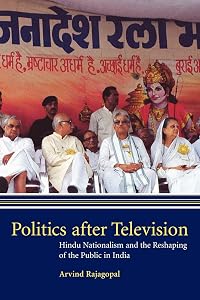
Politics after Television: Hindu Nationalism and the Reshaping of the Public in India
by Arvind Rajagopal
On This Page
Description
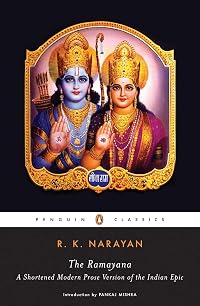
In January 1987, the Indian state-run television began broadcasting a Hindu epic in serial form, The Ramayana, to nationwide audiences, violating a decades-old taboo on religious partisanship. What resulted was the largest political campaign in post-independence times, around the symbol of Lord Ram, led by Hindu nationalists. The complexion of Indian politics was irrevocably changed thereafter. In this book, Arvind Rajagopal analyses this extraordinary series of events. While audiences may show more have thought they were harking back to an epic golden age, Hindu nationalist leaders were embracing the prospects of neoliberalism and globalisation. Television was the device that hinged these movements together, symbolising the new possibilities of politics, at once more inclusive and authoritarian. Simultaneously, this study examines how the larger historical context was woven into and changed the character of Hindu nationalism. show lessTags
Recommendations

















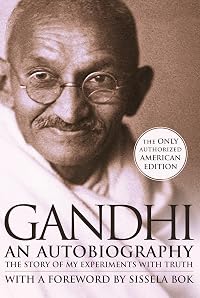

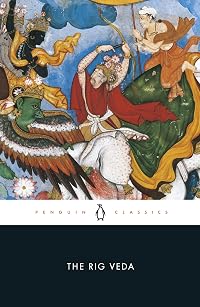


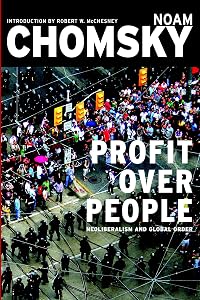
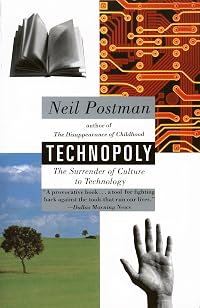

Member Reviews
Members
- Recently Added By
Lists

Books in the Bibliography of Digital Lethargy by Tung-Hui Hu
151 works; 3 members
Author Information
4 Works 34 Members
Awards and Honors
Classifications
- Genres
- Nonfiction, Politics and Government, Religion & Spirituality, General Nonfiction
- DDC/MDS
- 306.2 — Society, government, & culture Social sciences, sociology & anthropology Social Behavior - Dating, Marriage, Divorce Political institutions
- LCC
- HE8700.76 .I4 .R34 — Social sciences Transportation and communications Transportation and communications Radio and television broadcasting
- BISAC
Statistics
- Members
- 28
- Popularity
- 981,926
- Rating
- (3.00)
- Languages
- English
- Media
- Paper, Ebook
- ISBNs
- 8