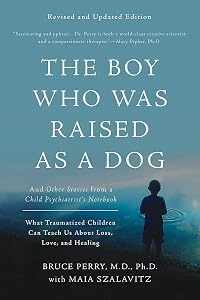
The Boy Who Was Raised as a Dog and Other Stories from a Child Psychiatrist's Notebook: What Traumatized Children Can Teach Us About Loss, Love, and Healing
by Bruce D. Perry, Maia Szalavitz
On This Page
Description
Includes material on "genocide survivors, witnesses to their own parents' murders, children raised in closets and cages, and victims of family violence ... explains what happens to the brain when a child is exposed to extreme stress, and he reveals how today's innovative treatments are helping ease children's pain, allowing to become healthy adults.Tags
Recommendations
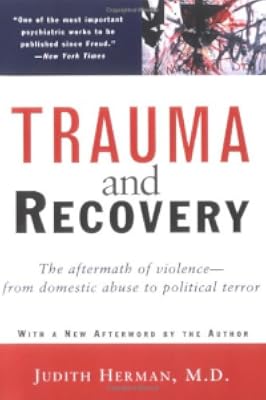
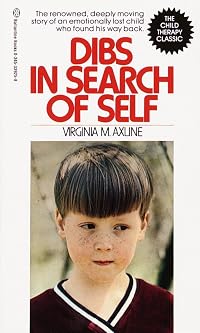
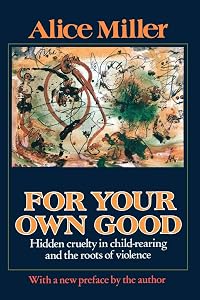
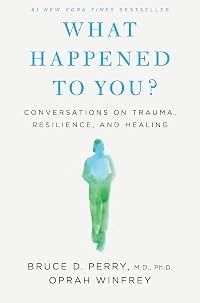
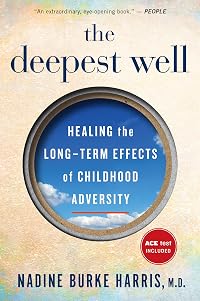

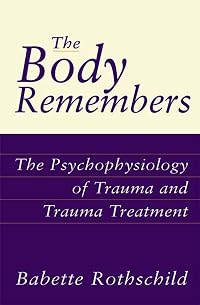
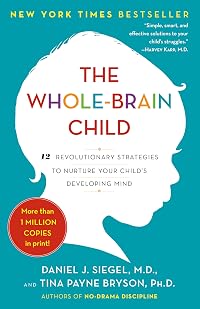
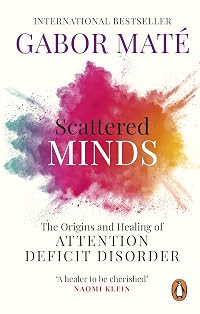

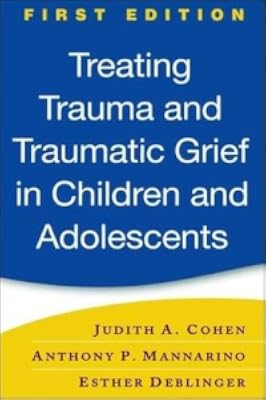
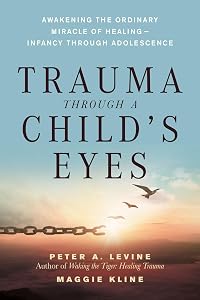
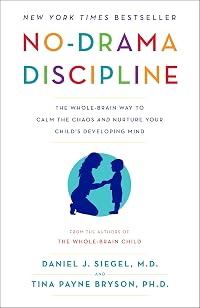
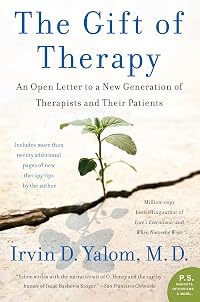
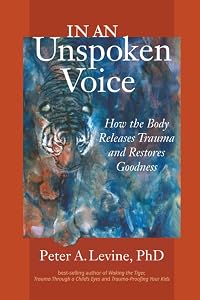

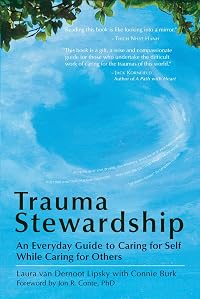
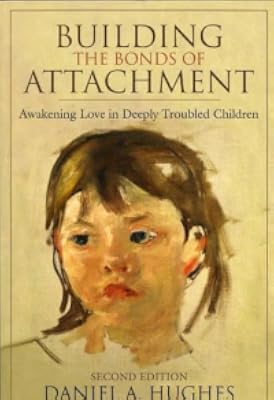
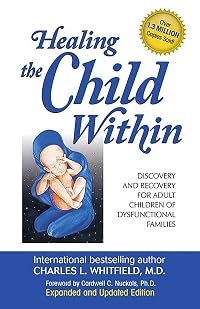
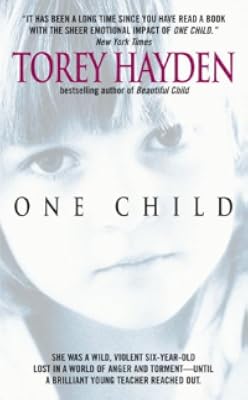
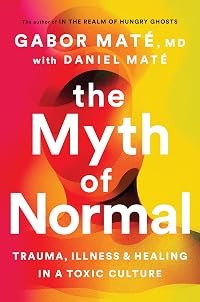
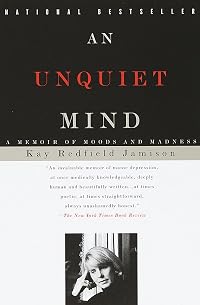
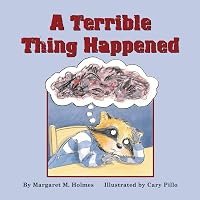

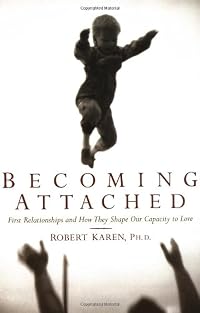

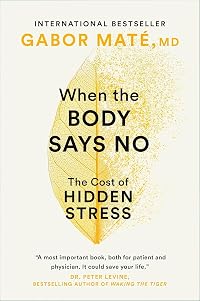
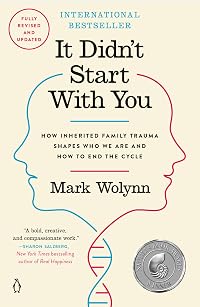

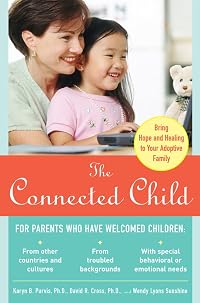
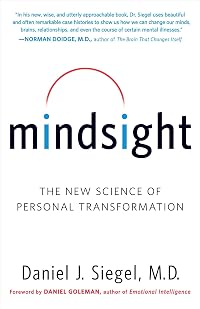
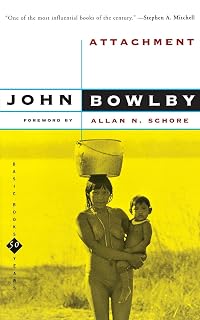
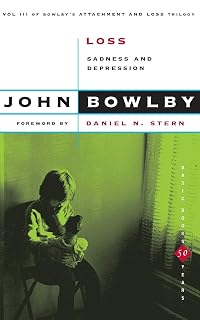
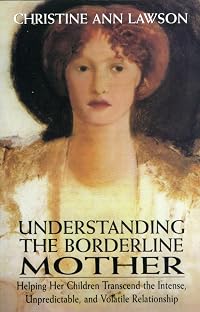
Member Recommendations
Member Reviews
I've read this twice, years apart, in two different editions. As part of an undergrad psych course I read the original book, and more recently for a graduate counseling course I read the new, expanded edition. I've also had the opportunitiy to hear Dr. Perry lecture in person and talk to him a bit. Both editions are excellent, with the more recent one literally just containing updates to the individual cases to account for the large span of time between editions, so pick up the new one.
Dr. Perry is one of the greatest living therapists/psychiatrists working with highly traumatized children. For those familiar with his work overall, a lot of the discourse here is going to be familiar to the point of repetitiveness, but if you're just show more getting into the field there's a really low barrier to entry here as its written to be accessible to a lay audience. Think of it as something between anecdotal stories and case studies involving the application of his theories and techniques across his career.
While written to be accessible to the lay person, this is really looking at highly traumatized individuals mostly from backgrounds of unbelievable abuse. Unless you or a loved one is struggling with a traumatic background, or you work with those who have/work in education or human services, it feels a little exploitive/distasteful to read this just for 'fun'. Though I can definitely see some material here for those interested in or working in fields related to True Crime or cults, as there are stories involving children from groups such as the Branch Dividians. Similarly, those who may have had a very violent/traumatic childhood may want to just assume the whole book has a big trigger warning label on it. show less
Dr. Perry is one of the greatest living therapists/psychiatrists working with highly traumatized children. For those familiar with his work overall, a lot of the discourse here is going to be familiar to the point of repetitiveness, but if you're just show more getting into the field there's a really low barrier to entry here as its written to be accessible to a lay audience. Think of it as something between anecdotal stories and case studies involving the application of his theories and techniques across his career.
While written to be accessible to the lay person, this is really looking at highly traumatized individuals mostly from backgrounds of unbelievable abuse. Unless you or a loved one is struggling with a traumatic background, or you work with those who have/work in education or human services, it feels a little exploitive/distasteful to read this just for 'fun'. Though I can definitely see some material here for those interested in or working in fields related to True Crime or cults, as there are stories involving children from groups such as the Branch Dividians. Similarly, those who may have had a very violent/traumatic childhood may want to just assume the whole book has a big trigger warning label on it. show less
Possibly one of the best "written" case study, ppsychology book on abused and neglected children for the general public. Presented clearly including technical, scientific information that if read slowly and deliberately will be digestable by those not in the mental health field. Sadly, the misconceptions and deficiencies in the "systm" still exist. Great read for school techers, parents, daycare workers, Sunday school teachers, camp counselors, big brothers/sisters, mentors, tutors, and those wanting to find out why the hell we are this way. Make sure you get the revised editon with review of the original chapters. A+ book!
Wonderful and intelligent. This book is an amazing look not only at how the brain is shaped by early interactions (including trauma) but a look at how amazing recovery can be. Perry handles this potential depressing subject wonderfully. Instead of leaving me appalled at the horrors that people commit against children (which I was), it left me feeling amazed at how children can handle and cope with amazing things. I was left, not with disgust, but with hope.
I put this on my to-read list and then forgot about it. When it resurfaced, I thought it would be like Oliver Sacks The man who mistook his wife for a hat, that is, a look at selected medical oddities that illuminate how we work. Instead it is a look at the latest science in a field that most of us don’t understand well – how early experience of children can have life long consequences.
The good news is that they don’t have to be crippling consequences. Despite the horrific nature of some of the cases, some of the children made substantial recoveries. The lengthy subtitle gives a true flavor: The boy who was raised as a dog and other stories from a child psychiatrist’s notebook: what traumatized children can teach us about loss, show more love and healing by Bruce D. Perry.
So what is the book about? Post Traumatic Stress Disorder. Branch Dravidians and their surviving children. How to grow a psychopath. Mainly it is about the human brain: how it develops and why it often doesn’t, what can be done to restore or obtain undamaged functioning, why childhood matters.
Perry is a child psychiatrist (M.D. and Ph.D.) with an interest in neurochemistry and brain development. After conventional training, he comes to realize just how little we know and how much we can learn from those who have been traumatized if we will only listen and observe. I recommend this book to all who deal with children and yes, I know that means just about everyone. This will make my best of the year list. show less
The good news is that they don’t have to be crippling consequences. Despite the horrific nature of some of the cases, some of the children made substantial recoveries. The lengthy subtitle gives a true flavor: The boy who was raised as a dog and other stories from a child psychiatrist’s notebook: what traumatized children can teach us about loss, show more love and healing by Bruce D. Perry.
So what is the book about? Post Traumatic Stress Disorder. Branch Dravidians and their surviving children. How to grow a psychopath. Mainly it is about the human brain: how it develops and why it often doesn’t, what can be done to restore or obtain undamaged functioning, why childhood matters.
Perry is a child psychiatrist (M.D. and Ph.D.) with an interest in neurochemistry and brain development. After conventional training, he comes to realize just how little we know and how much we can learn from those who have been traumatized if we will only listen and observe. I recommend this book to all who deal with children and yes, I know that means just about everyone. This will make my best of the year list. show less
~4.5 stars. This is the hardest book I’ve ever read. My heart HURTS. HUUUURTS. But, I’m so glad I read it. It contains such valuable life lessons for us all, and I learned a lot about neurology too. We need each other. But right now I need a moment alone to go cry because of the stories in this book.
This recorded book joins my growing list of titles dealing with trauma, and in particular childhood trauma. Dr. Perry's pioneering work as a psychiatrist serving children—those who lived through the horrors of Waco, Texas, a little girl who witnessed the murder of her mother, the title story, and a variety of others—left me hopeful for this field of care and thankful for those who pursue it with such compassion and diligence.
Learning the basics of the brain's developmental stages and how trauma impacts these is one of my take-aways. Perry also emphasizes the healing found in accessible practices such as predictable patterned routine, patience, and value in the number and quality of relationships a child establishes.
I found the show more reader's voice slightly distracting with occasional problematic pronunciation, but the overall content made it worthwhile listening. show less
Learning the basics of the brain's developmental stages and how trauma impacts these is one of my take-aways. Perry also emphasizes the healing found in accessible practices such as predictable patterned routine, patience, and value in the number and quality of relationships a child establishes.
I found the show more reader's voice slightly distracting with occasional problematic pronunciation, but the overall content made it worthwhile listening. show less
Intriguing dive into traumatic childhood. Posits that human development requires extensive touch, modeling, and acceptance, yet our societies police touch, encourage individual action, and apply punishment. Child DXs like ADD, addiction, self harm are rooted in trauma. Wished author connected car real
Members
- Recently Added By
Lists

Men's healing resources
749 works; 1 member
Author Information

20+ Works 2,842 Members

6+ Works 1,915 Members
Some Editions
Common Knowledge
- Canonical title
- The Boy Who Was Raised as a Dog and Other Stories from a Child Psychiatrist's Notebook: What Traumatized Children Can Teach Us About Loss, Love, and Healing
Classifications
- Genres
- General Nonfiction, Nonfiction
- DDC/MDS
- 618.9289 — Applied science & technology Medicine & health Gynecology, obstetrics, pediatrics, geriatrics Pediatrics & Geriatrics Pediatric Care Diseases of nervous system and mental disorders Mental disorders
- LCC
- RJ499.34 .P47 — Medicine Pediatrics Pediatrics Diseases of children and adolescents Mental disorders. Child psychiatry
- BISAC
Statistics
- Members
- 1,297
- Popularity
- 18,821
- Reviews
- 18
- Rating
- (4.33)
- Languages
- 7 — Dutch, English, German, Hungarian, Korean, Spanish, Turkish
- Media
- Paper, Audiobook, Ebook
- ISBNs
- 23
- UPCs
- 1
- ASINs
- 14