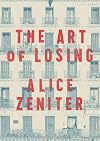
The Art of Losing
by Alice Zeniter
On This Page
Description
Naima has always known that her family came from Algeria - but up until now, that meant very little to her. Born and raised in France, her knowledge of that foreign country is limited to what she's learned from her grandparents' tiny flat in a crumbling French sink estate: the food cooked for her, the few precious things they brought with them when they fled. On the past, her family is silent. Why was her grandfather Ali forced to leave? Was he a harki - an Algerian who worked for and show more supported the French during the Algerian War of Independence? Once a wealthy landowner, how did he become an immigrant scratching a living in France? Naima's father, Hamid, says he remembers nothing. A child when the family left, in France he re-made himself: education was his ticket out of the family home, the key to acceptance into French society. But now, for the first time since they left, one of Ali's family is going back. Naima will see Algeria for herself, will ask the questions about her family's history that, till now, have had no answers. Spanning three generations across seventy years, Alice Zeniter's The Art of Losing tells the story of how people carry on in the face of loss: the loss of a country, an identity, a way to speak to your children. It's a story of colonization and immigration, and how in some ways, we are a product of the things we've left behind. show lessTags
Recommendations





















Member Reviews
The story of three generations of a family: Ali, who served in the French army in World War II and afterwards worked his way up to becoming one of the most prosperous farmers in his Kabyle mountain village, then forced to flee to France in 1962 after finding himself on the wrong side in the Algerian war; his son Hamid, traumatised as a small child by war and refugee camps, who nonetheless manages to do well at school and climb out of the provincial banlieue where his ”harki” parents have been dumped by an ungrateful French state; and Hamid’s daughter, Naïma, a young woman working in a Paris gallery, who starts to wonder whether she “knows where she comes from” after a silly comment from her cousin Mohammed and an assignment show more from her boss to put together an exhibition of work by a veteran Algerian artist, which involves the scary prospect of actually visiting Algeria for the first time in her life.
As the title implies — it refers to an Elizabeth Bishop poem — this is as much a book about how easy it is to lose contact with the past through silences, unasked questions, and translation difficulties as it is the actual story of a family. There’s obviously a lot of autobiographical stuff going on — Zeniter’s own background has clear parallels with Naïma‘s — but, by making Naïma a third-person character like Ali and Hamid, the author reminds us that a lot of what she tells us about the grandfather and father is imaginative reconstruction of things that nobody ever told Naïma. The narrator “knows” what happened, but the narrator has the voice and duties of a novelist, not those of a historian or autobiographer.
A very engaging book about French/Algerian history and a look at the social and psychological effects of migration and refugee status that manages to avoid most of the clichés whilst giving the reader plenty to think about. show less
As the title implies — it refers to an Elizabeth Bishop poem — this is as much a book about how easy it is to lose contact with the past through silences, unasked questions, and translation difficulties as it is the actual story of a family. There’s obviously a lot of autobiographical stuff going on — Zeniter’s own background has clear parallels with Naïma‘s — but, by making Naïma a third-person character like Ali and Hamid, the author reminds us that a lot of what she tells us about the grandfather and father is imaginative reconstruction of things that nobody ever told Naïma. The narrator “knows” what happened, but the narrator has the voice and duties of a novelist, not those of a historian or autobiographer.
A very engaging book about French/Algerian history and a look at the social and psychological effects of migration and refugee status that manages to avoid most of the clichés whilst giving the reader plenty to think about. show less
"The Art of Losing" by Alice Zeniter, translated from French by Frank Wynne, is a well-rounded investigation into identity, revolution, family history, and the dynamic nature of our world, a dynamism that has persisted from time immemorial. It is about the inevitable cycle that follows colonialism; the struggle for independence, the ultimate struggle for domination amongst the local factions, civil war, and then attempts, some successful, some not, to develop a stable country through democracy, suppression of rival factions, an uneasy peaceful co-existence, or a fragile partnership.
"The Art of Losing" is focused on the search for identity by the descendants of those who left Algeria but were born and grew up in France, but the book's show more themes, issues, and the personal experiences of all the characters, are common to many situations across the World where people have migrated for one reason or another, and have settled in countries strange to them, and where they are not universally welcomed by the local population.
Racism is a constant backdrop to the story. Its insidious presence is something that is felt by all minorities and victims of hatred. Zeniter is skilful in portraying how the constant presence of racist attitudes affects the thoughts and behaviours of people subject to its uncouth existence.
While this book deals with heavy issues, if does so in a very easily consumed fashion. This book did not contain horror or gore. The book is basically a saga involving the lives of three generations of a family with the unrest being the backdrop that drives the actions of the stories participants. The difficult issues are dealt with sensitively and with great insight into human nature, and the way people are affected by socio-political dynamics in their neighbourhood.
Would I read another book by this author?
This was a powerful book and I learned a lot from it. I would need to think about this question. I certainly would not resist reading another book by Zeniter, but I think I would need a breather between this one and the next.
That is a long way of say, “Yes!”
Would I recommend this book?
Yes.
Who would I recommend this book to?
Anyone interested in how people survive in times of civil unrest and political turmoil.
One of my friends has said she would be reluctant to read this book because it deals with dreadful things like people being uprooted from their homes and having to move quickly leaving their life behind them. The book does deal with these things, but it does so in a very careful way that is not as terrifying as it would have been if the author had chosen to write that sort of book. I do not want play down the horrors of fleeing from war, but this book is about the effects of the unrest and revolution on the sense of identity of the three generations of the family; from the first generation that left Algeria with their children, to their children, and then to their grandchildren.
Has this book inspired me to do anything?
Yes. I have already purchased the DVD of "The Battle for Algiers", a film I watched many years ago, and a novel set in Algeria. I have also been forced to think about how the principles and happenings in [The Art of Losing] are common to many, if not all, areas of conflict throughout history, where people are displaced and then become outcasts in their original country, and yet are not accepted in their new country, even unto the second, third, fourth, and more generations. It asks the question, can someone born in France to people who fled Algeria, really be Algerian if the country of their family’s origin has changed beyond recognition; and can that person be accepted as French in France, where they often meet racist attitudes and abuse despite having been born in France and being claimed as French citizens by the government? This is a common dilemma for the descendants of immigrants in so many countries. show less
"The Art of Losing" is focused on the search for identity by the descendants of those who left Algeria but were born and grew up in France, but the book's show more themes, issues, and the personal experiences of all the characters, are common to many situations across the World where people have migrated for one reason or another, and have settled in countries strange to them, and where they are not universally welcomed by the local population.
Racism is a constant backdrop to the story. Its insidious presence is something that is felt by all minorities and victims of hatred. Zeniter is skilful in portraying how the constant presence of racist attitudes affects the thoughts and behaviours of people subject to its uncouth existence.
While this book deals with heavy issues, if does so in a very easily consumed fashion. This book did not contain horror or gore. The book is basically a saga involving the lives of three generations of a family with the unrest being the backdrop that drives the actions of the stories participants. The difficult issues are dealt with sensitively and with great insight into human nature, and the way people are affected by socio-political dynamics in their neighbourhood.
Would I read another book by this author?
This was a powerful book and I learned a lot from it. I would need to think about this question. I certainly would not resist reading another book by Zeniter, but I think I would need a breather between this one and the next.
That is a long way of say, “Yes!”
Would I recommend this book?
Yes.
Who would I recommend this book to?
Anyone interested in how people survive in times of civil unrest and political turmoil.
One of my friends has said she would be reluctant to read this book because it deals with dreadful things like people being uprooted from their homes and having to move quickly leaving their life behind them. The book does deal with these things, but it does so in a very careful way that is not as terrifying as it would have been if the author had chosen to write that sort of book. I do not want play down the horrors of fleeing from war, but this book is about the effects of the unrest and revolution on the sense of identity of the three generations of the family; from the first generation that left Algeria with their children, to their children, and then to their grandchildren.
Has this book inspired me to do anything?
Yes. I have already purchased the DVD of "The Battle for Algiers", a film I watched many years ago, and a novel set in Algeria. I have also been forced to think about how the principles and happenings in [The Art of Losing] are common to many, if not all, areas of conflict throughout history, where people are displaced and then become outcasts in their original country, and yet are not accepted in their new country, even unto the second, third, fourth, and more generations. It asks the question, can someone born in France to people who fled Algeria, really be Algerian if the country of their family’s origin has changed beyond recognition; and can that person be accepted as French in France, where they often meet racist attitudes and abuse despite having been born in France and being claimed as French citizens by the government? This is a common dilemma for the descendants of immigrants in so many countries. show less
In her novel The Art Of Losing, describing the effects of the Algerian Civil War against France in the 1960s, Alice Zeniter focuses on an Algerian family caught on the wrong side of the revolution. She traces the family’s decision to abandon Algeria for France when the French abandoned the fight, and the discrimination they faced in a country where they were considered second class citizens. The story traces three generations adjusting to life in France, and what was won and lost in blending into a culture resistant to their arrival.
The novel is divided into three parts. The first focuses on events taking part during the revolution against French rule in the country, followed by a family fleeing for France, fearing persecution, and show more then the discrimination awaiting them there. Zeniter plumbs the cost of decolonization and the uncomfortable fit that followed those forced to relocate. Its final section details a granddaughter’s return to Algeria and her introduction to a country both familiar and foreign to her.
For those not familiar with the Algerian revolution, this novel provides a description of how it affected those caught in its cross fire. While failing to give details of the independence movement itself, its sole focus on a single family displaced by the civil war is captivating. At a time when Muslim immigrants are flooding France and countries across the globe, this book personalizes their story, highlighting the costs involved. It describes how haunting the past can be for those who have emigrated to the west, and their continued attraction back to a home country that resonates with memories but remains foreign to them. show less
The novel is divided into three parts. The first focuses on events taking part during the revolution against French rule in the country, followed by a family fleeing for France, fearing persecution, and show more then the discrimination awaiting them there. Zeniter plumbs the cost of decolonization and the uncomfortable fit that followed those forced to relocate. Its final section details a granddaughter’s return to Algeria and her introduction to a country both familiar and foreign to her.
For those not familiar with the Algerian revolution, this novel provides a description of how it affected those caught in its cross fire. While failing to give details of the independence movement itself, its sole focus on a single family displaced by the civil war is captivating. At a time when Muslim immigrants are flooding France and countries across the globe, this book personalizes their story, highlighting the costs involved. It describes how haunting the past can be for those who have emigrated to the west, and their continued attraction back to a home country that resonates with memories but remains foreign to them. show less
Having read several stories set around the colonization of various African countries, this is one of the best. Told from the viewpoint of 3 generations. Ali was a successful merchant in Algeria while it was under French control. When the drive for independence began, Ali became a "harki" - an Algerian who sided with the French. As a result, he was forced to leave Algeria to settle in France with his uneducated and peasant wife. The family is forced into settlement camps, and eventually some sort of public housing. His son, Hamid, barely remembers Algeria as he was young when they left. Hamid's daughter, Naima, works in the art world, knows of her family's Algerian background, but basically knows nothing of the struggle.
This is the story show more of how each individual and each generation deals with loss - their identity, their past, their memories. Ali's story is particularly interesting set during the time of the revolution. Hamid grows up in France and basically doesn't want to remember much, especially the fact that his father was a harki.
The last section focusing on Naima was just not as compelling as the others except for the part when she does actually visit Algeria while investigation some art issues.
Very well written, interesting, believable, and tells so much about colonization, immigration, and how family history is passed from one generation to the next. show less
This is the story show more of how each individual and each generation deals with loss - their identity, their past, their memories. Ali's story is particularly interesting set during the time of the revolution. Hamid grows up in France and basically doesn't want to remember much, especially the fact that his father was a harki.
The last section focusing on Naima was just not as compelling as the others except for the part when she does actually visit Algeria while investigation some art issues.
Very well written, interesting, believable, and tells so much about colonization, immigration, and how family history is passed from one generation to the next. show less
Geschenk von Yolande Estermann, als Parallele zu Das Land der anderen von Leila Slimani = Marokko, Zweniter = Algerien.
Eindrückliche Schilderung aufstieg von Yema und Ali als Oliverbauern. Dann Zusammenarbeit mit Frankreich, so wurden sie „Harkis“ und. mussten 1962 nach Frankreich fliehen vor den algerischen Revolutionären. Lager und sozialwohnungen und Ächtung. Der stolze Ali ist geduckter Fabrikarbeiter mit 7 Kindern in winziger Wohnung, Hamid heiratet Französin und schafft den Aufstieg. 30 jährige Tochter Naima sucht Wurzeln in Algerien. Buch aus ihrer Perspektive.
Auf Schiff bei Flucht nach Frankreich
- sie bringen französische Möbel, Topfpflanzen, Buffets 7nd sogar Autos an Bord. Sogar Standbilder, gigantische show more Kommandanten, die auf algerisch gewordenen Dörfern vom Sockel geholt wurden. Und den vielen Tausend Menschen dunkler Hautfarbe sagen sie „ kein Platz, das geht nicht“, wobei sie versuchen, die Pferde, Autos, Möbel zu verstecken…
Nach Flucht nach Frankreich:
- die Schule hat sen Platz der Olivenhaine als Träger aller Hoffnungen und Versprwchungen eingenommen
- Erkenntnis der Frauen: durch die Schuld ihrer Männer haben sie das Land verloren, wenn es nach ihnen gegangen wäre, wären sie geblieben…
- Hamid wird politisch. Seine Erkenntnis: seinem Leben fehlt das Salz —> er hat die kürzeste und hellsichtigste Allegorie für seinen Zustand gefunden.
Gegenwart, erfa Naîma, Tochter von Hamid und Clarisse
- weniger interessant, da für uns „näherliegend“
- 2015 islamistische Anschläge auf Charlie Hebdo und Bataclan: schlimm für nicht weisshäutige Menschen, da ihnen Misstrauen begegnet, erinnert an Homeland Elegien von Ayad Akthar
- Wegen Nachforschungen für die Ausstellung des algerischen Künstlers Lalla in der Galerie, reist Naima nach Algerien und findet u besucht Ihre Ursprungsfamilie in den Bergen.
- Schlussendlich zurück in Paris, erfolreiche Ausstellung, kein Wunsch nach Algerien zurückzukehren.
Grundsätzlich:
- erstaunliche Leistung von Alice Zeniter, die Begebenheiten so authentisch zu schildern, zumal sie keinen Migrationshinteegrund hat ***FALSCH***Zeniter entstammt einer Harki- Familie aus der Kabylei (= Bergdörfer Algeriens). Der Roman ist halb-autobiographisch.
- Nüchterne Sprache, sehr gut erzählt, spannende Sichtweisen und Blickpunkte show less
Eindrückliche Schilderung aufstieg von Yema und Ali als Oliverbauern. Dann Zusammenarbeit mit Frankreich, so wurden sie „Harkis“ und. mussten 1962 nach Frankreich fliehen vor den algerischen Revolutionären. Lager und sozialwohnungen und Ächtung. Der stolze Ali ist geduckter Fabrikarbeiter mit 7 Kindern in winziger Wohnung, Hamid heiratet Französin und schafft den Aufstieg. 30 jährige Tochter Naima sucht Wurzeln in Algerien. Buch aus ihrer Perspektive.
Auf Schiff bei Flucht nach Frankreich
- sie bringen französische Möbel, Topfpflanzen, Buffets 7nd sogar Autos an Bord. Sogar Standbilder, gigantische show more Kommandanten, die auf algerisch gewordenen Dörfern vom Sockel geholt wurden. Und den vielen Tausend Menschen dunkler Hautfarbe sagen sie „ kein Platz, das geht nicht“, wobei sie versuchen, die Pferde, Autos, Möbel zu verstecken…
Nach Flucht nach Frankreich:
- die Schule hat sen Platz der Olivenhaine als Träger aller Hoffnungen und Versprwchungen eingenommen
- Erkenntnis der Frauen: durch die Schuld ihrer Männer haben sie das Land verloren, wenn es nach ihnen gegangen wäre, wären sie geblieben…
- Hamid wird politisch. Seine Erkenntnis: seinem Leben fehlt das Salz —> er hat die kürzeste und hellsichtigste Allegorie für seinen Zustand gefunden.
Gegenwart, erfa Naîma, Tochter von Hamid und Clarisse
- weniger interessant, da für uns „näherliegend“
- 2015 islamistische Anschläge auf Charlie Hebdo und Bataclan: schlimm für nicht weisshäutige Menschen, da ihnen Misstrauen begegnet, erinnert an Homeland Elegien von Ayad Akthar
- Wegen Nachforschungen für die Ausstellung des algerischen Künstlers Lalla in der Galerie, reist Naima nach Algerien und findet u besucht Ihre Ursprungsfamilie in den Bergen.
- Schlussendlich zurück in Paris, erfolreiche Ausstellung, kein Wunsch nach Algerien zurückzukehren.
Grundsätzlich:
- erstaunliche Leistung von Alice Zeniter, die Begebenheiten so authentisch zu schildern, zumal sie keinen Migrationshinteegrund hat ***FALSCH***Zeniter entstammt einer Harki- Familie aus der Kabylei (= Bergdörfer Algeriens). Der Roman ist halb-autobiographisch.
- Nüchterne Sprache, sehr gut erzählt, spannende Sichtweisen und Blickpunkte show less
Winner of the Prix Goncourt des Lycéens (2017), the Prix Landerneau des lecteurs (2017), and the Prix littéraire Le Monde (2017), The Art of Losing (L’art de perdre) by Alice Zeniter was recommended to me by Stu at Winston's Dad where he speculated that this novel was the French version of Windrush fiction. The novel is a meditation on loss for three generations of a family of French-Algerian heritage — a family that has heritage in both countries but belongs in neither.
Bookended by Naïma's reluctant quest to interrogate her family's roots, The Art of Losing is the story of her grandfather Ali who became a refugee in France in the tumult of Algerian independence, and her father Hamid who remembers nothing of Algeria and who has show more reinvented himself in France. Naïma, who never knew her grandfather, has grown up knowing nothing of their family or its history, primarily because of her father's shame. Hamid learned early on never to mention the year of his arrival as a child in France because that year identifies him as one of the despised Harkis. Wikipedia explains the reason for that intergenerational shame:
The Art of Losing is partly about being on the 'wrong side'. A contemporary analogy might be the plight of Afghanis: those who were on the 'wrong side' when the Mujahidin 'liberated' Afghanistan from the Soviets, or on the 'wrong side' when the Taliban took over, or on the 'wrong side' when the Americans 'liberated' the country from the Taliban, or on the 'wrong side' when America and its allies abandoned Afghanistan and the Taliban took over again. Being on the 'wrong side' can be a legacy of colonialism, as it is in this novel, but it happens in all kinds of conflicts including the current civil wars in Yemen and Ethiopia. Whatever happens, there will be people on the 'wrong side' amongst the refugees. Like the characters in The Art of Losing they will have chosen the losing side.
Ali was doing well in his village under the French. His ambitions were limited, but as a wealthy owner of an olive grove he had a secure income, a home that surpassed his expectations, and power and status in the village. When the independence movement emerged in the 1950s, his brother supported the FLN (National Liberation Front) but Ali sided with the French. Branded a traitor in 1962, he took refuge in France, and was considered 'lucky' by some because he is able to take his family with him.
France permitted immigration of the people of Algerian heritage along with the 'pied-noirs' i.e. people of French heritage born in Algeria, but the welcome and resettlement options offered to these different populations varied. For two years Ali and his family were segregated in the Rivesaltes Refugee Camp under deplorable conditions, and were sent after that to a forest work camp, where the housing was marginally better but schooling for the children was haphazard. It is not until they were resettled in a tiny apartment in Normandy that the eldest boy Hamid received a proper education. He was a bright boy and grew up to become estranged from his family. In Paris after his baccalaureate he reinvented himself as French, married a French woman and refused to engage at all with his Algerian heritage. In the present day his daughter Naïma takes no interest in it either, until her work in an art gallery requires her to visit an ageing Algerian artist called Lalla. Filled with justifiable fear that hatreds are still smouldering in the village, she defers getting a visa...
The novel, however, is about much more that the plot outline.
To read the rest of my review please visit https://anzlitlovers.com/2022/04/17/the-art-of-losing-by-alice-zeniter-translate... show less
Bookended by Naïma's reluctant quest to interrogate her family's roots, The Art of Losing is the story of her grandfather Ali who became a refugee in France in the tumult of Algerian independence, and her father Hamid who remembers nothing of Algeria and who has show more reinvented himself in France. Naïma, who never knew her grandfather, has grown up knowing nothing of their family or its history, primarily because of her father's shame. Hamid learned early on never to mention the year of his arrival as a child in France because that year identifies him as one of the despised Harkis. Wikipedia explains the reason for that intergenerational shame:
Harki [...] (a group of volunteers, especially soldiers) is the generic term for native Muslim French who served as auxiliaries in the French Army during the Algerian War of Independence from 1954 to 1962. The word sometimes applies to all French Muslims who supported French Algeria during the war. The motives for enlisting in the Harkis were mixed. They are regarded as traitors in Algeria and thousands were killed after the war in reprisals despite the Évian Accords ceasefire and amnesty stipulations.
The Art of Losing is partly about being on the 'wrong side'. A contemporary analogy might be the plight of Afghanis: those who were on the 'wrong side' when the Mujahidin 'liberated' Afghanistan from the Soviets, or on the 'wrong side' when the Taliban took over, or on the 'wrong side' when the Americans 'liberated' the country from the Taliban, or on the 'wrong side' when America and its allies abandoned Afghanistan and the Taliban took over again. Being on the 'wrong side' can be a legacy of colonialism, as it is in this novel, but it happens in all kinds of conflicts including the current civil wars in Yemen and Ethiopia. Whatever happens, there will be people on the 'wrong side' amongst the refugees. Like the characters in The Art of Losing they will have chosen the losing side.
Ali was doing well in his village under the French. His ambitions were limited, but as a wealthy owner of an olive grove he had a secure income, a home that surpassed his expectations, and power and status in the village. When the independence movement emerged in the 1950s, his brother supported the FLN (National Liberation Front) but Ali sided with the French. Branded a traitor in 1962, he took refuge in France, and was considered 'lucky' by some because he is able to take his family with him.
France permitted immigration of the people of Algerian heritage along with the 'pied-noirs' i.e. people of French heritage born in Algeria, but the welcome and resettlement options offered to these different populations varied. For two years Ali and his family were segregated in the Rivesaltes Refugee Camp under deplorable conditions, and were sent after that to a forest work camp, where the housing was marginally better but schooling for the children was haphazard. It is not until they were resettled in a tiny apartment in Normandy that the eldest boy Hamid received a proper education. He was a bright boy and grew up to become estranged from his family. In Paris after his baccalaureate he reinvented himself as French, married a French woman and refused to engage at all with his Algerian heritage. In the present day his daughter Naïma takes no interest in it either, until her work in an art gallery requires her to visit an ageing Algerian artist called Lalla. Filled with justifiable fear that hatreds are still smouldering in the village, she defers getting a visa...
The novel, however, is about much more that the plot outline.
To read the rest of my review please visit https://anzlitlovers.com/2022/04/17/the-art-of-losing-by-alice-zeniter-translate... show less
I was extremely interested in the subject matter in this book and I learned so much from it. Unfortunately, there were some dry, stagnant patches that I really had to push through. It took me forever to finish the book. 4 stars for concept but 3 stars for reading experience.
Members
- Recently Added By
Lists

Anticipated 2021 Reads
231 works; 7 members

Books Read in 2019
4,052 works; 110 members
Author Information

16 Works 585 Members
Some Editions
Awards and Honors
Awards
Series
Belongs to Publisher Series
Otavan kirjasto (271)
Common Knowledge
- Canonical title
- The Art of Losing
- Original title
- L'art de perdre
- Original publication date
- 2017
- Important places
- Algeria
- Original language
- French
Classifications
Statistics
- Members
- 340
- Popularity
- 93,186
- Reviews
- 16
- Rating
- (4.01)
- Languages
- 8 — Dutch, English, Finnish, French, German, Italian, Spanish, Swedish
- Media
- Paper, Audiobook, Ebook
- ISBNs
- 27
- ASINs
- 8