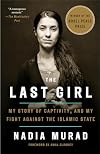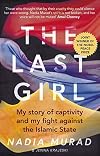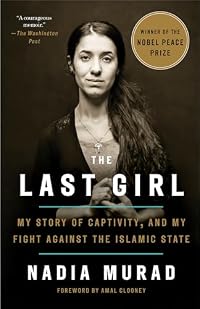
The Last Girl: My Story of Captivity, and My Fight Against the Islamic State
by Nadia Murad
On This Page
Description
WINNER OF THE NOBEL PEACE PRIZE • In this “courageous” (The Washington Post) memoir of survival, a former captive of the Islamic State tells her harrowing and ultimately inspiring story.Nadia Murad was born and raised in Kocho, a small village of farmers and shepherds in northern Iraq. A member of the Yazidi community, she and her brothers and sisters lived a quiet life. Nadia had dreams of becoming a history teacher or opening her own beauty salon.
On August 15th, 2014, when show more Nadia was just twenty-one years old, this life ended. Islamic State militants massacred the people of her village, executing men who refused to convert to Islam and women too old to become sex slaves. Six of Nadia’s brothers were killed, and her mother soon after, their bodies swept into mass graves. Nadia was taken to Mosul and forced, along with thousands of other Yazidi girls, into the ISIS slave trade.
Nadia would be held captive by several militants and repeatedly raped and beaten. Finally, she managed a narrow escape through the streets of Mosul, finding shelter in the home of a Sunni Muslim family whose eldest son risked his life to smuggle her to safety.
Today, Nadia's story—as a witness to the Islamic State's brutality, a survivor of rape, a refugee, a Yazidi—has forced the world to pay attention to an ongoing genocide. It is a call to action, a testament to the human will to survive, and a love letter to a lost country, a fragile community, and a family torn apart by war. show less
Tags
Recommendations













Member Recommendations
Member Reviews
This is a fascinating first person account of a brave Yazidi woman sexually enslaved to a series of Islamic State militants. in this ARC copy I enjoyed the clear three acts:
1. background including a summary of the unique and poetic Yazidi worldview
2. enslavement in a process that recalled holocaust horror
3. escape and reunion and owning her story
As I read this, I see Scotland, Castille possible limping toward an independence in a less bloody fashion, than say South Sudan or a fracturing Iraq-Syria. Reading this, the Yazidis are too small for independence, and apparently too different for protection from Kurds, Iraq, etc. In this era of apparent national identity resurgence, can the world protect its minority cultures, too?
Also, this show more feels like a cautionary tale like that of "First they came ...", the poem written by German Lutheran pastor Martin Niemöller about the cowardice of German intellectuals following the Nazis' rise to power and subsequent purging of their chosen targets, group after group. One variation goes:
1. background including a summary of the unique and poetic Yazidi worldview
2. enslavement in a process that recalled holocaust horror
3. escape and reunion and owning her story
As I read this, I see Scotland, Castille possible limping toward an independence in a less bloody fashion, than say South Sudan or a fracturing Iraq-Syria. Reading this, the Yazidis are too small for independence, and apparently too different for protection from Kurds, Iraq, etc. In this era of apparent national identity resurgence, can the world protect its minority cultures, too?
Also, this show more feels like a cautionary tale like that of "First they came ...", the poem written by German Lutheran pastor Martin Niemöller about the cowardice of German intellectuals following the Nazis' rise to power and subsequent purging of their chosen targets, group after group. One variation goes:
show less
First they came for the Socialists, and I did not speak out—
Because I was not a Socialist.
Then they came for the Trade Unionists, and I did not speak out—
Because I was not a Trade Unionist.
Then they came for the Jews, and I did not speak out—
Because I was not a Jew.
Then they came for me—and there was no one left to speak for me.
The Last Girl is a harrowing read, recounting as it does the atrocities committed by the self-described Islamic State (ISIS) in Iraq, the genocidal campaign they waged against the country's minority Yazidi community, and the terror and sexual violence that they've inflicted on Yazidi women like Nadia Murad. One of the perverse incentives that ISIS offers its recruits is the prospect of acquiring sabiyya: non-Muslim women whom, according to their interpretation of Islam, they can enslave and abuse as they wish. Murad became one of them after ISIS captured her home town and slaughtered her mother and six of her siblings. Murad's account is desperately sad and upsetting, and all the more important to read because of it.
الفتاة الاخيرة
عند تصفحي لاحد الجرائد العراقية قرأت خبرا عن منع الاطفال من النسب الداعشي دخول سنجار على دعوى ان التقاليد الاجتماعية والدينية تمنع احتضان هؤلاء الاطفال ، كم بائسة هذه الاعراف التي تطبق على النساء المغتصبات واطفالهن الضعفاء،
فتذكرت باني منذ فترة وجيزة قد اقتنيت هذا الكتاب فشرعت بمطالعته.
كل تحليل منطقي وتفسير عقلي سيعجز عن تبرير هذه السادية والوحشية التي يتمتع بها مسلحو داعش ، لا شك ان القوى show more السياسية والدولية قد بلورت (بصورة غير مباشرة وفي بعض الاحيان مباشرة) هذه الاعمال الاجرامية في عقول اصحابها العفنة لكن لا عذر لمن ينسلخ عن انسانيته على اساس ردة الفعل،
هذه القصة المرعبة التي تظنها خيالية قد حصلت في بلدي العراق على مرأى ومسمع من الاطراف السياسية المتخاذلة ولازالت تعتقد ان المحاصصة وتوزيع المناصب ونهب المال العام هو دورها الوحيد تجاه شعبها.
تخبرنا هذه البطلة ( نادية مراد ) عن جانب مضئ وسط هذه العتمة ، كيف يستطيع الانسان ان يهزم اكبر مخاوفه في سبيل البقاء ويتحمل اشد المصائب كي يستمر بالحياة، لن يدعي اكثرنا بامتلاك شجاعتها الفائقة لكن امثالها خلقو حتى نقتدي بهم.
كتاب مهم و مؤلم للغاية. show less
عند تصفحي لاحد الجرائد العراقية قرأت خبرا عن منع الاطفال من النسب الداعشي دخول سنجار على دعوى ان التقاليد الاجتماعية والدينية تمنع احتضان هؤلاء الاطفال ، كم بائسة هذه الاعراف التي تطبق على النساء المغتصبات واطفالهن الضعفاء،
فتذكرت باني منذ فترة وجيزة قد اقتنيت هذا الكتاب فشرعت بمطالعته.
كل تحليل منطقي وتفسير عقلي سيعجز عن تبرير هذه السادية والوحشية التي يتمتع بها مسلحو داعش ، لا شك ان القوى show more السياسية والدولية قد بلورت (بصورة غير مباشرة وفي بعض الاحيان مباشرة) هذه الاعمال الاجرامية في عقول اصحابها العفنة لكن لا عذر لمن ينسلخ عن انسانيته على اساس ردة الفعل،
هذه القصة المرعبة التي تظنها خيالية قد حصلت في بلدي العراق على مرأى ومسمع من الاطراف السياسية المتخاذلة ولازالت تعتقد ان المحاصصة وتوزيع المناصب ونهب المال العام هو دورها الوحيد تجاه شعبها.
تخبرنا هذه البطلة ( نادية مراد ) عن جانب مضئ وسط هذه العتمة ، كيف يستطيع الانسان ان يهزم اكبر مخاوفه في سبيل البقاء ويتحمل اشد المصائب كي يستمر بالحياة، لن يدعي اكثرنا بامتلاك شجاعتها الفائقة لكن امثالها خلقو حتى نقتدي بهم.
كتاب مهم و مؤلم للغاية. show less
This is Nadia’s story about her escape from slavery and human trafficking. It’s also a love letter to her roots as a Yazidi and the community that she grew up with before it was destroyed by the Islamic State. But it's also the story of the country she longs for and what was lost when everyone turned a blind eye to what was happening and allowed for these atrocities to begin with. There were many moments where I had to pause and really think about what it would mean to have my culture beaten out of me. It’s something so ingrained within many of us and to have to give it up for survival is unimaginable.
Her story is one of millions and with the help of Amal Clooney her lawyer they have been working to bring awareness to the issue show more of sex trafficking and pleading with the UN to help stop this. show less
Her story is one of millions and with the help of Amal Clooney her lawyer they have been working to bring awareness to the issue show more of sex trafficking and pleading with the UN to help stop this. show less
The Last Girl: My Story of Captivity, and My Fight Against the Islamic State, Nadia Murad, author; Amal Clooney*, foreward; Ilyana Kadushin, narrator
That something like what is described in the pages of this book could occur in a society of human beings is appalling. This is one of the most heartbreaking descriptions of brutality and violence that I have read, apart from the books about the Holocaust. This genocide was carried out without regard for human dignity or suffering. Religious fanatics, attempting to recreate the Caliphate, murdered and captured the Yazidi people with abandon, and the world largely watched it happen.
The Yazidi religion is described as a combination of the three major religions: Islam, Christianity and Judaism. show more Their religion has aspects of each religion with respect to worship, prayer, and dress. They are a simple people with their superstitions, customs, and codes of proper behavior to guide them. There is no written book for them, however. The traditions and culture are passed down orally by specially selected Yazidi who are tasked with that effort. There are some aspects, like honor killings, that I found reprehensible, but what happened to the Yazidi people is equally, if not more, reprehensible.
Forced from their homes and moved by Saddam Hussein to make Iraq more Arab, they were then attacked by ISIS. They were viewed by the extremists to be fair game because they had no written book. They were, therefore, unforgivable infidels. Because sex before marriage was forbidden, they abused the women they kidnapped and told them they were ruined and would not be accepted back into their world. Fear and pain were tools used with abandon by men and women who were followers of ISIS, who accepted their brand of brutality.
The author lost many members of her family during the time ISIS was capturing towns and villages, among them her own, in Kocho. Women were forced to convert. They were raped. The infirm were murdered. Young boys were forced to be soldiers or used as human shields to protect the cowardly members of ISIS. Those who witnessed the mass murders and brutality turned a blind eye, perhaps out of fear, perhaps out of their agreement with the goals ISIS.
Today, Nadia Murad is an activist and works to help those abused and to prevent further kidnappings and massacres. Her description of the events she witnessed and experienced may be simple, but it is so vivid and detailed that the reader will be forced to visualize the heinous and vicious treatment of the Yazidis, imprinting it on their own memories as it is imprinted on Nadia’s. It has to be emphasized that it was only through the grace of God and some kind Iraqis that Nadia was able to escape.
Nadia admits that although life was better after the Americans took over, it was followed by horror. Tribal issues rose to the surface; Sunnis, Kurds, Shites and Yazidis butted heads. Religious factions rebelled. The war was poorly executed and promises that were made went unfulfilled. Hope for the future died, for many, with the development of ISIS and Al Qaeda, with the rise of fundamental Islamic, radical terrorists.
The book, although not long, describes Nadia’s happy life before the war, reveals the atrocities committed after her capture, details her return to civilization in Germany, and than as an activist. She has resettled in Germany, but will always be an Iraqi, in her heart. However, her home is gone, ransacked and destroyed. Now, she dedicates her life to helping others who are less fortunate than she was and rejoices with the family members who have survived and those that can be rescued.
Nadia states that she learned that words could be used against you as weapons, a valuable lesson, since people interpret words differently. How apropos to consider those words in the divisive political atmosphere that exists today in the America. Mobs become protesters; illegal aliens are transformed into undocumented workers depending on which side of the political spectrum one sits. When appeals are made to emotion rather than intellect, people suffer, when fear and identity are used as tools people grow hopeless. Couple that with a lack of power and they are also helpless. No one would come to their aid.
When the last page is turned, the reader can’t help but wish it had been a novel, rather than non-fiction! The awful cruelty and blood bath committed by members of ISIS and its followers is hard to wrap ones head around and accept.
The Yazidis were caught between haters in a war they did not want, but they hoped that America would save them. However, Obama abandoned them and allowed the terrible acts committed by ISIS to continue and proliferate. Yazidis were kidnapped for ransom, women were used as sex slaves, boys were forced to be soldiers, belongings were looted and destroyed, and many Yazidis were simply murdered in cold blood. Because conversion and intermarriage is forbidden to Yazidis, their numbers have been diminished. To continue, they must have large families. Muliple wives are permitted, so perhaps their numbers will rise.
Nadia was happy once, although her family was poor. Her home was filled with love and laughter. Now she lives to prevent further atrocities, to rescue those that she can, and she hopes one day to see those who commit such acts of terror to be punished and brought to justice. They should not escape untouched.
*Amal Clooney is the lawyer who represented Nadia so she could tell her story to let the world know of the plight of the Yazidis and the crimes of ISIS and the Islamic state. She is the wife of actor George Clooney. show less
That something like what is described in the pages of this book could occur in a society of human beings is appalling. This is one of the most heartbreaking descriptions of brutality and violence that I have read, apart from the books about the Holocaust. This genocide was carried out without regard for human dignity or suffering. Religious fanatics, attempting to recreate the Caliphate, murdered and captured the Yazidi people with abandon, and the world largely watched it happen.
The Yazidi religion is described as a combination of the three major religions: Islam, Christianity and Judaism. show more Their religion has aspects of each religion with respect to worship, prayer, and dress. They are a simple people with their superstitions, customs, and codes of proper behavior to guide them. There is no written book for them, however. The traditions and culture are passed down orally by specially selected Yazidi who are tasked with that effort. There are some aspects, like honor killings, that I found reprehensible, but what happened to the Yazidi people is equally, if not more, reprehensible.
Forced from their homes and moved by Saddam Hussein to make Iraq more Arab, they were then attacked by ISIS. They were viewed by the extremists to be fair game because they had no written book. They were, therefore, unforgivable infidels. Because sex before marriage was forbidden, they abused the women they kidnapped and told them they were ruined and would not be accepted back into their world. Fear and pain were tools used with abandon by men and women who were followers of ISIS, who accepted their brand of brutality.
The author lost many members of her family during the time ISIS was capturing towns and villages, among them her own, in Kocho. Women were forced to convert. They were raped. The infirm were murdered. Young boys were forced to be soldiers or used as human shields to protect the cowardly members of ISIS. Those who witnessed the mass murders and brutality turned a blind eye, perhaps out of fear, perhaps out of their agreement with the goals ISIS.
Today, Nadia Murad is an activist and works to help those abused and to prevent further kidnappings and massacres. Her description of the events she witnessed and experienced may be simple, but it is so vivid and detailed that the reader will be forced to visualize the heinous and vicious treatment of the Yazidis, imprinting it on their own memories as it is imprinted on Nadia’s. It has to be emphasized that it was only through the grace of God and some kind Iraqis that Nadia was able to escape.
Nadia admits that although life was better after the Americans took over, it was followed by horror. Tribal issues rose to the surface; Sunnis, Kurds, Shites and Yazidis butted heads. Religious factions rebelled. The war was poorly executed and promises that were made went unfulfilled. Hope for the future died, for many, with the development of ISIS and Al Qaeda, with the rise of fundamental Islamic, radical terrorists.
The book, although not long, describes Nadia’s happy life before the war, reveals the atrocities committed after her capture, details her return to civilization in Germany, and than as an activist. She has resettled in Germany, but will always be an Iraqi, in her heart. However, her home is gone, ransacked and destroyed. Now, she dedicates her life to helping others who are less fortunate than she was and rejoices with the family members who have survived and those that can be rescued.
Nadia states that she learned that words could be used against you as weapons, a valuable lesson, since people interpret words differently. How apropos to consider those words in the divisive political atmosphere that exists today in the America. Mobs become protesters; illegal aliens are transformed into undocumented workers depending on which side of the political spectrum one sits. When appeals are made to emotion rather than intellect, people suffer, when fear and identity are used as tools people grow hopeless. Couple that with a lack of power and they are also helpless. No one would come to their aid.
When the last page is turned, the reader can’t help but wish it had been a novel, rather than non-fiction! The awful cruelty and blood bath committed by members of ISIS and its followers is hard to wrap ones head around and accept.
The Yazidis were caught between haters in a war they did not want, but they hoped that America would save them. However, Obama abandoned them and allowed the terrible acts committed by ISIS to continue and proliferate. Yazidis were kidnapped for ransom, women were used as sex slaves, boys were forced to be soldiers, belongings were looted and destroyed, and many Yazidis were simply murdered in cold blood. Because conversion and intermarriage is forbidden to Yazidis, their numbers have been diminished. To continue, they must have large families. Muliple wives are permitted, so perhaps their numbers will rise.
Nadia was happy once, although her family was poor. Her home was filled with love and laughter. Now she lives to prevent further atrocities, to rescue those that she can, and she hopes one day to see those who commit such acts of terror to be punished and brought to justice. They should not escape untouched.
*Amal Clooney is the lawyer who represented Nadia so she could tell her story to let the world know of the plight of the Yazidis and the crimes of ISIS and the Islamic state. She is the wife of actor George Clooney. show less
The last line in Nadia's book is "I want to be the last girl in the world with a story like mine." Nadia's story forces us to pay attention to a genocide taking place in Iraq. Her story makes it real and tangible when you read about one girls horror. The way ISIS treat women is beyond articulation but Nadia tell us. She is a unbelievably brave, strong woman. No surprise she won the Nobel Peace Prize. Thank you Nadia for sharing your story.
The Last Girl, My Story of Captivity, and My Fight Against the Islamic State, by Nadia Murad with Jenna Krajeski (pp 306). Nadia Murad’s story is one we know in its barest details, that ISAS fighters are brutal and repressive. This book brings to light some of the specifics that illuminate facts that remain largely in the shadows: that non-believers are wholesale murdered, women are brutally and serially raped, families and communities are crushed, and a perverted version of Islam is shoved down the throat of everyone within reach. Nadia is a member of the Yazidi non-Muslim minority, the males and older women in her small village were gunned down, and she and other younger women were declared sabiyya (sex slaves). This is her story of show more her life in northern Iraq in the village of Kocho, it’s capture by Islamic State militants, her use as a sex slave by innumerable men, and her daring escape. The most graphic details of her and similarly situated ordeal are left to the readers’ imaginations, but what she does reveal are horrendous and purposefully dehumanizing. show less
Members
- Recently Added By
Published Reviews
ThingScore 75
I «Den siste jenta» snur Nadia Murad en offerfortelling til å bli en historie om kampvilje og motstandskraft.
added by annek49
Lists

Cancelled Books
78 works; 2 members

Best Biographies of Notable Women
277 works; 101 members
Author Information
1 Work 485 Members
All Editions
Awards and Honors
Distinctions
Common Knowledge
- First words
- Early in the summer of 2014, when I was busy preparing for my last year of high school, two farmers disappeared from their fields just outside Kocho, the small Yazidi village in northern Iraq where I was born and where, until... (show all) recently, I thought I would live for the rest of my life.
Classifications
- Genres
- Nonfiction, Biography & Memoir, Politics and Government, History, General Nonfiction, Religion & Spirituality
- DDC/MDS
- 956.7044 — History & geography History of Asia Middle East (Near East) Iraq 1920- 1979-
- LCC
- DS79.766 .M865 .A3 — History of Europe, Asia, Africa and Oceania Asia History of Asia
- BISAC
Statistics
- Members
- 485
- Popularity
- 62,103
- Reviews
- 18
- Rating
- (4.18)
- Languages
- 17 — Arabic, Danish, Dutch, English, Finnish, German, Hindi, Hungarian, Italian, Korean, Malayalam, Marathi, Portuguese, Romanian, Spanish, Swedish, Turkish
- Media
- Paper, Audiobook, Ebook
- ISBNs
- 37
- ASINs
- 6