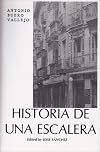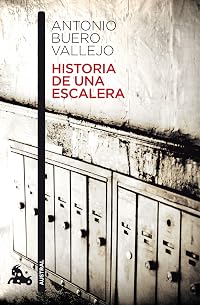
Historia de una escalera
by António Buero Vallejo
On This Page
Description
Three macro trends are changing the marketing landscape and forcing massive change on most organizations: the digitization of media and channels; social media; and the ability for consumers to access media anytime, anywhere. Marketers are responding with data-driven, digital customer strategies and a collective business model transformation. For the first time, marketers are now able to put customers at the core of the business strategy. The challenge, now that there's show more "universal" buy-in on the philosophy, of 'every organization should be "customer-centric" is the "how". How do we successfully implement a comprehensive, data-driven, customer-centric business strategy? The answer is called "Connected CRM", the focus of this book. Customer-centric marketing isn't merely a tactical implementation plan. Executed correctly, it's a fundamental shift in the organization's framework, affecting every department, not just marketing, though it puts marketing at the heart of the business and leadership strategy for the organization. It's a new source of visibility and accountability for the CMO and a new basis of competitive differentiation for the company. CMOs of the future will play a much larger role in all aspects of marketing, sales, service and technology. Through years of work in data-driven customer relationship marketing and observations of successful (and unsuccessful) implementation efforts; Merkle has developed a customer-centricity blueprint for organizations. This book explains how to make it a reality--for sustained competitive advantage. show lessTags
Recommendations



































Member Reviews
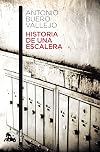
Historia de una escalera (translated as Story of a Staircase) is a powerful Spanish play by Antonio Buero Vallejo, first performed in 1949. It is a realistic and poignant exploration of the lives of ordinary people, focusing on their social struggles, hopes, and disappointments. The play is a vivid portrayal of Spain’s post-Civil War period, depicting the stagnant cycle of life in a working-class neighborhood.
🔹 What’s the Play About?
Set in a building with a single staircase, the play follows three generations of families living in the same apartment complex. Over the course of 30 years, we witness their aspirations, dreams, and personal conflicts unfold. The characters are trapped in their social class, unable to break free from show more the limitations placed on them by society. The staircase, both a literal and metaphorical symbol, represents the obstacles and barriers in their lives.
🔹 Key Themes
🔻 Social Class & Inequality → The play highlights the rigid social structure and class struggles of post-war Spain.
🕰️ Time & Stagnation → The passage of time is central to the narrative, emphasizing how life remains unchanged for the characters despite their dreams.
💔 Disillusionment & Frustration → The characters are full of hope and ambition, but their lives often end in disappointment.
🔄 Generational Cycles → The play illustrates how the struggles of one generation are repeated in the next.
🔹 Pros
✅ A poignant and deeply emotional portrayal of human aspirations and limitations.
✅ Brilliant character development, showing the complexities of everyday life.
✅ Rich social commentary that remains relevant to contemporary society.
🔹 Cons
❌ The slow pacing might feel heavy for some readers or viewers.
❌ The play’s focus on realism may seem too bleak for those seeking lighter stories.
🔹 Final Verdict
Historia de una escalera is a classic of Spanish theatre that offers a powerful critique of social inequality, generational struggles, and the human condition. The symbolism, strong character arcs, and emotional depth make it a compelling and thought-provoking read or performance. If you're interested in plays that explore real-life struggles with honesty and depth, this one is a must-see. show less
🔹 What’s the Play About?
Set in a building with a single staircase, the play follows three generations of families living in the same apartment complex. Over the course of 30 years, we witness their aspirations, dreams, and personal conflicts unfold. The characters are trapped in their social class, unable to break free from show more the limitations placed on them by society. The staircase, both a literal and metaphorical symbol, represents the obstacles and barriers in their lives.
🔹 Key Themes
🔻 Social Class & Inequality → The play highlights the rigid social structure and class struggles of post-war Spain.
🕰️ Time & Stagnation → The passage of time is central to the narrative, emphasizing how life remains unchanged for the characters despite their dreams.
💔 Disillusionment & Frustration → The characters are full of hope and ambition, but their lives often end in disappointment.
🔄 Generational Cycles → The play illustrates how the struggles of one generation are repeated in the next.
🔹 Pros
✅ A poignant and deeply emotional portrayal of human aspirations and limitations.
✅ Brilliant character development, showing the complexities of everyday life.
✅ Rich social commentary that remains relevant to contemporary society.
🔹 Cons
❌ The slow pacing might feel heavy for some readers or viewers.
❌ The play’s focus on realism may seem too bleak for those seeking lighter stories.
🔹 Final Verdict
Historia de una escalera is a classic of Spanish theatre that offers a powerful critique of social inequality, generational struggles, and the human condition. The symbolism, strong character arcs, and emotional depth make it a compelling and thought-provoking read or performance. If you're interested in plays that explore real-life struggles with honesty and depth, this one is a must-see. show less
Un clásico entretenido y ligero que, sin apartar la comedia de su trama, revela la naturaleza de la sociedad española de la época.
Historia muy divertida, con su comedia, pero también con sus momentos tensos
FERNANDO, HIJO. -¡Carmina!
(Aunque esperaba su presencia, ella no puede reprimir un suspiro de susto. Se miran un momento y en seguida ella baja corriendo y se arroja en sus brazos.)
-¡Carmina!...
CARMINA, HIJA. -¡Fernando! Ya ves... Ya ves que no puede ser.
FERNANDO, HIJO. -¡Sí que puede ser! No te dejes vencer por su sordidez. ¿Qué puede haber de común entre ellos y nosotros? ¡Nada! Ellos son viejos y torpes. No comprenden... Yo lucharé para vencer. Lucharé por ti y por mí. Pero tienes que ayudarme, Carmina. Tienes que confiar en mí y en nuestro cariño.
CARMINA, HIJA. -¡No podré!
FERNANDO, HIJO.-Podrás. Podrás... porque yo te lo pido. Tenemos que ser más fuertes que nuestros padres. Ellos se han dejado vencer por la show more vida. Han pasado treinta años subiendo y bajando esta escalera...
Haciéndose cada día más mezquinos y más vulgares. Pero nosotros no nos dejaremos vencer por este ambiente. ¡No! Porque nos marcharemos de aquí. Nos apoyaremos el uno en el otro. Me ayudarás a subir, a dejar para siempre esta casa miserable, estas broncas constantes, estas estrecheces. Me ayudarás, ¿verdad? Dime que sí, por favor. ¡Dímelo!
CARMINA, HIJA. -¡Te necesito, Fernando! ¡No me dejes!
FERNANDO, HIJO. -¡Pequeña!
(Quedan un momento abrazados. Después, él la lleva al primer escalón y la sienta junto a la pared, sentándose a su lado. Se cogen las manos y se miran arrobados.)
-Carmina, voy a empezar en seguida a trabajar por ti. ¡Tengo muchos proyectos!
(CARMINA, la madre, sale de su casa con expresión inquieta los divisa, entre disgustada y angustiada. Ellos no se dan cuenta.)
-Saldré de aquí. Dejaré a mis padres. No los quiero. Y te salvaré a ti. Vendrás conmigo. Abandonaremos este nido de rencores y de brutalidad.
CARMINA, HIJA. -¡Fernando!
(FERNANDO, el padre, que sube la escalera, se detiene,
estupefacto, al entrar en escena.) show less
(Aunque esperaba su presencia, ella no puede reprimir un suspiro de susto. Se miran un momento y en seguida ella baja corriendo y se arroja en sus brazos.)
-¡Carmina!...
CARMINA, HIJA. -¡Fernando! Ya ves... Ya ves que no puede ser.
FERNANDO, HIJO. -¡Sí que puede ser! No te dejes vencer por su sordidez. ¿Qué puede haber de común entre ellos y nosotros? ¡Nada! Ellos son viejos y torpes. No comprenden... Yo lucharé para vencer. Lucharé por ti y por mí. Pero tienes que ayudarme, Carmina. Tienes que confiar en mí y en nuestro cariño.
CARMINA, HIJA. -¡No podré!
FERNANDO, HIJO.-Podrás. Podrás... porque yo te lo pido. Tenemos que ser más fuertes que nuestros padres. Ellos se han dejado vencer por la show more vida. Han pasado treinta años subiendo y bajando esta escalera...
Haciéndose cada día más mezquinos y más vulgares. Pero nosotros no nos dejaremos vencer por este ambiente. ¡No! Porque nos marcharemos de aquí. Nos apoyaremos el uno en el otro. Me ayudarás a subir, a dejar para siempre esta casa miserable, estas broncas constantes, estas estrecheces. Me ayudarás, ¿verdad? Dime que sí, por favor. ¡Dímelo!
CARMINA, HIJA. -¡Te necesito, Fernando! ¡No me dejes!
FERNANDO, HIJO. -¡Pequeña!
(Quedan un momento abrazados. Después, él la lleva al primer escalón y la sienta junto a la pared, sentándose a su lado. Se cogen las manos y se miran arrobados.)
-Carmina, voy a empezar en seguida a trabajar por ti. ¡Tengo muchos proyectos!
(CARMINA, la madre, sale de su casa con expresión inquieta los divisa, entre disgustada y angustiada. Ellos no se dan cuenta.)
-Saldré de aquí. Dejaré a mis padres. No los quiero. Y te salvaré a ti. Vendrás conmigo. Abandonaremos este nido de rencores y de brutalidad.
CARMINA, HIJA. -¡Fernando!
(FERNANDO, el padre, que sube la escalera, se detiene,
estupefacto, al entrar en escena.) show less
VICENS VIVES
SINOPSIS
En una escalera de vecindad se entrecruzan durante treinta años las vida de varias familias. Son personas sencillas, madres y padres que se preocupan por el bienestar de sus hijos jóvenes que anhelan cambiar de mundo y caen en las redes del a mor, ancianos que temen una jubilación con escasos recursos...
Luis Iglesias Feijoo, catedrático de la Universidad de Santiago de Compostela y uno de los más acreditados especialistas en la obra de Buero, ha fijado y anotado minuciosamente el drama y, en un prólogo
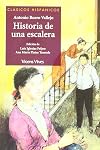
magistral, esclarece todas sus claves de comprensión. El libro se completa con un utilísimo análisis de la obra a cargo de la catedrática de literatura Ana Platas Tasende, y cuenta asimismo con ilustraciones show more en color del artista húngaro Victor Ambrus. show less
SINOPSIS
En una escalera de vecindad se entrecruzan durante treinta años las vida de varias familias. Son personas sencillas, madres y padres que se preocupan por el bienestar de sus hijos jóvenes que anhelan cambiar de mundo y caen en las redes del a mor, ancianos que temen una jubilación con escasos recursos...
Luis Iglesias Feijoo, catedrático de la Universidad de Santiago de Compostela y uno de los más acreditados especialistas en la obra de Buero, ha fijado y anotado minuciosamente el drama y, en un prólogo
magistral, esclarece todas sus claves de comprensión. El libro se completa con un utilísimo análisis de la obra a cargo de la catedrática de literatura Ana Platas Tasende, y cuenta asimismo con ilustraciones show more en color del artista húngaro Victor Ambrus. show less
Es muy entretenido ver como el protagonista intenta ascender de clase social de todas las maneras posibles, la escalera del edificio muestra el paso del tiempo y como ellos van haciendo sus vidas, enamorándose, teniendo sus familias y evolucionando en la vida. Además esta novela es muy corta de leer
Mar 3, 2023Spanish
Members
- Recently Added By
Lists

España en cien libros
100 works; 1 member
Author Information

78 Works 1,479 Members
Awards and Honors
Work Relationships
Is contained in
Common Knowledge
- Dedication*
- dedicado
*Some information comes from Common Knowledge in other languages. Click "Edit" for more information.
Classifications
Statistics
- Members
- 301
- Popularity
- 106,584
- Reviews
- 15
- Rating
- (4.01)
- Languages
- English, Spanish
- Media
- Paper
- ISBNs
- 12
- ASINs
- 3