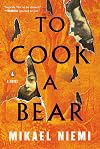
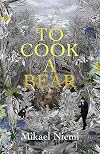
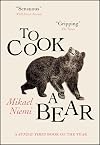
To Cook a Bear
by Mikael Niemi
On This Page
Description
AN INTERNATIONAL BESTSELLERA SUNDAY TIMES UK BEST BOOK OF THE YEAR
LONGLINGSTED FOR THE CWA CRIME FICTION IN TRANSLATION AWARD
“So much to relish here . . . and the writing is just lovely!”
—Diane Setterfield, New York Times bestselling author of The Thirteenth Tale and Once Upon a River
A fantastic tale set in the far north of Sweden in 1852 following a runaway Sami boy and his mentor, the famous pastor Laestadius, as they investigate a murder in their village along with the show more mysteries of life.
Jussi, a runaway, becomes Laestadius's faithful son and disciple, and the two set out on botanical treks filled with philosophical discussions where Jussi learns all about plants and nature; and also how to read and write and about spirituality. But their quiet days are interrupted when a maid goes missing in the forest. When she is found dead, the locals suspect a predatory bear is at large. The constable is quick to offer a reward for capturing it, but Laestadius sees other traces that point to a far worse killer on the loose.
After another maid is severely injured, Jussi and the pastor work to track down the murderer, unaware of the evil that is closing in on them. For it is revivalist times, and impassioned faith spreads like wildfire among the locals. While Laestadius's powerful Sunday sermons grant salvation to farmers and workers, they gain him enemies among local rulers, who see profits dwindle as people choose revival over alcohol.
A completely absorbing and unforgettable novel, To Cook a Bear both entertains and burrows deep down into the great philosophical questions of life. Historical Fiction. Literature. Mythology. Fiction. show less
Tags
Recommendations





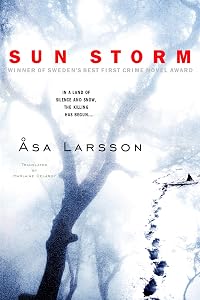


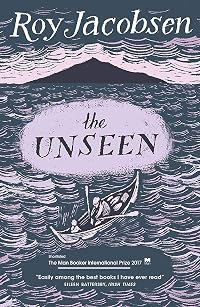


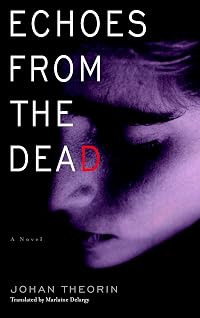






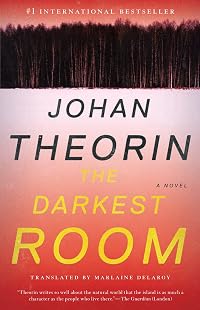





Member Reviews
Early in “To Cook a Bear” (2017), Swedish author Mikael Niemi's amazing novel, one finds a discussion of what makes a person good. Jussi, the outcast boy whom Laestadius, a famous pastor (and true historical figure) has adopted informally as his son, suggests the pastor himself as the model of a good person. The pastor, in turn, points to Jussi. "If you're so quiet that you disappear, how could you be evil?" he says.
This question of what makes a person good or evil becomes a dominant theme in the novel, which is ultimately a murder mystery. Both Jussi and Laestadius are placed in situations where they must do evil deeds for good ends.
The savage killing of the first young woman is blamed on a bear, which is later caught, killed and show more eaten. The pastor, however, notices evidence the sheriff chooses to ignore, evidence that points to a human attacker. Then another girl is assaulted. When she later dies, the sheriff attributes it to suicide. Again the pastor knows better.
Eventually, after the sheriff finally agrees there must be a human culprit, it is Jussi who is arrested, convicted and sentenced to decapitation. When Laestadius identifies the true murderer, the question becomes whether evil is the only way to fight evil. Who then is good?
Niemi writes a beautiful novel, which even in translation often reads like poetry. show less
This question of what makes a person good or evil becomes a dominant theme in the novel, which is ultimately a murder mystery. Both Jussi and Laestadius are placed in situations where they must do evil deeds for good ends.
The savage killing of the first young woman is blamed on a bear, which is later caught, killed and show more eaten. The pastor, however, notices evidence the sheriff chooses to ignore, evidence that points to a human attacker. Then another girl is assaulted. When she later dies, the sheriff attributes it to suicide. Again the pastor knows better.
Eventually, after the sheriff finally agrees there must be a human culprit, it is Jussi who is arrested, convicted and sentenced to decapitation. When Laestadius identifies the true murderer, the question becomes whether evil is the only way to fight evil. Who then is good?
Niemi writes a beautiful novel, which even in translation often reads like poetry. show less
We're in northern Sweden in 1852, within the Artic Circle - an area where Swedes, Finns and the Sami people all live. Revivalist preacher Laestadius, an avid amateur botanist is pastor in a community here, and takes in an abandoned Sami boy, Jussi, who's suffered much abuse and poverty. This pastor is astute and observant - more so than the local sheriff, and it's he who continues his pursuit fo the truth when first, a local girl is killed, then another is grievously attacked: the easy, but incorrect answer is - a bear. The pastor teaches Jussi to read, write and use his brain, and it's largely the boy who tells the story, though he remains, as do the Sami people generally, disregarded and despised by the local community.
This is a good show more story and well told, portraying an isolated community, reliant on gossip, tradition, religion and superstition to get by. There are twists which bring the pastor (who is an actual historical figure) and Jussi into real danger - this is Scandi Noir introduced into the history books. We're introduced to a community living with the knowledge, prejudices and practices of the time: this is no detective story with added costume. Only the ending disappointed me. You'll have to read the book fo yourself to see if you agree with me. show less
This is a good show more story and well told, portraying an isolated community, reliant on gossip, tradition, religion and superstition to get by. There are twists which bring the pastor (who is an actual historical figure) and Jussi into real danger - this is Scandi Noir introduced into the history books. We're introduced to a community living with the knowledge, prejudices and practices of the time: this is no detective story with added costume. Only the ending disappointed me. You'll have to read the book fo yourself to see if you agree with me. show less
Lars Levi Laestadius (1800 – 1861) was a Swedish pastor, botanist and author active in the far north of Sweden, and a key figure in the pietist Lutheran revival movement. He was of Sami descent and had a Sami wife. One of the problems which plagued Sami communities at the time was alcoholism, a scourge which Laestadius had experienced first-hand as the son of an often absent and alcoholic father. Indeed, one of the key aspects of Laestadius’ ministry was its emphasis on teetotalism. This and other factors of the revivalist movement placed him in direct confrontation with the establishment.
Laestadius features as an unlikely detective in Mikael Naemi’s historical novel Koka Björn. A runaway success in the author’s native Sweden, show more the novel is now being published in English as To Cook a Bear, in a masterful translation by Deborah Bragan-Turner.
A milkmaid goes missing in the rural parish where Laestadius ministers to the faithful. All clues point to an attack by a bear, which is captured and killed by the villagers some days later. Laestadius, however, is not convinced. His suspicious are proven correct when attacks on young women resume, despite the bear’s capture. Laestadius uses his keen sense of logic and observation, honed through years of botanical expeditions, as well as his understanding of human nature, to solve the mystery.
It is surprising how, at least in the hands of a good author, the tropes of crime fiction seem never to get old. Sherlock Holmes had his chronicler, Watson, and the concept of a lead investigator and a sidekick is an almost inescapable feature of detective fiction. In Laestadius’ case, the assistant and narrator (at least, for most of the novel) is Jussi, a teenage runaway from the North, to whom the Preacher becomes a mentor. Laestadius is pitted against Sheriff Brahe, who heads the official investigation alongside Constable Michelsson. Unlike Conan Doyle’s Lestrade, however, who is dedicated and determined if no match for Sherlock’s genius, Brahe is both incompetent and sleazy.
There are nods to other well-worn tropes, such as (in one instance) a locked-room mystery of the type which has been puzzling crime readers since the Biblical tale of Bel and the Dragon.
In the crowded market of crime fiction, To Kill a Bear stands out because it has the features of the best historical novels. Rather than being an exotic appendage to the story, the setting becomes one with the reading experience, fuelling the plot, the characters’ motivations and, more importantly, their very thought processes. The real facts of Laestadius’ life are nicely woven into the fiction, and the descriptions – at times a veritable assault on the senses – brilliantly evoke the lives of the villagers with all their challenges and privations. What I liked particularly however is the way in which the novel recreates the mind-set of the era, rather than lazily presenting us with a cast of contemporary characters dressed in fancy historical costume.
There is another intriguing theme running through the novel. Jussi learns to read and write thanks to the pastor’s efforts. As one new to expressing himself in the written word, Jussi frequently digresses into philosophical musings about writing and books, and has conversations with the pastor about the subject. At one stage there is also a quaint meta-fictional passage where the characters discuss the power of books and, self-referentially, whether a time will come when novels “about murder and death… about the effects of wickedness” will become common. The pastor feels that books like these could be dangerous. Jussi begs to disagree. Surely a novel where “you can follow the devil being fought and in the end being wrestled to the ground” could even serve a moral purpose?
As the mood of the novel gets darker and the violence more explicit, one starts wondering whether To Cook a Bear will manage to conclude in a way which fits Jussi’s template of the “righteous crime novel”. I won’t be so mean as to reveal the answer to that.
https://endsoftheword.blogspot.com/2020/10/to-cook-a-bear-by-Mikael-Niemi.html show less
Laestadius features as an unlikely detective in Mikael Naemi’s historical novel Koka Björn. A runaway success in the author’s native Sweden, show more the novel is now being published in English as To Cook a Bear, in a masterful translation by Deborah Bragan-Turner.
A milkmaid goes missing in the rural parish where Laestadius ministers to the faithful. All clues point to an attack by a bear, which is captured and killed by the villagers some days later. Laestadius, however, is not convinced. His suspicious are proven correct when attacks on young women resume, despite the bear’s capture. Laestadius uses his keen sense of logic and observation, honed through years of botanical expeditions, as well as his understanding of human nature, to solve the mystery.
It is surprising how, at least in the hands of a good author, the tropes of crime fiction seem never to get old. Sherlock Holmes had his chronicler, Watson, and the concept of a lead investigator and a sidekick is an almost inescapable feature of detective fiction. In Laestadius’ case, the assistant and narrator (at least, for most of the novel) is Jussi, a teenage runaway from the North, to whom the Preacher becomes a mentor. Laestadius is pitted against Sheriff Brahe, who heads the official investigation alongside Constable Michelsson. Unlike Conan Doyle’s Lestrade, however, who is dedicated and determined if no match for Sherlock’s genius, Brahe is both incompetent and sleazy.
There are nods to other well-worn tropes, such as (in one instance) a locked-room mystery of the type which has been puzzling crime readers since the Biblical tale of Bel and the Dragon.
In the crowded market of crime fiction, To Kill a Bear stands out because it has the features of the best historical novels. Rather than being an exotic appendage to the story, the setting becomes one with the reading experience, fuelling the plot, the characters’ motivations and, more importantly, their very thought processes. The real facts of Laestadius’ life are nicely woven into the fiction, and the descriptions – at times a veritable assault on the senses – brilliantly evoke the lives of the villagers with all their challenges and privations. What I liked particularly however is the way in which the novel recreates the mind-set of the era, rather than lazily presenting us with a cast of contemporary characters dressed in fancy historical costume.
There is another intriguing theme running through the novel. Jussi learns to read and write thanks to the pastor’s efforts. As one new to expressing himself in the written word, Jussi frequently digresses into philosophical musings about writing and books, and has conversations with the pastor about the subject. At one stage there is also a quaint meta-fictional passage where the characters discuss the power of books and, self-referentially, whether a time will come when novels “about murder and death… about the effects of wickedness” will become common. The pastor feels that books like these could be dangerous. Jussi begs to disagree. Surely a novel where “you can follow the devil being fought and in the end being wrestled to the ground” could even serve a moral purpose?
As the mood of the novel gets darker and the violence more explicit, one starts wondering whether To Cook a Bear will manage to conclude in a way which fits Jussi’s template of the “righteous crime novel”. I won’t be so mean as to reveal the answer to that.
https://endsoftheword.blogspot.com/2020/10/to-cook-a-bear-by-Mikael-Niemi.html show less
Lars Levi Laestadius (1800 – 1861) was a Swedish pastor, botanist and author active in the far north of Sweden, and a key figure in the pietist Lutheran revival movement. He was of Sami descent and had a Sami wife. One of the problems which plagued Sami communities at the time was alcoholism, a scourge which Laestadius had experienced first-hand as the son of an often absent and alcoholic father. Indeed, one of the key aspects of Laestadius’ ministry was its emphasis on teetotalism. This and other factors of the revivalist movement placed him in direct confrontation with the establishment.
Laestadius features as an unlikely detective in Mikael Naemi’s historical novel Koka Björn. A runaway success in the author’s native Sweden, show more the novel is now being published in English as To Cook a Bear, in a masterful translation by Deborah Bragan-Turner.
A milkmaid goes missing in the rural parish where Laestadius ministers to the faithful. All clues point to an attack by a bear, which is captured and killed by the villagers some days later. Laestadius, however, is not convinced. His suspicious are proven correct when attacks on young women resume, despite the bear’s capture. Laestadius uses his keen sense of logic and observation, honed through years of botanical expeditions, as well as his understanding of human nature, to solve the mystery.
It is surprising how, at least in the hands of a good author, the tropes of crime fiction seem never to get old. Sherlock Holmes had his chronicler, Watson, and the concept of a lead investigator and a sidekick is an almost inescapable feature of detective fiction. In Laestadius’ case, the assistant and narrator (at least, for most of the novel) is Jussi, a teenage runaway from the North, to whom the Preacher becomes a mentor. Laestadius is pitted against Sheriff Brahe, who heads the official investigation alongside Constable Michelsson. Unlike Conan Doyle’s Lestrade, however, who is dedicated and determined if no match for Sherlock’s genius, Brahe is both incompetent and sleazy.
There are nods to other well-worn tropes, such as (in one instance) a locked-room mystery of the type which has been puzzling crime readers since the Biblical tale of Bel and the Dragon.
In the crowded market of crime fiction, To Kill a Bear stands out because it has the features of the best historical novels. Rather than being an exotic appendage to the story, the setting becomes one with the reading experience, fuelling the plot, the characters’ motivations and, more importantly, their very thought processes. The real facts of Laestadius’ life are nicely woven into the fiction, and the descriptions – at times a veritable assault on the senses – brilliantly evoke the lives of the villagers with all their challenges and privations. What I liked particularly however is the way in which the novel recreates the mind-set of the era, rather than lazily presenting us with a cast of contemporary characters dressed in fancy historical costume.
There is another intriguing theme running through the novel. Jussi learns to read and write thanks to the pastor’s efforts. As one new to expressing himself in the written word, Jussi frequently digresses into philosophical musings about writing and books, and has conversations with the pastor about the subject. At one stage there is also a quaint meta-fictional passage where the characters discuss the power of books and, self-referentially, whether a time will come when novels “about murder and death… about the effects of wickedness” will become common. The pastor feels that books like these could be dangerous. Jussi begs to disagree. Surely a novel where “you can follow the devil being fought and in the end being wrestled to the ground” could even serve a moral purpose?
As the mood of the novel gets darker and the violence more explicit, one starts wondering whether To Cook a Bear will manage to conclude in a way which fits Jussi’s template of the “righteous crime novel”. I won’t be so mean as to reveal the answer to that.
https://endsoftheword.blogspot.com/2020/10/to-cook-a-bear-by-Mikael-Niemi.html show less
Laestadius features as an unlikely detective in Mikael Naemi’s historical novel Koka Björn. A runaway success in the author’s native Sweden, show more the novel is now being published in English as To Cook a Bear, in a masterful translation by Deborah Bragan-Turner.
A milkmaid goes missing in the rural parish where Laestadius ministers to the faithful. All clues point to an attack by a bear, which is captured and killed by the villagers some days later. Laestadius, however, is not convinced. His suspicious are proven correct when attacks on young women resume, despite the bear’s capture. Laestadius uses his keen sense of logic and observation, honed through years of botanical expeditions, as well as his understanding of human nature, to solve the mystery.
It is surprising how, at least in the hands of a good author, the tropes of crime fiction seem never to get old. Sherlock Holmes had his chronicler, Watson, and the concept of a lead investigator and a sidekick is an almost inescapable feature of detective fiction. In Laestadius’ case, the assistant and narrator (at least, for most of the novel) is Jussi, a teenage runaway from the North, to whom the Preacher becomes a mentor. Laestadius is pitted against Sheriff Brahe, who heads the official investigation alongside Constable Michelsson. Unlike Conan Doyle’s Lestrade, however, who is dedicated and determined if no match for Sherlock’s genius, Brahe is both incompetent and sleazy.
There are nods to other well-worn tropes, such as (in one instance) a locked-room mystery of the type which has been puzzling crime readers since the Biblical tale of Bel and the Dragon.
In the crowded market of crime fiction, To Kill a Bear stands out because it has the features of the best historical novels. Rather than being an exotic appendage to the story, the setting becomes one with the reading experience, fuelling the plot, the characters’ motivations and, more importantly, their very thought processes. The real facts of Laestadius’ life are nicely woven into the fiction, and the descriptions – at times a veritable assault on the senses – brilliantly evoke the lives of the villagers with all their challenges and privations. What I liked particularly however is the way in which the novel recreates the mind-set of the era, rather than lazily presenting us with a cast of contemporary characters dressed in fancy historical costume.
There is another intriguing theme running through the novel. Jussi learns to read and write thanks to the pastor’s efforts. As one new to expressing himself in the written word, Jussi frequently digresses into philosophical musings about writing and books, and has conversations with the pastor about the subject. At one stage there is also a quaint meta-fictional passage where the characters discuss the power of books and, self-referentially, whether a time will come when novels “about murder and death… about the effects of wickedness” will become common. The pastor feels that books like these could be dangerous. Jussi begs to disagree. Surely a novel where “you can follow the devil being fought and in the end being wrestled to the ground” could even serve a moral purpose?
As the mood of the novel gets darker and the violence more explicit, one starts wondering whether To Cook a Bear will manage to conclude in a way which fits Jussi’s template of the “righteous crime novel”. I won’t be so mean as to reveal the answer to that.
https://endsoftheword.blogspot.com/2020/10/to-cook-a-bear-by-Mikael-Niemi.html show less
1852 in the wilds of Northern Sweden and the Revivalist preacher Lars Levi Laestadius finds a murderer on his doorstep. A young woman has been killed and the local Sheriff believes that a bear was responsible, Laestadius knows better, it is a 'bear in human form'. When another woman is attacked suspicion falls upon an itinerant artist but then he is killed and Laestadius' servant, an orphan Sami boy called Jussi is beaten badly. Will justice prevail?
This is a haunting book, the imagination of the lives of the should clinging to survival in the far north are beautifully imagined. The fears of the society and closeness of pagan beliefs are intense. Built into this is a crime novel but one in which justice doesn't appear to exist. I show more thoroughly enjoyed the story and actually only found out that Laestadius was a real historical character in the endnotes which made it even more satisfying. show less
This is a haunting book, the imagination of the lives of the should clinging to survival in the far north are beautifully imagined. The fears of the society and closeness of pagan beliefs are intense. Built into this is a crime novel but one in which justice doesn't appear to exist. I show more thoroughly enjoyed the story and actually only found out that Laestadius was a real historical character in the endnotes which made it even more satisfying. show less
Set in Swedish Lappland in 1850, this crime novel features the real-life naturalist and revivalist preacher Lars Levi Laestadius.
The preacher takes in a runaway Sami boy, child of drunken and abusive parents. Both he and the child face public opprobium- the child for his strangeness, the preacher for his efforts to promote teetotalism.
And then a young farm girl is found killed...by a bear? But other deaths follow, and it seems the killer is in their midst.
With Laestadius bringing his minute scientific observations to try to discen the culprit...but with a dull witted and obstreperous local sherif hampering justice...this is nevertheless so much more than a whodunnit.
Read the whole thing in a day and a half- you cant put it down!
The preacher takes in a runaway Sami boy, child of drunken and abusive parents. Both he and the child face public opprobium- the child for his strangeness, the preacher for his efforts to promote teetotalism.
And then a young farm girl is found killed...by a bear? But other deaths follow, and it seems the killer is in their midst.
With Laestadius bringing his minute scientific observations to try to discen the culprit...but with a dull witted and obstreperous local sherif hampering justice...this is nevertheless so much more than a whodunnit.
Read the whole thing in a day and a half- you cant put it down!
DNF. p.112. Lost interest.
Members
- Recently Added By
Published Reviews
ThingScore 100
De Zweedse schrijver Mikael Niemi kun je inmiddels wel betitelen als de chroniquer van het leven in het uiterste noorden van Zweden en dan met name van het gedeelte van Lapland dat op het grensgebied ligt met Finland. Zelf is hij geboren en getogen in het plaatsje Pajala dat in het gebied ligt. Niemi is dat ook bij uitstek geschikt om te kunnen invoelen hoe het is om te leven in dit zeer dun show more bevolkte gebied waar de winters extreem koud en donker zijn en de zon in de zomer niet of nauwelijks achter de horizon verdwijnt…lees verder > show less
added by Jordaan
«Koke bjørn»: Uventet spennende
Et originalt krimmysterium driver fortellingen fram. Men det er Mikael Niemis tanker om fortelling og verdighet som virkelig gjør «Koke bjørn» verdt tida.
Et originalt krimmysterium driver fortellingen fram. Men det er Mikael Niemis tanker om fortelling og verdighet som virkelig gjør «Koke bjørn» verdt tida.
added by annek49
Vekkelsespredikanten er detektiv i Mikael Niemis nye roman
Mikael Niemi er på sitt beste i en fascinerende roman som lar mordmysterier og litterære erfaringer gå opp i en høyere enhet.
Mikael Niemi er på sitt beste i en fascinerende roman som lar mordmysterier og litterære erfaringer gå opp i en høyere enhet.
added by annek49
Lists

EU Fiction: 1950-2022
223 works; 70 members

Netgalley Reads
460 works; 3 members

Western & Northern Europe
60 works; 1 member

A Smorgasbord of Culinary Fiction
221 works; 94 members
Best Mysteries With a Historical Setting
292 works; 160 members

Favorite Books in Translation
320 works; 133 members
Author Information

All Editions
Some Editions
Awards and Honors
Awards
Common Knowledge
- Canonical title
- To Cook a Bear
- Original title
- Koka björn
- Alternate titles
- Ugotować niedźwiedzia
- Original publication date
- 2017; 2020 (English) (English)
- People/Characters
- Jussi; Lars Levi Laestadius
- Important places
- Pajala
- First words
- I wake to a complete absence of sound in a world biding its time before coming to life.
- Last words
- (Click to show. Warning: May contain spoilers.)The snow covers all our tracks.
- Original language
- Swedish
Classifications
- Genres
- Fiction and Literature, General Fiction, Mystery, Historical Fiction
- DDC/MDS
- 839.738 — Literature & rhetoric German & related literatures Other Germanic literatures Swedish literature Swedish fiction 2000-
- LCC
- PT9876.24 .I29 — Language and Literature German, Dutch and Scandinavian literatures Swedish literature Individual authors or works 1961-2000
- BISAC
Statistics
- Members
- 249
- Popularity
- 130,423
- Reviews
- 10
- Rating
- (4.10)
- Languages
- 12 — Czech, Danish, Dutch, English, Finnish, French, German, Italian, Polish, Russian, Spanish, Swedish
- Media
- Paper, Audiobook, Ebook
- ISBNs
- 30
- ASINs
- 8