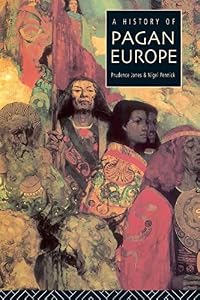
A History of Pagan Europe
by Prudence Jones, Nigel Pennick
On This Page
Description
The first comprehensive study of its kind, this fully illustrated book establishes Paganism as a persistent force in European history with a profound influence on modern thinking. From the serpent goddesses of ancient Crete to modern nature-worship and the restoration of the indigenous religions of eastern Europe, this wide-ranging book offers a rewarding new perspective of European history. In this definitive study, Prudence Jones and Nigel Pennick draw together the fragmented sources of show more Europe's native religions and establish the coherence and continuity of the Pagan world vision. Exploring Paganism as it developed from the ancient world through the Celtic and Germanic periods, the authors finally appraise modern Paganism and its apparent causes as well as addressing feminist spirituality, the heritage movement, nature-worship and `deep' ecology This innovative and comprehensive history of European Paganism will provide a stimulating, reliable guide to this popular dimension of religious culture for the academic and the general reader alike. show lessTags
Recommendations








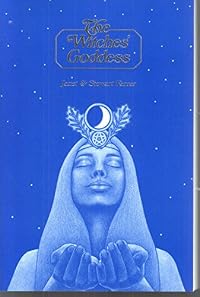


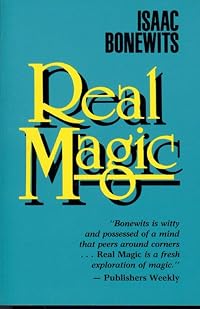
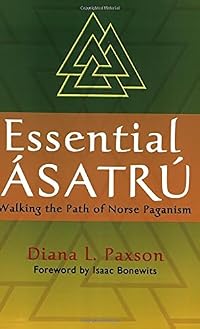
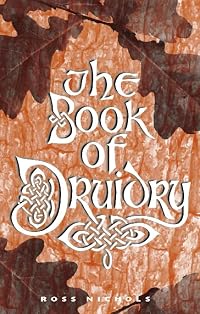



Member Recommendations
Member Reviews
I LOVE this book. It functions as a 400 page knockout punch to the concept that folk religion is dead in Europe by going section by section through the pagan practices and their lasing impact on the entire continent. Other reviews say this book is too obviously pagan; they are correct. It is probably very obnoxious if you are not pagan. That's blindingly undeniable.
Encyclopedic and sometimes turgid, A History of Pagan Europe nonetheless details some all but forgotten details of pre-Christian life throughout Europe. It also does a good job of describing the battles between Christianity and Paganism for control of the continent. The book simply lacks the sweep, however, of something like The Golden Bough, through which readers interested in the historical transformation of societies would much more profit.
I'm always a little leery of historians with an obvious axe to grind, and the authors of this book - better known for a series of New Age and Wiccan publications - definitely qualify. I think they overcompensated for their bias by being as dry and academic as humanly possible, thus rendering their legitimately interesting subject matter into a painful and tedious slog. If you can get past these two rather large hurdles, you will find a wealth of rewarding historical detail here, and a surprising look at European history for those of us who accepted without question that paganism was pretty much finished with the conversion of Constantine. Sorry, that sentence got really long.
A very enlightening book and one that is relatively easy to read and comprehend as well as being very informative. The combination of historical movement, settlement and cultural morphing gives a great deal of insight as to the formation of not only languages but cultures that exist even unto this day. The influences of the various European major empires and peoples that have shaped so much of what we now recognize is exposed with both the positive and negative trends that occurred at the period and reinforced the literature theory with archeological findings.
I wish that I had read this book before Puvhel’s work because it clarified a lot of what he stated and made a more complete picture of European configuration as a whole entity. show more Not only does it explain how the establishment of the beliefs and deities came about it also shows the foundation of modern cultures and their development thus allowing the reader to comprehend why there are similarities and disparities within small geographic areas.
An area of particular interest to me was how the Roman Empire attempted to influence the Celtic world by adding the names of Roman deities to existing Celtic ones, as if this would bring the local populace into conformity with the will of Rome automatically. This tactic ultimately failed because the peoples overtly feigned obeisance while covertly continued with their own established religious practices, a trend that continued for several centuries. It was of further interest to me in the influence of the Germanic and Norse invaders into the British Isles and how their deities and practices became assimilated. This was perhaps because of the pan-Celtic convictions of earlier times and the recognizing of familial deities.
One area that struck me as vastly different to Puhvel’s was the space dedicated to explaining the festivals and the deities that were worshipped, the associated calendars and the customs that were practiced during these festivals. This all provides a clear and distinct insight into the peoples and their daily lives as well as their beliefs. The continuation of these practices and eventual assimilation by the Christian churches gives indication of the strength of devout belief. A fascinating corollary is the full acceptance of Pagan deities with sainthoods by the Roman church such as St. Bridgit. Jones and Pennick state on page 110 that, “…Pagan ceremonies have continued until the present time. A few of them have continued directly, and others have been amalgamated with Christianity, and yet more have turned into folklore…” which gives the reader a depth of knowledge and understanding of how lives have evolved while retention of Pagan beliefs has morphed into acceptance in one fashion of another.
It is in my nature to retain books that I find myself constantly referring to for information and using as a resource for understanding. A work such as this falls into this category and I have in my own enigmatical manner annotated this book to suit my own purposes and aid in research areas that I find fascinating. I suppose others may not be so analytical and dependent upon resources as myself but for easy to understand and clear comprehensive analysis this book is hard to beat. It has an easy flow with logical sequencing, a broad overview of both insular and continental structures, archeological and geographical references that make the reader instantly immersed in the time and place of the specific culture being examined. I can easily understand why this book is on the suggested reading list and when using it as a companion to Puhvel’s it becomes an invaluable tool for the student of Pagan European studies. show less
I wish that I had read this book before Puvhel’s work because it clarified a lot of what he stated and made a more complete picture of European configuration as a whole entity. show more Not only does it explain how the establishment of the beliefs and deities came about it also shows the foundation of modern cultures and their development thus allowing the reader to comprehend why there are similarities and disparities within small geographic areas.
An area of particular interest to me was how the Roman Empire attempted to influence the Celtic world by adding the names of Roman deities to existing Celtic ones, as if this would bring the local populace into conformity with the will of Rome automatically. This tactic ultimately failed because the peoples overtly feigned obeisance while covertly continued with their own established religious practices, a trend that continued for several centuries. It was of further interest to me in the influence of the Germanic and Norse invaders into the British Isles and how their deities and practices became assimilated. This was perhaps because of the pan-Celtic convictions of earlier times and the recognizing of familial deities.
One area that struck me as vastly different to Puhvel’s was the space dedicated to explaining the festivals and the deities that were worshipped, the associated calendars and the customs that were practiced during these festivals. This all provides a clear and distinct insight into the peoples and their daily lives as well as their beliefs. The continuation of these practices and eventual assimilation by the Christian churches gives indication of the strength of devout belief. A fascinating corollary is the full acceptance of Pagan deities with sainthoods by the Roman church such as St. Bridgit. Jones and Pennick state on page 110 that, “…Pagan ceremonies have continued until the present time. A few of them have continued directly, and others have been amalgamated with Christianity, and yet more have turned into folklore…” which gives the reader a depth of knowledge and understanding of how lives have evolved while retention of Pagan beliefs has morphed into acceptance in one fashion of another.
It is in my nature to retain books that I find myself constantly referring to for information and using as a resource for understanding. A work such as this falls into this category and I have in my own enigmatical manner annotated this book to suit my own purposes and aid in research areas that I find fascinating. I suppose others may not be so analytical and dependent upon resources as myself but for easy to understand and clear comprehensive analysis this book is hard to beat. It has an easy flow with logical sequencing, a broad overview of both insular and continental structures, archeological and geographical references that make the reader instantly immersed in the time and place of the specific culture being examined. I can easily understand why this book is on the suggested reading list and when using it as a companion to Puhvel’s it becomes an invaluable tool for the student of Pagan European studies. show less
Balanced and well written encompasing most of western Europe, both authors are well versed in their subject choice.
Dropped and shelved upon reading page 4, the modernist pseudo-religion known as wicca is not a continuation of the ancient European faith and it is not "modern-day paganism".
Comprehensive but dry. And it has an index.
Members
- Recently Added By
Author Information
4+ Works 938 Members

84+ Works 3,419 Members
Nigel Pennick is an authority on ancient belief systems, traditions, runes, and geomancy and has traveled and lectured extensively in Europe and the United States. He is the author and illustrator of more than 50 books, including The Pagan Book of Days. The founder of the Institute of Geomantic Research and the Library of the European Tradition, show more he lives near Cambridge, England. show less
Common Knowledge
- Canonical title
- A History of Pagan Europe
- Original title
- A History of Pagan Europe
- Original publication date
- 1995
- Important places
- Europe
- First words
- I this book we describe the hidden history of Europe, the persistence of its native religion in various forms of ancient times right up to the present day.
- Last words
- (Click to show. Warning: May contain spoilers.)A new growth needs roots as well as blossoms, and we hope to have cut away some of the undergroeth which has entangled the current rejuvenation of an old and honorable stock
- Original language
- English
Classifications
- Genres
- Nonfiction, Religion & Spirituality, History, Anthropology, General Nonfiction
- DDC/MDS
- 200.94 — Religion The Bible & Christianity Religion History, geographic treatment, biography Europe
- LCC
- BL689 .J66 — Philosophy, Psychology and Religion Religions. Mythology. Rationalism Religions. Mythology. Rationalism History and principles of religions European. Occidental
- BISAC
Statistics
- Members
- 832
- Popularity
- 32,865
- Reviews
- 8
- Rating
- (3.64)
- Languages
- English, Estonian, German, Portuguese
- Media
- Paper, Ebook
- ISBNs
- 13
- ASINs
- 4