On This Page
Description
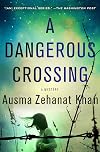
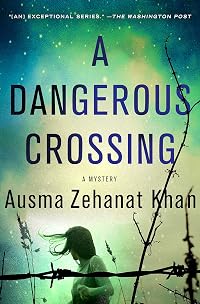
In the next book in Ausma Khan's powerful, critically acclaimed series, Muslim detective Esa Khattak and his partner, Rachel Getty, travel across Europe in search of an old friend, who's gone missing while working to help expedite immigration for Syrian refugees in Greece. The Syrian refugee crisis becomes personal for Inspector Esa Khattak and Sergeant Rachel Getty when they are called in to search for a missing Canadian volunteer. Nathan Clare's sister, Audrey, has vanished from the Greek show more islands, where she was working to fast-track refugees to Canada. What's more, she's implicated in the double murder of a French Interpol agent and a young man who'd fled to Greece from the devastated city of Aleppo. Esa and Rachel stand in for their government as they follow a trail that takes them from Greece to the Turkish-Syrian border, to England, Holland and France. Did Audrey Clare get in over her head? Or did she discover something about the dangers of the refugee route that put a target on her back? Working against time, with Interpol at their backs, Esa and Rachel must find Audrey Clare and uncover the truth about the double murder. show lessTags
Recommendations













Member Reviews
ausma zehanat khan holds a Ph.D. in international human rights law, with a research specialization in military intervention and war crimes in the balkans. in each of her novels in the getty & khattak series she brings her experiences into her stories. though the characters are based in toronto, their work, khan's mysteries, have taken readers to bosnia, and iran, and examined radical islamists in canada. in this new story, getty & khattak travel to greece in search of a canadian NGO worker who has vanished from a syrian refugee camp - we are given a very up close experience of the syrian crisis in all its horrors.
as with her past novels in the series, there are heartbreaking moments, yet the astounding strength and perseverance of the show more human sprit shines through. i really enjoy khan's style of storytelling. in bringing such difficult subjects to life, she displays incredible kindness and sensitivity. her characters are flawed and evolving, and her settings are vividly brought to life. while the mysteries anchor each story, these books are as much about the characters as they are about solving crimes. i do feel a dangerous crossing wobbled a little bit with the esa and sehr storyline, but it will be interesting to see how this plays out. (i suggest reading the series in order as histories are built upon, and certain aspects carry forward from one book to the next.) i often feel that the character of esa khattak reminds me of louise penny's wonderful armand gamache. if you are a fan of the three pines series, i think you will enjoy the getty & khattak series too. (with one caveat: the supporting cast in khan's books aren't as large a presence, and are not as quirktastic as penny's.)
we often hear about the ability of fiction to improve empathy in readers and i feel like this is something khan takes seriously. khan includes informative afterwords in each of her books, which help anchor her fiction in reality, and add depth to the reading experience - i always find these sections of her work fascinating and helpful. show less
as with her past novels in the series, there are heartbreaking moments, yet the astounding strength and perseverance of the show more human sprit shines through. i really enjoy khan's style of storytelling. in bringing such difficult subjects to life, she displays incredible kindness and sensitivity. her characters are flawed and evolving, and her settings are vividly brought to life. while the mysteries anchor each story, these books are as much about the characters as they are about solving crimes. i do feel a dangerous crossing wobbled a little bit with the esa and sehr storyline, but it will be interesting to see how this plays out. (i suggest reading the series in order as histories are built upon, and certain aspects carry forward from one book to the next.) i often feel that the character of esa khattak reminds me of louise penny's wonderful armand gamache. if you are a fan of the three pines series, i think you will enjoy the getty & khattak series too. (with one caveat: the supporting cast in khan's books aren't as large a presence, and are not as quirktastic as penny's.)
we often hear about the ability of fiction to improve empathy in readers and i feel like this is something khan takes seriously. khan includes informative afterwords in each of her books, which help anchor her fiction in reality, and add depth to the reading experience - i always find these sections of her work fascinating and helpful. show less
This is the fourth full length novel in Khan’s Esa Khattak & Rachel Getty mystery series, and quite possibly the best. It certainly is the most heartbreaking. Like her previous novels, the mystery is set against a backdrop of a humanitarian crisis. The Unquiet Dead dealt with the aftermath of the Srebrenica massacre, The Language of Secret with stopping a terror attack on Canadian soil, Among the Ruins discusses the Iranian regime and their torture of political dissidents, and this book brings the Syrian crisis into full view. It is devastating.
It is difficult for me to separate feelings about the book from feelings about the events in Syria and the plight of the Syrian people, both as refugees fleeing their homeland and those left show more behind. Khan has a PhD in International Human Rights Law and you can tell this is something she cares about deeply. Her characters care deeply and as a reader, you can’t help but care, too.
We’re given more insight into the main characters, their personal lives, including budding romance, but at no point does it overwhelm the greater narrative. As always, there are multiple layers of complexity to the story and nothing is as simple as it seems on the surface. I love that. I don’t want to give anything away, so I’ll just say have a box of tissues with you while you read, but know that even in the darkness, there is light, and be prepared to be angry enough to need to take action. Find the helpers, as believe Mr. Rogers said, and join them. That’s my plan. show less
It is difficult for me to separate feelings about the book from feelings about the events in Syria and the plight of the Syrian people, both as refugees fleeing their homeland and those left show more behind. Khan has a PhD in International Human Rights Law and you can tell this is something she cares about deeply. Her characters care deeply and as a reader, you can’t help but care, too.
We’re given more insight into the main characters, their personal lives, including budding romance, but at no point does it overwhelm the greater narrative. As always, there are multiple layers of complexity to the story and nothing is as simple as it seems on the surface. I love that. I don’t want to give anything away, so I’ll just say have a box of tissues with you while you read, but know that even in the darkness, there is light, and be prepared to be angry enough to need to take action. Find the helpers, as believe Mr. Rogers said, and join them. That’s my plan. show less
"In the glare of the volunteers' flashlights, Rachel had her first look at a boat arriving from Turkey. It was a small rubber craft designed for twenty people, but double that number were crammed aboard, sitting on each other's laps, children packed into the middle, silent and numb with cold. A few of the older boys who could swim were clinging to the sides of the boat, treading water to prevent the boat from sinking under the weight of such a load. Families were squeezed together--the elderly, the middle-aged, the young--small children and babies gripped in their mothers' arms." (169)
The Canadian Community Police duo of Detective Esa Khattak and Sergeant Rachel Getty travel to the Greek island of Lesvos, the base of a huge refugee camp show more of displaced Syrians and others in the region fleeing for their lives. While Esa and Rachel are concerned about the humanitarian crisis, they have been sent to find out what happened to Audrey Clare. She just happens to be Esa's best friend's sister so the search is both a police and a personal matter. Audrey was last seen running from her tent, which headquartered the privately sponsored Women2Women Organization she supported, after an Interpol leader and a refugee were shot and killed there. This first-rate mystery/suspense novel is No. 4 in the series. It's best to read them in order because A Dangerous Crossing goes back to previous events and relationships with little in the way of explanation.
I have learned much about the world of refugees and injustices from this series. Esa is a practicing Muslim, and the author shows the religion at its best and worst. Ms. Kahn has credibility with her doctorate in International Human Rights Law and compassion for refugees. This book showcases the tragedy in Syria under the Assad regime that has resulted in the overcrowded camps in Europe where people exist with little hope for the future. Be certain to read the Author's Note at the end of the book to get more insight into the complicated ongoing situation in the Middle East. show less
The Canadian Community Police duo of Detective Esa Khattak and Sergeant Rachel Getty travel to the Greek island of Lesvos, the base of a huge refugee camp show more of displaced Syrians and others in the region fleeing for their lives. While Esa and Rachel are concerned about the humanitarian crisis, they have been sent to find out what happened to Audrey Clare. She just happens to be Esa's best friend's sister so the search is both a police and a personal matter. Audrey was last seen running from her tent, which headquartered the privately sponsored Women2Women Organization she supported, after an Interpol leader and a refugee were shot and killed there. This first-rate mystery/suspense novel is No. 4 in the series. It's best to read them in order because A Dangerous Crossing goes back to previous events and relationships with little in the way of explanation.
I have learned much about the world of refugees and injustices from this series. Esa is a practicing Muslim, and the author shows the religion at its best and worst. Ms. Kahn has credibility with her doctorate in International Human Rights Law and compassion for refugees. This book showcases the tragedy in Syria under the Assad regime that has resulted in the overcrowded camps in Europe where people exist with little hope for the future. Be certain to read the Author's Note at the end of the book to get more insight into the complicated ongoing situation in the Middle East. show less
Reposted with permission from Reviewing the Evidence.
Ausma Zehanat Khan holds a doctorate in the theme of her mystery series - international human rights law. So far this excellent series has taken readers into the painful history of ethnic cleansing in Bosnia, among radical Islamists in Canada, and into the lives of dissidents in Iran. In the fourth entry in the series, we travel with her detectives, Esa Khattak and Rachel Getty, from Canada to Greece in search of a woman who has vanished from a refugee camp under suspicious circumstances.
Audrey Clare runs an NGO assisting women refugees with funds from a family fortune controlled by her brother Nathan, a close friend of Khattak and Getty. Greek authorities and Interpol are also show more looking for her, given two people – an Interpol agent and a young Syrian refugee – were found in her tent, shot dead with the gun Nathan had given her for self-protection. As Khattak and Getty try to reconstruct Audrey's last travels, they follow a confusing trail leading to Brussels and the Netherlands as well as to a heavily-guarded refugee camp in Turkey near the Syrian border. They also need to find out why she fought so hard to gain asylum status for the murdered Syrian boy whose relatives in Canada, refugees themselves, deny knowing.
This series, remarkable for its intelligent and sensitive use of stories that could be ripped from the headlines if we were paying attention, turns human rights issues into compelling fiction. Though this entry has some minor flaws – it's slow to start and the fraught interpersonal relationships aren't nearly as interesting as the investigation – readers will gain a vivid sense of the human experience of the refugee crisis and the violent circumstances that send people fleeing the home they love. Khan is not one to provide simple answers, but she does a wonderful job of finding humanity in world events and bringing it to life on the page. show less
Ausma Zehanat Khan holds a doctorate in the theme of her mystery series - international human rights law. So far this excellent series has taken readers into the painful history of ethnic cleansing in Bosnia, among radical Islamists in Canada, and into the lives of dissidents in Iran. In the fourth entry in the series, we travel with her detectives, Esa Khattak and Rachel Getty, from Canada to Greece in search of a woman who has vanished from a refugee camp under suspicious circumstances.
Audrey Clare runs an NGO assisting women refugees with funds from a family fortune controlled by her brother Nathan, a close friend of Khattak and Getty. Greek authorities and Interpol are also show more looking for her, given two people – an Interpol agent and a young Syrian refugee – were found in her tent, shot dead with the gun Nathan had given her for self-protection. As Khattak and Getty try to reconstruct Audrey's last travels, they follow a confusing trail leading to Brussels and the Netherlands as well as to a heavily-guarded refugee camp in Turkey near the Syrian border. They also need to find out why she fought so hard to gain asylum status for the murdered Syrian boy whose relatives in Canada, refugees themselves, deny knowing.
This series, remarkable for its intelligent and sensitive use of stories that could be ripped from the headlines if we were paying attention, turns human rights issues into compelling fiction. Though this entry has some minor flaws – it's slow to start and the fraught interpersonal relationships aren't nearly as interesting as the investigation – readers will gain a vivid sense of the human experience of the refugee crisis and the violent circumstances that send people fleeing the home they love. Khan is not one to provide simple answers, but she does a wonderful job of finding humanity in world events and bringing it to life on the page. show less
This is the fourth book in the series featuring Inspector Esa Khattak and Sgt. Rachel Getty. This time the two go to Greece to look for Audrey Clare, the sister of Esa’s friend Nathan Clare, who has gone missing
while helping to resettle Syrian refugees. Two bodies were found in the offices of her NGO so did Audrey go into hiding in fear for her life or did she run after murdering two people or was she abducted?
The mystery of Audrey’s disappearance is sufficiently interesting, but it is not difficult to guess the ultimate outcome of the investigation. Often the ongoing humanitarian crisis takes the spotlight of the narrative. There is a great deal of information about Assad’s brutality against Syrians, the plight of the refugees, show more and the reaction and inaction of various countries to the crisis. There is no doubt that the author has done her research; a list of books and websites is recommended at the end. I recently read The Lightless Sky by Gulwali Passarlay, a book which recounts the year-long journey of a 12-year-old Afghani refugee; A Dangerous Crossing touches on many of the issues found in the non-fiction book. For example, Passarlay concludes that human smuggling has “a highly organized infrastructure” and Khan echoes with the statement that “The point is, all of this is a very big operation, a wellcoordinated operation.”
The problem is that the book is sometimes bogged down by lengthy passages of exposition that would be more appropriate in an essay: “Assad was engaged in a wholesale slaughter of his people. Set aside for the moment the destruction of Syria’s cities: their colleges, hospitals, and schools, their mosques and ancient souks. Even if that wasn’t totted up in a column of unthinkable loss, there was the question of Syria’s people. Syria had been a nation of twenty-two million. Fully half that population was displaced; seven million internally, while five million had fled Assad’s incalculable violence. The abject misery of Syria’s prison system needed to be weighed on a separate scale of horrors.”
Though this book can be read as a standalone, I would strongly recommend that it be read in the proper sequence. The relationships among the characters will be much better understood if the previous three books in the series have been read. All the investigations of these prior installments are mentioned. For instance, the Drayton inquiry is alluded to at least four times; that is the case in the first book, The Unquiet Dead. There are seven references to Algonquin, a setting which features prominently in the second book, The Language of Secrets. There are at least a dozen references to the case in Iran; this case is the focus of the third book, Among the Ruins. In A Dangerous Crossing, characters like Hassan and Laine are discussed with virtually no explanation; these references will mean nothing to readers who have not read the other novels.
And these personal relationships are important. They certainly get in the way in this investigation. Nathan doesn’t want Rachel to read some of his emails with Audrey, and Esa’s sister doesn’t want her brother to read her correspondence with Audrey. Readers who have not followed the series may be left mystified by Nathan and Ruksh’s reluctance. Actually, the lack of trust among several characters complicates the search for Audrey; this wariness is understandable in refugees but not so much in other investigators.
The many romantic tensions, most often the result of misunderstandings, are becoming tedious. How many times must Esa and Sehr misinterpret each other’s actions? How often does Rachel’s insecurity have to affect her relationship with Nathan? There are reasons why Rachel lacks confidence when it comes to romance, but after a while, her diffidence becomes annoying. We are to see her as a dynamic character who has learned from past experiences (“She couldn’t bear to be the reminder of someone’s tragedy again” and “To deny her importance to someone else wasn’t a pattern she intended to repeat”), but she still comes across as immature. Audrey describes her brother as a “Bumbling Lamb” but that descriptor could also apply to Rachel.
A Muslim police investigator as a protagonist is a welcome addition to the mystery/crime genre, and the character of Esa continues to provide insight into the tenets of Islam and the mind of a devout but moderate Muslim. He and Rachel are an odd partnership but their working relationship is based on mutual understanding, respect, and affection. I will continue to follow the series though I hope the romantic entanglements take a back seat. My bet is that the next case will see the return of Laine: Nathan says, “’There’s something wrong with Laine, something different about her. I have to admit I’m worried, I wish I could say otherwise.’ Esa had noticed it too . . . and he wondered if this was ground they were going to tread again.”
Note: I received an eARC of this book from the publisher via NetGalley. show less
while helping to resettle Syrian refugees. Two bodies were found in the offices of her NGO so did Audrey go into hiding in fear for her life or did she run after murdering two people or was she abducted?
The mystery of Audrey’s disappearance is sufficiently interesting, but it is not difficult to guess the ultimate outcome of the investigation. Often the ongoing humanitarian crisis takes the spotlight of the narrative. There is a great deal of information about Assad’s brutality against Syrians, the plight of the refugees, show more and the reaction and inaction of various countries to the crisis. There is no doubt that the author has done her research; a list of books and websites is recommended at the end. I recently read The Lightless Sky by Gulwali Passarlay, a book which recounts the year-long journey of a 12-year-old Afghani refugee; A Dangerous Crossing touches on many of the issues found in the non-fiction book. For example, Passarlay concludes that human smuggling has “a highly organized infrastructure” and Khan echoes with the statement that “The point is, all of this is a very big operation, a wellcoordinated operation.”
The problem is that the book is sometimes bogged down by lengthy passages of exposition that would be more appropriate in an essay: “Assad was engaged in a wholesale slaughter of his people. Set aside for the moment the destruction of Syria’s cities: their colleges, hospitals, and schools, their mosques and ancient souks. Even if that wasn’t totted up in a column of unthinkable loss, there was the question of Syria’s people. Syria had been a nation of twenty-two million. Fully half that population was displaced; seven million internally, while five million had fled Assad’s incalculable violence. The abject misery of Syria’s prison system needed to be weighed on a separate scale of horrors.”
Though this book can be read as a standalone, I would strongly recommend that it be read in the proper sequence. The relationships among the characters will be much better understood if the previous three books in the series have been read. All the investigations of these prior installments are mentioned. For instance, the Drayton inquiry is alluded to at least four times; that is the case in the first book, The Unquiet Dead. There are seven references to Algonquin, a setting which features prominently in the second book, The Language of Secrets. There are at least a dozen references to the case in Iran; this case is the focus of the third book, Among the Ruins. In A Dangerous Crossing, characters like Hassan and Laine are discussed with virtually no explanation; these references will mean nothing to readers who have not read the other novels.
And these personal relationships are important. They certainly get in the way in this investigation. Nathan doesn’t want Rachel to read some of his emails with Audrey, and Esa’s sister doesn’t want her brother to read her correspondence with Audrey. Readers who have not followed the series may be left mystified by Nathan and Ruksh’s reluctance. Actually, the lack of trust among several characters complicates the search for Audrey; this wariness is understandable in refugees but not so much in other investigators.
The many romantic tensions, most often the result of misunderstandings, are becoming tedious. How many times must Esa and Sehr misinterpret each other’s actions? How often does Rachel’s insecurity have to affect her relationship with Nathan? There are reasons why Rachel lacks confidence when it comes to romance, but after a while, her diffidence becomes annoying. We are to see her as a dynamic character who has learned from past experiences (“She couldn’t bear to be the reminder of someone’s tragedy again” and “To deny her importance to someone else wasn’t a pattern she intended to repeat”), but she still comes across as immature. Audrey describes her brother as a “Bumbling Lamb” but that descriptor could also apply to Rachel.
A Muslim police investigator as a protagonist is a welcome addition to the mystery/crime genre, and the character of Esa continues to provide insight into the tenets of Islam and the mind of a devout but moderate Muslim. He and Rachel are an odd partnership but their working relationship is based on mutual understanding, respect, and affection. I will continue to follow the series though I hope the romantic entanglements take a back seat. My bet is that the next case will see the return of Laine: Nathan says, “’There’s something wrong with Laine, something different about her. I have to admit I’m worried, I wish I could say otherwise.’ Esa had noticed it too . . . and he wondered if this was ground they were going to tread again.”
Note: I received an eARC of this book from the publisher via NetGalley. show less
3.5 When Nathan Clare asks for his friend Esa's help to find his sister Audrey, who is missing in Greece, trying to help the refugees, he accepts. With the approval of the prime minister, he and his partner Rachel, find themselves in Greece, right in the midst of the crisis. This is an unusual series in that Esa is a Canadian police officer who is also a Muslim, it is also more literary that other offerings in this genre. This is the fourth in series, and is as strong as those who came before.
The second book, this one a novel,highlighting the refugee crisis. Although fiction, it was as disturbing as the nonfiction book I read. The figures of those seeking safety, the danger they put themselves in seeking safety,the agencies trying to show more help and those trying to exploit. So many of the young go missing, over 10,000 used as slaves,many as sex slaves. The storyline was at times confusing, so many involved, it was hard to keep track of who was who. It was, however, a worthy read, taking a current,horrific crisis and building a story around real facts. The author's note at books end highlights the true facts behind this terrible crime against humanity, a crisis with no easy answers, and no end in sight.
ARC from Netgalley. show less
The second book, this one a novel,highlighting the refugee crisis. Although fiction, it was as disturbing as the nonfiction book I read. The figures of those seeking safety, the danger they put themselves in seeking safety,the agencies trying to show more help and those trying to exploit. So many of the young go missing, over 10,000 used as slaves,many as sex slaves. The storyline was at times confusing, so many involved, it was hard to keep track of who was who. It was, however, a worthy read, taking a current,horrific crisis and building a story around real facts. The author's note at books end highlights the true facts behind this terrible crime against humanity, a crisis with no easy answers, and no end in sight.
ARC from Netgalley. show less
I received this book in a goodreads giveaway. The story was intriguing but more importantly I found this book a real learning experience. I learned so much about the war in syria, and the refugee crisis. I listen to the news and I read but still there was so much that I did not know. This book really helped me to understand the situation more fully. I also learned a lot about the International Criminal Court. I consider this an important read. Highly recommend.
Members
- Recently Added By
Lists

Amazon best fictional genre picks monthly for 2018
418 works; 9 members

Publishers Weekly Best Books of the Week / Starred Reviews 2018
78 works; 2 members

Canadian Jurist-Novelists
313 works; 1 member
Author Information

17+ Works 1,655 Members
Series

Common Knowledge
- Canonical title
- A Dangerous Crossing
- People/Characters
- Rachel Getty; Esa Khattak
Classifications
Statistics
- Members
- 83
- Popularity
- 384,003
- Reviews
- 8
- Rating
- (3.70)
- Languages
- English, Italian
- Media
- Paper, Audiobook, Ebook
- ISBNs
- 11
- ASINs
- 3