On This Page
Description
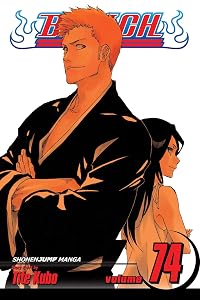
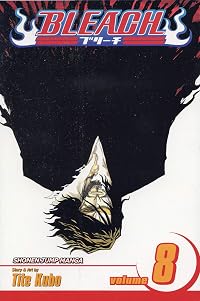
When Ichigo and his allies reach the Quincy King's throne room, Ichigo enters a battle against Yhwach that may finally bring the thousand-year war between the Soul Reapers and Quincies to an end.Tags
Recommendations
Member Reviews
I’ll be the first to admit it—when I was younger, I didn’t care much for Bleach. I watched it here and there, maybe read a few chapters in the Shonen Jump Magazine, but it never stuck with me. I couldn’t get into the story, I didn’t connect with the characters, and the messaging behind it all? Completely missed me. In all honesty, I was one of those people who dogged on this series. I thought it was repetitive, slow, and full of less-than-flashy characters that just didn’t stand out next to other shounen I was into at the time.
But when the anime adaptation for the Thousand-Year Blood War arc was announced, I decided to give the series another chance. I went back and reread the manga from the beginning—and what I discovered show more was nothing short of transformative. The story I once brushed off turned out to be a masterpiece overflowing with complexity, emotional weight, and quiet, poetic brilliance. I found layers I had never seen before—philosophy, symbolism, trauma, and personal growth all woven seamlessly into the narrative.
As an adult, I connected with Ichigo on an entirely different level. He’s not just the abrasive, bad-attitude orange-haired protagonist swinging a giant sword. He’s the eldest child of a single-parent household, someone who had to grow up quickly and take care of his younger siblings. That kind of responsibility, that kind of emotional pressure, hit me hard—especially now that I can relate to what it feels like to carry your family on your back and try to protect them from a world that doesn’t always make sense. It’s a dynamic I rarely see explored in shounen, and seeing it in Ichigo made him feel so much more real, more grounded, and more human.
His journey isn’t just about strength—it’s about identity, grief, and the painful process of figuring out who you are when everyone else is trying to define you. And that emotional weight is reflected in so many of the characters. Rukia’s quiet resilience, Urahara’s hidden guilt, Byakuya’s complicated sense of duty, Aizen’s obsession with control—they all feel like pieces of a larger conversation about loss, acceptance, and the burden of choice.
And then there’s Orihime. I’ll be honest, younger me didn’t pay her much attention and in a different life, I was definitely an IchiRukia defender. But revisiting Bleach now, her character—and especially her romance with Ichigo—completely redefined what love looks like in a battle shonen series for me. Their relationship isn’t flashy or dramatic. It’s not about loud declarations or constant flirting. It’s about deep understanding, quiet support, and choosing each other over and over again. Orihime sees Ichigo—not just the warrior, but the person, the boy who tries so hard to carry everyone’s burdens alone. And Ichigo, in turn, protects her not just physically, but emotionally—never demanding anything from her, but always appreciating her presence. Their romance is tender. It’s mature. And it’s beautiful.
No one can tell me Tite Kubo is a bad writer. This man is a poet. His storytelling is subtle and emotional, filled with layers that don’t always jump out at first glance. The dialogue is often minimal, but meaningful. The symbolism is everywhere. The emotional undercurrents run deep. You can’t binge-read this story without missing things—because Bleach is a series that rewards you for slowing down and feeling.
It’s not just about battles and Bankais. It’s about finding your place in the world. It’s about identity, loneliness, and the quiet pain of growing up. Kubo explores all of that with elegance and grace—and even though the series isn’t perfect, its imperfections are what make it feel real.
Bleach is a story that matures with you. What felt flat and boring to me as a kid now resonates with a kind of emotional depth I never expected. It’s a series that lingers long after you close the final chapter, and I’m still unpacking its meaning to this day. show less
But when the anime adaptation for the Thousand-Year Blood War arc was announced, I decided to give the series another chance. I went back and reread the manga from the beginning—and what I discovered show more was nothing short of transformative. The story I once brushed off turned out to be a masterpiece overflowing with complexity, emotional weight, and quiet, poetic brilliance. I found layers I had never seen before—philosophy, symbolism, trauma, and personal growth all woven seamlessly into the narrative.
As an adult, I connected with Ichigo on an entirely different level. He’s not just the abrasive, bad-attitude orange-haired protagonist swinging a giant sword. He’s the eldest child of a single-parent household, someone who had to grow up quickly and take care of his younger siblings. That kind of responsibility, that kind of emotional pressure, hit me hard—especially now that I can relate to what it feels like to carry your family on your back and try to protect them from a world that doesn’t always make sense. It’s a dynamic I rarely see explored in shounen, and seeing it in Ichigo made him feel so much more real, more grounded, and more human.
His journey isn’t just about strength—it’s about identity, grief, and the painful process of figuring out who you are when everyone else is trying to define you. And that emotional weight is reflected in so many of the characters. Rukia’s quiet resilience, Urahara’s hidden guilt, Byakuya’s complicated sense of duty, Aizen’s obsession with control—they all feel like pieces of a larger conversation about loss, acceptance, and the burden of choice.
And then there’s Orihime. I’ll be honest, younger me didn’t pay her much attention and in a different life, I was definitely an IchiRukia defender. But revisiting Bleach now, her character—and especially her romance with Ichigo—completely redefined what love looks like in a battle shonen series for me. Their relationship isn’t flashy or dramatic. It’s not about loud declarations or constant flirting. It’s about deep understanding, quiet support, and choosing each other over and over again. Orihime sees Ichigo—not just the warrior, but the person, the boy who tries so hard to carry everyone’s burdens alone. And Ichigo, in turn, protects her not just physically, but emotionally—never demanding anything from her, but always appreciating her presence. Their romance is tender. It’s mature. And it’s beautiful.
No one can tell me Tite Kubo is a bad writer. This man is a poet. His storytelling is subtle and emotional, filled with layers that don’t always jump out at first glance. The dialogue is often minimal, but meaningful. The symbolism is everywhere. The emotional undercurrents run deep. You can’t binge-read this story without missing things—because Bleach is a series that rewards you for slowing down and feeling.
It’s not just about battles and Bankais. It’s about finding your place in the world. It’s about identity, loneliness, and the quiet pain of growing up. Kubo explores all of that with elegance and grace—and even though the series isn’t perfect, its imperfections are what make it feel real.
Bleach is a story that matures with you. What felt flat and boring to me as a kid now resonates with a kind of emotional depth I never expected. It’s a series that lingers long after you close the final chapter, and I’m still unpacking its meaning to this day. show less
This is a rating not only for this volume, the 1000 Year Blood War Arc, but also for Bleach as a series.
First, I don't get the hate for the ending I felt like it made sense and I kind of expected it to end this way. It really reminds me of most shonen endings I've read. Honestly, I mean this with no ill intent, but some people really are blinded by their own ships. Also, not everyone was going to like whatever ending Kubo wrote, he still wrote, there are so many other series that have not received an ending, or may never get one, be happy Kubo wrote one and was alive to write it.
I enjoyed Bleach besides its many flaws that I have made clear in the past. I am glad I decided to pick the series back up and finish it after stopping show more initially at vol. 20. I think part of the reason I can enjoy this series and its flaws is that I came into this series knowing it wasn't perfect and that its a battle shonen. I suspended most of my belief early on, and so some plot holes really did not bother me to the extent they clearly bothered others, and even the fanbase.
One thing I think people forget about long running series is that the author forgets more than you think they do. Fans have a vested interest and see things more clearly and can find subtext that the author either forgot they included or didn't intend to include. I remember once either reading an article or listening to an interview where some people were discussing plot holes in JoJo's Bizzare Adventures, and how Araki forgot he wrote something he had written or a plot line. I am not surprised if Kubo has done the same thing, and I don't think he should be hated for it. Bleach ran from 2001-2016 in Japan, it was a 15 year endeavour, cut the guy a break.
Would I recommend Bleach to people: no. I don't want to go out of my way to tell people to read this series. If I know someone that says they're reading it, or are interested in reading I'll just tell them that I liked it and I'd like to talk about it it with them. I say all of that also because it really is a manga of the early 2000's. The fanservice enough makes it obvious. I think there are people out there that will pick up Bleach and have a degree of separation from the period of anime/manga fandom that it is from. I was only a little over a month old when the manga debuted, but I still remember what it was like when Bleach was at its prime along with Naruto and One Piece (well I think One Piece in the US is at its peak in the cultural zeitgeist right now, but roll with it). I lived that era of fandom, and honestly, I don't care to repeat that era again. While it is still important to read the classics of shonen, and I'd argue Bleach is part of the classical canon of shonen manga, there is no rush or need to read them all. I have attempted Naruto and One Piece so many times, and they're just not for me. Read Bleach if you want to, not because someone said you had to.
Finally, with many of my longer reviews that tend to be on more controversial books or manga volumes, I end with, this is just my opinion. Hate what you hate and love what you love, and don't let some nerd that can type (barely) tell you what you have to think. show less
First, I don't get the hate for the ending I felt like it made sense and I kind of expected it to end this way. It really reminds me of most shonen endings I've read. Honestly, I mean this with no ill intent, but some people really are blinded by their own ships. Also, not everyone was going to like whatever ending Kubo wrote, he still wrote, there are so many other series that have not received an ending, or may never get one, be happy Kubo wrote one and was alive to write it.
I enjoyed Bleach besides its many flaws that I have made clear in the past. I am glad I decided to pick the series back up and finish it after stopping show more initially at vol. 20. I think part of the reason I can enjoy this series and its flaws is that I came into this series knowing it wasn't perfect and that its a battle shonen. I suspended most of my belief early on, and so some plot holes really did not bother me to the extent they clearly bothered others, and even the fanbase.
One thing I think people forget about long running series is that the author forgets more than you think they do. Fans have a vested interest and see things more clearly and can find subtext that the author either forgot they included or didn't intend to include. I remember once either reading an article or listening to an interview where some people were discussing plot holes in JoJo's Bizzare Adventures, and how Araki forgot he wrote something he had written or a plot line. I am not surprised if Kubo has done the same thing, and I don't think he should be hated for it. Bleach ran from 2001-2016 in Japan, it was a 15 year endeavour, cut the guy a break.
Would I recommend Bleach to people: no. I don't want to go out of my way to tell people to read this series. If I know someone that says they're reading it, or are interested in reading I'll just tell them that I liked it and I'd like to talk about it it with them. I say all of that also because it really is a manga of the early 2000's. The fanservice enough makes it obvious. I think there are people out there that will pick up Bleach and have a degree of separation from the period of anime/manga fandom that it is from. I was only a little over a month old when the manga debuted, but I still remember what it was like when Bleach was at its prime along with Naruto and One Piece (well I think One Piece in the US is at its peak in the cultural zeitgeist right now, but roll with it). I lived that era of fandom, and honestly, I don't care to repeat that era again. While it is still important to read the classics of shonen, and I'd argue Bleach is part of the classical canon of shonen manga, there is no rush or need to read them all. I have attempted Naruto and One Piece so many times, and they're just not for me. Read Bleach if you want to, not because someone said you had to.
Finally, with many of my longer reviews that tend to be on more controversial books or manga volumes, I end with, this is just my opinion. Hate what you hate and love what you love, and don't let some nerd that can type (barely) tell you what you have to think. show less
Ratings
Members
- Recently Added By
Lists

Manga - Bleach
74 works; 1 member
Author Information

181 Works 31,869 Members

Tite Kubo is a LibraryThing Author, an author who lists their personal library on LibraryThing.
Series

Common Knowledge
- Canonical title
- Bleach, Volume 74: The Death and the Strawberry
- Original publication date
- 2016-11-04
Classifications
- Genres
- Graphic Novels & Comics, Teen
- DDC/MDS
- 741.5 — Arts & recreation Drawing & decorative arts Drawing Comic books, graphic novels, fotonovelas, cartoons, caricatures, comic strips
- LCC
- PZ7.7 .K82 .B — Language and Literature Fiction and juvenile belles lettres Fiction and juvenile belles lettres Juvenile belles lettres
- BISAC
Statistics
- Members
- 121
- Popularity
- 270,477
- Reviews
- 2
- Rating
- (4.43)
- Languages
- 7 — English, Finnish, French, German, Italian, Japanese, Spanish
- Media
- Paper, Ebook
- ISBNs
- 9
- ASINs
- 1