On This Page
Description
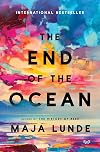
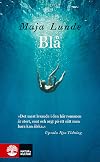
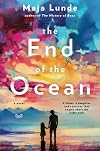
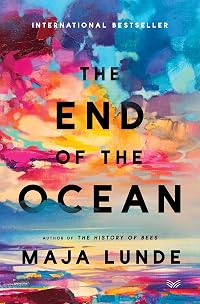
From the author of the number-one international bestseller The History of Bees, a captivating story of the power of nature and the human spirit that explores the threat of a devastating worldwide drought, witnessed through the lives of a father, a daughter, and a woman who will risk her life to save the future. In 2019, seventy-year-old Signe sets sail alone on a hazardous voyage across the ocean in a sailboat. On board, a cargo that can change lives. Signe is haunted by memories of the love show more of her life, whom she'll meet again soon. In 2041, David and his young daughter, Lou, flee from a drought-stricken Southern Europe that has been ravaged by thirst and war. Separated from the rest of their family and desperate to find them, they discover an ancient sailboat in a dried-out garden, miles away from the nearest shore. Signe's sailboat. As David and Lou discover Signe's personal effects, her long ago journey becomes inexorably linked to their own. An evocative tale of the search for love and connection, The End of the Ocean is a profoundly moving father daughter story of survival and a clarion call for climate action. Translated from the Norwegian by Diane Oatley. show lessTags
Recommendations





























Member Reviews
They were childhood friends who become lovers.
He wanted a comfortable life.
She wanted to save the world.
Would their love survive?
of the Ocean by Maja Lunde is a compelling dystopian novel and a warning. It is also a heartbreaking story of lovers torn asunder by social forces.
The exotic pristine beauty of Norway is the symbol of the beauty and perfection of the world--which humankind is willing to sacrifice to continue an unsustainable lifestyle.
Signe's mother was willing to destroy their Norweigan habitat so the community could progress and thrive by the diversion of the river into a power plant. Her family hotel needed this to survive.
Signe's father protested the loss of the water ouzel, a tiny mollusk that cleaned the water and lived show more 100 years, and the natural beauty of the River Breio and its waterfall. He and Magnus's father tried to stop the plan. They failed.
At university, Signe and Magnus become lovers and seem to be following in their father's footsteps in protecting the environment. But Magnus opts instead for the status quo--a good life--working for Signe's mother. Signe leaves him.
Years later Signe learns that Magnus is harvesting the glaciers and selling the ice. It is time for one more act of resistance.
The legacy of their actions will impact future climate refugees David and Lou. In 2041, France is burning and the family flees. In the turmoil, David and his daughter Lou are separated from his wife Anne and their infant son. They travel to a refugee camp, at first an oasis of order providing basic needs. Later, things tumble into chaos.
This grim warning on the natural outcome of climate change also offers hope in the healing forgiveness of love.
I received a free ARC from the publisher through Bookish First in exchange for a fair and unbiased review. show less
He wanted a comfortable life.
She wanted to save the world.
Would their love survive?
of the Ocean by Maja Lunde is a compelling dystopian novel and a warning. It is also a heartbreaking story of lovers torn asunder by social forces.
The exotic pristine beauty of Norway is the symbol of the beauty and perfection of the world--which humankind is willing to sacrifice to continue an unsustainable lifestyle.
Signe's mother was willing to destroy their Norweigan habitat so the community could progress and thrive by the diversion of the river into a power plant. Her family hotel needed this to survive.
Signe's father protested the loss of the water ouzel, a tiny mollusk that cleaned the water and lived show more 100 years, and the natural beauty of the River Breio and its waterfall. He and Magnus's father tried to stop the plan. They failed.
At university, Signe and Magnus become lovers and seem to be following in their father's footsteps in protecting the environment. But Magnus opts instead for the status quo--a good life--working for Signe's mother. Signe leaves him.
Years later Signe learns that Magnus is harvesting the glaciers and selling the ice. It is time for one more act of resistance.
The legacy of their actions will impact future climate refugees David and Lou. In 2041, France is burning and the family flees. In the turmoil, David and his daughter Lou are separated from his wife Anne and their infant son. They travel to a refugee camp, at first an oasis of order providing basic needs. Later, things tumble into chaos.
This grim warning on the natural outcome of climate change also offers hope in the healing forgiveness of love.
I received a free ARC from the publisher through Bookish First in exchange for a fair and unbiased review. show less
Fabulous book about the effects of climate change, and yet not about climate change. I worry when I see "climate change", expecting hordes of plastic-straw-police to descend with their tales of gloom and doom. But this story was a story first, not a sermon.
And what a fabulous story. Signe shows how environmentalism is a personal issue, how we carry the wounds of childhood forward with us in life, imposing those scars onto the world. We never seem to outgrow our youngest years, those where we choose parental sides and form opinions based on the frames they create for us. David shows us the power of family and community, how hard it is to give up what you know and to lose what you have.
My favorite quote is one that ties the two stories show more together: "in the winter, 400 whales were beached in New Zealand -- they couldn't leave because they waited for each other. The smallest whales could have managed it, at high tide they could have swum away, but they stayed, never abandoned their parents, stayed with the pod, dying with the others instead."
Read for Modern Mrs Darcy challenge - a book in translation
And for BookRiot Read Harder challenge - a book about climate change show less
And what a fabulous story. Signe shows how environmentalism is a personal issue, how we carry the wounds of childhood forward with us in life, imposing those scars onto the world. We never seem to outgrow our youngest years, those where we choose parental sides and form opinions based on the frames they create for us. David shows us the power of family and community, how hard it is to give up what you know and to lose what you have.
My favorite quote is one that ties the two stories show more together: "in the winter, 400 whales were beached in New Zealand -- they couldn't leave because they waited for each other. The smallest whales could have managed it, at high tide they could have swum away, but they stayed, never abandoned their parents, stayed with the pod, dying with the others instead."
Read for Modern Mrs Darcy challenge - a book in translation
And for BookRiot Read Harder challenge - a book about climate change show less
The End of the Ocean by Maja Lunde, translated by Diane Oatley
I found this to be one of the better eco-fiction books I've read in recent memory. The writing is accomplished and captivating, leapfrogging in following two time separated journeys by different characters. One journey I thought of as depicting cause, and the other I thought of as depicting effect, both portrayed through personal experiences. The characters and their experiences are engaging enough to hold the interest of even those readers that don't care to consider the cause and effect distinctions of the two journeys.
To its credit, I found the overall story realistic and meaningful, adequately balanced, and without a moralizing conclusion.
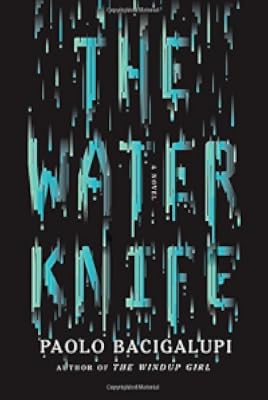
This isn't a story like The Water show more Knife, but rather more of personnel relationships and the affects character's experiences have on their relationships. show less
I found this to be one of the better eco-fiction books I've read in recent memory. The writing is accomplished and captivating, leapfrogging in following two time separated journeys by different characters. One journey I thought of as depicting cause, and the other I thought of as depicting effect, both portrayed through personal experiences. The characters and their experiences are engaging enough to hold the interest of even those readers that don't care to consider the cause and effect distinctions of the two journeys.
To its credit, I found the overall story realistic and meaningful, adequately balanced, and without a moralizing conclusion.
This isn't a story like The Water show more Knife, but rather more of personnel relationships and the affects character's experiences have on their relationships. show less
This book is very much a social commentary, but I hardly noticed it. The story and the characters are so engrossing and immersive that, while I fully understood the very timely and frightening social issues being addressed, it wasn't in my foremind as I read. As I read I was just completely caught up in the plight and emotions of the characters. When I stopped reading, that's when it would really hit me - the weight and the impact of the story on how we live our lives today. And all throughout this read I was trying to figure out how the two timelines were going to interweave. I thought I knew twice and was wrong both times. Then I thought they just weren't going to at all. But they did. And they did in such a beautiful and poignant way show more that the full impact of the author's message really hit hard in those last few pages. show less
The End of the Ocean takes place in two different time periods, 2017 and 2041. It is told through two stories that are woven together. The 2017 storyline follows 67-year old Signe first in Norway as she travels south to France in her small sailboat, Blue. We learn that she is an activist, just as her father was and is distraught when she learns that the ancient glaciers of her home are being mined to be shipped to the Middle East as "pure ice" for the wealthy. As an attempt to show her defiance and anger towards the destruction, she empties most of the mined ice back into the ocean and plans to deliver the rest to France. As she travels, we learn through her memories who signed off on the ice mining deal, why he is important to Signe's show more life, and her childhood impressions of the world.
The second storyline follows David and Lou during a massive drought in 2041. They live in South France and are fleeing the fires and desert looking for more water and a better climate. We learn that they were part of a family of four; Anna and August were supposed to meet them at the refugee camp set up near Timbaut, France. Eventually out of boredom and as a way to relieve the stress of camp life, David and Lou explore nearby houses and come upon a boat stored behind a house. It isn't in the best of shape, but Lou and David commandeer it as their play place and later it becomes the center of their plans for getting out of the drought-stricken area.
I don't want to get too much away about this story and how these two plotlines connect because "the reveal" so good when reading it. I had some inkling as I was reading, but it wasn't until I actually read the connecting chapter and linked all the dots did I really understand what was going on. I have to say, I love this book so much and really did enjoy the pacing and how it was told through alternating chapters. This seems to help keep the story going and makes you want to keep reading to see what happens. At first, I was not too fond of Signe's chapters just because they felt a bit flat for me and I am not one for boats or sailing. David's chapters about survival and the hardships of being a refugee were more interesting for me. There did come a point however when Signe's chapters gained my attention and I found David's character to be one that I was not too fond of. I enjoyed how this story kept me on the my toes and made me re-evaluate characters, what a character flaw is, and the idea that not everyone is perfect. In the end, this story speaks to what it is to be human and keep surviving even past what you think possible.
This story is also rich with a discussion on climate change and environmental activism. I have never read a book that was able to use these two themes are major devices to both keep the story going and to help make a much larger point. Even though we are going through huge climate issues and the idea of climate change as fact is being actively challenged, reading about such things as a viewer rather than someone currently in it, really opens up the viewing platform and creates a space to think about what it would be like if it didn't rain or how would humanity survive. I am so glad to have read this book and had those deep thoughts of survival and how much humans have hurt and are destroying our planet.
I didn't know this when I started this book, but it is part of a series! I don't think it is a connected series that continues book-to-book but rather is loosely connected via broader themes and ideas. I definitely want to read the first book in this series, The History of Bees and read more in Lunde's creative world.
As for this book specifically, the writing was superb. Next to the heart-wrenching and hopeful story and the larger comments on climate change and environmentalism, the writing in this book is so beautiful and poetic. Lunde knows how to capture the rocking movement of the ocean in Signe's storyline and the dry, dusty heat in David's storyline. I was so impressed with how flawlessly she can convert between the two. I also loved how the book chapters are set up. They do alternate storylines, but more specifically I enjoyed how they would bookend each other and some actions or things would be mirrored. For example, at the end of one chapter Signe is showering and enjoying all the senses that go with cleansing after not being clean for days. The next chapter begins with David and Lou also getting to experience showering, but it is dramatically different from Signe's experience. Those two are juxtaposed which enhances the storyline and setting of each individual plot. This sort of mirroring device is used multiple times, perfectly throughout this book and really deepens the feelings and sensations while reading.
Overall, I absolutely love this book. When I started reading it was a bit difficult because it begins with Signe's chapter and the writing is very abstract and poetic there. Once I was accustomed to the writing style and was a few chapters in, I warmed up so quickly and ended up not wanting to put this book down. There is so much buried and woven in this story; I wish it were required reading just because it has so much to say about now and the future, as well as what it means to be a human and be happy. I am so glad to have read this book and can't wait to see what else Lunde writes! show less
The second storyline follows David and Lou during a massive drought in 2041. They live in South France and are fleeing the fires and desert looking for more water and a better climate. We learn that they were part of a family of four; Anna and August were supposed to meet them at the refugee camp set up near Timbaut, France. Eventually out of boredom and as a way to relieve the stress of camp life, David and Lou explore nearby houses and come upon a boat stored behind a house. It isn't in the best of shape, but Lou and David commandeer it as their play place and later it becomes the center of their plans for getting out of the drought-stricken area.
I don't want to get too much away about this story and how these two plotlines connect because "the reveal" so good when reading it. I had some inkling as I was reading, but it wasn't until I actually read the connecting chapter and linked all the dots did I really understand what was going on. I have to say, I love this book so much and really did enjoy the pacing and how it was told through alternating chapters. This seems to help keep the story going and makes you want to keep reading to see what happens. At first, I was not too fond of Signe's chapters just because they felt a bit flat for me and I am not one for boats or sailing. David's chapters about survival and the hardships of being a refugee were more interesting for me. There did come a point however when Signe's chapters gained my attention and I found David's character to be one that I was not too fond of. I enjoyed how this story kept me on the my toes and made me re-evaluate characters, what a character flaw is, and the idea that not everyone is perfect. In the end, this story speaks to what it is to be human and keep surviving even past what you think possible.
This story is also rich with a discussion on climate change and environmental activism. I have never read a book that was able to use these two themes are major devices to both keep the story going and to help make a much larger point. Even though we are going through huge climate issues and the idea of climate change as fact is being actively challenged, reading about such things as a viewer rather than someone currently in it, really opens up the viewing platform and creates a space to think about what it would be like if it didn't rain or how would humanity survive. I am so glad to have read this book and had those deep thoughts of survival and how much humans have hurt and are destroying our planet.
I didn't know this when I started this book, but it is part of a series! I don't think it is a connected series that continues book-to-book but rather is loosely connected via broader themes and ideas. I definitely want to read the first book in this series, The History of Bees and read more in Lunde's creative world.
As for this book specifically, the writing was superb. Next to the heart-wrenching and hopeful story and the larger comments on climate change and environmentalism, the writing in this book is so beautiful and poetic. Lunde knows how to capture the rocking movement of the ocean in Signe's storyline and the dry, dusty heat in David's storyline. I was so impressed with how flawlessly she can convert between the two. I also loved how the book chapters are set up. They do alternate storylines, but more specifically I enjoyed how they would bookend each other and some actions or things would be mirrored. For example, at the end of one chapter Signe is showering and enjoying all the senses that go with cleansing after not being clean for days. The next chapter begins with David and Lou also getting to experience showering, but it is dramatically different from Signe's experience. Those two are juxtaposed which enhances the storyline and setting of each individual plot. This sort of mirroring device is used multiple times, perfectly throughout this book and really deepens the feelings and sensations while reading.
Overall, I absolutely love this book. When I started reading it was a bit difficult because it begins with Signe's chapter and the writing is very abstract and poetic there. Once I was accustomed to the writing style and was a few chapters in, I warmed up so quickly and ended up not wanting to put this book down. There is so much buried and woven in this story; I wish it were required reading just because it has so much to say about now and the future, as well as what it means to be a human and be happy. I am so glad to have read this book and can't wait to see what else Lunde writes! show less
This book is set in two different timelines. In 2019, 70-year-old Signe has spent her life as an activist on environmental issues. A majestic glacier is now being mined for its ice to be sent to the rich to put in their drinks. Signe performs an act of courage and takes off to the sea, on her way to confront the love of her life whom she hasn’t seen since she was a young girl. She has precious cargo on board.
In 2041, David and his little girl, Lou, have fled a terrible fire. They’ve been separated from David’s wife and baby son and are trying to find them. Europe is in the midst of a terrible drought and there is little water to be found. David and Lou find an old sailboat and dream of setting off to sea. However, their connection show more to the past doesn’t end with the finding of the boat.
I was held in this novel’s grip from the first word to the last. I cared deeply about each of these characters and the different worlds they found themselves living in. The book is very well written and the story is profound and heart wrenching. I well remember this author’s first novel, “The History of Bees”, and knew I would also love her newest. I pray that Ms. Lunde’s words will reach the hearts of its readers and will make a difference in our future. This is the second book in a quartet of novels that Ms. Lunde is writing about the environment and I’m very much looking forward to the next one.
Most highly recommended.
This book was given to me by the publisher in return for an honest review. show less
In 2041, David and his little girl, Lou, have fled a terrible fire. They’ve been separated from David’s wife and baby son and are trying to find them. Europe is in the midst of a terrible drought and there is little water to be found. David and Lou find an old sailboat and dream of setting off to sea. However, their connection show more to the past doesn’t end with the finding of the boat.
I was held in this novel’s grip from the first word to the last. I cared deeply about each of these characters and the different worlds they found themselves living in. The book is very well written and the story is profound and heart wrenching. I well remember this author’s first novel, “The History of Bees”, and knew I would also love her newest. I pray that Ms. Lunde’s words will reach the hearts of its readers and will make a difference in our future. This is the second book in a quartet of novels that Ms. Lunde is writing about the environment and I’m very much looking forward to the next one.
Most highly recommended.
This book was given to me by the publisher in return for an honest review. show less
Godt skrevet. Passer fint inn i triologien.
Members
- Recently Added By
Lists

Best Dystopias
280 works; 277 members

Speculative Fiction from around the World
610 works; 18 members
Author Information

23 Works 2,111 Members
Series

Common Knowledge
- Canonical title
- The End of the Ocean
- Original title
- Blå
- Original publication date
- 2017
- People/Characters
- David; Lou; Signe; Magnus
- Dedication*
- Für Jesper, Jens und Linus
- First words
- Ingenting stoppet vannet
- Original language
- Norsk
- Disambiguation notice*
- Titre d'une autre édition : Bleue
*Some information comes from Common Knowledge in other languages. Click "Edit" for more information.
Classifications
- Genres
- Fiction and Literature, General Fiction, Science Fiction
- DDC/MDS
- 839.8238 — Literature & rhetoric German & related literatures Other Germanic literatures Danish and Norwegian literatures Norwegian literature Norwegian Bokmål fiction 2000–
- LCC
- PT8952.22 .U527 .B5813 — Language and Literature German, Dutch and Scandinavian literatures Norwegian literature Individual authors or works 2001-
- BISAC
Statistics
- Members
- 393
- Popularity
- 79,553
- Reviews
- 13
- Rating
- (3.74)
- Languages
- 13 — Czech, Danish, Dutch, English, Finnish, French, German, Hungarian, Italian, Norwegian (Bokmål), Polish, Portuguese (Portugal), Swedish
- Media
- Paper, Audiobook, Ebook
- ISBNs
- 43
- ASINs
- 8