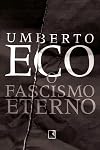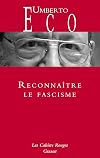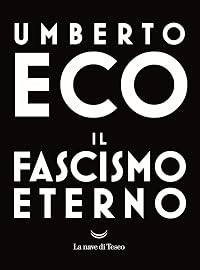
Il fascismo eterno
by Umberto Eco
On This Page
Description
Las catorce claves de Umberto Eco para reconocer el fascismo: un manifiesto urgente. «Un genio inagotable, voraz, que construye y deconstruye sin cesar, de inteligencia deslumbrante y humorística cuando hace falta.».-Mercedes Monmany, ABC «Uno de los pensadores más influyentes de nuestro tiempo.».-Los Angeles Times «El fascismo eterno aún nos rodea, aunque lleve traje de paisano. Puede volver en cualquier momento, aunque se disfrace de las formas más inocuas. Nuestro deber es show more detectarlo, quitarle la máscara y denunciar en voz alta cada una de sus gestas.» En esta conferencia dirigida a los alumnos de una universidad norteamericana en 1995, Umberto Eco alertaba frente a la sombra alargada de un fenómeno que no se restringe al ámbito político ni tiene fecha de caducidad, porque tras un régimen y una ideología hay siempre un cierto modo de pensar y de sentir, un sustrato cultural que puede ser el germen de una nueva ola fascista. El gran pensador de nuestro tiempo, aquel que nos enseñó a «reflexionar antes de pensar», nos ofrece catorce claves para reconocer el fantasma del «fascismo eterno» y nos brinda instrumentos para que el presente y el futuro no se parezcan a nuestro peor pasado. ENGLISH DESCRIPTION Umberto Eco's fourteen clues for recognizing fascism: an urgent manifesto. "A tireless, fierce genius, who constructs and deconstructs endlessly, with dazzling and even humorous intelligence when needed." -Mercedes Monmany, ABC "One of the most influential thinkers of our time." -Los Angeles Times "Eternal fascism still surrounds us, it's just in civilian clothes. It can return at any time, although it comes in the most innocent disguises. Our duty is to detect it, unmask it, and loudly condemn every aspect of it." In this conference delivered to U.S. university students in 1995, Umberto Eco warned against the elongated shadow of a phenomenon that is not relegated only to politics, nor with an expiration date, because behind a regime and an ideology there is always a certain line of thought and feeling, a cultural substrate that can be the seed of a new wave of fascism. The great thinker of our time, who taught us to "reflect before thinking," gives us fourteen clues to recognize the specter of "eternal fascism" and offers us tools so that the present and the future do not resemble our worst past. show lessTags
Recommendations











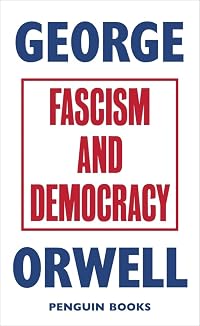
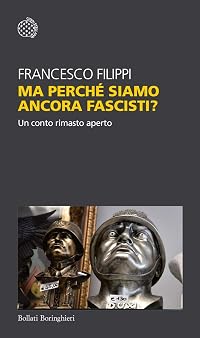
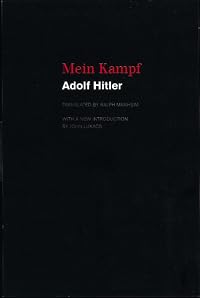




Member Recommendations
Member Reviews
"Pensar é uma forma de castração. Por isso, a cultura é suspeita na medida em que é identificada com atitudes críticas." - Umberto Eco em O Fascismo Eterno.
Leitura rapidíssima, uma aula bem básica sobre ur-fascismo, o qual você encontra no modo de vida brasileiro aos montes na última década, mesmo nos alecrins dourados arrependidos a essência ainda é a mesma.
Leitura rapidíssima, uma aula bem básica sobre ur-fascismo, o qual você encontra no modo de vida brasileiro aos montes na última década, mesmo nos alecrins dourados arrependidos a essência ainda é a mesma.
a.k.a El fascismo eterno, a.k.a Ur-fascismo-
Versión con una puesta en contexto, además de un maquetado más ordenado y amigable para el lector que el que figura en las muchas transcripciones que pululan por la red de esta conferencia y que yo leyera por primera vez en Cinco escritos morales, alrededor de 2016.
La conferencia original fue en 1995. Y hoy sigue absolutamente vigente.
Versión con una puesta en contexto, además de un maquetado más ordenado y amigable para el lector que el que figura en las muchas transcripciones que pululan por la red de esta conferencia y que yo leyera por primera vez en Cinco escritos morales, alrededor de 2016.
La conferencia original fue en 1995. Y hoy sigue absolutamente vigente.
Very good introduction to what is facism. Clear, well structured, witty. A must, in this sad Trump era...
Great essay that (unfortunately) remains relevant.
Que livro sensacional!
Un piccolo testo di circa 50 pagine scritto da Umberto Eco in occasione di un simposio tenuto alla Columbia University nel 1995; dopo 25 anni fa l’attualità dell’intervento di Eco è, a dir poco, disarmante. Eco parla di ur-fascismo, per definire il fascismo eterno; una forma di dittatura che non ha bisogno di ideologie, in quanto si fonda sulla retorica. Ed individua 14 elementi che caratterizzano il fascismo eterno: 1) il culto della tradizione, che ha alla base il sincretismo, l’individuazione di simboli primordiali per significare rituali magici dai quali possa derivare una prevalenza; 2) il rifiuto del modernismo, perché la vita è sangue e terra; 3) il culto dell’azione per l’azione, per cui bisogna rifuggire dalla show more cultura; 4) l’abolizione del disaccordo e dell’opposizione; 5) la paura ed il contrasto delle differenze; 6) l’appello alle classi medie frustate; 7) l’ossessione del complotto; 8) l’annullamento del nemico attraverso una sovrastima o una sottostima sistematica del valore reale; 9) guerra permanente contro gli oppositori; 10) disprezzo per le diversità e per gli altri; 11) mitizzazione dell’individuo; 12) machismo permanente; 13) populismo qualitativo, ossia individuazione di un’elite bassa che possa trasformarsi in voce ineludibile del popolo; 14) utilizzo di una neolingua che abbassi il lessico rendendolo inadatto all’esercizio della critica. Un piccolo testo da far girare in un paese che va verso il peggior regime della sua storia. show less
Jun 9, 2019Italian
Dit boekje omvat een lezing die Eco hield op 25 april 1995 aan de Columbia University ter gelegenheid van de viering van de bevrijding van Europa. Enkele dagen ervoor schrok de USA plots wakker door de bomaanslag van een uiterst rechts militant in Oklahoma City. Eco richt hier dan ook een waarschuwend woord aan de lezer om alert te blijven voor de tekens van een oer-fascisme en om daartoe nooit te vergeten. Hij somt 14 kenmerken op die samen of in verschillende combinaties wijzen op de aanwezigheid van een oer-fascisme of fascismo eterno.
1. Cult van de traditie / Syncretisme dat vooruitgang in kennis onmogelijk maakt.
2. Verwerping van modernisme en de verlichting.
3. Actie ter wille van de actie / Cultuur is verdacht.
4. Onenigheid is show more verraad.
5. Angst voor het verschil.
6. Appèl op de gefrustreerde middenklasse.
7. Obsessie voor complotten.
8. Vijanden zijn tegelijk te sterk en te zwak
9. Pacifisme is samenspannen met de vijand.
10. Elitarisme / Minachting voor de zwakken.
11. Iedereen moet worden opgevoed tot held / Cult van de dood
12. Machismo / Wapens als fallus
13. Kwalitatief populisme / Verzet tegen parlement
14. Gebruik van 'nieuwspraak'
Wie met deze veertien in het achterhoofd kijkt en luistert naar sommige actuele wereldleiders, politici, instituten of organisaties zal daar niet meteen vrolijk van worden. Inderdaad, zoals Eco besluit: "Libertà e liberazione sono un compito che non finisce mai. Che sia questo il nostro motto: 'Non dimenticate' ". (p. 50). show less
1. Cult van de traditie / Syncretisme dat vooruitgang in kennis onmogelijk maakt.
2. Verwerping van modernisme en de verlichting.
3. Actie ter wille van de actie / Cultuur is verdacht.
4. Onenigheid is show more verraad.
5. Angst voor het verschil.
6. Appèl op de gefrustreerde middenklasse.
7. Obsessie voor complotten.
8. Vijanden zijn tegelijk te sterk en te zwak
9. Pacifisme is samenspannen met de vijand.
10. Elitarisme / Minachting voor de zwakken.
11. Iedereen moet worden opgevoed tot held / Cult van de dood
12. Machismo / Wapens als fallus
13. Kwalitatief populisme / Verzet tegen parlement
14. Gebruik van 'nieuwspraak'
Wie met deze veertien in het achterhoofd kijkt en luistert naar sommige actuele wereldleiders, politici, instituten of organisaties zal daar niet meteen vrolijk van worden. Inderdaad, zoals Eco besluit: "Libertà e liberazione sono un compito che non finisce mai. Che sia questo il nostro motto: 'Non dimenticate' ". (p. 50). show less
Dec 8, 2018Dutch
Members
- Recently Added By
Lists

Résister au fascisme
35 works; 2 members
Author Information

512+ Works 115,536 Members
Umberto Eco was born in Alessandria, Italy on January 5, 1932. He received a doctorate of philosophy from the University of Turin in 1954. His first book, Il Problema Estetico in San Tommaso, was an extension of his doctoral thesis on St. Thomas Aquinas and was published in 1956. His first novel, The Name of the Rose, was published in 1980 and won show more the Premio Strega and the Premio Anghiar awards in 1981. In 1986, it was adapted into a movie starring Sean Connery. His other works include Foucault's Pendulum, The Island of the Day Before, Baudolino, The Prague Cemetery, and Numero Zero. He also wrote children's books and more than 20 nonfiction books including Serendipities: Language and Lunacy. He taught philosophy and then semiotics at the University of Bologna. He also wrote weekly columns on popular culture and politics for L'Espresso. He died from cancer on February 19, 2016 at the age of 84. (Bowker Author Biography) show less
Some Editions
Work Relationships
Is contained in
Common Knowledge
- Canonical title
- Il fascismo eterno
- Original title
- Il fascismo eterno
- Original publication date
- 2018; 1995
- Quotations
- Liberté et Libération sont un devoir qui ne finit jamais. Telle doit être notre devise : "N'oubliez pas."
- Disambiguation notice
- Lecture at Columbia University 1995-04-25.
Classifications
- Genres
- Nonfiction, General Nonfiction, History
- DDC/MDS
- 320.533 — Society, government, & culture Political science Types of Government Political ideologies Radicalism, collectivism, fascism Fascism
- LCC
- PQ4865 .C6 .F37 — Language and Literature French, Italian, Spanish and Portuguese literatures Italian literature Individual authors, 1961-2000
- BISAC
Statistics
- Members
- 296
- Popularity
- 108,767
- Reviews
- 10
- Rating
- (4.15)
- Languages
- 8 — Danish, English, French, German, Italian, Portuguese, Croatian, Spanish
- Media
- Paper, Audiobook, Ebook
- ISBNs
- 14
- ASINs
- 7