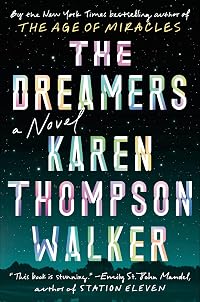
The Dreamers
by Karen Thompson Walker
On This Page
Description
One night in an isolated college town in the hills of Southern California, a first-year student stumbles into her dorm room, falls asleep, and doesn't wake up. She sleeps through the morning, into the evening. Her roommate, Mei, cannot rouse her. Neither can the paramedics, nor the perplexed doctors at the hospital. When a second girl falls asleep, and then a third, Mei finds herself thrust together with an eccentric classmate as panic takes hold of the college and spreads to the town. A show more young couple tries to protect their newborn baby as the once-quiet streets descend into chaos. Two sisters turn to each other for comfort as their survivalist father prepares for disaster. Those affected by the illness, doctors discover, are displaying unusual levels of brain activity, higher than has ever been recorded before. They are dreaming heightened dreams, but of what? Written in luminous prose, The Dreamers is a breathtaking and beautiful novel, startling and provocative, about the possibilities contained within a human life, if only we are awakened to them. show lessTags
Recommendations


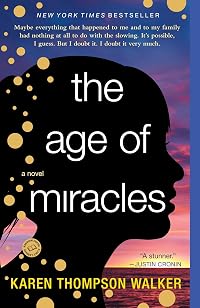

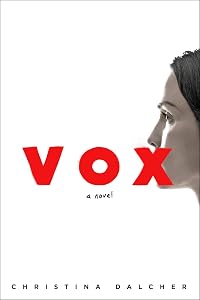
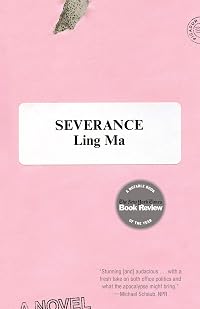
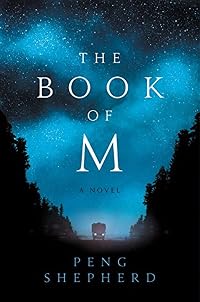
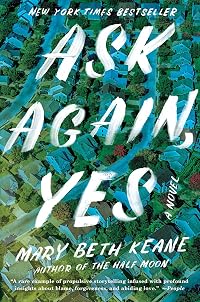

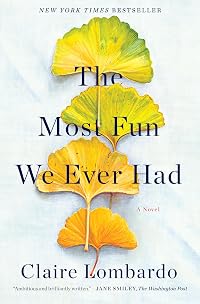
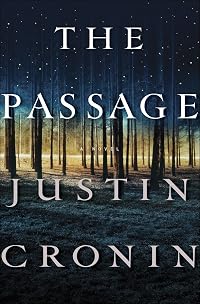

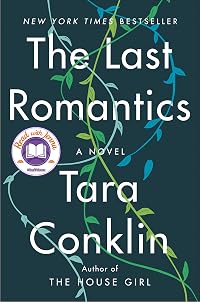

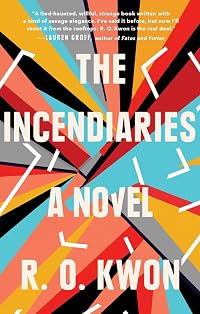
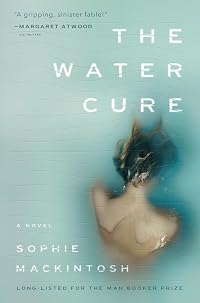
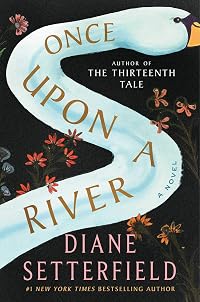
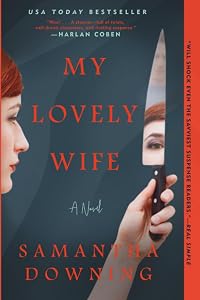






Member Recommendations
by anonymous user
Member Reviews
Karen Thompson Walker has a unique, quiet writing style that I love. Her novels are serious, futuristic-like narratives that unwrap in a controlled, beautiful way. These are 'what if' literary science fiction - the settings are just like our own life but something happening beyond the control of the population. It's incredibly easy to get submerged in these worlds but it is sometimes an unnerving immersion. In her last book, The Age of Miracles, the earth's rotation was slowing down. In her latest, The Dreamers, there is a mysterious illness that causes people to fall into a deep sleep. Woven into these fascinating, often philosophical explorations, are heart-felt family connections and humans caring for others and for the environment. show more Thompson Walker quietly asks us to look at ourselves - how we would act and feel if catastrophe struck, what would really matter, and what we would be willing to do to protect those we love show less
"Confusion is normal."
Walker's prose floated me into this story so smoothly it felt like I was one of the dreamers, yielding to the narrative like a sickness. There is so much mystery to savor in this novel. It may even get savored a bit too much.
The plot stretches thin in the middle and there seems no reason for the frugality. The narrative engine is so rich, she could have given the reader plenty more, and if plot were merely to serve some other overarching interest, well I didn't see enough evidence of that. The result was my panic about 80% through the novel when I realized just how much the ending would make or break this work. I can tell you I felt satisfied enough to give this a pretty good star rating (i.e., I didn't get mad at show more the author) but I'm not convinced she filled out this idea as well as she could have.
I wouldn't be so disappointed if I didn't think Karen Thompson Walker was an excellent writer. The narrative structuring is elegant and she is able to create a form of pastiche reporting that blends together really well, propelling the story forward without relying on the psychological motivations of a central character. It's a kind of sociological storytelling I am keenly interested in. The narrative form of our century, really.
Do I recommend this? Yes. There is enough here to haunt and delight. Do I wish it were longer? Perhaps she'll write a sequel. show less
Walker's prose floated me into this story so smoothly it felt like I was one of the dreamers, yielding to the narrative like a sickness. There is so much mystery to savor in this novel. It may even get savored a bit too much.
The plot stretches thin in the middle and there seems no reason for the frugality. The narrative engine is so rich, she could have given the reader plenty more, and if plot were merely to serve some other overarching interest, well I didn't see enough evidence of that. The result was my panic about 80% through the novel when I realized just how much the ending would make or break this work. I can tell you I felt satisfied enough to give this a pretty good star rating (i.e., I didn't get mad at show more the author) but I'm not convinced she filled out this idea as well as she could have.
I wouldn't be so disappointed if I didn't think Karen Thompson Walker was an excellent writer. The narrative structuring is elegant and she is able to create a form of pastiche reporting that blends together really well, propelling the story forward without relying on the psychological motivations of a central character. It's a kind of sociological storytelling I am keenly interested in. The narrative form of our century, really.
Do I recommend this? Yes. There is enough here to haunt and delight. Do I wish it were longer? Perhaps she'll write a sequel. show less
The Dreamers is an odd story. It could almost be a novel about the path of infection and its impact on society, but it stops short from becoming a medical drama. It could be a story about survivors, but it never quite reaches that path. Instead, I would describe it best as a story about isolation and its many guises. There is minimal action within the novel; the disease involves people sleeping after all. There is also very little dialogue. We experience the beginning, middle, and end of the disease’s reign mainly through the minds of various characters and only sometimes an unknown observer. This lack of direct character interaction lends itself well to the theme of isolation, as does the sleeping disease. After all, sleep is the one show more activity we do alone and can only ever do alone. Unfortunately, this lack of pretty much anything means The Dreamers is not my type of novel. I want something into which I can escape, and The Dreamers does not allow me to do that. I prefer my books to entertain as well as engage the mind, and The Dreamers is not entertaining. Instead, it is the thinking reader’s type of novel, the kind of literary fiction that certain types of readers will love to dissect sentence by sentence. I will leave them to it. show less
I read this book during the COVID-19 pandemic. I found that the author captured the realities of an unknown viral infection very well: the isolation, strain on health care resources, conspiracy theories, media interest, stockpiling and the concerns of family members. What seemed different from the current pandemic is that, in the novel, the victims are asleep. Not dying. No need for invasive medical intervention. There is not really a sense of urgency in this story.
In addition to examining how a community copes with an epidemic, the novel also addresses the theme of time and suggests that dreams may form a kind of alternative dimension. The victims of the virus are all dreaming. One dreams of a future that is different from her actual show more life, but one that feels more real to her in many ways. One dreams of the present and a possible way to wake the sleepers. One dreams of a past she couldn't have remembered given her age. One dreams of his actual past. And one dreams of an alternative present.
An interesting story with characters I really felt for. show less
In addition to examining how a community copes with an epidemic, the novel also addresses the theme of time and suggests that dreams may form a kind of alternative dimension. The victims of the virus are all dreaming. One dreams of a future that is different from her actual show more life, but one that feels more real to her in many ways. One dreams of the present and a possible way to wake the sleepers. One dreams of a past she couldn't have remembered given her age. One dreams of his actual past. And one dreams of an alternative present.
An interesting story with characters I really felt for. show less
A weirdly enchanting dystopia.
(Full disclosure: I received a free e-ARC for review through NetGalley.)
"They sleep like children, mouths open, cheeks flushed. Breathing as rhythmic as swells on a sea. No longer allowed in the rooms, their mothers and fathers watch them through double-paned glass. Isolation—that’s what the doctors call it: the separation of the sick from the well. But isn’t every sleep a kind of isolation? When else are we so alone?"
"[H]ow much quieter that ending would be, a whole world drowned in sleep, than all the other ways we have to fall."
The remote California college town of Santa Lora (population 12,106) is beset by two calamities one autumn in the not-so-distant future: an unrelenting drought, and a show more "sleeping sickness." Sufferers collapse into a deep sleep, from which nothing can wake them. If not cared for with feeding tubes, heart monitors, physical therapy, and the like, the sleepers (as they are colloquially known) are apt to succumb to the disease. However, as the outbreak spreads from the college to the rest of the town, finding volunteers to tend to the sleepers becomes increasingly difficult. Especially as many of the carers drift into sleep as well.
We experience the initial days and long weeks of the epidemic through the eyes of various Santa Lorians: Sara and Libby Peterson, ages twelve and eleven, daughters of a survivalist dad who works as a janitor at the college, and a mother long dead of asthma-related complications. Ben and Annie, new parents and recent Brooklyn transplants who are employed as part-time visiting professors at the college. Nathaniel and Henry, senior professors who have been together since Nathaniel came out in middle age. Mei Liu, a Chinese-American freshman from San Diego who was hoping to turn over a new leaf at college - and "Weird" Matthew Baker, a fellow quarantinee from her floor. And Catharine, a psychiatrist flown in from LA to assess the situation in its earliest days.
The Dreamers isn't so much a story about a viral outbreak, or the potential end of the world, as it is an exploration of human consciousness and the elusive nature of time. Walker has created a dystopia that's surprisingly beautiful and enchanting; her prose is, in a word, mesmerizing. Likewise, The Dreamers is one of the more thoughtful and philosophical (would-be) apocalypse stories in recent memory.
Walker plays with time and reality in ways that are both frustrating (don't believe everything you read!) and delightful. While they sleep the sleep of the dead, Walker's sleepers dream: of other possible worlds (or all possible worlds), of the future, of days come and gone and yet to be. Scientists monitoring the patients' brain activity are shocked by what they find: "there is more activity in these minds than has ever been recorded in any human brain—awake or asleep." Some sleepers dream entire lifetimes into being. When, eventually, some of them begin to wake up, it is a little death of sorts. Who is to say which life is real, and which is the dream?
So yeah, The Dreamers is a bit of a mindfuck, in the best possible way.
Oh, and bonus points for the trolley problem reference. I don't know if the author is one, but fans of The Good Place are likely to dig this story, I think (Matthew and Mei in particular).
http://www.easyvegan.info/2019/01/18/the-dreamers-by-karen-thompson-walker/ show less
(Full disclosure: I received a free e-ARC for review through NetGalley.)
"They sleep like children, mouths open, cheeks flushed. Breathing as rhythmic as swells on a sea. No longer allowed in the rooms, their mothers and fathers watch them through double-paned glass. Isolation—that’s what the doctors call it: the separation of the sick from the well. But isn’t every sleep a kind of isolation? When else are we so alone?"
"[H]ow much quieter that ending would be, a whole world drowned in sleep, than all the other ways we have to fall."
The remote California college town of Santa Lora (population 12,106) is beset by two calamities one autumn in the not-so-distant future: an unrelenting drought, and a show more "sleeping sickness." Sufferers collapse into a deep sleep, from which nothing can wake them. If not cared for with feeding tubes, heart monitors, physical therapy, and the like, the sleepers (as they are colloquially known) are apt to succumb to the disease. However, as the outbreak spreads from the college to the rest of the town, finding volunteers to tend to the sleepers becomes increasingly difficult. Especially as many of the carers drift into sleep as well.
We experience the initial days and long weeks of the epidemic through the eyes of various Santa Lorians: Sara and Libby Peterson, ages twelve and eleven, daughters of a survivalist dad who works as a janitor at the college, and a mother long dead of asthma-related complications. Ben and Annie, new parents and recent Brooklyn transplants who are employed as part-time visiting professors at the college. Nathaniel and Henry, senior professors who have been together since Nathaniel came out in middle age. Mei Liu, a Chinese-American freshman from San Diego who was hoping to turn over a new leaf at college - and "Weird" Matthew Baker, a fellow quarantinee from her floor. And Catharine, a psychiatrist flown in from LA to assess the situation in its earliest days.
The Dreamers isn't so much a story about a viral outbreak, or the potential end of the world, as it is an exploration of human consciousness and the elusive nature of time. Walker has created a dystopia that's surprisingly beautiful and enchanting; her prose is, in a word, mesmerizing. Likewise, The Dreamers is one of the more thoughtful and philosophical (would-be) apocalypse stories in recent memory.
Walker plays with time and reality in ways that are both frustrating (don't believe everything you read!) and delightful. While they sleep the sleep of the dead, Walker's sleepers dream: of other possible worlds (or all possible worlds), of the future, of days come and gone and yet to be. Scientists monitoring the patients' brain activity are shocked by what they find: "there is more activity in these minds than has ever been recorded in any human brain—awake or asleep." Some sleepers dream entire lifetimes into being. When, eventually, some of them begin to wake up, it is a little death of sorts. Who is to say which life is real, and which is the dream?
So yeah, The Dreamers is a bit of a mindfuck, in the best possible way.
Oh, and bonus points for the trolley problem reference. I don't know if the author is one, but fans of The Good Place are likely to dig this story, I think (Matthew and Mei in particular).
http://www.easyvegan.info/2019/01/18/the-dreamers-by-karen-thompson-walker/ show less
The Dreamers by Karen Thompson Walker is a very highly recommended unique, light science-fiction novel about a mysterious epidemic and a town placed under quarantine.
The mysterious sleeping illness began on a college campus in Santa Lora, an isolated college town in the hills of Southern California. A freshman girl returns early to her dorm room and stumbles right into bed. When she is still asleep the next morning, her roommate, Mei, thinks nothing of it and leaves for the day. When she is still asleep that evening, the paramedics are called and she is hospitalized. Then another victim falls into a deep sleep and can't be woken up. At first the remaining students from that floor at the residents' hall are quarantined. Then as the show more disease begins to spread more rapidly, the whole town is placed under an enforced quarantine.
The number of sleepers requiring care reaches 500 by 18th day. Most victims simply stay asleep, although some die. The dreamers must be cared for, which requires many medical professionals and volunteers. The victims seem to be actively dreaming, with increased brain activity, but why? From a few Dreamers who have woken up, we know they have vivid dreams that seem real. Some have lived whole lives, some feel no time has passed, others re-live memories, and some believe they have had premonitions of the future.
The narrative changes perspective from one character to the next as the story unfolds. The characters are handled with compassion and a nuance that ties them all together while they experience the fear of an unfathomable epidemic and have no way to escape. Some of the characters include: Mei, a college student who was an outsider; a survivalist father and his 12 and 11 year-old daughters; a couple with a newborn baby; a biology professor; a college student dreamer who is pregnant; and a neuropsychiatrist trapped in town. Their emotions and fears are handled realistically with empathy and mercy.
The Dreamers is simply exquisite. This is a skillfully written, breathtakingly beautiful novel that is also a page-turner, full of tension and uncertainty. I was glued to the pages and compulsively reading just one more chapter. The pacing is perfect and the transition between the diverse points-of-views keeps the suspense and tension rising as the narrative unfolds. Walker displays compassion to her characters as she follows their thoughts and actions while the unfathomable epidemic rages around them. I especially loved the details of the life beginning and developing in sleeping, but pregnant, Rebecca, and the resolution of this narrative thread.
I read and loved Karen Thompson Walker's The Age of Miracles and I think I love The Dreamers even more. This is a novel that could provide book clubs with an abundance of discussion topics.
Disclosure: My review copy was courtesy of Penguin Random House.
http://www.shetreadssoftly.com/2019/01/the-dreamers.html show less
The mysterious sleeping illness began on a college campus in Santa Lora, an isolated college town in the hills of Southern California. A freshman girl returns early to her dorm room and stumbles right into bed. When she is still asleep the next morning, her roommate, Mei, thinks nothing of it and leaves for the day. When she is still asleep that evening, the paramedics are called and she is hospitalized. Then another victim falls into a deep sleep and can't be woken up. At first the remaining students from that floor at the residents' hall are quarantined. Then as the show more disease begins to spread more rapidly, the whole town is placed under an enforced quarantine.
The number of sleepers requiring care reaches 500 by 18th day. Most victims simply stay asleep, although some die. The dreamers must be cared for, which requires many medical professionals and volunteers. The victims seem to be actively dreaming, with increased brain activity, but why? From a few Dreamers who have woken up, we know they have vivid dreams that seem real. Some have lived whole lives, some feel no time has passed, others re-live memories, and some believe they have had premonitions of the future.
The narrative changes perspective from one character to the next as the story unfolds. The characters are handled with compassion and a nuance that ties them all together while they experience the fear of an unfathomable epidemic and have no way to escape. Some of the characters include: Mei, a college student who was an outsider; a survivalist father and his 12 and 11 year-old daughters; a couple with a newborn baby; a biology professor; a college student dreamer who is pregnant; and a neuropsychiatrist trapped in town. Their emotions and fears are handled realistically with empathy and mercy.
The Dreamers is simply exquisite. This is a skillfully written, breathtakingly beautiful novel that is also a page-turner, full of tension and uncertainty. I was glued to the pages and compulsively reading just one more chapter. The pacing is perfect and the transition between the diverse points-of-views keeps the suspense and tension rising as the narrative unfolds. Walker displays compassion to her characters as she follows their thoughts and actions while the unfathomable epidemic rages around them. I especially loved the details of the life beginning and developing in sleeping, but pregnant, Rebecca, and the resolution of this narrative thread.
I read and loved Karen Thompson Walker's The Age of Miracles and I think I love The Dreamers even more. This is a novel that could provide book clubs with an abundance of discussion topics.
Disclosure: My review copy was courtesy of Penguin Random House.
http://www.shetreadssoftly.com/2019/01/the-dreamers.html show less
4.5 I was pre-disposed to this book because I loved Walker's first novel The Age of Miracles. She has a knack for skating the edge of science-fiction - these interesting changes in our world that could possibly happen. Here it is an illness that takes over a fictional small CA college town, Santa Lora. It start on the campus with one girl who leaves a party early and doesn't wake up the next morning. She is unconsciously sleeping and cannot be roused. From patient zero it spreads epidemically through the school and the town over the course of a month or so. The omniscient narrator parcels out information about things happening simultaneously and we are introduced to a handful of characters that we get to know and come to care about: show more Mei, the sick girl's roommate, Matt another freshman on the floor, Sarah and Libby, 2 elementary school girls whose Dad, a survivalist and maintenance worker at the college has been prepping for something like this his whole adult life, their neighbors Ben and Annie who are 2 young professors with a newborn, Grace and a web of others with tenuous connections to this core group. Some of them succumb to the illness, some don't; some recover, some don't. But the reactions to the epidemic: the panic and fear and heroism are the real parts of the story, more than the characters and the illness itself. "Worry is a kind of creativity. Fear is an act of imagination." There is no great revelation about what caused it or why it eventually ends, but the point is more how people behave in response to it. Ultimately the dreamers - those who wake up, have an altered understanding of time. Past, present, and future have become muddled by the sleeping brain's ability to conceive of more than one time and place occurring at the same time. One review said the book is "overflowing with humanity" and that is the brilliance of Walker's writing - her observations about people and the ways we construct our lives and how that gets challenged in change. The narrator comments on "how disease sometimes exposes what is otherwise hidden. How carelessly it reveals a person's private self" and in the face of tragedy "how expert we are in looking away from what we'd rather not see." Finally, when it is all over: "All of us move through our hours as if blindfolded, never knowing what will happen next." A great reminder in a poetic wrapper that nothing is guaranteed to us despite our planning, prepping, striving, saving. This book will wash over you and linger. Let it. show less
Members
- Recently Added By
Lists

Kirkus Starred Fiction Reviews of Books Published in 2019
411 works; 12 members

Dystopian and Apocalyptic Literature
350 works; 74 members

Books Read in 2019
4,052 works; 110 members

Viral Outbreaks and Pandemics
82 works; 8 members

I Love Horror
29 works; 3 members

Books Read in 2025
4,091 works; 97 members
Author Information

4 Works 5,036 Members
Karen Thompson Walker is a New York Times Bestselling author of the novels, The Age of Miracles, which was named one of the best books of the year by People, O: The Oprah Magazine and Financial Times. She was born and raised in San Diego and graduated from UCLA and the Columbia MFA program. She is currently an assistant professor of creative show more writing at the University of Oregon. Her title,The Dreamers, also made the Bestseller List in 2019. (Bowker Author Biography) show less
Awards and Honors
Awards
Common Knowledge
- Canonical title
- The Dreamers
- Original publication date
- 2019-01-15
- Important places
- California, USA
- Epigraph
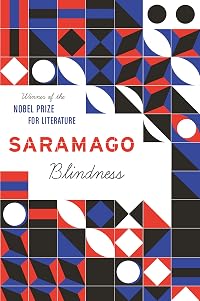
- That night, the blind man dreamt that he was blind. --José Saramago, Blindness
- Dedication
- For my daughters, Hazel and Penelope, who were both born during the years I was writing this book, and who are everywhere in these pages.
- First words
- At first, they blame the air.
- Last words
- (Click to show. Warning: May contain spoilers.)And so much of this life will remain always beyond her understanding, as obscure as the landscapes of someone else's dreams.
- Publisher's editor
- Medina, Kate
- Blurbers
- Russell, Karen; Pessl, Marisha; Black, Robin; Mandel, Emily St. John
- Original language
- English, US
Classifications
Statistics
- Members
- 1,244
- Popularity
- 19,783
- Reviews
- 81
- Rating
- (3.62)
- Languages
- English, German, Portuguese, Swedish
- Media
- Paper, Audiobook, Ebook
- ISBNs
- 24
- ASINs
- 6