On This Page
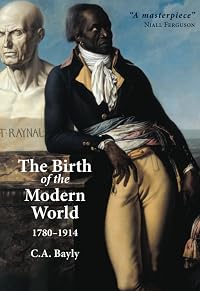
Description
This thematic history of the world from 1780 to the onset of the First World War reveals that the world was far more 'globalised' at this time than is commonly thought. Sketches the 'ripple effects' of world crises such as the European revolutions and the American Civil War. Shows how events in Asia, Africa and South America impacted on the world as a whole. Considers the great themes of the nineteenth-century world, including the rise of the modern state, industrialisation and liberalism. show more Challenges and complements the regional and national approaches which have traditionally dominated history teaching and writing. show lessTags
Recommendations




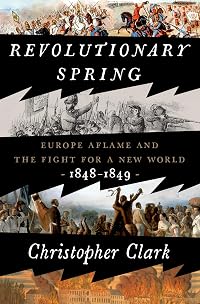
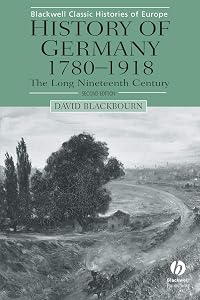
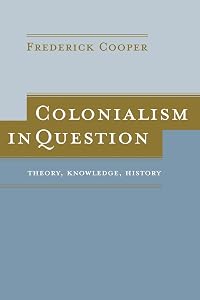
Member Recommendations
Member Reviews
Wonderful thought-provoking synthesis. Questions all traditional narratives of 19th century "European" international history, in an intelligent dialogue. "Incontournable".
An impressive, complex history of the “long nineteenth century” which examines how people around the world interacted with each other to create the world we know as modern.
C.A. Bayly has written “a reflection on, rather than a narrative of, world history.” His is “a thematic history” that is “transnational,” weaving together national histories from around the globe. Bayly does not believe in simple or single causes, but weaves together economic, political, and ideological histories, always demonstrating how they are connected. Into this mix, he adds what he calls “bodily practices” such as clothing, gender roles, literacy, and language which were changing in the period he describes.
Read more on my blog, Me, you and show more books: http://wp.me/p24OK2-QZ show less
C.A. Bayly has written “a reflection on, rather than a narrative of, world history.” His is “a thematic history” that is “transnational,” weaving together national histories from around the globe. Bayly does not believe in simple or single causes, but weaves together economic, political, and ideological histories, always demonstrating how they are connected. Into this mix, he adds what he calls “bodily practices” such as clothing, gender roles, literacy, and language which were changing in the period he describes.
Read more on my blog, Me, you and show more books: http://wp.me/p24OK2-QZ show less
Winner of the Wolfson History Prize 2004
Indrukwekkend door eruditie en vooral globale kijk op de periode: evoluties op andere continenten en vooral hun wisselwerking worden aangekaart.
Maar is tegelijk grote zwakte van het boek: want die wisselwerking wordt als vernieuwende hypothese naar voren geschoven, maar niet echt overtuigend aangetoond. Bijna elk hoofdstuk begint met een forse relativering van de historiografie tot voor kort, een verwijzing naar recente literatuur die een heel andere kijk aangeeft, vervolgens een beperkte onderbouwing (niet overtuigend), om te eindigen met een relativering dat het ook allemaal niet zo eenzijdig gezien mag worden. Vooral de these van de Westerse voorsprong wordt systematisch ondergraven en vervolgens weer als conclusie genomen.
De show more geestescultuur wordt maar heel beperkt behandeld, het accent ligt op economische en vooral institutionele factoren (uitbouw van de staat). Maar opvallend: verschillende keren wordt na een uitgebreide argumentatie plots gegrepen naar het militair-technologische argument als doorslaggevend in een bepaalde evolutie en vooral in de westerse overheersing.
Alleen het hoofdstuk over verandering en continuïteit kan echt overtuigen: de XIX was niet zo revolutionair als wordt aangenomen!
Dit is zeker geen standaardwerk: feiten worden maar mondjesmaat aangebracht. Het is vooral een thesenboek waarin openlijk gediscussieerd wordt over de stand van de historiografie. En in die zin dus erg verdienstelijk show less
Maar is tegelijk grote zwakte van het boek: want die wisselwerking wordt als vernieuwende hypothese naar voren geschoven, maar niet echt overtuigend aangetoond. Bijna elk hoofdstuk begint met een forse relativering van de historiografie tot voor kort, een verwijzing naar recente literatuur die een heel andere kijk aangeeft, vervolgens een beperkte onderbouwing (niet overtuigend), om te eindigen met een relativering dat het ook allemaal niet zo eenzijdig gezien mag worden. Vooral de these van de Westerse voorsprong wordt systematisch ondergraven en vervolgens weer als conclusie genomen.
De show more geestescultuur wordt maar heel beperkt behandeld, het accent ligt op economische en vooral institutionele factoren (uitbouw van de staat). Maar opvallend: verschillende keren wordt na een uitgebreide argumentatie plots gegrepen naar het militair-technologische argument als doorslaggevend in een bepaalde evolutie en vooral in de westerse overheersing.
Alleen het hoofdstuk over verandering en continuïteit kan echt overtuigen: de XIX was niet zo revolutionair als wordt aangenomen!
Dit is zeker geen standaardwerk: feiten worden maar mondjesmaat aangebracht. Het is vooral een thesenboek waarin openlijk gediscussieerd wordt over de stand van de historiografie. En in die zin dus erg verdienstelijk show less
1
Ratings
Members
- Recently Added By
Published Reviews
ThingScore 100
Q: Which history book has had the greatest influence on you?
A: Christopher Bayly’s The Birth of the Modern World, 1780-1914.
A: Christopher Bayly’s The Birth of the Modern World, 1780-1914.
added by ndara
Lists

r/AskHistorians' Recommended Books
1,068 works; 17 members

Bibliography of How the Old World Ended by Jonathan Scott
308 works; 1 member

In Our Time books
4,934 works; 2 members
Author Information

23+ Works 1,334 Members
Series

Belongs to Publisher Series
Common Knowledge
- Canonical title
- The Birth of the Modern World: 1780-1914
- Original title
- The Birth of the Modern World 1780-1914: Global Connections and Comparisons
- Original publication date
- 2003
- Original language
- English
Classifications
Statistics
- Members
- 398
- Popularity
- 77,957
- Reviews
- 4
- Rating
- (4.11)
- Languages
- 6 — English, French, German, Greek, Italian, Spanish
- Media
- Paper, Ebook
- ISBNs
- 13
- ASINs
- 3