Tower of Glass
by Robert Silverberg
On This Page
Description
Simeon Krug is the king of the universe. A self-made man, he is the Bill Gates of the era, having built a megacommercial empire on the backs of his products: androids, genetically engineered human slaves. Having amassed incredible wealth, his next major goal is to communicate with aliens living in an uninhabitable world, sending a mysterious signal. This requires building a mile high tower in the arctic tundra. The androids want civil equality with humans, but are divided on the best means show more to the goal-political agitation or religious devotion to Krug, their creator. And Krug's son, Manuel, is reluctant to step into his role as heir to his father's empire. show lessTags
Recommendations








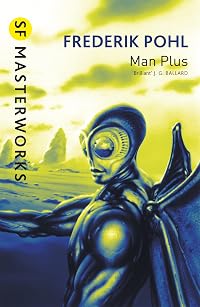

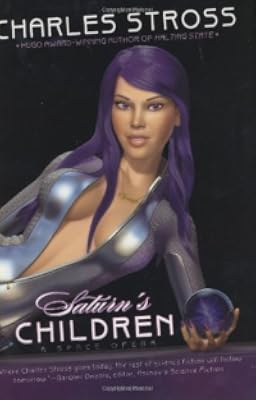


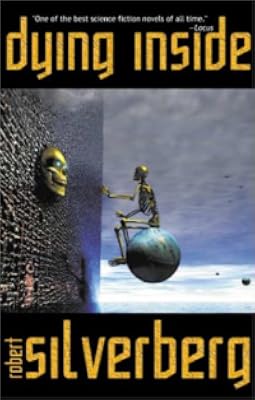

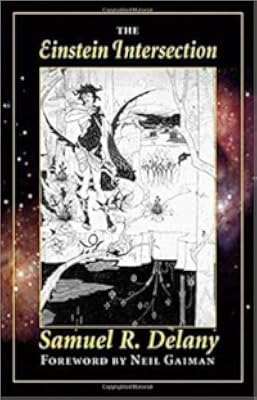
















Member Recommendations

Bridgey same sort of thing, different races being exploited.
Member Reviews
ORIGINALLY POSTED AT Fantasy Literature.
"Some of them are looking for God, and some of them are looking for power, and some of them are just looking."
Simeon Krug, a brilliant inventor, has changed the world by creating synthetic humans in vats. They are so similar to humans that, to avoid confusion, Krug made their skin a reddish color and gave them no body hair. To these androids, Krug is God, but he doesnƒ??t realize it. He thinks of them as mere machines and heÂ??s set them the task of building a giant glass tower which will reach into the heavens to communicate with the aliens who have been sending messages to Earth. KrugÂ??s son, poised to take over the company when his father dies, doesnÂ??t share KrugÂ??s obsession show more with talking to aliens, and he is particularly disturbed when he discovers the android religion. What will happen when the androids find out that Krug is not their salvation?
There arenÂ??t any likeable characters here, and itÂ??s hard for me to relate to androids, but Tower of Glass made me think (most of Robert SilverbergÂ??s stories make me think). In Tower of Glass, Silverberg uses androids to explore a common science fiction theme: What makes us human? IÂ??ve read dozens of stories which ask this question, but Tower of Glass will stick with me. Originally published in 1970, Tower of Glass has worn very well, probably because it deals with timeless human problems.
Krug�?s androids, who call themselves �?vat-born� to distinguish themselves from the �?womb-born,� are constructed with human DNA which has been altered to give them a slightly alien look and to make them hard-working faithful servants. What Krug didn�?t realize, perhaps, was that this human DNA would make them ambitious and would give them a desire to worship their creator. Under the leadership of Thor Watchman, the android who works as Krug�?s right-hand man in the tower project, they develop an entire religion around Krug. In their time off from building Krug�?s tower, they get involved in politics, build temples, write holy scriptures, hold worship services, conduct sacraments, chant and pray. Their chants and prayers consist of recitations of genetic code and their scriptures, modeled after the Christian Bible, speak of Krug�?s love for them and his plan to save them by transforming them, with genetic code, into full human beings after they die. It�?s understandable, then, that they�?d be a little upset when they find out that their religion is false and that they�?re not going to be saved after all.
As usual with a novel by Robert Silverberg, you have to suffer through some unpleasant sex scenes (I find many of SilverbergÂ??s sex scenes to be disturbing), but there are fewer far-out tangents in Tower of Glass than in some of his other stories and at least here there is some purpose to them here. The pace moves quickly and Silverberg packs in a lot of ideas as he shows us a newly developing android society that is dealing with the same kinds of issues that humans have always dealt with Â?? racism, caste systems, slavery, outcasts, ghettos, disease, drug abuse, political agitators, religious zealots, and the rise of an oppressed population. All the while Silverberg ratchets up the tension as the tower gets taller and Krug becomes more obsessed and noticeably less godlike.
I listened to Stefan Rudnicki narrate Audible Frontiers�? version of Tower of Glass. Rudnicki always gives a great reading �? he has a nice voice, he never overacts, and he always seems to �?get� what he reads. Tower of Glass was nominated for the Nebula, Hugo, and Locus awards.
ORIGINALLY POSTED AT Fantasy Literature. show less
"Some of them are looking for God, and some of them are looking for power, and some of them are just looking."
Simeon Krug, a brilliant inventor, has changed the world by creating synthetic humans in vats. They are so similar to humans that, to avoid confusion, Krug made their skin a reddish color and gave them no body hair. To these androids, Krug is God, but he doesnƒ??t realize it. He thinks of them as mere machines and heÂ??s set them the task of building a giant glass tower which will reach into the heavens to communicate with the aliens who have been sending messages to Earth. KrugÂ??s son, poised to take over the company when his father dies, doesnÂ??t share KrugÂ??s obsession show more with talking to aliens, and he is particularly disturbed when he discovers the android religion. What will happen when the androids find out that Krug is not their salvation?
There arenÂ??t any likeable characters here, and itÂ??s hard for me to relate to androids, but Tower of Glass made me think (most of Robert SilverbergÂ??s stories make me think). In Tower of Glass, Silverberg uses androids to explore a common science fiction theme: What makes us human? IÂ??ve read dozens of stories which ask this question, but Tower of Glass will stick with me. Originally published in 1970, Tower of Glass has worn very well, probably because it deals with timeless human problems.
Krug�?s androids, who call themselves �?vat-born� to distinguish themselves from the �?womb-born,� are constructed with human DNA which has been altered to give them a slightly alien look and to make them hard-working faithful servants. What Krug didn�?t realize, perhaps, was that this human DNA would make them ambitious and would give them a desire to worship their creator. Under the leadership of Thor Watchman, the android who works as Krug�?s right-hand man in the tower project, they develop an entire religion around Krug. In their time off from building Krug�?s tower, they get involved in politics, build temples, write holy scriptures, hold worship services, conduct sacraments, chant and pray. Their chants and prayers consist of recitations of genetic code and their scriptures, modeled after the Christian Bible, speak of Krug�?s love for them and his plan to save them by transforming them, with genetic code, into full human beings after they die. It�?s understandable, then, that they�?d be a little upset when they find out that their religion is false and that they�?re not going to be saved after all.
As usual with a novel by Robert Silverberg, you have to suffer through some unpleasant sex scenes (I find many of SilverbergÂ??s sex scenes to be disturbing), but there are fewer far-out tangents in Tower of Glass than in some of his other stories and at least here there is some purpose to them here. The pace moves quickly and Silverberg packs in a lot of ideas as he shows us a newly developing android society that is dealing with the same kinds of issues that humans have always dealt with Â?? racism, caste systems, slavery, outcasts, ghettos, disease, drug abuse, political agitators, religious zealots, and the rise of an oppressed population. All the while Silverberg ratchets up the tension as the tower gets taller and Krug becomes more obsessed and noticeably less godlike.
I listened to Stefan Rudnicki narrate Audible Frontiers�? version of Tower of Glass. Rudnicki always gives a great reading �? he has a nice voice, he never overacts, and he always seems to �?get� what he reads. Tower of Glass was nominated for the Nebula, Hugo, and Locus awards.
ORIGINALLY POSTED AT Fantasy Literature. show less
The Big Lebowski gets stuck in a late-60s early-70s "her breasts were..." sci-fi novel. I really enjoyed this one. The prose is a cut above, and the plot is well-constructed: All of the revolvers left on the mantelpiece in the first half of the novel are fired in sequence in the second half. Deeper themes of control and subjection are not really engaged, but they definitely make the novel discussable. I didn't mind the sexual objectification, since so much of the book is about objectification in general. I read this at the same time as Downward to Earth, and it has some of the same themes and topoi (mind melding, forced labor, etc.) But this is the better of the two. I'd really recommend it. Krug! Krug! Krug! Krug! Krug!
‘La torre de cristal’, escrita por Robert Silverberg en 1970, se ha convertido en todo un clásico con los años, y algunos de los temas que refleja todavía siguen estando de total vigencia en la ciencia ficción actual: religión, enfrentamiento entre humanidad y androides, el contacto con entidades extraterrestres, teleportación, la similitud entre entidad sintética inteligente y ser humano, etc.
La historia narra la empresa en la que se embarca el multimillonario Simeon Krug tras recibirse una señal de una estrella lejana: construir una torre de 1500 metros de altura en la tundra ártica, utilizando tecnología de taquiones, para mandar una respuesta. Para ello, este megalomaniaco no dudará en utilizar a sus androides, show more invento suyo, para terminar la torre a toda costa. Pero el argumento de la torre es un claro mcguffin, una mera excusa a través de la cual Silverberg puede hablarnos de los temas que realmente le interesan.
Como puntos a favor del libro, los temas mencionados anteriormente. Se trata de una novela que se lee bien, y además es breve, algo inédito en la literatura actual. Como puntos negativos, que son los que más peso tienen para mí, lo poco descriptivo de la parte tecnológica, y lo apresurado en la parte última de la trama, donde parece que Silverberg tenía prisa por terminar. No cabe duda de que es todo un clásico dentro de la extensísima obra de Silverberg, pero para mi gusto el autor tiene novelas mejores. show less
La historia narra la empresa en la que se embarca el multimillonario Simeon Krug tras recibirse una señal de una estrella lejana: construir una torre de 1500 metros de altura en la tundra ártica, utilizando tecnología de taquiones, para mandar una respuesta. Para ello, este megalomaniaco no dudará en utilizar a sus androides, show more invento suyo, para terminar la torre a toda costa. Pero el argumento de la torre es un claro mcguffin, una mera excusa a través de la cual Silverberg puede hablarnos de los temas que realmente le interesan.
Como puntos a favor del libro, los temas mencionados anteriormente. Se trata de una novela que se lee bien, y además es breve, algo inédito en la literatura actual. Como puntos negativos, que son los que más peso tienen para mí, lo poco descriptivo de la parte tecnológica, y lo apresurado en la parte última de la trama, donde parece que Silverberg tenía prisa por terminar. No cabe duda de que es todo un clásico dentro de la extensísima obra de Silverberg, pero para mi gusto el autor tiene novelas mejores. show less
Original Review, 1980-10-28)
If it is in fact Silverberg's intention to make the sexual encounters uncaring in order to give an indication of the interpersonal encounters of the society in general, then why attribute them to the androids in "The Glass Tower" since it seems that he is trying to make the point that the androids CAN care and that they should therefore be considered equal to the humans? Is this contradiction his intention? Has he thought things out far enough that he even notices the contradiction? Or is this whole idea about his conscious decision to make the encounters uncaring simply a rationalization made by certain parties who would not like to see this type of cheap filler taken out of certain SF novels. In any event, show more I will admit that certain authors have used the technique of including uncaring sexual encounters in SF novels in order to show just the type of decadent society that considers such encounters typical. A notable example is "Brave New World". However, in order to make such a point, the number of such encounters need not be inordinately high. I highly doubt that this is what Silverberg had in mind when he wrote "The Glass Tower". My thanks go out to MD@XX for his remark about the coverless paper-back rip-off (no pun intended). I was not aware of this practice. The place at which I purchased this and other books in the same condition is not a book store at all, but merely a corner convenience store in Lisbon.
My parting comment is that this discussion of "The Glass Tower" is rapidly becoming more boring than the material in the book that I was initially remarking about. Let us cease and desist and get on with another discussion.
Some of you may recall that about 6 months ago I made a title/author request for which the winning answer was "The Man in the Maze" by Robert Silverberg. Recently, I re-read the book for the first time since I was 14. The book was still excellent. Good plot, execution, even good sociological commentary. However, to appease my curiosity about the general quality of Silverberg books, I then read "The Glass Tower" which happened to be the only other book by him that I happened to have on hand. I was severely disappointed. He raised several conflicts early in the book (the messages from space; his own ensuing mental breakdown; the building of the tower; his differences with his son; and the android equality issue) that led me to a point of eager anticipation. However, he then spent the next 100 pages continuing with characterizations that were not getting any deeper as well as several (read "too many") somewhat boring sexual encounters. And then as the topper, he finishes up with an ending that only resolves one and possibly two of the conflicts. The others are simply sidestepped as if to say, "They really weren't important ones anyway".
I am not the type that objects to sex in SF. I am even willing to have a lot of sex in the book and enjoy having it there (for example, Heinlein's "Time Enough for Love"). However, I am not willing to have another boring sexual encounter on every other page. I began to feel as if I was reading a gothic romance! The sexual encounters should ADD something to the characterizations, or should be an integral part of the plot, in order to justify their existence.
I realize that this is not a new book by Silverberg, but I felt so strongly about this one that I just had to write this post. I will not take this as a final comment on Silverberg, either; I intend to read more in the hopes that other of his works will be better.
[2018 EDIT: This review was written at the time as I was running my own personal BBS server. Much of the language of this and other reviews written in 1980 reflect a very particular kind of language: what I call now in retrospect a “BBS language”.] show less
If it is in fact Silverberg's intention to make the sexual encounters uncaring in order to give an indication of the interpersonal encounters of the society in general, then why attribute them to the androids in "The Glass Tower" since it seems that he is trying to make the point that the androids CAN care and that they should therefore be considered equal to the humans? Is this contradiction his intention? Has he thought things out far enough that he even notices the contradiction? Or is this whole idea about his conscious decision to make the encounters uncaring simply a rationalization made by certain parties who would not like to see this type of cheap filler taken out of certain SF novels. In any event, show more I will admit that certain authors have used the technique of including uncaring sexual encounters in SF novels in order to show just the type of decadent society that considers such encounters typical. A notable example is "Brave New World". However, in order to make such a point, the number of such encounters need not be inordinately high. I highly doubt that this is what Silverberg had in mind when he wrote "The Glass Tower". My thanks go out to MD@XX for his remark about the coverless paper-back rip-off (no pun intended). I was not aware of this practice. The place at which I purchased this and other books in the same condition is not a book store at all, but merely a corner convenience store in Lisbon.
My parting comment is that this discussion of "The Glass Tower" is rapidly becoming more boring than the material in the book that I was initially remarking about. Let us cease and desist and get on with another discussion.
Some of you may recall that about 6 months ago I made a title/author request for which the winning answer was "The Man in the Maze" by Robert Silverberg. Recently, I re-read the book for the first time since I was 14. The book was still excellent. Good plot, execution, even good sociological commentary. However, to appease my curiosity about the general quality of Silverberg books, I then read "The Glass Tower" which happened to be the only other book by him that I happened to have on hand. I was severely disappointed. He raised several conflicts early in the book (the messages from space; his own ensuing mental breakdown; the building of the tower; his differences with his son; and the android equality issue) that led me to a point of eager anticipation. However, he then spent the next 100 pages continuing with characterizations that were not getting any deeper as well as several (read "too many") somewhat boring sexual encounters. And then as the topper, he finishes up with an ending that only resolves one and possibly two of the conflicts. The others are simply sidestepped as if to say, "They really weren't important ones anyway".
I am not the type that objects to sex in SF. I am even willing to have a lot of sex in the book and enjoy having it there (for example, Heinlein's "Time Enough for Love"). However, I am not willing to have another boring sexual encounter on every other page. I began to feel as if I was reading a gothic romance! The sexual encounters should ADD something to the characterizations, or should be an integral part of the plot, in order to justify their existence.
I realize that this is not a new book by Silverberg, but I felt so strongly about this one that I just had to write this post. I will not take this as a final comment on Silverberg, either; I intend to read more in the hopes that other of his works will be better.
[2018 EDIT: This review was written at the time as I was running my own personal BBS server. Much of the language of this and other reviews written in 1980 reflect a very particular kind of language: what I call now in retrospect a “BBS language”.] show less
Tower of Glass - Robert Silverberg ****
Simeon Krug is a man with a vision. He has always wanted to contact extraterrestrial life and when a strange signal is received hundreds of light years away he decides the only way in which to communicate would be to build a glass tower many hundreds of meters high. Not just a visionary but also a giver of life, Simeon has created the worlds first flesh androids and even divided them up into a simple class system. However, little does he know that the while he just regards them as property, they are looking towards Krug as a God. Can a man ever live up to expectations bestowed on a God? They are not just thinking for themselves but creating political parties for independence and even have a bible show more dictating ethics.
A really different type of book to one that I would normally read but I really enjoyed parts of it. The way the story unfolds is very closely mirroring the slavery period in worlds history, with all sorts of moral question being raised. The way Krug's relationship differs between his sons towards man made objects highlights a changing world and provides a glimmer of hope for the future of mankind. Why is Krug obsessed with finding new life in the stars when he has created his own on earth?
An easily recommendable book, but one that at time seemed a little too geeky for me, especially with all the Technology explanations, hence 4 stars instead of 5. show less
Simeon Krug is a man with a vision. He has always wanted to contact extraterrestrial life and when a strange signal is received hundreds of light years away he decides the only way in which to communicate would be to build a glass tower many hundreds of meters high. Not just a visionary but also a giver of life, Simeon has created the worlds first flesh androids and even divided them up into a simple class system. However, little does he know that the while he just regards them as property, they are looking towards Krug as a God. Can a man ever live up to expectations bestowed on a God? They are not just thinking for themselves but creating political parties for independence and even have a bible show more dictating ethics.
A really different type of book to one that I would normally read but I really enjoyed parts of it. The way the story unfolds is very closely mirroring the slavery period in worlds history, with all sorts of moral question being raised. The way Krug's relationship differs between his sons towards man made objects highlights a changing world and provides a glimmer of hope for the future of mankind. Why is Krug obsessed with finding new life in the stars when he has created his own on earth?
An easily recommendable book, but one that at time seemed a little too geeky for me, especially with all the Technology explanations, hence 4 stars instead of 5. show less
I'm beginning to see a pattern with Silverberg. He is a good writer with a good imagination and has contributed much to classic SF. But... I am finding I don't like many of his protagonist. It's hard to enjoy a book when you don't give a hoot for any of the characters.
I admit I didn't finish this one. It appears to be skillfully written with the usual amount of Silverberg sex scenes. Unfortunately, I could tell where this one was going early in the book and couldn't be bothered to watch it unfold.
I'll try more of his works but it may be a while.
I admit I didn't finish this one. It appears to be skillfully written with the usual amount of Silverberg sex scenes. Unfortunately, I could tell where this one was going early in the book and couldn't be bothered to watch it unfold.
I'll try more of his works but it may be a while.
Another great one by Silverberg. I love good standalone SF novels. Silverberg seems to enjoy exploring moral and social issues.
Members
- Recently Added By
Lists

Top Five Books of 2020
982 works; 350 members

Hugo Award Winners and Nominees
6 works; 1 member

Books Read in 2023
5,638 works; 147 members

1970 Club
85 works; 2 members
Author Information

988+ Works 62,613 Members
Some Editions
Awards and Honors
Awards
Series
Belongs to Publisher Series
Work Relationships
Common Knowledge
- Canonical title*
- Kinder der Retorte
- Original title
- Tower Of Glass
- Original publication date
- 1970
- People/Characters
- Simeon Krug; Thor Watchman, an android; Manuel Krug, Simeon's son; Clissa Krug, Manuel's wife; Leon Spaulding, an ectogene; Niccolo Vargas, an astronomer (show all 24); Quenelle, Simeon's wife; Caliban Driller, an android; Senator Henry Fearon; Nolan Bompensiero, factory supervisor; Lilith Meson, an android; Jed Guilbert, a friend of Manuel; Siegrfried Fileclerk, an android; Cassandra Nucleus, an android, Siegfried's wife; Will Mishima, a friend of Manuel; Cadge Foster, a friend of Manuel; Nick Ssu-ma, a friend of Manuel; Euclid Planner, an android; Pontifex Dispatcher, an android; Mazda Constructor, an android; Andromeda Quark, an android; Romulus Fusion, an android; Franz Giudice, an executive; Mordecai Salah al-Din, Speaker of Congress
- Important places
- Arctic
- First words
- Look, Simeon Krug wanted to say, a billion yars ago there wasn't even any man, there was only a fish.
- Last words
- (Click to show. Warning: May contain spoilers.)He begins his journey at last.
- Blurbers
- Ellison, Harlan
- Original language*
- Inglés
*Some information comes from Common Knowledge in other languages. Click "Edit" for more information.
Classifications
Statistics
- Members
- 797
- Popularity
- 35,062
- Reviews
- 13
- Rating
- (3.59)
- Languages
- 11 — English, French, German, Hungarian, Italian, Polish, Portuguese, Scots, Spanish, Swedish, Turkish
- Media
- Paper, Audiobook, Ebook
- ISBNs
- 28
- ASINs
- 21