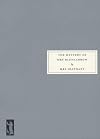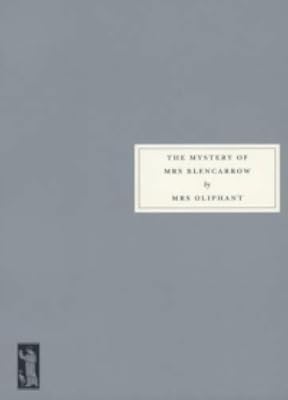
The Mystery of Mrs. Blencarrow {and} Queen Eleanor and Fair Rosamond
by Mrs. Oliphant
On This Page
Description
When Mrs Blencarrow's husband died a few years ago, his will left the management of the estate and the trusteeship of the children in her hands, adding as well her brothers' names as trustees, though this was more for form's sake than anything else. And since then (her eldest son still not of age), she has managed everything well with only a young man, Mr Brown the steward, to assist - a young man who belongs to a lower class and stays well in the background. Early in the novel there are show more hints that there is something more between Brown and Mrs Blencarrow. And then comes the rumour - that Mrs Blencarrow's name was seen in the marriage register at Gretna Green. A young gossip spreads the rumour - but does not recall what name was coupled with Mrs Blencarrow's! As the rumour spreads, the implication is that she has done something shameful and should have "no right" to the estate or to the guardianship of her own children. The novel maintains its suspense as the reader wonders what and how much will be revealed, and what will be the outcome for Mrs Blencarrow. show lessTags
Recommendations










Member Reviews
This, (shock! horror!) was my first Persephone read.....and what a wonderful introduction.
These two stories are like little mysteries.....one could even accuse them of being slightly gossipy mysteries. but they are not. The narrator tells them so that one could imagine them being the stuff of gossip. However Mrs Oliphant so deftly tells the tale that the reader holds much sympathy for the subject of the gossip and their dilemma. Indeed one might say that these tales are about gossip - society's desire for mystery and scandal and how an individual responds to society's expectations of behaviour. Despite these tales being written in the last century, nothing much changes in the world's appetite for a good story.
The first tale is about show more Mrs Blencarrow, who, her gossipy neighbour declares, is concealing something...Mrs Blencarrow seems to be high and mighty but as with all tall poppies, her neighbour would love to drag her down.....Mrs Blencarrow does indeed have something to conceal but ...well..you will have to read the story to find out more.....Some of the writing and mores seem quaint and in today's relaxed society, somewhat unfathomable in terms of potential catastrophe but the writing is compelling and much is revealed about the thoughts and lives of women in that era.
The second tale is more melancholy than the first but no less entrancing...what, after all, is scandal but the uncovering of our fellow human's foibles. We love scandal because we love to know that we are not alone in our failings. And we want to know how people will deal with the challenges of their lives. How does one confront one's husband's lover? it is no less challenging in the 19th century than in the 21st century. How does one save face? How does one protect the children? Even adult children? How does one protect one's self from damage - both personal and public?
The introduction to this slim volume also provides a glimpse of Mrs Oliphant's life which in itself sounded like the subject of a good book.
Easy but fascinating reading. All in all, I was a very satisfied reader of my first Persephone. show less
These two stories are like little mysteries.....one could even accuse them of being slightly gossipy mysteries. but they are not. The narrator tells them so that one could imagine them being the stuff of gossip. However Mrs Oliphant so deftly tells the tale that the reader holds much sympathy for the subject of the gossip and their dilemma. Indeed one might say that these tales are about gossip - society's desire for mystery and scandal and how an individual responds to society's expectations of behaviour. Despite these tales being written in the last century, nothing much changes in the world's appetite for a good story.
The first tale is about show more Mrs Blencarrow, who, her gossipy neighbour declares, is concealing something...Mrs Blencarrow seems to be high and mighty but as with all tall poppies, her neighbour would love to drag her down.....Mrs Blencarrow does indeed have something to conceal but ...well..you will have to read the story to find out more.....Some of the writing and mores seem quaint and in today's relaxed society, somewhat unfathomable in terms of potential catastrophe but the writing is compelling and much is revealed about the thoughts and lives of women in that era.
The second tale is more melancholy than the first but no less entrancing...what, after all, is scandal but the uncovering of our fellow human's foibles. We love scandal because we love to know that we are not alone in our failings. And we want to know how people will deal with the challenges of their lives. How does one confront one's husband's lover? it is no less challenging in the 19th century than in the 21st century. How does one save face? How does one protect the children? Even adult children? How does one protect one's self from damage - both personal and public?
The introduction to this slim volume also provides a glimpse of Mrs Oliphant's life which in itself sounded like the subject of a good book.
Easy but fascinating reading. All in all, I was a very satisfied reader of my first Persephone. show less
This edition by Persephone books collects two lesser known novellas by Mrs Oliphant (her ghost/supernatural stories are better known and have been reprinted). Both novellas are unsensational treatments of two of sensation fiction plot favourites: the Gretna Green secret marriage plot and the bigamy plot. For those used to Collins or Braddon, the novellas might seem a little flat and restrained, but that quality makes them unique and interesting.
This book is actually a collection of two novellas written by Margaret Oliphant in the late 1880's, which puts them squarely in the Victorian era. The expected ending of novels, at this time, was a marriage and happy family, but these two works rebuff such convention. In fact, the main characters in both of Mrs. Oliphant's stories are strong, loving, complicated women who are faced with very difficult situations that do not end happily at all.
In the first novella, THE MYSTERY OF MRS BLENCARROW, features a widow and her family who live in a large house in a small, English village. The villagers are very gossipy and nosy, and look for opportunities to elevate themselves by spreading scandal about their neighbors. Mrs. Blencarrow is a very show more proper and upright member of the community, which makes some of her neighbors particularly interested in unearthing even the tiniest bit of intrigue. When the daughter of a neighbor runs away with her beloved to elope in Scotland, she reads Mrs. Blencarrow's name in the marriage registry. She doesn't notice the name of the husband, and it becomes a great mystery as to who he is.
The second novella, QUEEN ELEANOR AND FAIR ROSAMOND, is loosely based on the ancient British story of Henry II's wife Queen Eleanor and his mistress Rosamund Clifford. The author presents a wealthy, long-married couple Mr. and Mrs. Lycett-Landon and their six children. They live near Liverpool, where Mr. Lycett-Landon has an office of his firm. When he starts spending more and more time at the London office, his wife gradually becomes concerned for his health and safety. What she discovers, upon her arrival at his office, is truly surprising and sends shock waves through the family.
There is an Afterward included in this text, which provides some historical and biographical information that adds depth to these two novellas. Unless you were a Mrs. Oliphant scholar, you would probably never pick up on these small details, but they are fascinating to read. However, ignoring the Afterward will in no way diminish the experience of reading these novellas. What diminished my reading experience were the issues of plot. I won't discuss specific examples, so as not to spoil the stories for those who haven't read them, but there are glaring plot holes that really diminished my enjoyment as a reader.
This is a really interesting duo of novellas from a mostly-forgotten, Victorian, female author. The author presents characters who go against the societal and literary conventions of the time. Marriages falter, people's darker sides come to light, and families suffer. Overall, the stories present a complex and diverse look at what many people assume to be an entirely genteel and quaint time in history. show less
In the first novella, THE MYSTERY OF MRS BLENCARROW, features a widow and her family who live in a large house in a small, English village. The villagers are very gossipy and nosy, and look for opportunities to elevate themselves by spreading scandal about their neighbors. Mrs. Blencarrow is a very show more proper and upright member of the community, which makes some of her neighbors particularly interested in unearthing even the tiniest bit of intrigue. When the daughter of a neighbor runs away with her beloved to elope in Scotland, she reads Mrs. Blencarrow's name in the marriage registry. She doesn't notice the name of the husband, and it becomes a great mystery as to who he is.
The second novella, QUEEN ELEANOR AND FAIR ROSAMOND, is loosely based on the ancient British story of Henry II's wife Queen Eleanor and his mistress Rosamund Clifford. The author presents a wealthy, long-married couple Mr. and Mrs. Lycett-Landon and their six children. They live near Liverpool, where Mr. Lycett-Landon has an office of his firm. When he starts spending more and more time at the London office, his wife gradually becomes concerned for his health and safety. What she discovers, upon her arrival at his office, is truly surprising and sends shock waves through the family.
There is an Afterward included in this text, which provides some historical and biographical information that adds depth to these two novellas. Unless you were a Mrs. Oliphant scholar, you would probably never pick up on these small details, but they are fascinating to read. However, ignoring the Afterward will in no way diminish the experience of reading these novellas. What diminished my reading experience were the issues of plot. I won't discuss specific examples, so as not to spoil the stories for those who haven't read them, but there are glaring plot holes that really diminished my enjoyment as a reader.
This is a really interesting duo of novellas from a mostly-forgotten, Victorian, female author. The author presents characters who go against the societal and literary conventions of the time. Marriages falter, people's darker sides come to light, and families suffer. Overall, the stories present a complex and diverse look at what many people assume to be an entirely genteel and quaint time in history. show less
In this Persephone number 89, we have two novellas, The Mystery of Mrs Blencarrow (1890 and Queen Eleanor and Fair Rosamond. Both the novellas in this book run along similar lines. The women are the stonger characters and drive the narrative, the men who are cause of their problems, have a lesser role, are weaker and less reliable.
Considering their themes of broken marriages, these novellas seem very un-Victorian like. Victorian society rules touch both central female characters: In the title novella, society is a harsh critic of Mrs Blencarrow when rumours of her secret marriage begin the circulate. In the second, Mrs Lycett-Landon avoids scandal and gossip, by keeping the truth of her husbands defection to herself.
This is a slight show more book, beautifully written, the tension of each plot, just right. These novellas sit perfectly together. Persephone do publish such charming books, and this is no exception. show less
Considering their themes of broken marriages, these novellas seem very un-Victorian like. Victorian society rules touch both central female characters: In the title novella, society is a harsh critic of Mrs Blencarrow when rumours of her secret marriage begin the circulate. In the second, Mrs Lycett-Landon avoids scandal and gossip, by keeping the truth of her husbands defection to herself.
This is a slight show more book, beautifully written, the tension of each plot, just right. These novellas sit perfectly together. Persephone do publish such charming books, and this is no exception. show less
Another fantastic selection from the great publishing house of Persephone Books!
Je continue mon exploration du catalogue de cette maison d’édition par un titre de l’Écossaise Mrs (Margaret) Oliphant (1828-1897), écrivaine victorienne en puissance. L’ouvrage rassemble deux nouvelles, très atypiques, The Mystery of Mrs Blencarrow et Queen Eleanor and Fair Rosamond.
Vous allez avoir l’impression que je dévoile beaucoup de l’histoire mais en fait, pour nous, lecteur moderne, le mystère semble évident tellement nous sommes habitués aux manipulations en matière amoureuse dans les romans.
La première histoire parle d’une femme, Mrs Blencarrow, veuve, hautement respectée dans son entourage (géographique et personnel). Elle gère seule (comprendre sans l’aide d’un homme) ses nombreux enfants, leurs show more fortunes car son mari l’avait jugée comme une femme avisée qui pouvait très bien se débrouiller toute seule. Elle est très bien secondé par un homme de confiance, Mr. Brown. Bien sûr, les gens du voisinage admirent mais sont extrêmement jaloux. Alors, quand par le plus grand des hasards, on apprend que Mrs Blencarrow s’est marié en secret … Les ragots commencent à circuler … Le pire est que ce mariage a eu lieu il y a trois ans ! Elle était veuve mais tout de même. Bien sûr, personne ne pense à se renseigner sur l’identité du mari. On comprend très vite que c’est le fameux Mr. Brown, même si Mrs Oliphant ne l’annonce pas avant la toute fin de cette nouvelle de 100 pages. Ils vivent leur amour en secret des enfants, du voisinage (même de nous).
À la lecture, cette nouvelle m’a paru incompréhensible. Elle était veuve, bon sang de bon soir ! J’ai lu ensuite la postface du livre, écrite par Merryn Williams, qui explique la vie de Mrs Oliphant mais aussi le contexte de cette nouvelle. D’après la postface, l’allusion est très claire à la reine Victoria, qui quand elle a perdu son mari en 1861, s’est vu soupçonné d’avoir une liaison avec un de ses domestiques, John Brown. Elle aussi était veuve, elle aussi avait beaucoup d’enfants à charge (9 si je ne me trompe pas). Il était humain qu’elle connaisse de nouveau l’amour à quarante ans (âge qu’a aussi Mrs Blencarrow dans la nouvelle). Visiblement non. La postface explique que les enfants dans le cœur des héroïnes de Mrs Oliphant tiennent un plus grand rôle dans leurs vies que leur féminité (c’était vraie aussi pour ma mère). Cela s’explique aussi parce que c’était ce que vivait l’auteur dans sa vie personnelle. Elle avait une famille nombreuse à charge et il est reconnu qu’elle n’a pas écrit que des chefs d’œuvre car elle était obligée d’écrire vite.
La deuxième nouvelle, d’une centaine de pages, est aussi absolument extraordinaire ! Avez-vous déjà lu dans des livres écrits à cette époque une histoire de double vie, dans le sens un homme est marié avec une femme puis en épouse une seconde. J’avais lu des histoires où on croyait le mari/la femme morte mais en fait ce n’était pas vrai mais la femme/le mari se sont mariés entre temps. Dans cette nouvelle, c’est clairement assumé ! Un homme, la cinquantaine, marchand à Liverpool, bien établi avec plein d’enfants est secondé avec succès par sa femme qui est clairement un élément de sa réussite. Tout à coup, il prétexte des voyages d’affaires à Londres qui doivent se répéter souvent car les affaires péricliteraient là bas. Là encore, lectrice moderne, j’avais flairé la double vie ! J’étais cependant fasciné par le fait de savoir si elle allait l’écrire. Oui, elle l’a fait. Le mari écrit un jour à la femme qu’il est malade et qu’il reste à Londres plus longtemps que prévu, la femme se précipite à Londres, ne le trouve pas au départ, le cherche et le trouve comme un jeune marié dans la maison d’une jeune demoiselle. Là encore, la première réaction est comment sauvegardé les enfants d’une telle infamie et cela va être l’obsession de la femme bafouée. J’ai trouvé cette nouvelle étonnante de modernité.
Un très bon recueil à mon avis, mais un peu triste car c’est tout de même deux mariages qui échouent. show less
Vous allez avoir l’impression que je dévoile beaucoup de l’histoire mais en fait, pour nous, lecteur moderne, le mystère semble évident tellement nous sommes habitués aux manipulations en matière amoureuse dans les romans.
La première histoire parle d’une femme, Mrs Blencarrow, veuve, hautement respectée dans son entourage (géographique et personnel). Elle gère seule (comprendre sans l’aide d’un homme) ses nombreux enfants, leurs show more fortunes car son mari l’avait jugée comme une femme avisée qui pouvait très bien se débrouiller toute seule. Elle est très bien secondé par un homme de confiance, Mr. Brown. Bien sûr, les gens du voisinage admirent mais sont extrêmement jaloux. Alors, quand par le plus grand des hasards, on apprend que Mrs Blencarrow s’est marié en secret … Les ragots commencent à circuler … Le pire est que ce mariage a eu lieu il y a trois ans ! Elle était veuve mais tout de même. Bien sûr, personne ne pense à se renseigner sur l’identité du mari. On comprend très vite que c’est le fameux Mr. Brown, même si Mrs Oliphant ne l’annonce pas avant la toute fin de cette nouvelle de 100 pages. Ils vivent leur amour en secret des enfants, du voisinage (même de nous).
À la lecture, cette nouvelle m’a paru incompréhensible. Elle était veuve, bon sang de bon soir ! J’ai lu ensuite la postface du livre, écrite par Merryn Williams, qui explique la vie de Mrs Oliphant mais aussi le contexte de cette nouvelle. D’après la postface, l’allusion est très claire à la reine Victoria, qui quand elle a perdu son mari en 1861, s’est vu soupçonné d’avoir une liaison avec un de ses domestiques, John Brown. Elle aussi était veuve, elle aussi avait beaucoup d’enfants à charge (9 si je ne me trompe pas). Il était humain qu’elle connaisse de nouveau l’amour à quarante ans (âge qu’a aussi Mrs Blencarrow dans la nouvelle). Visiblement non. La postface explique que les enfants dans le cœur des héroïnes de Mrs Oliphant tiennent un plus grand rôle dans leurs vies que leur féminité (c’était vraie aussi pour ma mère). Cela s’explique aussi parce que c’était ce que vivait l’auteur dans sa vie personnelle. Elle avait une famille nombreuse à charge et il est reconnu qu’elle n’a pas écrit que des chefs d’œuvre car elle était obligée d’écrire vite.
La deuxième nouvelle, d’une centaine de pages, est aussi absolument extraordinaire ! Avez-vous déjà lu dans des livres écrits à cette époque une histoire de double vie, dans le sens un homme est marié avec une femme puis en épouse une seconde. J’avais lu des histoires où on croyait le mari/la femme morte mais en fait ce n’était pas vrai mais la femme/le mari se sont mariés entre temps. Dans cette nouvelle, c’est clairement assumé ! Un homme, la cinquantaine, marchand à Liverpool, bien établi avec plein d’enfants est secondé avec succès par sa femme qui est clairement un élément de sa réussite. Tout à coup, il prétexte des voyages d’affaires à Londres qui doivent se répéter souvent car les affaires péricliteraient là bas. Là encore, lectrice moderne, j’avais flairé la double vie ! J’étais cependant fasciné par le fait de savoir si elle allait l’écrire. Oui, elle l’a fait. Le mari écrit un jour à la femme qu’il est malade et qu’il reste à Londres plus longtemps que prévu, la femme se précipite à Londres, ne le trouve pas au départ, le cherche et le trouve comme un jeune marié dans la maison d’une jeune demoiselle. Là encore, la première réaction est comment sauvegardé les enfants d’une telle infamie et cela va être l’obsession de la femme bafouée. J’ai trouvé cette nouvelle étonnante de modernité.
Un très bon recueil à mon avis, mais un peu triste car c’est tout de même deux mariages qui échouent. show less
Dec 19, 2012French
Ratings
Members
- Recently Added By
Lists

Persephone
148 works; 3 members
Author Information

246+ Works 3,153 Members
Margaret Oliphant Wilson Oliphant (née Margaret Oliphant Wilson) (4 April 1828 - 25 June 1897), was a Scottish novelist and historical writer who married her cousin, Frank Wilson Oliphant. Oliphant's first novel was published in 1849, Passages in the Life of Mrs. Margaret Maitland. The book dealt with the Scottish Free Church movement. Oliphant, show more during an often difficult life, wrote more than 120 works, including novels, books of travel and description, histories, and volumes of literary criticism. Among the best known of her works of fiction are: Adam Graeme (1852), The Marriage of Elinor (1892), The Ways of Life (1897). She died at Wimbledon, London, on 25 June 1897. (Bowker Author Biography) show less
Work Relationships
Common Knowledge
- Canonical title
- The Mystery of Mrs. Blencarrow {and} Queen Eleanor and Fair Rosamond
- Disambiguation notice
- This work contains both The Mystery of Mrs. Blencarrow and Queen Eleanor and Fair Rosamond. The Persephone Classics edition, ISBN 1903155797, is included in this work. Please don't combine with works that contain only The Mys... (show all)tery of Mrs. Blencarrow.
Classifications
Statistics
- Members
- 65
- Popularity
- 479,990
- Reviews
- 6
- Rating
- (3.75)
- Languages
- English, German
- Media
- Paper, Ebook
- ISBNs
- 4
- ASINs
- 1