Madness Visible: A Memoir of War
by Janine Di Giovanni
On This Page
Description
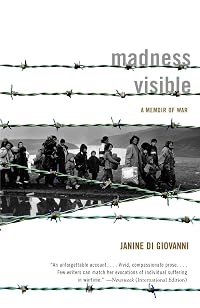
As a senior foreign correspondent for The Times of London, Janine di Giovanni was a firsthand witness to the brutal and protracted break-up of Yugoslavia. With unflinching sensitivity, Madness Visible follows the arc of the wars in the Balkans through the experience of those caught up in them: soldiers numbed by the atrocities they commit, women driven to despair by their life in paramilitary rape camps, civilians (di Giovanni among them) caught in bombing raids of uncertain origin, babies show more murdered in hate-induced rage. Di Giovanni’s searing memoir examines the turmoil of the Balkans in acute detail, and uncovers the motives of the leaders who created hell on earth; it raises challenging questions about ethnic conflict and the responsibilities of foreign governments in times of mass murder. Perceptive and compelling, this unique work of reportage from the physical and psychological front lines makes the madness of war wholly visible. show lessTags
Recommendations



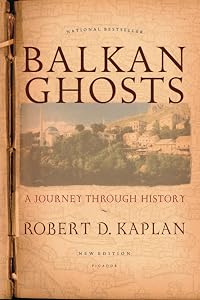

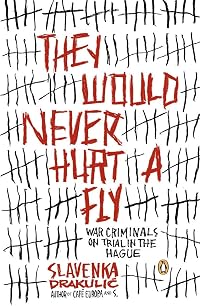
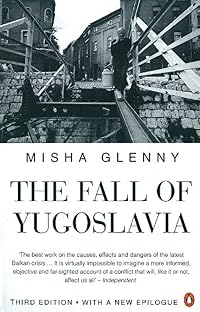



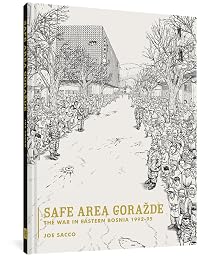

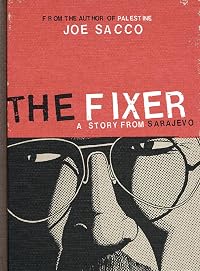
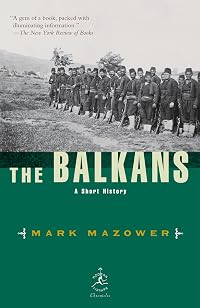
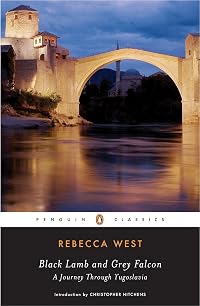
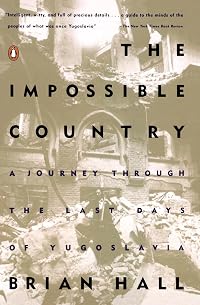
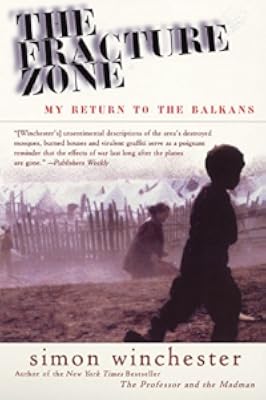
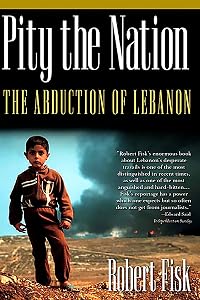





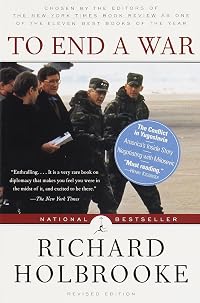
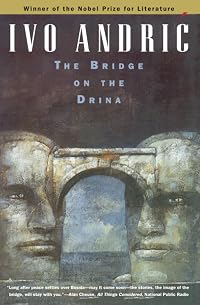
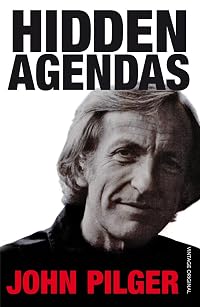


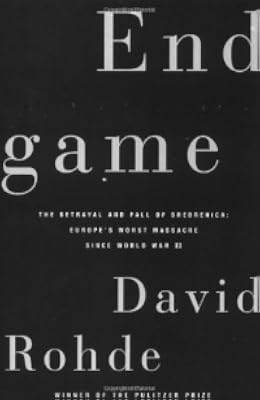


Member Recommendations


Member Reviews
This is a good book on the Balkan wars, but not the book that I wanted. I was looking for a general outline of the events in the former Yugoslavia in the 1990s. This book is much more personal. The style is punchy - short pieces related by individuals caught up in the appalling atrocities of the period. Participants appear in the text with no introduction, with no way of telling who they are or why they are being mentioned. There is no attempt to follow a chronology. But the writing is good; the content is compelling, heart-rending.
By the end I find myself better informed, but still feel a need for more information on the lead up to the events recounted. How could people become so incredibly inhumane to people who had been their show more neighbours, school friends, fellow workers? But I doubt that I will soon want to return to delve into this era of savagery and incomprehensible brutality. show less
By the end I find myself better informed, but still feel a need for more information on the lead up to the events recounted. How could people become so incredibly inhumane to people who had been their show more neighbours, school friends, fellow workers? But I doubt that I will soon want to return to delve into this era of savagery and incomprehensible brutality. show less
In this account of the war in Yugoslavia, Di Giovanni tries to explain the politics and factions at work here, the armies and paramilitary groups and the motivations behind their actions. I could not follow any of that, it is not her fault, she explains it very well, I just don't have a head for those kind of details. But in the interviews with the people affected, she interviews people from both sides of the conflicts, Serbians, Bosnains, Albanians and even some soldiers from Britain and France, you get the human story of the war, you see the madness of war.
She traveled extensively in the country, through dangerous areas, at one point she and some French colleagues thought they might be murdered by Serbians. She writes with candor and show more when she mentions destroying a notebook so her captors wouldn't find it, I could feel how tense the situation was.
I recommend this book. show less
She traveled extensively in the country, through dangerous areas, at one point she and some French colleagues thought they might be murdered by Serbians. She writes with candor and show more when she mentions destroying a notebook so her captors wouldn't find it, I could feel how tense the situation was.
I recommend this book. show less
In this account of the war in Yugoslavia, Di Giovanni tries to explain the politics and factions at work here, the armies and paramilitary groups and the motivations behind their actions. I could not follow any of that, it is not her fault, she explains it very well, I just don’t have a head for those kind of details. But in the interviews with the people affected, she interviews people from both sides of the conflicts, Serbians, Bosnains, Albanians and even some soldiers from Britain and France, you get the human story of the war, you see the madness of war.
She traveled extensively in the country, through dangerous areas, at one point she and some French colleagues thought they might be murdered by Serbians. She writes with candor show more and when she mentions destroying a notebook so her captors wouldn’t find it, I could feel how tense the situation was.
I recommend this book. show less
She traveled extensively in the country, through dangerous areas, at one point she and some French colleagues thought they might be murdered by Serbians. She writes with candor show more and when she mentions destroying a notebook so her captors wouldn’t find it, I could feel how tense the situation was.
I recommend this book. show less
Janine di Giovanni writes well, and I'd recommend for anyone with either an enjoyment of war reportage, or decent knowledge about the war in the former Yugoslavia. I have neither.
Ratings
Members
- Recently Added By
Author Information

14+ Works 490 Members
Janine di Giovanni, Middle East editor of Newsweek and contributing editor at Vanity Fair, has won seven major awards, including the National Magazine Award and two Amnesty International Awards. Her work is widely anthologized, and her article from Harper's, "Life during Wartime," was chosen by Paul Theroux for The Best American Travel Writing. show more The author of seven books, di Giovanni is a graduate of the Iowa Writers' Workshop and the Fletcher School of Law and Diplomacy, where she was a Pakis Fellow. She lives in Paris. show less
Classifications
- Genres
- Nonfiction, History, General Nonfiction, Biography & Memoir
- DDC/MDS
- 949.7103 — History & geography History of Europe Greece, Albania, Yugoslavia, Serbia, Romania, Bulgaria Former Yugoslavia (Bosnia and Herzegovina ∙ Croatia ∙ Kosovo ∙ Montenegro ∙ Macedonia ∙ Serbia ∙ Slovenia) [formerly also Bulgaria] Serbia; Kosovo
- LCC
- DR2087.7 .D5 — History of Europe, Asia, Africa and Oceania Balkan Peninsula History of Balkan Peninsula Yugoslavia Local history and description Serbia Kosovo
- BISAC
Statistics
- Members
- 96
- Popularity
- 332,436
- Reviews
- 4
- Rating
- (3.19)
- Languages
- Dutch, English
- Media
- Paper, Ebook
- ISBNs
- 7
- ASINs
- 2