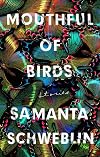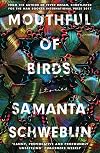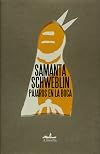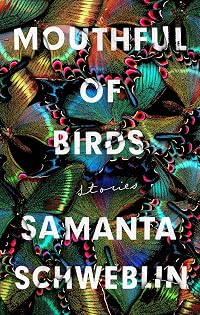
Mouthful of Birds: Stories
by Samanta Schweblin
On This Page
Description
Schweblin's stories have the feel of a sleepless night, where every shadow and bump in the dark take on huge implications; they leave your pulse racing and the line between the real and the strange blurring. In the tradition of Raymond Carver and Flannery O'Connor, Schweblin's stories move on the boundary between the real and the fantastic. This selection, chosen by the author, is an indispensible piece of contemporary Argentine literature.Tags
Recommendations
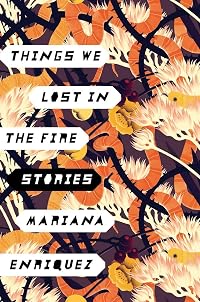
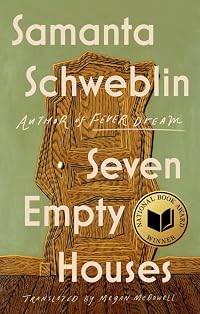

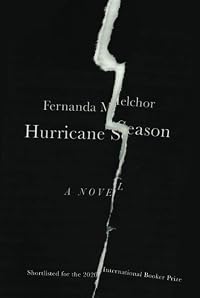


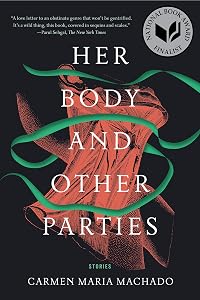

















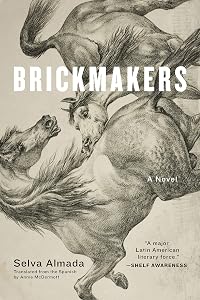

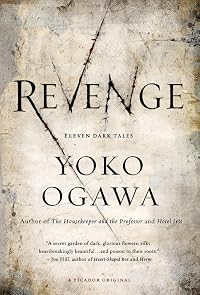
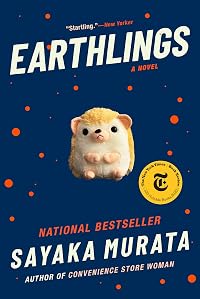

Member Recommendations
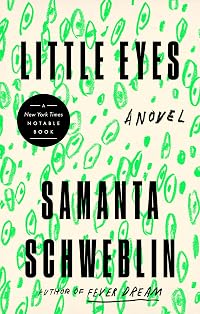
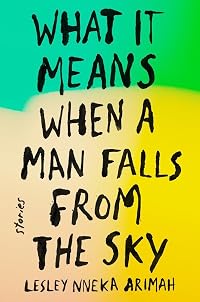
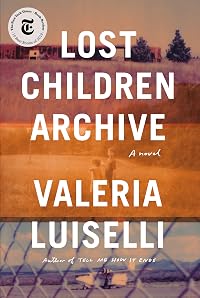
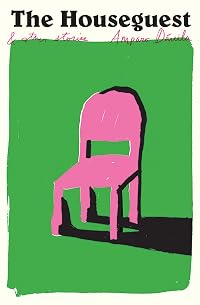
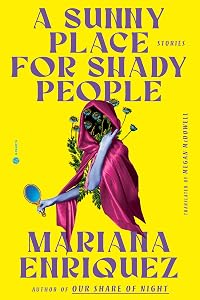
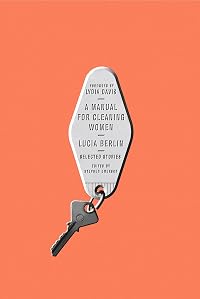
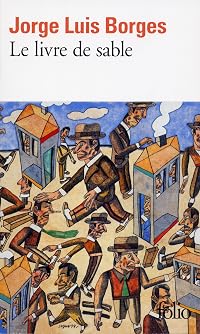
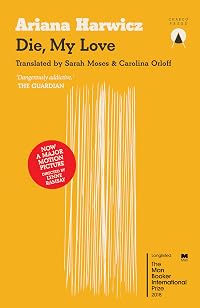
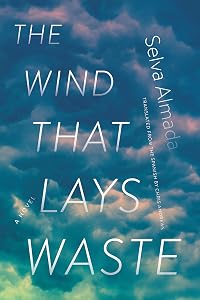
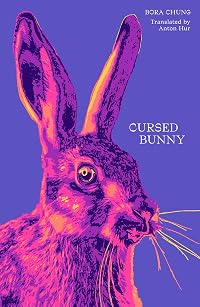
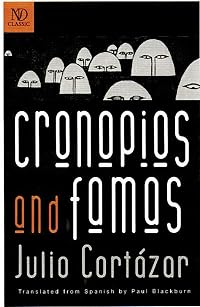
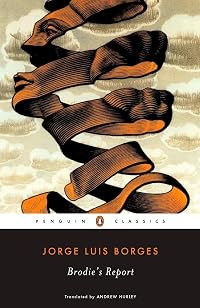
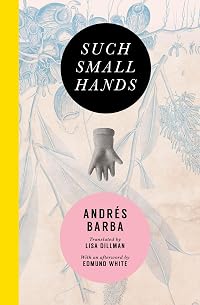
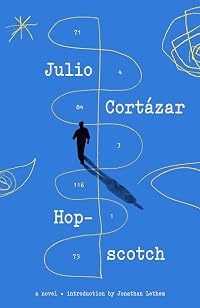
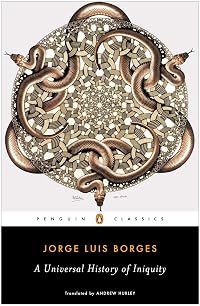
RidgewayGirl Both are South American writers who use horror and an off-beat point of view.
20
Member Reviews
Fever Dream (Schweblin's novella published in English in 2017) is one of my favorite books -- precisely written and haunting, it captures the anxieties of motherhood amazingly well. So I was very excited to read this collection of short stories. From what I understand, Mouthful of Birds was originally published in Spanish in 2010 (and in English in 2019). Fever Dream was originally published in Spanish in 2014 (and published in English in 2017). Meaning the stories in Mouthful of Birds were originally written some time before Fever Dream. Some of these stories do feel like an author's early work. Rather than finding that a negative, I find it exciting to get to see how Schweblin's writing has progressed (and it makes me excited for what show more Schweblin will be publishing next). She is not a static writer by any means and appears interested in exploring and poking at boundaries. Two stories in this collection are some of my favorite short stories ever: "Olingiris" and "A Great Effort." ("A Great Effort" had interesting hints of Fever Dream - "Then the boy put down the puppet and he looked out from the stage himself. He hid behind the curtain for a few seconds and then appeared again. The pain he felt every time his son disappeared was something brutal. Every time the boy hid behind the curtain again, an invisible thread pulled at him violently."!!). These two pieces are odd, emotional, subtle, and moving in the best way. Other favorites from this collection include "Mouthful of Birds," "Heads Against Concrete," "Underground" (creepy story about parenthood, also reminded me of Fever Dream a little), and "On the Steppe." Some of the other stories I didn't connect with as much, but I think that's expected in a collection. show less
Mouthful of Birds is a strange and surreal collection of twenty short stories. I truly cannot remember the last time fiction chilled me so thoroughly. Schweblin’s assortment of ghosts and ghouls are met with equally unsettling accounts of purely human tendencies: desires, jealousies, anger, hatred. Amid these, stories form and dissipate - she does not always provide you with a neat conclusion, but yet they stick in the mind.
In the titular story, Mouthful of Birds, a father tries to overcome his revulsion to his daughter’s diet: she eats tiny birds, swallows them whole and stores the bones in boxes, and will not eat anything else offered. Her mother, unable to cope, leaves her with the father, but supplies the birds, until one day, show more she’s ill and he must go out and procure the tiny, feathered, quivering creature, knowing what will happen. It is of course an exaggerated way of presenting the classic parental fear: what do you when your child does things you cannot reconcile to yourself? It is impossible to shake off the image of the little child with her bloody mouth and her piles and piles of shoebox coffins. She take entirely normal situations, and transmutes them into these looming horror-filled landscapes. ‘On the Steppe’ features an infertile couple who are trying not to conceive, but to hunt down some unnamed creature lurking in the darkness, and ‘Preserves’ is a chilling take on abortion.
In an interview, she said that Kafka has been a primary influence and you can see this particularly in stories where she is exploring themes of solitude, loneliness, and helplessness. In ‘Toward Happy Civilisation’ a man is stranded at a provincial train station because he has no change to buy a ticket. Trains come and go, the stationmaster will give him food, coffee, shelter, a blanket, but no ticket, and soon he discovers that he isn’t the only one. It is an unsubtle, but effective story. In ‘Headlights’, the opening story, a bride abandoned by the highway waits for her groom to return, even while she is joined by other abandoned women who assure her that he won’t. ‘Digging’ has a man on holiday who encounters another fellow digging a deep hole for no reason: when he abandons the task, the man takes it up, although he cannot say why. Schweblin’s two strongest stories in this collection both revolve around the artistic process. In ‘The Heavy Suitcase of Benavides’ a man confesses to murdering his wife and stuffing her in a suitcase. His doctor decides to convert the bag into a chilling installation, and no one is perturbed by this except the murderer himself. ‘Heads Against Concrete’ features a man who has found a way to unite his two favourite hobbies - violence and painting – by becoming a successful artist who paints heads being smashed on surfaces. In both stories, Schweblin is satirizing a particular cultural milieu, in ways that are emphatic and in a dark way, often funny.
While some of these stories are stronger than others, I think she has a very fine voice and neat, precise way of writing that allows her to create an entire landscape of horror in just a few pages. Recommended. show less
In the titular story, Mouthful of Birds, a father tries to overcome his revulsion to his daughter’s diet: she eats tiny birds, swallows them whole and stores the bones in boxes, and will not eat anything else offered. Her mother, unable to cope, leaves her with the father, but supplies the birds, until one day, show more she’s ill and he must go out and procure the tiny, feathered, quivering creature, knowing what will happen. It is of course an exaggerated way of presenting the classic parental fear: what do you when your child does things you cannot reconcile to yourself? It is impossible to shake off the image of the little child with her bloody mouth and her piles and piles of shoebox coffins. She take entirely normal situations, and transmutes them into these looming horror-filled landscapes. ‘On the Steppe’ features an infertile couple who are trying not to conceive, but to hunt down some unnamed creature lurking in the darkness, and ‘Preserves’ is a chilling take on abortion.
In an interview, she said that Kafka has been a primary influence and you can see this particularly in stories where she is exploring themes of solitude, loneliness, and helplessness. In ‘Toward Happy Civilisation’ a man is stranded at a provincial train station because he has no change to buy a ticket. Trains come and go, the stationmaster will give him food, coffee, shelter, a blanket, but no ticket, and soon he discovers that he isn’t the only one. It is an unsubtle, but effective story. In ‘Headlights’, the opening story, a bride abandoned by the highway waits for her groom to return, even while she is joined by other abandoned women who assure her that he won’t. ‘Digging’ has a man on holiday who encounters another fellow digging a deep hole for no reason: when he abandons the task, the man takes it up, although he cannot say why. Schweblin’s two strongest stories in this collection both revolve around the artistic process. In ‘The Heavy Suitcase of Benavides’ a man confesses to murdering his wife and stuffing her in a suitcase. His doctor decides to convert the bag into a chilling installation, and no one is perturbed by this except the murderer himself. ‘Heads Against Concrete’ features a man who has found a way to unite his two favourite hobbies - violence and painting – by becoming a successful artist who paints heads being smashed on surfaces. In both stories, Schweblin is satirizing a particular cultural milieu, in ways that are emphatic and in a dark way, often funny.
While some of these stories are stronger than others, I think she has a very fine voice and neat, precise way of writing that allows her to create an entire landscape of horror in just a few pages. Recommended. show less
‘’Calderón, on the other hand, stands motionless. He can’t bring himself to lift his foot from the one he has killed. He is, perhaps, afraid of recognizing his girl’s colours on the dead wings.’’
Twenty stories full of darkness. Deep, impenetrable, untraceable, lingering in our souls. Stories told in a strange place between reality and a world we meet in our dreams. Or are they actually hallucinations that reveal our true colours? In Schweblin's collection, the boundaries between human relationships and violence are extremely thin. Birds are eaten alive, butterflies are destroyed, children present the greatest mystery. Are they a projection of our true nature before this is influenced by external factors? Is parenthood an show more act of uncertainty, a leap of faith? Are human beings destined to be alone even if we are surrounded by family and loved ones? Are we all prone to commit the ultimate acts of violence when prompted by the slightest trigger?
Samanta Schweblin's stories don't need verbose tricks. Her writing is minimalistic, yet extremely intricate in its gifted simplicity. Through innocuous moments of our daily life, circumstances beyond our imagination arise, turning the surreal and the macabre into a tangible reality that the reader experiences with merciless force. In every story, you encounter a hidden aspect, a wish locked in a chest that you may be too afraid to open. You realise that the intense feeling of something being wrong lies next to you, extending a finger pointing at us. Each story is a universe, a dream we are desperately trying to wake from. In vain.
Children are turning into butterflies. Women find themselves a part of a wedding ritual that thwarts their dreams. Mothers are able to delay the birth of their children ''until the time is right.'' A teenage girl gives in to absurd cravings. A train that never reaches its destination, condemned in an eternal schedule, repeated on and on and on. An emissary comes face-to-face with a starving crowd. An artist with violent urges. A family drama unfolds in a toy shop. Children are swallowed by the pit they dug. A couple, living on the steppe, longs for a child. A man murders his wife and is treated as an artist by a corrupted psychiatrist.
Continuing the tradition of Borges and Cortázar, Schweblin creates a collection that is eerie, haunting, and merciless. Two of her stories, Butterflies and On The Steppe are so flawless that you will read them again and again. Mouthful of Birds is one of those unique books that mirror our soul in a dark room. It is like a hazy dream that frightened us even though we are unable to recall its details the moment we wake up. It is a monumental work in today's Short Story genre, in a brilliant translation by Megan McDowell.
''Then the madness began. They say that one night a woman heard noises in her house. They were coming from the floor, as if a rat or a mole were digging underneath it. Her husband found her moving the furniture, pulling up the rugs, shouting her son's name while she pounded the floor with her fists. Other parents started to hear the same noises. They moved all the furniture into the corners of their homes. They pulled up the floorboards with their hands. They knocked down basement walls with hammers, dug up their yards, emptied the wells. They filled the dirt streets with holes. They threw things inside, like food, coats, toys, then they covered them over again. They stopped burying their garbage. They dug up their few dead bodies from the cemetery. It's said that some parents kept digging day and night in the empty lot, and that they stopped only when exhaustion or madness finished off their bodies.''
My reviews can also be found on https://theopinionatedreaderblog.wordpress.com/ show less
Twenty stories full of darkness. Deep, impenetrable, untraceable, lingering in our souls. Stories told in a strange place between reality and a world we meet in our dreams. Or are they actually hallucinations that reveal our true colours? In Schweblin's collection, the boundaries between human relationships and violence are extremely thin. Birds are eaten alive, butterflies are destroyed, children present the greatest mystery. Are they a projection of our true nature before this is influenced by external factors? Is parenthood an show more act of uncertainty, a leap of faith? Are human beings destined to be alone even if we are surrounded by family and loved ones? Are we all prone to commit the ultimate acts of violence when prompted by the slightest trigger?
Samanta Schweblin's stories don't need verbose tricks. Her writing is minimalistic, yet extremely intricate in its gifted simplicity. Through innocuous moments of our daily life, circumstances beyond our imagination arise, turning the surreal and the macabre into a tangible reality that the reader experiences with merciless force. In every story, you encounter a hidden aspect, a wish locked in a chest that you may be too afraid to open. You realise that the intense feeling of something being wrong lies next to you, extending a finger pointing at us. Each story is a universe, a dream we are desperately trying to wake from. In vain.
Children are turning into butterflies. Women find themselves a part of a wedding ritual that thwarts their dreams. Mothers are able to delay the birth of their children ''until the time is right.'' A teenage girl gives in to absurd cravings. A train that never reaches its destination, condemned in an eternal schedule, repeated on and on and on. An emissary comes face-to-face with a starving crowd. An artist with violent urges. A family drama unfolds in a toy shop. Children are swallowed by the pit they dug. A couple, living on the steppe, longs for a child. A man murders his wife and is treated as an artist by a corrupted psychiatrist.
Continuing the tradition of Borges and Cortázar, Schweblin creates a collection that is eerie, haunting, and merciless. Two of her stories, Butterflies and On The Steppe are so flawless that you will read them again and again. Mouthful of Birds is one of those unique books that mirror our soul in a dark room. It is like a hazy dream that frightened us even though we are unable to recall its details the moment we wake up. It is a monumental work in today's Short Story genre, in a brilliant translation by Megan McDowell.
''Then the madness began. They say that one night a woman heard noises in her house. They were coming from the floor, as if a rat or a mole were digging underneath it. Her husband found her moving the furniture, pulling up the rugs, shouting her son's name while she pounded the floor with her fists. Other parents started to hear the same noises. They moved all the furniture into the corners of their homes. They pulled up the floorboards with their hands. They knocked down basement walls with hammers, dug up their yards, emptied the wells. They filled the dirt streets with holes. They threw things inside, like food, coats, toys, then they covered them over again. They stopped burying their garbage. They dug up their few dead bodies from the cemetery. It's said that some parents kept digging day and night in the empty lot, and that they stopped only when exhaustion or madness finished off their bodies.''
My reviews can also be found on https://theopinionatedreaderblog.wordpress.com/ show less
Samanta Schweblin is an Argentinian author whose work is finally being translated into English, first with Fever Dream and now with a collection of short stories called Mouthful of Birds. The stories in this collection are varied, but share a sense of discomfort, of things being off-kilter, of the ordinary rules not applying. A man murders his wife and stuffs her body into a suitcase only to find that his actions are badly misunderstood. A father comes to terms with his daughter's changing diet needs. An unhappy woman meets a merman.
Each story is odd, unsettling, and none of them are interested in answering any questions a reader might have. Stories begin in the middle or stop before or during the the moment of crisis. Backstories are show more hinted at. These are not stories to rush through, but to read singly, with time to mull over what happened or didn't happen or might happen later. There's often the sense of the environment being destroyed or turning against the people living in it. Intriguing and not necessarily satisfying, I'm eager to read more by this author. show less
Each story is odd, unsettling, and none of them are interested in answering any questions a reader might have. Stories begin in the middle or stop before or during the the moment of crisis. Backstories are show more hinted at. These are not stories to rush through, but to read singly, with time to mull over what happened or didn't happen or might happen later. There's often the sense of the environment being destroyed or turning against the people living in it. Intriguing and not necessarily satisfying, I'm eager to read more by this author. show less
So delightfully weird I even liked the ones I didn't understand.
Schweblin has such a particular style that speaks directly to an instinctual understanding. I'll remember these stories the way I remember a vivid dream the next morning, with pockets of confusion but a certainty of its import.
Schweblin has such a particular style that speaks directly to an instinctual understanding. I'll remember these stories the way I remember a vivid dream the next morning, with pockets of confusion but a certainty of its import.
The first four stories were creepy masterpieces. The rest felt like sketches where Schweblin explores themes that will no doubt be the core of her work as a writer, and that recall the everyday dread of Fever Dream: the weirdness of family; the impossibility of knowing even those you know best; the way everyday routine can decay unexpectedly into chaos and terror. In real life it’s an accident or unexpected illness; in these stories it’s learning your daughter is eating live birds or that the butterfly you just killed wasn’t a butterfly at all. The terrors here are metaphorical phantasms but they map onto real-life fears and that is what makes these stories powerful rather than just macabre.
An unsettling pleasure.
These stories each approach their worlds with eerie humor and rich horror - like Clarice Lispector writing a Flannery O'Connor short or Shirley Jackson writing as Bruno Schulz. Inventive, alluring, surprising, and still with the feeling of inevitability. Vibrant, strange, and supremely enjoyable.
These stories each approach their worlds with eerie humor and rich horror - like Clarice Lispector writing a Flannery O'Connor short or Shirley Jackson writing as Bruno Schulz. Inventive, alluring, surprising, and still with the feeling of inevitability. Vibrant, strange, and supremely enjoyable.
Members
- Recently Added By
Lists

Diverse Horror
262 works; 6 members
Author Information

36+ Works 3,837 Members
Some Editions
Awards and Honors
Awards
Distinctions
Notable Lists
Series
Belongs to Publisher Series
Work Relationships
Contains
Common Knowledge
- Original title
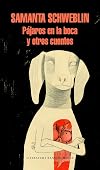
- Pájaros en la boca
- Original publication date
- 2008 [original Spanish]; 2019 [English: Megan McDowell]
- Important places
- Argentina
- Dedication
- To my grandparents Susana Soro and Alfredo de Vincenzo
- First words
- When she reaches the road, Felicity understands her fate.
- Last words
- (Click to show. Warning: May contain spoilers.)The opening has been a success.
- Blurbers
- Coetzee, J.M.
- Original language
- Spanish
Classifications
- Genres
- General Fiction, Fiction and Literature, Horror
- DDC/MDS
- 863.64 — Literature & rhetoric Spanish Literature Spanish fiction 20th Century 1945-2000
- LCC
- PQ7798.29 .C5388 .A2 — Language and Literature French, Italian, Spanish and Portuguese literatures Spanish literature Provincial, local, colonial, etc. Spanish America
- BISAC
Statistics
- Members
- 693
- Popularity
- 41,234
- Reviews
- 27
- Rating
- (3.63)
- Languages
- 10 — Dutch, English, French, German, Hungarian, Italian, Portuguese, Romanian, Spanish, Turkish
- Media
- Paper, Audiobook, Ebook
- ISBNs
- 38
- ASINs
- 4