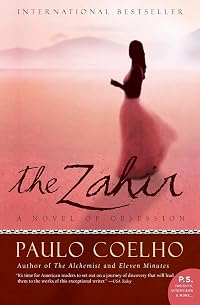
The Zahir
by Paulo Coelho
On This Page
Description
The narrator of The Zahir is a bestselling novelist who lives in Paris and enjoys all the privileges money and celebrity bring. His wife of ten years, Esther, is a war correspondent who has disappeared along with a friend, Mikhail, who may or may not be her lover. Was Esther kidnapped, murdered, or did she simply escape a marriage that left her unfulfilled? The narrator doesn't have any answers, but he has plenty of questions of his own. Then one day Mikhail finds the narrator and promises show more to reunite him with his wife. In his attempt to recapture a lost love, the narrator discovers something unexpected about himself. show lessTags
Recommendations


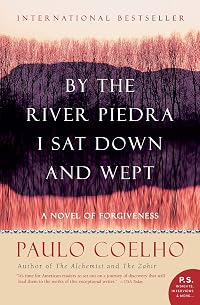

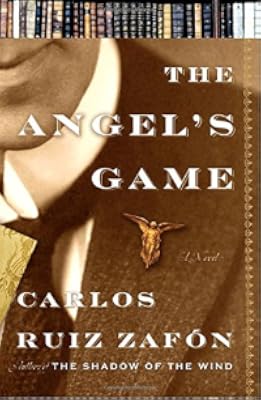
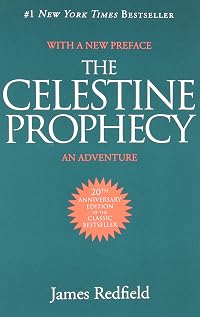
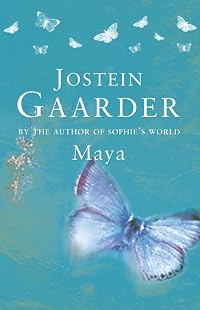













Member Reviews
The Zahir by Paulo Coelho begins with an intriguing premise—the sudden disappearance of the narrator's wife, setting the stage for a deeply personal and spiritual quest. Initially, the book holds promise with its philosophical undertones and introspective narrative. I was drawn in, expecting an enriching story of love, loss, and self-discovery. However, as I progressed, the plot started to feel unnecessarily stretched, with long, reflective passages that didn't quite add up to a cohesive storyline. The emotional transitions often felt vague and distant, making it hard to connect with the narrator’s journey. While Coelho's signature style of blending mysticism and introspection is present, it lacked the clarity and impact I’ve show more found in his other works. This was, unfortunately, the only book by him that didn’t resonate with me. It felt more like a monologue of scattered thoughts than a compelling narrative, leaving me disappointed despite my high expectations. I would give the book 3 stars. show less
Completely unexpected...it's one of those novels that says so much you have to read it 50 times to understand even a paragraph the way it deserves to be understood.One of the things I love most about Coelho is the...almost Pagan...approach to things. If you have very traditional concepts of love, marriage, religion, nature and miracles, I don't think you'd get very much out of this. For me, Coelho's works are explorations of things I already feel and believe without giving in to confirmation bias. I thought this story would be dark, a sort of descent into madness. It turned out to be anything but that. It's rather a story of redemption from obsession, and not just any obsession, but the obsession with the way things are supposed to be. show more That is the ultimate Zahir, and a Zahir that belongs to all of us at one time or another. show less
It took me a year to finish this book. There are two reasons- 1. I am too busy and 2. This book is indeed too lengthy, started with a simple incident (A famous writer living in Paris whose wife is a war correspondent. After being married for ten years, one day she left, without any trace.) and the writer clung to that incident and elongated (unnecessarily) the book.
I started to read this book in spite of reading all sorts of negative reviews and ratings on Goodreads. I did not have high expectation from this book. I love to read Paulo Coelho's books because his books always give me some questions to think through. I read a number of his books. All the books promoted the same thing, yet they have different questions of their own. What I show more love about this book are the quotes. I loved this particular conversation. This was part of an interview which the wife of the writer, Esther took once. She was arguing with her husband about, people are not happy:
'No, what they say is: "When the children have grown up, when my husband- or my wife- has become more my friend than my passionate lover, when I retire, then I'll have time to do what I always wanted to do: travel." Question: "But didn't you say you were happy now? Aren't you already doing what you always wanted to do?" Then they say they are very busy and change the subject.'
This part got me thinking, am I happy with my life? I got no clear answer from my heart. Like the person that Esther interviewed, I have everything that a person can think of, and yet I think of doing something I always wanted to do. It's contradictory, isn't it?
Another favourite part of mine:
"Our children must follow in our footsteps: after all, we are older and know about the world.
We must have a university degree even if we never get a job in the area of knowledge we were forced to study.
We must study things that we will never use, but which someone told us important to know: algebra, trigonometry, the code of Hammurabi.
We must never make our parents sad, even if it means giving up everything that makes us happy."
This particular excerpt summarizes my life that I am leading now. When you are a depressed engineering student, all you love is some veracities from a foreign writer. Those veracities are your words written in the magic of another person, in this case, writer Paulo Coelho.
Therefore, if I cut through the re-iterating part of this book, this book is not at all that bad.
3.5 stars actually. show less
I started to read this book in spite of reading all sorts of negative reviews and ratings on Goodreads. I did not have high expectation from this book. I love to read Paulo Coelho's books because his books always give me some questions to think through. I read a number of his books. All the books promoted the same thing, yet they have different questions of their own. What I show more love about this book are the quotes. I loved this particular conversation. This was part of an interview which the wife of the writer, Esther took once. She was arguing with her husband about, people are not happy:
'No, what they say is: "When the children have grown up, when my husband- or my wife- has become more my friend than my passionate lover, when I retire, then I'll have time to do what I always wanted to do: travel." Question: "But didn't you say you were happy now? Aren't you already doing what you always wanted to do?" Then they say they are very busy and change the subject.'
This part got me thinking, am I happy with my life? I got no clear answer from my heart. Like the person that Esther interviewed, I have everything that a person can think of, and yet I think of doing something I always wanted to do. It's contradictory, isn't it?
Another favourite part of mine:
"Our children must follow in our footsteps: after all, we are older and know about the world.
We must have a university degree even if we never get a job in the area of knowledge we were forced to study.
We must study things that we will never use, but which someone told us important to know: algebra, trigonometry, the code of Hammurabi.
We must never make our parents sad, even if it means giving up everything that makes us happy."
This particular excerpt summarizes my life that I am leading now. When you are a depressed engineering student, all you love is some veracities from a foreign writer. Those veracities are your words written in the magic of another person, in this case, writer Paulo Coelho.
Therefore, if I cut through the re-iterating part of this book, this book is not at all that bad.
3.5 stars actually. show less
“Love is a disease no one wants to get rid of. Those who catch it never try to get better, and those who suffer do not wish to be cured.”
The identity of the central character and narrator is never revealed to the reader. He is a best-selling author whose wife, Esther, a war correspondent, disappeared without a trace. Initially he is a suspect in her disappearance but when no evidence of foul play is found he is released. Two years later he has a new girlfriend but despite living a successful,easy and wealthy life in Paris he is in despair because he is unable to pinpoint the exact reason for Esther’s disappearance: Did she leave him for another man and why did she vanish without telling him first? She becomes a Zahir, an show more obsession, and he won't rest until he finds her.
One day Mikhail, his wife's presumed Russian “boyfriend”, turns up at one of his book signings. Mihhail, informs him that his wife is alive and that he knows where she is. Mikhail apparently gets visions and premonitions and believes that he has been given a mission to teach the world about love so before he will reveal Esther's whereabouts he informs the narrator that he must lead him on a journey in search of self discovery.
I found the main character selfish and arrogant. He talks of his love for Esther and his constant feelings of loss yet when they were actually together theirs was an openly unfaithful and casual marriage, meaning that I struggled to grasp quite why he should miss her so much other than it being a case of hurt pride. Nor were any of the other characters totally convincing either. Equally after a long and convoluted journey which eventually leads to the steppes of Kazakhstan we are left with a rather disappointing ending. The reader is none the wiser into what motivated her to leave.
Throughout Coelho makes some pretty sweeping generalizations. In particular that no one really knows how to be happy even going as far as suggesting that a group of drunk hippie beggars know the answer to happiness whilst more conventional, up-right citizens do not. Equally he implies that it is fear that stops us from reaching our full potential.
“…there is always an event in our lives that is responsible for us failing to progress: a trauma, a particularly bitter defeat, a disappointment in love, even a victory that we did not quite understand, can make cowards of us and prevent us from moving on."
This second part I will admit to finding an interesting notion but surely it must be rather dependant on what you regard as success. Similarly whilst it is probably no bad thing for us all to reflect back on our own lives, choices, motivations and in particular quite what it is that we love about that one person in our lives and whether or not we could/should show them that love more often, those two elements alone doesn't necessarily make this into a great read.
This is largely because it is difficult to decide whether or not this was supposed to be a stand alone, moralistic tale or a piece of semi-autobiographical work based on real events in the author's own life, (a fact not really helped when The Alchemist is referred to on more than occasion). Whatever the case I found this was to be a generally lazy piece of wring that stands poorly in comparison with some of the author's other novels that I've read. show less
The identity of the central character and narrator is never revealed to the reader. He is a best-selling author whose wife, Esther, a war correspondent, disappeared without a trace. Initially he is a suspect in her disappearance but when no evidence of foul play is found he is released. Two years later he has a new girlfriend but despite living a successful,easy and wealthy life in Paris he is in despair because he is unable to pinpoint the exact reason for Esther’s disappearance: Did she leave him for another man and why did she vanish without telling him first? She becomes a Zahir, an show more obsession, and he won't rest until he finds her.
One day Mikhail, his wife's presumed Russian “boyfriend”, turns up at one of his book signings. Mihhail, informs him that his wife is alive and that he knows where she is. Mikhail apparently gets visions and premonitions and believes that he has been given a mission to teach the world about love so before he will reveal Esther's whereabouts he informs the narrator that he must lead him on a journey in search of self discovery.
I found the main character selfish and arrogant. He talks of his love for Esther and his constant feelings of loss yet when they were actually together theirs was an openly unfaithful and casual marriage, meaning that I struggled to grasp quite why he should miss her so much other than it being a case of hurt pride. Nor were any of the other characters totally convincing either. Equally after a long and convoluted journey which eventually leads to the steppes of Kazakhstan we are left with a rather disappointing ending. The reader is none the wiser into what motivated her to leave.
Throughout Coelho makes some pretty sweeping generalizations. In particular that no one really knows how to be happy even going as far as suggesting that a group of drunk hippie beggars know the answer to happiness whilst more conventional, up-right citizens do not. Equally he implies that it is fear that stops us from reaching our full potential.
“…there is always an event in our lives that is responsible for us failing to progress: a trauma, a particularly bitter defeat, a disappointment in love, even a victory that we did not quite understand, can make cowards of us and prevent us from moving on."
This second part I will admit to finding an interesting notion but surely it must be rather dependant on what you regard as success. Similarly whilst it is probably no bad thing for us all to reflect back on our own lives, choices, motivations and in particular quite what it is that we love about that one person in our lives and whether or not we could/should show them that love more often, those two elements alone doesn't necessarily make this into a great read.
This is largely because it is difficult to decide whether or not this was supposed to be a stand alone, moralistic tale or a piece of semi-autobiographical work based on real events in the author's own life, (a fact not really helped when The Alchemist is referred to on more than occasion). Whatever the case I found this was to be a generally lazy piece of wring that stands poorly in comparison with some of the author's other novels that I've read. show less
رواية أخرى بحجم روعة سابقاتها ، لكن لدي نصيحة صغيرة لكل من سيقرأ نتاج باولو كويلو الأدبي ..
أنصحكم بالاطلاع على كتابه الخيميائي ، لأنك بعد ذلك ستجد اقتباسات وتلميحات وردت فيه عن الراعي عن الكنز عن الأحلام والحب الأوحد ..!
تماما كما شهدت ذلك في كتاب مئة عام من العزلة لغارسيا ماركيز و مجموعاته القصصية التالية للرائعة النوبلية ..
عودة للزهير التي تبدأ بمفاجأة قاسية يقع فيها كاتب مشهور باختفاء زوجته بدون سابق إنذار show more ،
وبدل أن يتابع حياته مع البديل ، يسيطر عليه هاجسٌ وحيد يؤرقه و يقض مضجعه : ” لم هجرتني زوجتي ؟ “
القصة فيها كمية من الحبّ الذي تقف مع نفسك طويلا لتقول .. ( أريد حبا مثل هذا ..! ) ..
فيها اقتباسات عن شخصيات حقيقة و مواقف .. حتى أن البطل تارة يتحول إلى باولو كويلو نفسه بتفكيره و اهتماماته ..!
في هذه الرواية ستتعلمون كيف أن أشياء نتعود عليها حتى تستعبدنا ولا نستطيع الفكاك منها .. وان السعادة الحقيقة ستحصلون عليها فقط عندما تحررون أرواحكم من هذه القيود ..
أحب كتابات باولو كويلو لأنها صالحة لكل دين و مكان وزمان .. لان فيها ارتباط روحي مع الخالق ،
لأنها تجردنا من عبادة الماديات التي ننكرها بحكم إننا مسلمون ..!
من الرواية اقتبس لكم :
{ نحن البشر نعاني من مشكلتين كبريين : الأولى ، أن نعرف متى نبدأ والثانية أن نعرف متى نتوقف }
،
{ عندما يمدحنا الناس ، ينبغي أن نراقب تصرفاتنا عن كثب }
،
{ العالم على نوعين : العالم الذي نحلم به والعالم الحقيقي ..! }
،
{ لو أردت أن انقل رسالة لكتبت جملة واحدة وليس كتاباً } show less
أنصحكم بالاطلاع على كتابه الخيميائي ، لأنك بعد ذلك ستجد اقتباسات وتلميحات وردت فيه عن الراعي عن الكنز عن الأحلام والحب الأوحد ..!
تماما كما شهدت ذلك في كتاب مئة عام من العزلة لغارسيا ماركيز و مجموعاته القصصية التالية للرائعة النوبلية ..
عودة للزهير التي تبدأ بمفاجأة قاسية يقع فيها كاتب مشهور باختفاء زوجته بدون سابق إنذار show more ،
وبدل أن يتابع حياته مع البديل ، يسيطر عليه هاجسٌ وحيد يؤرقه و يقض مضجعه : ” لم هجرتني زوجتي ؟ “
القصة فيها كمية من الحبّ الذي تقف مع نفسك طويلا لتقول .. ( أريد حبا مثل هذا ..! ) ..
فيها اقتباسات عن شخصيات حقيقة و مواقف .. حتى أن البطل تارة يتحول إلى باولو كويلو نفسه بتفكيره و اهتماماته ..!
في هذه الرواية ستتعلمون كيف أن أشياء نتعود عليها حتى تستعبدنا ولا نستطيع الفكاك منها .. وان السعادة الحقيقة ستحصلون عليها فقط عندما تحررون أرواحكم من هذه القيود ..
أحب كتابات باولو كويلو لأنها صالحة لكل دين و مكان وزمان .. لان فيها ارتباط روحي مع الخالق ،
لأنها تجردنا من عبادة الماديات التي ننكرها بحكم إننا مسلمون ..!
من الرواية اقتبس لكم :
{ نحن البشر نعاني من مشكلتين كبريين : الأولى ، أن نعرف متى نبدأ والثانية أن نعرف متى نتوقف }
،
{ عندما يمدحنا الناس ، ينبغي أن نراقب تصرفاتنا عن كثب }
،
{ العالم على نوعين : العالم الذي نحلم به والعالم الحقيقي ..! }
،
{ لو أردت أن انقل رسالة لكتبت جملة واحدة وليس كتاباً } show less
I've read a few Coelho books and generally, I really like them. This one fell short of the mark for me. This book is much heavier on the philosophy/"lesson" than on the story and one of the things I've enjoyed so much about Coelho is the balance between these things. Teh story focuses on love and what that really means. I don't know if I agree with the story, that one needs to empty oneself of the past to be open to the energy of love. It feels a little too... hippie? New Age-y? Nebulous? I think he sincerely tries to move past that, but I don't know if he ever achieves it.
To say that “The Zahir” is my least favorite Paulo Coelho book is an understatement. In fact, I only finished this book because I am very stubborn and because I was waiting for that signature Coelho payoff at the end. The payoff never came.
“The Zahir” is the story of a world famous author who is abandoned by his wife because their marriage has turned monotonous, their love has changed, and they have become different people. After writing and selling millions of copies of a book about his experience as the abandoned husband, the author is contacted by a young man who claims to know where the author’s wife is hiding. The author and the young man become friends…followed by literary allusions, historical asides, and show more philosophical musings. The author and the young man embark on a trip to find the Zahir (that which is external and surface-level in Islam, as well as the name the author uses to describe his wife). Like in many of his other books (The Alchemist, The Pilgrimage), the reader embarks on a pilgrimage with the author. This time, however, I didn’t much enjoy the trip. In truth, my favorite part of the book was the part told from the point-of-view of Mikhail, the young man from Kazakhstan who leads the author on a journey through Paris, through his own life, and eventually to the enigmatic wife.
This book is the reason I sometimes need a break from Paulo Coelho. show less
“The Zahir” is the story of a world famous author who is abandoned by his wife because their marriage has turned monotonous, their love has changed, and they have become different people. After writing and selling millions of copies of a book about his experience as the abandoned husband, the author is contacted by a young man who claims to know where the author’s wife is hiding. The author and the young man become friends…followed by literary allusions, historical asides, and show more philosophical musings. The author and the young man embark on a trip to find the Zahir (that which is external and surface-level in Islam, as well as the name the author uses to describe his wife). Like in many of his other books (The Alchemist, The Pilgrimage), the reader embarks on a pilgrimage with the author. This time, however, I didn’t much enjoy the trip. In truth, my favorite part of the book was the part told from the point-of-view of Mikhail, the young man from Kazakhstan who leads the author on a journey through Paris, through his own life, and eventually to the enigmatic wife.
This book is the reason I sometimes need a break from Paulo Coelho. show less
Members
- Recently Added By
Author Information

231+ Works 101,177 Members
Paulo Coelho was born in Rio de Janeiro, Brazil on August 24, 1947. As a teenager, he wanted to become a writer, but his parents wanted him to pursue a more substantial and secure career. At the age of 17, his introversion and opposition to his parents led them to commit him to a mental institution. He escaped three times before being released at show more the age of 20. Once released, he abandoned his ideas of becoming a writer and enrolled in law school to please his parents. He stayed in law school for one year. In 1986, Coelho walked the 500-plus mile Road of Santiago de Compostela in northwestern Spain, a turning point in his life. On the path, he had a spiritual awakening, which he described in his book The Pilgrimage. Before becoming a full-time author, he worked as theatre director and actor, lyricist, and journalist. He wrote song lyrics for many famous performers in Brazilian music including Elis Regina, Rita Lee, and Raul Seixas. His first book, Hell Archives, was published in 1982. He has written over 25 books since then including The Alchemist, Brida, The Fifth Mountain, The Devil and Miss Prym, Eleven Minutes, The Zahir, The Witch of Portobello, Like a Flowing River, and Adultery. He received numerous awards including Las Pergolas Prize, The Budapest Prize, Nielsen Gold Book Award, and the Grand Prix Litteraire Elle. In 1996, he founded the Paulo Coelho Institute, which provides aid to children and elderly people with financial problems. In 2007, Coelho was named a Messenger of Peace to the United Nations. (Bowker Author Biography) show less
Some Editions
Awards and Honors
Awards
Notable Lists
Series
Belongs to Publisher Series
detebe (23580)
Work Relationships
Common Knowledge
- Canonical title
- The Zahir
- Original title
- O Zahir
- Alternate titles
- The Zahir: A Novel of Obsession
- Original publication date
- 2005
- People/Characters
- Narrator; Esther; Mikhail
- Important places
- Paris, France; Central Asia; Kazakhstan
- Epigraph
- [four epigraphs] "O Mary, conceived without sin, pray for us who turn to you. Amen".
"What man of you, having an hundred sheep, if he lose
one of them doth not leave the ninety and nine in the
wilderness, and go... (show all) after that which is lost, until he find it?
Luke 15:4".
"ITHACA [poem]
Constantine Cavafy (1863-1933)
translated by Rae Dalven".
"According to the writer Jorge Luis Borges, the idea of the Zahir comes from Islamic tradition [...]
Faubourg Saint-Pères
Encyclopedia of the Fantastic (1953)". - Dedication
- [...] This book is dedicated to you, Christina, my wife.
- First words
- "Her name is Esther; she is a war correspondent who has just returned from Iraq because of the imminent invasion of that country; she is thirty years old, married, without children."
- Quotations
- Freedom is not the absence of commitments, but the ability to choose—and to commit myself to—what is best for me.
- Last words
- (Click to show. Warning: May contain spoilers.)"I placed my hands on her shoulders and blessed her just as I had been blessed."
- Original language*
- Brasilianisches Portugiesisch
*Some information comes from Common Knowledge in other languages. Click "Edit" for more information.
Classifications
- Genres
- Fiction and Literature, General Fiction
- DDC/MDS
- 869.342 — Literature & rhetoric Spanish Literature Literatures of Portuguese and Galician languages Portuguese fiction 20th Century 1945-1999
- LCC
- PQ9698.13 .O3546 .Z3413 — Language and Literature French, Italian, Spanish and Portuguese literatures Portuguese literature Provincial, local, colonial, etc. Brazil
- BISAC
Statistics
- Members
- 4,673
- Popularity
- 3,104
- Reviews
- 80
- Rating
- (3.30)
- Languages
- 35 — Albanian, Arabic, Catalan, Czech, Danish, Dutch, English, Estonian, Finnish, French, German, Greek, Hindi, Hungarian, Icelandic, Indonesian, Italian, Latvian, Lithuanian, Malayalam, Norwegian (Bokmål), Norwegian, Farsi/Persian, Polish, Romanian, Russian, Serbian, Croatian, Slovenian, Spanish, Swedish, Tamil, Turkish, Ukrainian, Portuguese (Portugal)
- Media
- Paper, Audiobook, Ebook
- ISBNs
- 157
- ASINs
- 24