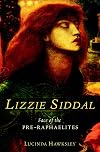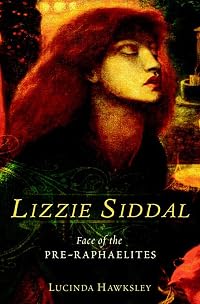
Lizzie Siddal: The Tragedy of a Pre-Raphaelite Supermodel
by Lucinda Hawksley
On This Page
Description
Now in paperback, the highly acclaimed biography of the Pre-Raphaelite artists' muse The supermodel did not arrive when Twiggy first donned false eyelashes; the concept began more than 100 years previously, with a young artists' model whose face captivated a generation. Saved from the drudgery of a working-class existence by a young Pre-Raphaelite artist, Lizzie Siddal rose to become one of the most famous faces in Victorian Britain and a pivotal figure of London's artistic world, until show more tragically ending her young life in a laudanum-soaked suicide in 1862. In the 21st century, even those who do not know her name always recognize her face: she is Millais's doomed Ophelia and Rossetti's beatified Beatrice. With many parallels in the modern-day world of art and fashion, this biography takes Lizzie from the background of Dante Rossetti's life and, finally, brings her to the forefront of her own. show lessTags
Recommendations
















Member Reviews
I love and I am fascinated by the sheer beauty and detail of Pre-Raphaelite art.
I abhor self-centered, egotistical men, manipulative, conniving women, and the hypocritical Victorian era.
This book combined a tale of some of the things I love and some of those I detest.
From the poorer socioeconomic scale, the former hat shop girl Lizzie Siddal was hauntingly beautiful. Hers was the face used by many of the Pre-Raphaelite artists. Waif like and mesmerizing, Lizzie captured the hearts of many, but loved only one.
From the higher echelons, Dante Gabriel Rosseti, was talented, handsome and egotistical.
Both were highly creative and self destructive. Enmeshed in a very unhealthy relationship, theirs was a downward spiral of laudanum and alcohol. show more Victorian norms frowned upon marriage beneath ones social standard. Thus, Rossetti willingly lived with Lizzie, keeping her as a mistress, but hid her from his family.
When philandering Rossetti strayed into the arms of two of his models, namely Jane Burden Morris and Fanny Cornforth, Lizzie cunningly manipulated Rossetti with her self-imposed illness.
While at times the writing seemed to drag, this is a well researched and interesting snap shot of the Victorian era and the incredible art that was produced during the time. show less
I abhor self-centered, egotistical men, manipulative, conniving women, and the hypocritical Victorian era.
This book combined a tale of some of the things I love and some of those I detest.
From the poorer socioeconomic scale, the former hat shop girl Lizzie Siddal was hauntingly beautiful. Hers was the face used by many of the Pre-Raphaelite artists. Waif like and mesmerizing, Lizzie captured the hearts of many, but loved only one.
From the higher echelons, Dante Gabriel Rosseti, was talented, handsome and egotistical.
Both were highly creative and self destructive. Enmeshed in a very unhealthy relationship, theirs was a downward spiral of laudanum and alcohol. show more Victorian norms frowned upon marriage beneath ones social standard. Thus, Rossetti willingly lived with Lizzie, keeping her as a mistress, but hid her from his family.
When philandering Rossetti strayed into the arms of two of his models, namely Jane Burden Morris and Fanny Cornforth, Lizzie cunningly manipulated Rossetti with her self-imposed illness.
While at times the writing seemed to drag, this is a well researched and interesting snap shot of the Victorian era and the incredible art that was produced during the time. show less
Art historian Hawksley, (who is a direct descendant of Charles Dickens), tells of the central romance between Dante Gabriel Rossetti and Lizzie Siddal. It was an American artist, Walter Deverell, that discovered the 'stunner' when he accompanied his mother to the hatshop where Lizzie worked. With his mother's help, he secured her services as a model for his own pictures before Holman Hunt and Millais were to immortalise her in theirs.
On meeting her later, Dante was immediately obsessed by Lizzie and she with him; it was a claustrophobic relationship - he was commitment-phobic and both were insanely jealous and attention-seeking. Lizzie was depressive, anorexic and was frequently ill - particularly when Rossetti wasn't paying attention show more to her - she always got better when he ran to her bedside, but did become a laudanum addict early on. They did finally marry, but laudanum was to be her final downfall after post-natal depression after the stillbirth of their child. She comes across as manipulative and demanding, but remember she was desperate to be married to the love of her life - as ruin for her and her family would be the result if their unmarried relationship became fully public. Rossetti, while undoubtedly talented, was totally self-interested and never worked at his best when Lizzie was around. When she died, he did bury the only copy of a book of poems he'd written for her with the casket, and amazingly it was later dug up! - It really happened, although he did get an official exhumation order for it - selfish as ever.
The other really interesting character in their life was the art critic John Ruskin - a rich and hugely influential person in the Victorian art world. It is doubtful whether Rossetti would have got anywhere without his patronage, and without him having supported John Everett Millais first. Ruskin recognised that the PRB were trying to do something different in their back to nature ideals. Ruskin also took Lizzie under his patronage too as she showed talent at art, and it helped Lizzie to maintain her aura of respectability.
Hawksley's biography concentrates on the events of Lizzie's life rather than commentating on the art, and made for an entertaining read with a good selection of illustrations. The highlights include some of Dante and Lizzie's poetry which is touching and sad. show less
On meeting her later, Dante was immediately obsessed by Lizzie and she with him; it was a claustrophobic relationship - he was commitment-phobic and both were insanely jealous and attention-seeking. Lizzie was depressive, anorexic and was frequently ill - particularly when Rossetti wasn't paying attention show more to her - she always got better when he ran to her bedside, but did become a laudanum addict early on. They did finally marry, but laudanum was to be her final downfall after post-natal depression after the stillbirth of their child. She comes across as manipulative and demanding, but remember she was desperate to be married to the love of her life - as ruin for her and her family would be the result if their unmarried relationship became fully public. Rossetti, while undoubtedly talented, was totally self-interested and never worked at his best when Lizzie was around. When she died, he did bury the only copy of a book of poems he'd written for her with the casket, and amazingly it was later dug up! - It really happened, although he did get an official exhumation order for it - selfish as ever.
The other really interesting character in their life was the art critic John Ruskin - a rich and hugely influential person in the Victorian art world. It is doubtful whether Rossetti would have got anywhere without his patronage, and without him having supported John Everett Millais first. Ruskin recognised that the PRB were trying to do something different in their back to nature ideals. Ruskin also took Lizzie under his patronage too as she showed talent at art, and it helped Lizzie to maintain her aura of respectability.
Hawksley's biography concentrates on the events of Lizzie's life rather than commentating on the art, and made for an entertaining read with a good selection of illustrations. The highlights include some of Dante and Lizzie's poetry which is touching and sad. show less
This is a decent, if not a very in-depth biography of Lizzie Siddal and her part in the Pre-Raphaelites movement.
Before reading this I really knew next to nothing about Lizzie Siddal beyond her name and image from the paintings she modeled for and sadly I was not terribly surprised that her life was not the most ideal.
I mentioned that this didn't feel like a very in-depth look at Lizzie Siddal's life, which I suspect has much to do with how little documentation there is about her as women weren't considered very worthy of attention and documentation in the Victorian era, especially when surrounded by the many self-involved men that made up much of the PRB art movement.
I also felt the book romanticized her and her life a bit more than show more most biographies so but in this case I don't actually consider that a failing since there wasn't much to work with and the author really made her feel real and sympathetic when there wasn't much to work with.
My biggest complaint is one I often have with books that involve artists and their works in that there were not enough images of the works described, they don't always have to be color plates, but if you take the time to describe and art work in detail please include an image of it. Much of the impact of the work in the narrative is lost if you can't see it.
I enjoyed this but would recommend it to fans of art history or people interested in Victorian history as well.
I enjoyed this but would recommend it to fans of art history or people interested in Victorian history as well. show less
Before reading this I really knew next to nothing about Lizzie Siddal beyond her name and image from the paintings she modeled for and sadly I was not terribly surprised that her life was not the most ideal.
I mentioned that this didn't feel like a very in-depth look at Lizzie Siddal's life, which I suspect has much to do with how little documentation there is about her as women weren't considered very worthy of attention and documentation in the Victorian era, especially when surrounded by the many self-involved men that made up much of the PRB art movement.
I also felt the book romanticized her and her life a bit more than show more most biographies so but in this case I don't actually consider that a failing since there wasn't much to work with and the author really made her feel real and sympathetic when there wasn't much to work with.
My biggest complaint is one I often have with books that involve artists and their works in that there were not enough images of the works described, they don't always have to be color plates, but if you take the time to describe and art work in detail please include an image of it. Much of the impact of the work in the narrative is lost if you can't see it.
I enjoyed this but would recommend it to fans of art history or people interested in Victorian history as well.
I enjoyed this but would recommend it to fans of art history or people interested in Victorian history as well. show less
The subheading of this book is particularly apt when you consider the facts. Poor east end girl working in a hat shop is "discovered" by the artist Walter Deverell, who is struck by her height, her poise, her red hair and her ethereal beauty and goes about making him his model for a painting of Twelfth Night he is working on. Lizzie is pulled out of her lowly life to become the most famous model of the Pre-Raphealite Brotherhood, a group of artists in the mid 19th century that included Deverell, Millais, Holman Hunt, Ruskin and, most importantly Dante Gabriel Rossetti, who fell wildly and passionately in love with Lizzie.
Lizzie's relationship with Rossetti was turbulent to say the least, both suffering from depression the lurched from show more being insular and in love to not speaking to each other. Rossetti was unfaithful and umpleasant at times but he was obsessed with Lizzie and Lizzie always took him back. She relied on him as her reputation, after years of being his model and "muse" was in tatters.
In true supermodel style she also suffered from a possible eating disorder and a prolific laudenam addiction which caused her to be dogged by general ill health and was solely responsible for her untimely demise. But she is much misaligned in art history as just a model. She was in fact a prolific and skilled painter and poet herself.
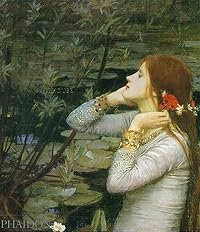
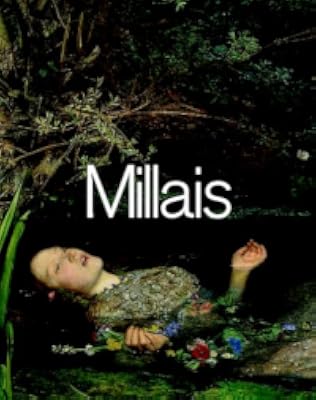
Lucinda Hawkesley write beautifully of the life and death of Miss Siddall as well as being one of the first books I've read on the Pre-Raphealites that gives some real focus to Lizzie's own work. This is a must read for anyone who has ever felt weak at the knees when looking at Millais's famous painting of Lizzie as Shakespare's Ophelia (pictured below for those who don't know it), which hangs in the Tate. Lizzie lay in a cold bath for days modelling for this, a martyr to her art!!! show less
Lizzie's relationship with Rossetti was turbulent to say the least, both suffering from depression the lurched from show more being insular and in love to not speaking to each other. Rossetti was unfaithful and umpleasant at times but he was obsessed with Lizzie and Lizzie always took him back. She relied on him as her reputation, after years of being his model and "muse" was in tatters.
In true supermodel style she also suffered from a possible eating disorder and a prolific laudenam addiction which caused her to be dogged by general ill health and was solely responsible for her untimely demise. But she is much misaligned in art history as just a model. She was in fact a prolific and skilled painter and poet herself.
Lucinda Hawkesley write beautifully of the life and death of Miss Siddall as well as being one of the first books I've read on the Pre-Raphealites that gives some real focus to Lizzie's own work. This is a must read for anyone who has ever felt weak at the knees when looking at Millais's famous painting of Lizzie as Shakespare's Ophelia (pictured below for those who don't know it), which hangs in the Tate. Lizzie lay in a cold bath for days modelling for this, a martyr to her art!!! show less
Prior to reading the book I had some basic knowledge of the PRBs and their associates and lives, but had never read anything in depth. Hawksley does a remarkably good job of vilifying no one while honestly portraying the character flaws of both Lizzie Siddal and Dante Rossetti.
The book is not organized strictly chronologically, so there are some repetitions and some cryptic and confusing statements that don't make sense until you reach a more thorough exploration of the topic later in the book. I would have liked either an author's forward or note that credited the major sources, since she doesn't include in text citations. There are end notes, but they are rather vague and were of limited assistance. There is a bibliography at the end show more and an index which are nice additions.
Given the lack of citations it is sometimes hard to tell when the author is presenting a commonly accepted premise, a particular author's conclusions, or an original idea or interpretation.
I particularly enjoyed her use of textual and artistic analysis (the poems and artwork of both Siddal and Rossetti) as support for her interpretations. This is, of course, quite subjective, but I think it's valid as long as it's treated as reasonable extrapolation and interpretation as opposed to immutable fact.
While Hawksley touches on the lack of opportunities for women and people of the lower classes, I wouldn't describe it as either a feminist or socialist work. I don't see this as a flaw; this is just a comment.
Given the subtitle of the book, I did wish that Hawksley had elaborated more on the concept of the supermodel or cults of personality. This is mentioned in passing and in conclusion in the work, but is not addressed directly. Because of Lizzie's laudanum addiction, I did draw some parallels with the story of 1980s model Gia Carangi, and with waif-chic/heroin-chic concepts in the modern fashion world. But I would have enjoyed an exploration of this idea, rather than just a bald statement that Lizzie was the first.
show less
The book is not organized strictly chronologically, so there are some repetitions and some cryptic and confusing statements that don't make sense until you reach a more thorough exploration of the topic later in the book. I would have liked either an author's forward or note that credited the major sources, since she doesn't include in text citations. There are end notes, but they are rather vague and were of limited assistance. There is a bibliography at the end show more and an index which are nice additions.
Given the lack of citations it is sometimes hard to tell when the author is presenting a commonly accepted premise, a particular author's conclusions, or an original idea or interpretation.
I particularly enjoyed her use of textual and artistic analysis (the poems and artwork of both Siddal and Rossetti) as support for her interpretations. This is, of course, quite subjective, but I think it's valid as long as it's treated as reasonable extrapolation and interpretation as opposed to immutable fact.
While Hawksley touches on the lack of opportunities for women and people of the lower classes, I wouldn't describe it as either a feminist or socialist work. I don't see this as a flaw; this is just a comment.
Given the subtitle of the book, I did wish that Hawksley had elaborated more on the concept of the supermodel or cults of personality. This is mentioned in passing and in conclusion in the work, but is not addressed directly. Because of Lizzie's laudanum addiction, I did draw some parallels with the story of 1980s model Gia Carangi, and with waif-chic/heroin-chic concepts in the modern fashion world. But I would have enjoyed an exploration of this idea, rather than just a bald statement that Lizzie was the first.
show less
very interesting
great book, tragic life, complicated love story, gorgeous paintings.
Members
- Recently Added By
Author Information

28+ Works 1,613 Members
Lucinda Hawksley is an author, broadcaster and public speaker. She has written more than twenty books, including critically acclaimed biographies, art history, social history, the history of London and travel writing. This is her third book about her great great great grandfather, Charles Dickens. Lucinda has appeared on television and radio show more programmes around the globe. She is a Patron of the Charles Dickens Museum in London. show less
Common Knowledge
- People/Characters
- Lizzie Siddal; Dante Gabriel Rossetti
- Important events
- Pre-Raphaelites
Classifications
- Genres
- Art & Design, Nonfiction, Biography & Memoir, History
- DDC/MDS
- 704.942 — Arts & recreation Arts Special topics in fine and decorative arts Iconography Specific subjects Human figures and their parts
- LCC
- PR5452 .S19 .Z59 — Language and Literature English English Literature 19th century , 1770/1800-1890/1900
- BISAC
Statistics
- Members
- 238
- Popularity
- 136,595
- Reviews
- 7
- Rating
- (3.83)
- Languages
- English, Italian
- Media
- Paper, Ebook
- ISBNs
- 12
- ASINs
- 6