
Don't Look Now / Not After Midnight / A Border-Line Case / The Way of the Cross / The Breakthrough
by Daphne Du Maurier
On This Page
Description
A married couple on holiday in Venice are caught up in a sinister series of events. A lonely schoolmaster is impelled to investigate a mysterious American couple. A young woman loses her cool when she confronts her father's old friend on a lonely island. A party of British pilgrims meet strange phenomena and possible disaster in the Holy Land. A scientist abandons his scruples while trying to tap the energy of the dying mind. Collecting five stories of mystery and slow, creeping horror, show more Daphne Du Maurier's Don't Look Now and Other Stories showcases her unique blend of sympathy and spinetingling suspense. show lessTags
Recommendations























Member Recommendations

KayCliff Both du Maurier's The Breakthrough" and Poe's "The facts in the case of M. Valdemar" treat of death under hypnosis.
Member Reviews
"Don’t Look Now and Other Stories" is a collection of five novellas written by Daphne du Maurier in 1966 (“The Breakthrough”), 1970 (“Don’t Look Now,” which was turned into one of the scariest movies of all time) and 1971 (“Not After Midnight,” “A Border-Line Case” and “The Way of the Cross”). Each is compelling and atmospheric in its own way, and the author’s interest in human nature and psychology comes through very strongly. Although some of the technology and attitudes toward others are definitely outdated almost 50 years later, the stories themselves are quite satisfying and entertaining; recommended.
Don’t Look Now; a collection of five (long) short stories by Daphne Du Maurier first published in 1971 show her to have been a superb writer of shorter fiction as well as novels. I am reminded though, that I haven’t read nearly enough of her novels. Although not everyone does, I love short stories – the right kind of short stories, what I think of as my kind, which are those that aren’t trying to be too clever. My kind of short stories usually come wrapped in covers of soft dove grey these days, and these are of a very similar kind. One of the problems some readers have with short stories is that just as you’re getting into them they are over. These stories are each between about fifty and seventy pages long – my favourite show more kind of short stories are the meaty kind – and these dark tales are the kind to fully immerse a reader.
Don’t Look Now – the darkest story – with a very Hitchcock feel to it – was definitely my favourite. John and Laura a couple holidaying in Venice spot two women at another table who inspire them to indulge in their old game of weaving imaginary stories around unknown people. It is a long time since John and Laura have relaxed, and laughed in such a way – their young daughter recently succumbed to a fatal illness, which Laura particularly has struggled to recover from. The women are elderly identical twins, seemingly oblivious to the interest they have aroused in their lunching neighbours. Giggling, Laura decides to follow one of them to the toilets. The encounter that Laura has with the woman who claims to have the gift of second sight – sets in motion a series of dark and frightening events.
“The child struggled to her feet and stood before him, the pixie hood falling from her head on to the floor. He stared at her, incredulity turning to horror, to fear”
(Don’t Look Now)
Each of the stories in this collection has a completely different setting, and Du Maurier is exceptionally good at creating that sense of place that I love. ‘Not After Midnight’ is set in a hotel resort in Crete. Little white chalets strung out along a picturesque bay is where school master Timothy Grey comes to indulge in his passion for painting. It is early in the season, and several of the chalets are unoccupied, and so Timothy has a whole section of the bay practically to himself. Settling on chalet 62 – he is naturally shocked but not unduly disturbed to hear that the resident of the chalet before him recently drowned. Occupying a chalet across the bay and within sight of his own is loud, hard drinking Mr Stoll and his peculiarly silent wife. In time Timothy comes to suspect the couple’s fishing trips to be not entirely all they appear to be. Invited to the Americans’ chalet – though ‘not after midnight’ – he comes to feel very uncomfortable around them. I was all prepared to be quite terrified by the blustering American and his slightly odd wife – and Du Maurier slowly ratchets up the tension – something she does so well. Up to this point I enjoyed the second story in this collection enormously, the ending, though – supposed to be ambiguous I suppose – I found vaguely unsatisfying.
A Border-Line Case – follows the fortunes of Shelagh a young English actress, who following her father’s death journeys to Ballyfane, Ireland, and the remote Lamb Island nearby – to seek out a man her father once served with. Nick Barry is the border line case of the title – for that is how Shelagh’s father described him – hinting that he was more than a little unbalanced. In Ireland, Shelagh gets rather more than she bargained for – which end up challenging everything she thought she wanted. I enjoyed this story a lot – I saw the main twist coming a mile off – I have to be honest – but that didn’t stop me enjoying it.
“The room was spacious, comfortable, a blue carpet fitted wall-to-wall. A settee, a couple of deep armchairs, a large flat-topped desk near the window. Pictures of ships on the wall. A log-fire burning brightly in the hearth. The setting reminded her of something. She had seen some place like it in the past, reminding her of childhood days. Then she remembered. It was a duplicate of the captain’s cabin in Excalibur, her father’s cabin. Lay-out, furnishings were identical. The familiar surroundings were uncanny, it was like stepping back into the past.”
(A Border-Line Case)
In Jerusalem a group of rather mismatched pilgrims are thrown together in The Way of the Cross. The Rev. Edward Babcock, has had to replace the vicar of Little Bletford who organised the tour – and has fallen ill aboard the ship the group sailed on. None of the group is known to Edward; and none of them seem to think much of the young man who has replaced their beloved vicar. The group consist of a young honeymoon couple, a prosperous middle aged couple, an ageing spinster, Lady Althea Mason the doyenne of Little Bletford society, her husband a retired army officer and their precocious nine year old grandson. This story doesn’t benefit from the unexpected twist or dark humour that the other stories in this collection offer – but that doesn’t matter – as it is the interplay between these people that Du Maurier explores so deftly here – and it was for this that I loved the story so much.
The Breakthrough – was my least favourite story – although I have to admit it is still enormously readable. Set in the remote East Anglian countryside. Saunders; a scientist is transferred to a remote research facility – headed up by McLean; reckless eccentric. Here he and a small group of assistants work on a controversial project that few people – should they learn of the research – would ever believe was possible. There is certainly something very disturbing about this story – which is undoubtedly the point – the story raises all the usual questions of the ethics of scientific research, and at what point science should stop in favour of what is right.
It’s easy to see why Hitchcock liked Du Maurier’s storytelling so much – in these stories Du Maurier builds the tension perfectly, the title story is undoubtedly the most chilling – I defy anyone to put the book down while reading it. I will certainly be seeking out more short stories by Daphne Du Maurier. show less
Don’t Look Now – the darkest story – with a very Hitchcock feel to it – was definitely my favourite. John and Laura a couple holidaying in Venice spot two women at another table who inspire them to indulge in their old game of weaving imaginary stories around unknown people. It is a long time since John and Laura have relaxed, and laughed in such a way – their young daughter recently succumbed to a fatal illness, which Laura particularly has struggled to recover from. The women are elderly identical twins, seemingly oblivious to the interest they have aroused in their lunching neighbours. Giggling, Laura decides to follow one of them to the toilets. The encounter that Laura has with the woman who claims to have the gift of second sight – sets in motion a series of dark and frightening events.
“The child struggled to her feet and stood before him, the pixie hood falling from her head on to the floor. He stared at her, incredulity turning to horror, to fear”
(Don’t Look Now)
Each of the stories in this collection has a completely different setting, and Du Maurier is exceptionally good at creating that sense of place that I love. ‘Not After Midnight’ is set in a hotel resort in Crete. Little white chalets strung out along a picturesque bay is where school master Timothy Grey comes to indulge in his passion for painting. It is early in the season, and several of the chalets are unoccupied, and so Timothy has a whole section of the bay practically to himself. Settling on chalet 62 – he is naturally shocked but not unduly disturbed to hear that the resident of the chalet before him recently drowned. Occupying a chalet across the bay and within sight of his own is loud, hard drinking Mr Stoll and his peculiarly silent wife. In time Timothy comes to suspect the couple’s fishing trips to be not entirely all they appear to be. Invited to the Americans’ chalet – though ‘not after midnight’ – he comes to feel very uncomfortable around them. I was all prepared to be quite terrified by the blustering American and his slightly odd wife – and Du Maurier slowly ratchets up the tension – something she does so well. Up to this point I enjoyed the second story in this collection enormously, the ending, though – supposed to be ambiguous I suppose – I found vaguely unsatisfying.
A Border-Line Case – follows the fortunes of Shelagh a young English actress, who following her father’s death journeys to Ballyfane, Ireland, and the remote Lamb Island nearby – to seek out a man her father once served with. Nick Barry is the border line case of the title – for that is how Shelagh’s father described him – hinting that he was more than a little unbalanced. In Ireland, Shelagh gets rather more than she bargained for – which end up challenging everything she thought she wanted. I enjoyed this story a lot – I saw the main twist coming a mile off – I have to be honest – but that didn’t stop me enjoying it.
“The room was spacious, comfortable, a blue carpet fitted wall-to-wall. A settee, a couple of deep armchairs, a large flat-topped desk near the window. Pictures of ships on the wall. A log-fire burning brightly in the hearth. The setting reminded her of something. She had seen some place like it in the past, reminding her of childhood days. Then she remembered. It was a duplicate of the captain’s cabin in Excalibur, her father’s cabin. Lay-out, furnishings were identical. The familiar surroundings were uncanny, it was like stepping back into the past.”
(A Border-Line Case)
In Jerusalem a group of rather mismatched pilgrims are thrown together in The Way of the Cross. The Rev. Edward Babcock, has had to replace the vicar of Little Bletford who organised the tour – and has fallen ill aboard the ship the group sailed on. None of the group is known to Edward; and none of them seem to think much of the young man who has replaced their beloved vicar. The group consist of a young honeymoon couple, a prosperous middle aged couple, an ageing spinster, Lady Althea Mason the doyenne of Little Bletford society, her husband a retired army officer and their precocious nine year old grandson. This story doesn’t benefit from the unexpected twist or dark humour that the other stories in this collection offer – but that doesn’t matter – as it is the interplay between these people that Du Maurier explores so deftly here – and it was for this that I loved the story so much.
The Breakthrough – was my least favourite story – although I have to admit it is still enormously readable. Set in the remote East Anglian countryside. Saunders; a scientist is transferred to a remote research facility – headed up by McLean; reckless eccentric. Here he and a small group of assistants work on a controversial project that few people – should they learn of the research – would ever believe was possible. There is certainly something very disturbing about this story – which is undoubtedly the point – the story raises all the usual questions of the ethics of scientific research, and at what point science should stop in favour of what is right.
It’s easy to see why Hitchcock liked Du Maurier’s storytelling so much – in these stories Du Maurier builds the tension perfectly, the title story is undoubtedly the most chilling – I defy anyone to put the book down while reading it. I will certainly be seeking out more short stories by Daphne Du Maurier. show less
The most popular short story in this 1971 collection is, of course, the titular “Don’t Look Now” — so much so that the title was changed from the original Not After Midnight, and Other Stories. Indeed, “Don’t Look Now” was turned into 1973’s iconic Julie Christie-Donald Sutherland vehicle and was the basis for a stage play and a BBC radio play. A number of bands have used the title for their own songs, whether as an homage or unwittingly.
But, for me, the star of this anthology is the third short story, “A Border-Line Case.” Shelagh Money, a 19-year-old bereaved daughter, tries to find closure by tracking down her father’s one-time best friend, Naval Commander Nick Baker. Baker was the best man at the father’s show more wedding, but the two men lost touch after the elder Money refused to recommend Baker for promotion. Money discovers much more than she intended when traveling to rural island to meet the elusive Baker. But I loved “The Way of the Cross,” the fourth short story nearly as much. In that short story, a collection of eight parishioners from village of Little Bletford are led on a pilgrimage to Jerusalem by an urban vicar, a last-minute replacement for their own Anglican priest,. At the beginning, the only admirable character is the grandson named Robin; however, gradually, some of the tourists begin to reconsider the decisions they’ve made. Frankly, I can’t decide which I liked better: “A Border-Line Case” or “The Way of the Cross.” Sometimes I think one, other times, the other.
I realize I’m committing blasphemy, but my recommendation would be to skip “Don’t Look Now” and the last short story and instead savor the other three. show less
But, for me, the star of this anthology is the third short story, “A Border-Line Case.” Shelagh Money, a 19-year-old bereaved daughter, tries to find closure by tracking down her father’s one-time best friend, Naval Commander Nick Baker. Baker was the best man at the father’s show more wedding, but the two men lost touch after the elder Money refused to recommend Baker for promotion. Money discovers much more than she intended when traveling to rural island to meet the elusive Baker. But I loved “The Way of the Cross,” the fourth short story nearly as much. In that short story, a collection of eight parishioners from village of Little Bletford are led on a pilgrimage to Jerusalem by an urban vicar, a last-minute replacement for their own Anglican priest,. At the beginning, the only admirable character is the grandson named Robin; however, gradually, some of the tourists begin to reconsider the decisions they’ve made. Frankly, I can’t decide which I liked better: “A Border-Line Case” or “The Way of the Cross.” Sometimes I think one, other times, the other.
I realize I’m committing blasphemy, but my recommendation would be to skip “Don’t Look Now” and the last short story and instead savor the other three. show less
‘’The twins were standing there, the blind one still holding on to her sister’s arm, her sightless eyes fixed firmly upon him. He felt himself held, unable to move, and an impending sense of doom, of tragedy, came upon him. His whole being ragged, as it were, in apathy, and he thought, ‘This is the end, there is no escape, no future.’’
On the back cover of this edition, there is a quote found in the Daily Telegraph, ‘Du Maurier has no equal.’ The truth of these words can be found in practically every work of hers. She created a seamless blend of reality and the world beyond. She hypnotizes the readers and they find themselves in a conundrum of darkness and doubt where the only explanation is the least plausible one, where show more you simply have to believe that the solution to each mystery cannot be found within the mortal world. And when the (very) realistic closure kicks in, you are left speechless. Many consider Rebecca as their favourite, but for me, the masterpiece that contains every element I have come to associate with Du Maurier’s brilliance is Don’t Look Now.
‘’The canal was narrow, the houses on either side seemed to close in upon it, and in the daytime, with the sun’s reflection on the water and the windows of the houses open, bedding upon the balconies, a canary singing in a cage, there had been an impression of warmth, of secluded shelter. Now, ill-lit, almost in darkness, the windows of the houses shuttered, the water dark, the scene appeared altogether different, neglected, poor, and the long narrow boats moored to the slippery steps of cellar entrances looked like coffins.’’
Don’t Look Now: There could have been no other setting for this unique story of loss, premonition, omens and raw violence. The fragile balance between a couple that tries to get through the loos of their daughter sets the scene for a tour-de-force in the City of Cities, where blood is found in the dark waters of the canals and strange presences haunt the narrow corners. Where footsteps don’t cease to follow you…
‘’Most of the fairy lights had been extinguished, but the chalet that stood on its own, on the extreme point still had its light burning in the balcony.’’
Not After Midnight: A teacher decides to spend his off-season holidays in Crete, the land of myths where antiquity is mirrored in every corner. When he meets a bizarre married couple, he finds himself involved in shady situations that take place after midnight...One of the most powerful twists that can be found in Du Maurier’s stories and a hymn to the past of Greece’s most famous island.
‘’The trouble with you is, Jinnie, you must grow up. You live in a dream world that doesn’t exist. That’s why you opted for the stage’. Her father’s voice, indulgent, but firm. ‘’One of these days’, he added, ‘ you’ll come to with a shock.’’
A Border- Line Case: When Jinni’s father dies in front of her eyes, she finds herself on the verge of an absolute break-down. In her attempt to leave everything behind and find some peace of mind, she meets a mysterious man and becomes involved in the Troubles. Her adventure will give her - and us - a tremendous shock.
‘’Jesus was doing precisely the same thing two thousand years ago.’’
The Way of the Cross: A group of tourists from England bite more than they can chew during their visit to the Holy Lands. As no one seems to be there for the sake of their faith and as everyone seems utterly incapable of grasping or feeling the reverence with which Jerusalem must be approached, they find themselves amidst marital problems, pseudo-political and social dilemmas, stupid accidents and all their vices are exposed. This is poignant social satire at its finest.
The Breakthrough: A group of scientists try to prove that intelligence may survive with the human body after its death. I admit I didn’t like this one. Did it seem a bit silly? Dated? Oh, well, it hardly matters.
Nowadays, we tend to compare every novel that may sound remotely ‘’Gothic’’ to Du Maurier’s work and style.
No.
‘’The air was sharp and clean, like a sword’s blade. No wind - the air alone made the cutting edge. The stony path led downwards, steep and narrow, bound on either side by walls. [...] Tonight with the pale yellow moon coming up behind is and the dark sky above our heads, even the low hum of the traffic beneath us on the main road to Jericho seems to blend and merge into the silence. As the steep path descended so the city rose, and the valley separating it from the Mount of Olives down which they walked became sombre, black, like a winding river-bed. Mosques, domes, spires, towers, the roof-tops of myriad human dwellings fused together, blotted against the sky, and only the walls of the city remained, steadfast on the opposite hill, a threat, a challenge.’’
My reviews can also be found on https://theopinionatedreaderblog.wordpress.com/ show less
On the back cover of this edition, there is a quote found in the Daily Telegraph, ‘Du Maurier has no equal.’ The truth of these words can be found in practically every work of hers. She created a seamless blend of reality and the world beyond. She hypnotizes the readers and they find themselves in a conundrum of darkness and doubt where the only explanation is the least plausible one, where show more you simply have to believe that the solution to each mystery cannot be found within the mortal world. And when the (very) realistic closure kicks in, you are left speechless. Many consider Rebecca as their favourite, but for me, the masterpiece that contains every element I have come to associate with Du Maurier’s brilliance is Don’t Look Now.
‘’The canal was narrow, the houses on either side seemed to close in upon it, and in the daytime, with the sun’s reflection on the water and the windows of the houses open, bedding upon the balconies, a canary singing in a cage, there had been an impression of warmth, of secluded shelter. Now, ill-lit, almost in darkness, the windows of the houses shuttered, the water dark, the scene appeared altogether different, neglected, poor, and the long narrow boats moored to the slippery steps of cellar entrances looked like coffins.’’
Don’t Look Now: There could have been no other setting for this unique story of loss, premonition, omens and raw violence. The fragile balance between a couple that tries to get through the loos of their daughter sets the scene for a tour-de-force in the City of Cities, where blood is found in the dark waters of the canals and strange presences haunt the narrow corners. Where footsteps don’t cease to follow you…
‘’Most of the fairy lights had been extinguished, but the chalet that stood on its own, on the extreme point still had its light burning in the balcony.’’
Not After Midnight: A teacher decides to spend his off-season holidays in Crete, the land of myths where antiquity is mirrored in every corner. When he meets a bizarre married couple, he finds himself involved in shady situations that take place after midnight...One of the most powerful twists that can be found in Du Maurier’s stories and a hymn to the past of Greece’s most famous island.
‘’The trouble with you is, Jinnie, you must grow up. You live in a dream world that doesn’t exist. That’s why you opted for the stage’. Her father’s voice, indulgent, but firm. ‘’One of these days’, he added, ‘ you’ll come to with a shock.’’
A Border- Line Case: When Jinni’s father dies in front of her eyes, she finds herself on the verge of an absolute break-down. In her attempt to leave everything behind and find some peace of mind, she meets a mysterious man and becomes involved in the Troubles. Her adventure will give her - and us - a tremendous shock.
‘’Jesus was doing precisely the same thing two thousand years ago.’’
The Way of the Cross: A group of tourists from England bite more than they can chew during their visit to the Holy Lands. As no one seems to be there for the sake of their faith and as everyone seems utterly incapable of grasping or feeling the reverence with which Jerusalem must be approached, they find themselves amidst marital problems, pseudo-political and social dilemmas, stupid accidents and all their vices are exposed. This is poignant social satire at its finest.
The Breakthrough: A group of scientists try to prove that intelligence may survive with the human body after its death. I admit I didn’t like this one. Did it seem a bit silly? Dated? Oh, well, it hardly matters.
Nowadays, we tend to compare every novel that may sound remotely ‘’Gothic’’ to Du Maurier’s work and style.
No.
‘’The air was sharp and clean, like a sword’s blade. No wind - the air alone made the cutting edge. The stony path led downwards, steep and narrow, bound on either side by walls. [...] Tonight with the pale yellow moon coming up behind is and the dark sky above our heads, even the low hum of the traffic beneath us on the main road to Jericho seems to blend and merge into the silence. As the steep path descended so the city rose, and the valley separating it from the Mount of Olives down which they walked became sombre, black, like a winding river-bed. Mosques, domes, spires, towers, the roof-tops of myriad human dwellings fused together, blotted against the sky, and only the walls of the city remained, steadfast on the opposite hill, a threat, a challenge.’’
My reviews can also be found on https://theopinionatedreaderblog.wordpress.com/ show less
Apart from the now-famous lead story 'Don't Look Now', all the other short stories in this selection were new to me. What struck me again with this collection was how very unlikeable most of her protagonists appear to be, and except for John and Laura in 'Don't Look Now', I couldn't relate or feel sympathetic to any of the others.
While 'Don't Look Now' is undoubtedly atmospheric and filled with a sense of foreboding, the shock ending also lacks utter credibility in my opinion.
My least favourite story is 'Not after Midnight', a rambling tale which repeatedly went nowhere, despite some promising angles for plot development, and the story just appeared to fizzle out without climax, even though one of the characters had just lost their show more life.
'A Border-Line Case' has the most promising beginning of any of them, but the potential sadly isn't realised, chiefly because the female protagonist is so superficial and shallow, and the plot twist at the end just left a bad taste in my mouth.
I think that 'The Way of the Cross' is on a par with 'Don't Look Now', and here du Maurier writes with an acid-filled pen that reveals the deep divisions among a group of apparently close-knit pilgrims to Jerusalem, and lays bare the pretentiousness and hypocrisy of the British middle class; in large parts of the story this was a delight to read, even though the tension isn't maintained until the end and appears to just dissipate, while stretching credibility at the same time.
The last story, 'The Breakthrough', is very atypical for du Maurier and could have featured in a collection of John Wyndham stories. In parts it is shockingly dated with its view of disability ('an idiot child', 'suffering from retarded development', 'backward'), betraying how long ago it was written. The mad scientist conducting experiments against all ethical standards is once again turned into an easy target, and the tension is never really allowed to build up.
An interesting collection, but one that won't remain on my shelf any longer. show less
While 'Don't Look Now' is undoubtedly atmospheric and filled with a sense of foreboding, the shock ending also lacks utter credibility in my opinion.
My least favourite story is 'Not after Midnight', a rambling tale which repeatedly went nowhere, despite some promising angles for plot development, and the story just appeared to fizzle out without climax, even though one of the characters had just lost their show more life.
'A Border-Line Case' has the most promising beginning of any of them, but the potential sadly isn't realised, chiefly because the female protagonist is so superficial and shallow, and the plot twist at the end just left a bad taste in my mouth.
I think that 'The Way of the Cross' is on a par with 'Don't Look Now', and here du Maurier writes with an acid-filled pen that reveals the deep divisions among a group of apparently close-knit pilgrims to Jerusalem, and lays bare the pretentiousness and hypocrisy of the British middle class; in large parts of the story this was a delight to read, even though the tension isn't maintained until the end and appears to just dissipate, while stretching credibility at the same time.
The last story, 'The Breakthrough', is very atypical for du Maurier and could have featured in a collection of John Wyndham stories. In parts it is shockingly dated with its view of disability ('an idiot child', 'suffering from retarded development', 'backward'), betraying how long ago it was written. The mad scientist conducting experiments against all ethical standards is once again turned into an easy target, and the tension is never really allowed to build up.
An interesting collection, but one that won't remain on my shelf any longer. show less
This is the edition with Don't Look Now, Not After Midnight, A Border-line Case, The Way of the Cross and The Breakthrough.
Don't Look Now: After reading this I was thinking about it the entire rest of the day. It explores interesting gender themes around the "emotional" woman and the "rational" man. If you're reading it as a kind of suspense thing the ending will probably annoy you but imo it works well. The suspense works well and it's in general really interesting as well as showing the limitations of the perspective it's written from. Massive ending spoilers etc follow but I talk about why I found it so fascinating
The entire story is written from the perspective of the man - his wife's grief is treated as somewhat over the top and show more excessive, while the man is the "sensible" one who wants to make her wife happy and have her almost forget her dead child. Throughout the story he chides his wife's behaviour, primarily of course her interest in the psychic twins. Yet his "rational" criticisms of them cause greater unhappiness - even though he supposedly started out only wanting to make his wife feel happy, he can't deal with her being made happy by what he supposes to be psychic fakery. Throughout the story his wife shows she's dealing with her grief productively (the vision makes her happy, yet she has no desire to contact the sisters again - the fact her daughter is still there is enough and doesn't need dwelling on) yet the man never deals with it at all, totally refusing to acknowledge it. Multiple times he sees falsely - the twin sisters as criminals, seeing the twin sisters and his wife on a ferry, seeing a short woman as a young girl. The last in particular is obviously based on his own grief - he sees her exactly as he saw his dead daughter and tries to "protect" her out of a feeling that he's reliving his daughter's death etc. Also the irony that his own disbelief in psychic stuff causes him to believe his own psychic vision - he's blinded by his irrational hatred of the two sisters. Ugh I dunno there's SO MUCH to this story and I'm not a good writer and a lot of my ideas have gone out of my head but there's tons to analyse and say good things about sorry I can't be the one to do it. I really really liked it a lot
Not After Midnight: Be warned that this contains a couple of mentions of pedophilic thoughts although there's no detail on it. A pretty creepy story - don't expect anything to get "resolved" exactly BUT it gives a lot of suggestive details that left me thinking of explanations for what was going on. It builds a really tense and creepy atmosphere with a few particularly grotesque details. Hard to really talk about because the interest is in the slowly revealed information and fitting it together in your mind. Liked it a lot
A Border-line Case: Don't recommend reading if you find sexual assault stuff triggering, there's 1 specific thing about it that's a MASSIVE spoiler but again if you find abuse, particularly family stuff, triggering then i don't recommend reading it. Ending spoiler:Incest and a rape is involved . I can't help but read it as a very very black short story long joke. It's just generally really strange. The ending is kind of shocking but it was more like a groaned "come on" than a genuine shock. Can't really recommend it particularly because of the way some serious stuff is passed over lightheartedly but it's definitely unusual.
The Way of the Cross: About the experiences of a group of village church goers and their stand in vicar as they visit Jerusalem for a day. It's mostly about the interactions between them and their pasts and hidden weak points and fears, with some stuff about how Jerusalem can't live up to the expectations of people. Things are kind of resolved and they discover stuff about themselves and how they are. I feel there's some symbolism/history I was missing a bit. It was good although not super exciting, the characters were written very well.
The Breakthrough: This reminds me of the sort of 50s-70s British sci-fi serials, particularly stuff like Quartermass and The Stone Tape. It's not super dramatic and scary but it gives you a concept that's kind of scary to think about and it works well as a kind of lingering uneasiness.
Overall the book was good I enjoyed most of the stories and I recommend it if it sounds interesting atall show less
Don't Look Now: After reading this I was thinking about it the entire rest of the day. It explores interesting gender themes around the "emotional" woman and the "rational" man. If you're reading it as a kind of suspense thing the ending will probably annoy you but imo it works well. The suspense works well and it's in general really interesting as well as showing the limitations of the perspective it's written from. Massive ending spoilers etc follow but I talk about why I found it so fascinating
Not After Midnight: Be warned that this contains a couple of mentions of pedophilic thoughts although there's no detail on it. A pretty creepy story - don't expect anything to get "resolved" exactly BUT it gives a lot of suggestive details that left me thinking of explanations for what was going on. It builds a really tense and creepy atmosphere with a few particularly grotesque details. Hard to really talk about because the interest is in the slowly revealed information and fitting it together in your mind. Liked it a lot
A Border-line Case: Don't recommend reading if you find sexual assault stuff triggering, there's 1 specific thing about it that's a MASSIVE spoiler but again if you find abuse, particularly family stuff, triggering then i don't recommend reading it. Ending spoiler:
The Way of the Cross: About the experiences of a group of village church goers and their stand in vicar as they visit Jerusalem for a day. It's mostly about the interactions between them and their pasts and hidden weak points and fears, with some stuff about how Jerusalem can't live up to the expectations of people. Things are kind of resolved and they discover stuff about themselves and how they are. I feel there's some symbolism/history I was missing a bit. It was good although not super exciting, the characters were written very well.
The Breakthrough: This reminds me of the sort of 50s-70s British sci-fi serials, particularly stuff like Quartermass and The Stone Tape. It's not super dramatic and scary but it gives you a concept that's kind of scary to think about and it works well as a kind of lingering uneasiness.
Overall the book was good I enjoyed most of the stories and I recommend it if it sounds interesting atall show less
notes for each one, so I can recall them later on
1 Don’t Look Now
Wonderful little story. The opening banter between the couple felt so sweet and familiar. The story is very predictable, and unfortunatelly this makes the ending feel drawn out and a bit tiresome. But, again with du Maurier's spooky short stories this is because these narratives have now become cliches from overuse by movies and shows and games and comics. It's to be expected.
2 Not After Midnight
Oh man, reading about Greece from foreign eyes always feels funny and weird.
3 A Border-Case
The ending of this tale is easily spoiled for anyone who has read more than 2 lines of her wiki-bio. A very du Maurier short. Fully detailed psychological profile of a young woman. show more Authoritative older men. Creepy atmosphere and that classic "da da DAAAAM" ending du Maurier writes so well. I could have done without the casual rape though, or at least I would have liked it if the author acknowleged it as such. Someone may excuse it because our narrator is once again unreliable, but still, if she found a way to show us how an unreliable narrator sees the truth distorted in her short story "The Apple Tree" then she could damn well do it here if she pleased or deemed it needed. She didn't and that's a major faux pas for me.
4 Way of the Cross
A group of middle & upper class hypocrites go for a bourgeois vacation on holy lands. We learn their desires, their lies, their shortcomings. It had the air of a very classic tale. I think it had proven it's point by the first third of the story, and thus it felt drawn out.
5 The Breakthrough
Well. I wanted a spookier ending. But I had fun. Love "mad" scientists. The premise was way creepier than intended (she ccould have used hypnotism and highly suggestible states to much more intense levels - and I'm glad she didn't.) Would have liked it to be more supernatural than suggestive. show less
1 Don’t Look Now
Wonderful little story. The opening banter between the couple felt so sweet and familiar. The story is very predictable, and unfortunatelly this makes the ending feel drawn out and a bit tiresome. But, again with du Maurier's spooky short stories this is because these narratives have now become cliches from overuse by movies and shows and games and comics. It's to be expected.
2 Not After Midnight
Oh man, reading about Greece from foreign eyes always feels funny and weird.
3 A Border-Case
The ending of this tale is easily spoiled for anyone who has read more than 2 lines of her wiki-bio. A very du Maurier short. Fully detailed psychological profile of a young woman. show more Authoritative older men. Creepy atmosphere and that classic "da da DAAAAM" ending du Maurier writes so well. I could have done without the casual rape though, or at least I would have liked it if the author acknowleged it as such. Someone may excuse it because our narrator is once again unreliable, but still, if she found a way to show us how an unreliable narrator sees the truth distorted in her short story "The Apple Tree" then she could damn well do it here if she pleased or deemed it needed. She didn't and that's a major faux pas for me.
4 Way of the Cross
A group of middle & upper class hypocrites go for a bourgeois vacation on holy lands. We learn their desires, their lies, their shortcomings. It had the air of a very classic tale. I think it had proven it's point by the first third of the story, and thus it felt drawn out.
5 The Breakthrough
Well. I wanted a spookier ending. But I had fun. Love "mad" scientists. The premise was way creepier than intended (she ccould have used hypnotism and highly suggestible states to much more intense levels - and I'm glad she didn't.) Would have liked it to be more supernatural than suggestive. show less
Members
- Recently Added By
Lists

Books Set in Italy
167 works; 19 members

Folio Society
831 works; 53 members

Books You Read During High School (For School)
301 works; 53 members

Stephen King's 'Danse Macabre' reading list
111 works; 25 members

Venice
9 works; 2 members

Books Read in 2009
464 works; 11 members

Books Read in 2022
5,164 works; 113 members

Books Read By artturnerjr - 2013
24 works; 1 member

75 Books Challenge 2015 Halloween Read long list
45 works; 4 members

le donne raccontano
116 works; 1 member

Stephen King's Danse Macabre Full Appendix List
110 works; 2 members
Author Information

203+ Works 57,335 Members
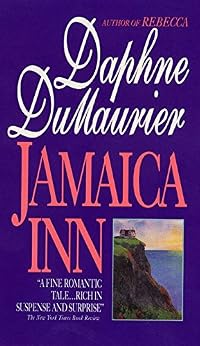
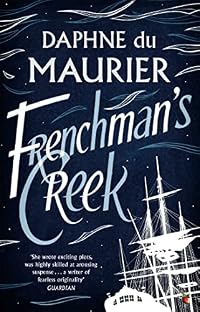
Daphne Du Maurier was born in London on May 13, 1907 and educated in Paris. In 1932, she married Lieutenant-General Sir Frederick Browning. She began writing short stories of mystery and suspense for magazines in 1928, a collection of which appeared as The Apple Tree in 1952. Her first novel, The Loving Spirit, was published in 1931. Her tightly show more woven, highly suspenseful plots and her strong characters make her stories perfect for adaptation to film or television. Among her many novels that were made into successful films are Jamaica Inn (1936), Rebecca (1938), Frenchman's Creek (1941), Hungry Hill (1943), My Cousin Rachel (1952), and The Scapegoat (1957). Her short story, The Birds (1953), was brought to the screen by director Alfred Hitchcock in a treatment that has become a classic horror-suspense film. She died on April 19, 1989 at the age of 81. (Bowker Author Biography) show less
All Editions
Some Editions
Awards and Honors
Series
Belongs to Publisher Series
Work Relationships
Common Knowledge
- Canonical title
- Don't Look Now / Not After Midnight / A Border-Line Case / The Way of the Cross / The Breakthrough
- Original title
- Not After Midnight and Other Stories; Not After Midnight
- Alternate titles
- Not After Midnight: Five Long Stories; Don't Look Now (US title - Doubleday) (US title - Doubleday); Don't Look Now and Other Stories (UK title - Harmondsworth/Penguin) (UK title - Harmondsworth/Penguin)
- Original publication date
- 1971
- Important places
- Venice, Veneto, Italy; Ireland; Jerusalem; Crete; Saxmere, Suffolk, England, UK
- Disambiguation notice
- Published by under different names "Not After Midnight" or "Don't Look Now" or "Don't Look Now, and other stories".
This collection includes:- Don't Look Now
- Not After Midnight
- A Borde... (show all)r-Line Case
- The Way of the Cross
- The Breakthrough
Classifications
- Genres
- Fiction and Literature, General Fiction, Horror
- DDC/MDS
- 823.912 — Literature & rhetoric English & Old English literatures English fiction 1900- 1901-1999 1901-1945
- LCC
- PZ3 .D8916 — Language and Literature Fiction and juvenile belles lettres Fiction and juvenile belles lettres Fiction in English
- BISAC
Statistics
- Members
- 1,296
- Popularity
- 18,617
- Reviews
- 35
- Rating
- (3.69)
- Languages
- 9 — Danish, Dutch, English, French, German, Greek, Italian, Russian, Spanish
- Media
- Paper, Audiobook, Ebook
- ISBNs
- 26
- ASINs
- 41