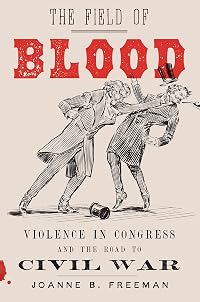
The Field of Blood: Violence in Congress and the Road to Civil War
by Joanne B. Freeman
On This Page
Description
The previously untold story of the violence in Congress that helped spark the Civil War. In The Field of Blood, Joanne B. Freeman recovers the long-lost story of physical violence on the floor of the U.S. Congress. Drawing on an extraordinary range of sources, she shows that the Capitol was rife with conflict in the decades before the Civil War. Legislative sessions were often punctuated by mortal threats, canings, flipped desks, and all-out slugfests. When debate broke down, congressmen show more drew pistols and waved Bowie knives. One representative even killed another in a duel. Many were beaten and bullied in an attempt to intimidate them into compliance, particularly on the issue of slavery. These fights didn't happen in a vacuum. Freeman's dramatic accounts of brawls and thrashings tell a larger story of how fisticuffs and journalism, and the powerful emotions they elicited, raised tensions between North and South and led toward war. In the process, she brings the antebellum Congress to life, revealing its rough realities--the feel, sense, and sound of it--as well as its nation-shaping import. Funny, tragic, and rivetingly told, The Field of Blood offers a front-row view of congressional mayhem and sheds new light on the careers of John Quincy Adams, Henry Clay, and other luminaries, as well as introducing a host of lesser-known but no less fascinating men. The result is a fresh understanding of the workings of American democracy and the bonds of Union on the eve of their greatest peril. show lessTags
Recommendations
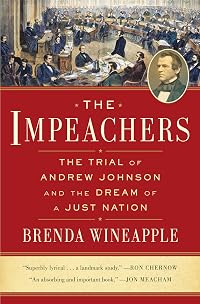
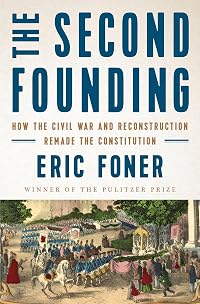

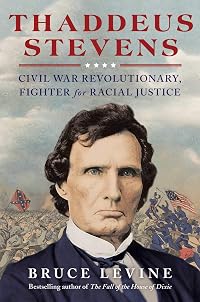
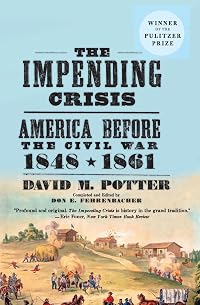










Member Reviews
Those folks who have taken the time to study Antebellum U.S. history are aware of the culture of violence that suffused the time, culminating in the assault on Sen. Charles Sumner by Rep. Preston Brooks. However, the author's signal service is to uncover the depths of that culture (mostly a Southern phenomena) and how, over time, it soured the political culture of the United States, and contributed to the outbreak of civil war. Freeman's methodology in uncovering the details of this culture is a commentary on how Congress, particularly in the peak of Jacksonian politics, went to some lengths to mask the level of personal aggression that was taking place, aided and abetted by a political press that aimed to serve the parties, not appeal show more to the general public. Once the telegraph and the railroad facilitated the rise of a national press, that was not beholden to government subsidy, "if it bleeds it leads" journalism became more prevalent. It didn't hurt that Freeman had access to a private commentator, Benjamin Brown French, who was in a position to see it all and who kept a diary that was meant to be a secret history, and which, fortunately, has come down to us. While there are times that one gets a bit more of Ben French than one might like, this book is nothing but timely and I'm giving it the highest marks on the grounds of relevance and the historiographic skill it took to shine a spotlight on the events covered. show less
Great, disturbing book about how much violence there was in the antebellum Congress—a guy died in a duel, and that’s not even the thing you know about (Sumner’s caning). John Quincy Adams deliberately used his elderly, decrepit statesman status to say things that other Northerners couldn’t say without getting called out for a literal duel, because Southerners were amazing bullies and used that bullying to prevent discussion of slavery. Eventually Northerners got fed up and started electing representatives who professed themselves willing to fight back, though Northerners still disapproved of dueling and so it was always a tightrope. But white Southerners were committed to their ideals of slavery and manhood as aggression, and so show more we got the Civil War. Not promising for today’s situation. show less
Benjamin Brown French. No, I had no idea who he was either, at least not before I read Joanne Freeman's The Field of Blood: Violence in Congress and the Road to Civil War. Clerk of the House of Representatives, Washington insider, friend of presidents, representatives and senators, and conscientious diarist, French left a record of the temper of the nation as that temper was concentrated in the nation's capital during the 1830s, 40s and 50s – the three decades that culminated in an internecine war that ripped a still-young nation asunder and whose echoes still reverberate over 130 years later.
Freeman has taken the records left by French and triangulated (her word) his accounts and those of his contemporaries with those of the show more newspapers of the day and those to be found in The Congressional Globe, the official record of the House proceedings, to draw us a word picture of the tenor of the times. What was that tenor like? What was the early to mid-19th Century Congress like? Freeman's The Field of Blood vividly answers these questions, and attempting to summarize those answers in a review is presumptuous. Let me observe only that animosity between North and South did not begin with the Southern attack on Fort Sumter in April 1861. In a sense, physical as well as verbal hostilities began in Congress fully three decades before Sumter, and Freeman's book describes no fewer than 70 “fights,” i.e., altercations involving fists, canes, pistols, knives, and/or threats of duels on the floor of Congress. In one of those altercations, the Cilley-Graves duel, one Congressman did actually shoot another to death.
Freeman takes pains to ensure that we readers understand that such behavior was not limited to or the result of Congressmen full of animosity but was rather a reflection of the feelings of the nation, such feelings being accurately represented by popularly elected Congressmen. We end the book with a more accurate understanding of the emotions of the entire country leading up to its rupture in 1861. I was also struck by the fluid and confused political party affiliations during that period; in Appendix A, Freeman lists no fewer that 15 parties that came in and out of existence in antebellum America.
I would doubt any reader who might claim that The Field of Blood is not highly informative. However, how interesting and readable is it? The book does require one's concentrated attention, and there is perhaps some possibility of becoming bogged down now and then in the litany of names and political affiliations with which the reader was not previously familiar. This is not a book for a relaxing, escapist, or especially easy read. It is a history book written by a historian, but by that I do not mean that a general reader should avoid it. If one has an interest in U.S. History, in the causes of the Civil War, in the 19th Century concept of “honor,” or in the sectional conflicts within the so-called “United” States, then The Field of Blood should prove to be worth every hour spent in reading it. show less
Freeman has taken the records left by French and triangulated (her word) his accounts and those of his contemporaries with those of the show more newspapers of the day and those to be found in The Congressional Globe, the official record of the House proceedings, to draw us a word picture of the tenor of the times. What was that tenor like? What was the early to mid-19th Century Congress like? Freeman's The Field of Blood vividly answers these questions, and attempting to summarize those answers in a review is presumptuous. Let me observe only that animosity between North and South did not begin with the Southern attack on Fort Sumter in April 1861. In a sense, physical as well as verbal hostilities began in Congress fully three decades before Sumter, and Freeman's book describes no fewer than 70 “fights,” i.e., altercations involving fists, canes, pistols, knives, and/or threats of duels on the floor of Congress. In one of those altercations, the Cilley-Graves duel, one Congressman did actually shoot another to death.
Freeman takes pains to ensure that we readers understand that such behavior was not limited to or the result of Congressmen full of animosity but was rather a reflection of the feelings of the nation, such feelings being accurately represented by popularly elected Congressmen. We end the book with a more accurate understanding of the emotions of the entire country leading up to its rupture in 1861. I was also struck by the fluid and confused political party affiliations during that period; in Appendix A, Freeman lists no fewer that 15 parties that came in and out of existence in antebellum America.
I would doubt any reader who might claim that The Field of Blood is not highly informative. However, how interesting and readable is it? The book does require one's concentrated attention, and there is perhaps some possibility of becoming bogged down now and then in the litany of names and political affiliations with which the reader was not previously familiar. This is not a book for a relaxing, escapist, or especially easy read. It is a history book written by a historian, but by that I do not mean that a general reader should avoid it. If one has an interest in U.S. History, in the causes of the Civil War, in the 19th Century concept of “honor,” or in the sectional conflicts within the so-called “United” States, then The Field of Blood should prove to be worth every hour spent in reading it. show less
So much of what we learn from Dr. Freeman’s “The Field of Blood: Violence in the Congress and the Road to Civil War” is relevant to today’s Congress that I shudder to think of what could happen were US legislators today allowed to pack guns on their bodies in either the House of Representatives or the Senate, as they were allowed to do in the 19th century.
Many of the ingredients for civil war in the 19th century are there again: refusal to compromise between party factions, incentives to back up strong words with stronger medicine (“Lock her up!”), and powerful outside interests to keep the warring factions apart.
Few Americans today recall that their early representatives fought physically in the houses of Congress, that show more they sat and spat tobacco juice from their chairs sometimes hitting, sometimes missing their targets, and that they legislated well into the night sometimes so thoroughly intoxicated that they spread themselves out over their desks.
In some ways, the American Civil War had several dress rehearsals in Congress: men fought and yelled and bullied each other. Southerners bullied some northerners into duels, caned them when they wouldn’t yield, and insulted them to feed the frenzy.
They fought on the floor of the House, they attacked one another outside the Capitol on the streets of Washington, and they abused them while at a meal or drinking session in public houses.
The institution of slavery was the source of many disputes and they did not wait very long after Confederation before they came front and centre to the operation of government.
The American experiment grew quickly: many new states came into being not long after the original ink was dry. With new states inevitably came the question of whether they were to be free or slave states. John Quincy Adams, only the sixth US President, stayed on after his Presidential term in office (1825-1829) in the House of Representatives and repeatedly fought the “gag rules” intended to prevent a discussion to ban slavery in the United States.
I picked up this work because I am thoroughly engrossed in the question of why were southerners so intent on perpetuating violence against their former slaves. This volume held some hints.
For one thing, the culture of a code of honour prevented southerners from forgetting that their birthright had been stolen from them. They continued to believe that the blacks were inferior to them and it enraged many that after the 1860’s blacks were equal to them before the law.
But it is also so because violence was so common and in many ways acceptable behaviour when one was wronged. This culture seeped into the American response to aboriginal groups no less than against the imported black population.
And that undercurrent of violence feeds present obsession with the Second Amendment, the right to bear arms.
Violence came with the untethered frontier, but it was not only the frontier where men were expected to defend the homestead. It happened wherever personal or state rights were believed under threat.
The presence of bullying and violence in the national capitol led me to ask a question Dr. Freemen does not broach in this book: given the culture of intimidation present, how good were American legislators during this period? There was no parallel experiment in operation during the same years, although we Canadians and our Australian cousins had similar institutions of self government on the frontier.
That Civil War actually broke out leads us to the conclusion that they ultimately failed, either because they were poor legislators, or because the early framers of the Constitution stacked the deck against them. Because States’ right were so integral to the system, Civil War was bound to develop eventually.
And that very same structure today inhibits US governments from acting in concert with other nations to slow global warming. That goose called “sovereignty” will cook us all. show less
Many of the ingredients for civil war in the 19th century are there again: refusal to compromise between party factions, incentives to back up strong words with stronger medicine (“Lock her up!”), and powerful outside interests to keep the warring factions apart.
Few Americans today recall that their early representatives fought physically in the houses of Congress, that show more they sat and spat tobacco juice from their chairs sometimes hitting, sometimes missing their targets, and that they legislated well into the night sometimes so thoroughly intoxicated that they spread themselves out over their desks.
In some ways, the American Civil War had several dress rehearsals in Congress: men fought and yelled and bullied each other. Southerners bullied some northerners into duels, caned them when they wouldn’t yield, and insulted them to feed the frenzy.
They fought on the floor of the House, they attacked one another outside the Capitol on the streets of Washington, and they abused them while at a meal or drinking session in public houses.
The institution of slavery was the source of many disputes and they did not wait very long after Confederation before they came front and centre to the operation of government.
The American experiment grew quickly: many new states came into being not long after the original ink was dry. With new states inevitably came the question of whether they were to be free or slave states. John Quincy Adams, only the sixth US President, stayed on after his Presidential term in office (1825-1829) in the House of Representatives and repeatedly fought the “gag rules” intended to prevent a discussion to ban slavery in the United States.
I picked up this work because I am thoroughly engrossed in the question of why were southerners so intent on perpetuating violence against their former slaves. This volume held some hints.
For one thing, the culture of a code of honour prevented southerners from forgetting that their birthright had been stolen from them. They continued to believe that the blacks were inferior to them and it enraged many that after the 1860’s blacks were equal to them before the law.
But it is also so because violence was so common and in many ways acceptable behaviour when one was wronged. This culture seeped into the American response to aboriginal groups no less than against the imported black population.
And that undercurrent of violence feeds present obsession with the Second Amendment, the right to bear arms.
Violence came with the untethered frontier, but it was not only the frontier where men were expected to defend the homestead. It happened wherever personal or state rights were believed under threat.
The presence of bullying and violence in the national capitol led me to ask a question Dr. Freemen does not broach in this book: given the culture of intimidation present, how good were American legislators during this period? There was no parallel experiment in operation during the same years, although we Canadians and our Australian cousins had similar institutions of self government on the frontier.
That Civil War actually broke out leads us to the conclusion that they ultimately failed, either because they were poor legislators, or because the early framers of the Constitution stacked the deck against them. Because States’ right were so integral to the system, Civil War was bound to develop eventually.
And that very same structure today inhibits US governments from acting in concert with other nations to slow global warming. That goose called “sovereignty” will cook us all. show less
An excellent exploration of violence in Congress during the antebellum period, using the entirely appropriate Benjamin Brown French as the focal point. Freeman manages to tell an extremely complicated and difficult story very effectively.
Rousing, first-class bit of history regarding the history of Congressional violence in the generation leading up to the Civil War, and its origins and ties to ongoing disputes over the future of slavery in the United States. Some of the material (like the caning of Senator Sumner) is old territory, but there is a great deal of fresh material, including one on an 1830s duel that killed a Maine congressman, an affair that poisoned Congressional relationships quite seriously. The author, quite cleverly, has chosen to have us see things through the diary and eyes of B.B. French, a New Hampshire man that was briefly the clerk of the House, and later a bureaucrat under President Pierce. There's a wealth of well-chosen illustrations, though my show more one complaint about them is that they're hard to read at the size they're reproduced. If you like American history, you are going to love this book. show less
"The United States is no longer to be triumphed over as if it were a coward and dared not protect himself!"
Essential book on the origins of the Civil War that establishes the importance of violent clashes in Congress to the emotions and mentalities of either side. Southerners asserting their honor by violently resenting anti-Slave Power denunciations, and Northerners and Whigs first suffering attack then Republicans priding themselves on fighting back, were issues of critical public importance as the conflict developed, and helped create an atmosphere in which backing down became unacceptable.
Essential book on the origins of the Civil War that establishes the importance of violent clashes in Congress to the emotions and mentalities of either side. Southerners asserting their honor by violently resenting anti-Slave Power denunciations, and Northerners and Whigs first suffering attack then Republicans priding themselves on fighting back, were issues of critical public importance as the conflict developed, and helped create an atmosphere in which backing down became unacceptable.
Members
- Recently Added By
Lists

Recommend the 20 best books you've read in the last five years
2,168 works; 606 members

Club Read's Recommended Nonfiction Written by Women
618 works; 30 members
Author Information

Joanne B. Freeman is assistant professor of history at Yale University. She recently appeared in the PBS American Experience documentary "The Duel", exploring the fatal 1804 clash between Burr and Hamilton. (Bowker Author Biography)
Some Editions
Awards and Honors
Awards
Distinctions
Notable Lists
Common Knowledge
Classifications
- Genres
- History, General Nonfiction, Nonfiction, Politics and Government
- DDC/MDS
- 973.7 — History & geography History of North America United States Civil War Era (1857-1865)
- LCC
- E338 — History of the United States United States Revolution to the Civil War, 1775/1783-1861 By period Early nineteenth century, 1801/1809-1845 General
- BISAC
Statistics
- Members
- 587
- Popularity
- 50,150
- Reviews
- 14
- Rating
- (4.25)
- Languages
- English
- Media
- Paper, Audiobook, Ebook
- ISBNs
- 4
- ASINs
- 2