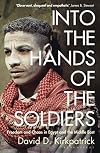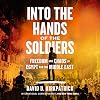
Into the Hands of the Soldiers: Freedom and Chaos in Egypt and the Middle East
by David D. Kirkpatrick
On This Page
Description
A candid narrative of how and why the Arab Spring sparked, then failed, and the truth about America's role in that failure and the subsequent military coup that put Sisi in power--from the Middle East correspondent of the New York Times. In 2011, Egyptians of all sects, ages, and social classes shook off millennia of autocracy, then elected a Muslim Brotherhood president. The 2013 military coup replaced him with a vigorous strongman, Abdel Fattah el-Sisi, who has cracked down on any dissent show more or opposition with a degree of ferocity Mubarak never dared. What went wrong? Is the Arab world stuck between military and theocratic authoritarianism? And how did Washington manage to be so feckless and reactive? Egypt has for centuries set in motion every major trend in politics and culture across the Arab world, from independence and Arab nationalism to Islamic modernism, political Islam, and the jihadist thought that led to Al Qaeda and ISIS. The Arab Spring revolts of 2011 spread from Cairo, so Americans naturally look to its disastrous democratic experiment with cynical exasperation; but they fail to understand the dynamic of the uprising, the hidden story of its failure, and Washington's part in that tragedy. David D. Kirkpatrick arrived in Egypt less than six months before the uprising broke out. The book juxtaposes his account of Tahrir Square, the elections, and the eventual coup, with new reporting on the conflicts within the Obama administration over how to handle the tumult. It is the story of Kirkpatrick's education in the Arab world, in a time of revolution and violence. show lessTags
Recommendations













































Member Reviews
A superb book from the the NYT Cairo bureau chief from 2011-2015. David Kirkpatrick lived in Cairo and witnessed the Arab Spring first hand as well as the military coup that deposed a democratically elected Morsi in 2013. He captures the major actors and paints a vivid picture of not only what was going on on the ground in Cairo during these violent times, but Washington's divided opinions on what was happening. While the Muslim Brotherhood's man Morsi was a second rate, ham-fisted leader, he represented an attempt to overcome the long-entrenched autocratic rule of a struggling country. Like any political group, the Brotherhood had its enemies, both within the deep state of the Egyptian bureaucracy and without, from opposing parties to show more the Saudis who helped bankroll the effort against them. What they were not was a terror organization. What they were not is an affiliate with AQ or ISIS; smears against an organization that was itself disunited and not always capable of speaking with one voice, but definitely a group of well-educated, well-intended Egyptians who sought change for the better. While Sisi continue to reign over a brutal autocracy, Kirkpatrick's book does leave the reader with faith in the Egyptian people; that they do want better for themselves and succeeding generations. show less
a Muslim brotherhood proponent, don't know if i agree with the author!
Ratings
Members
- Recently Added By
Author Information
3 Works 66 Members
Classifications
Statistics
- Members
- 64
- Popularity
- 484,106
- Reviews
- 2
- Rating
- (4.33)
- Languages
- English
- Media
- Paper, Audiobook, Ebook
- ISBNs
- 10
- ASINs
- 2