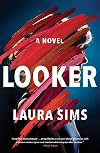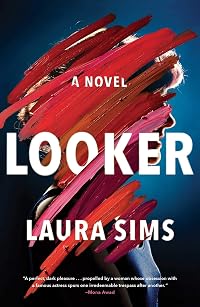
Looker: A Novel
by Laura Sims
On This Page
Description
In this taut and thrilling debut, an unraveling woman, unhappily childless and recently separated, becomes fixated on her neighbor--the beautiful, famous actress. The unnamed narrator can't help noticing with wry irony that, though she and the actress live just a few doors apart, they are separated by a chasm of professional success and personal fulfillment. When an interaction with the actress at the annual block party takes a disastrous turn, what began as an innocent preoccupation spirals show more quickly, and lethally, into a frightening and irretrievable madness. show lessTags
Recommendations
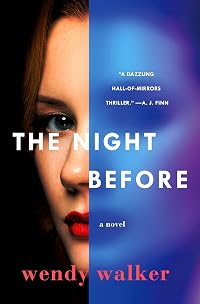
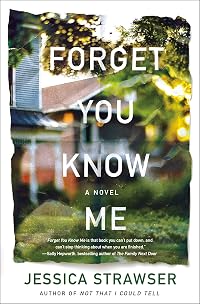
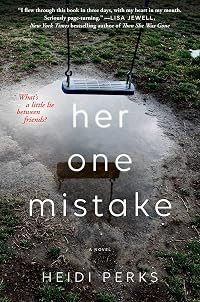
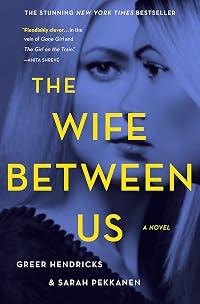


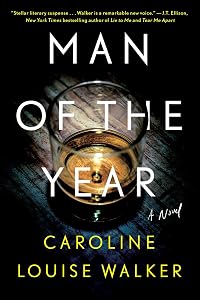
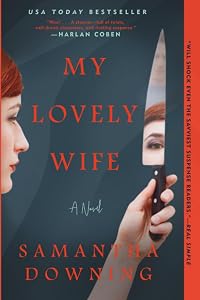
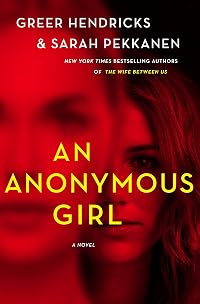

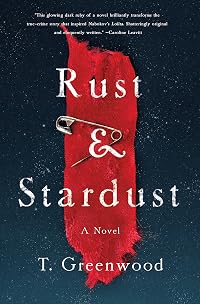








Member Recommendations
RidgewayGirl Both feature unsympathetic main characters who constantly make the worst possible decisions.
Member Reviews
I loved Sims' most recent novel, How Can I Help You, when I read it last year, and it prompted me to see what else she had written. Looker is her only other novel, and I loved it just as much as HCIHY.
The unnamed narator (I am pretty sure she is unnamed - it's a first person narrative and very interior so her remaining unnamed would make sense...) has just been left by her husband after a long struggle with infertility. This event has sent an already fragile woman into a downward spiral, most obviously displayed in her obsession with her neighbor, "The Actress." The Actress seems to have it all, and the narrator wants some of it. Even if it's just something small, pilfered from the yard. Or even if it's just The Actress' husband, with show more whom she imagines having an affair...
In sharp, strong, and sometimes funny, prose, Sims paints a stark portrait of a woman on the edge juuuuust.... as she.... begins to..... tip.... over it. It's really well done, and the excellent narration of the audiobook added a lot to my experience of the novel. I can see a lot of people not loving this one like I did, but if it sounds up your alley, or you liked Sims' latest novel, give it a whirl.
4.5 stars show less
The unnamed narator (I am pretty sure she is unnamed - it's a first person narrative and very interior so her remaining unnamed would make sense...) has just been left by her husband after a long struggle with infertility. This event has sent an already fragile woman into a downward spiral, most obviously displayed in her obsession with her neighbor, "The Actress." The Actress seems to have it all, and the narrator wants some of it. Even if it's just something small, pilfered from the yard. Or even if it's just The Actress' husband, with show more whom she imagines having an affair...
In sharp, strong, and sometimes funny, prose, Sims paints a stark portrait of a woman on the edge juuuuust.... as she.... begins to..... tip.... over it. It's really well done, and the excellent narration of the audiobook added a lot to my experience of the novel. I can see a lot of people not loving this one like I did, but if it sounds up your alley, or you liked Sims' latest novel, give it a whirl.
4.5 stars show less
This is a slow burn thriller, in which an unsympathetic main character becomes less and less sympathetic as the novel goes on, and by the time the climactic scene is reached, the reader has been cringing for some time, knowing that something terrible will happen and that it will all happen because of this narrator who tells her story in an increasingly interior and claustrophobic way.
So I really liked this. In it, a woman who has recently been unsuccessful in getting pregnant, despite expensive fertility treatments, is left by her husband, who packs up all of his things, leaving only his cat behind. As her life becomes smaller, the casual interest she has in a neighbor, a famous actress, becomes more and more intense.
It's clear that show more something bad will happen. The narrator in whose head the reader is trapped, becomes increasingly irrational, transforming from someone who had a career and a social life into a woman who creates illusions and imaginary connections, reacting to the story in her mind rather than how things really are. Sims does a wonderful job of both portraying how her character experiences people and events, while giving small glimpses into how things really are. It's a fun, uncomfortable read for anyone who likes Otessa Moshfegh, noir and watching someone making very bad decisions. show less
So I really liked this. In it, a woman who has recently been unsuccessful in getting pregnant, despite expensive fertility treatments, is left by her husband, who packs up all of his things, leaving only his cat behind. As her life becomes smaller, the casual interest she has in a neighbor, a famous actress, becomes more and more intense.
It's clear that show more something bad will happen. The narrator in whose head the reader is trapped, becomes increasingly irrational, transforming from someone who had a career and a social life into a woman who creates illusions and imaginary connections, reacting to the story in her mind rather than how things really are. Sims does a wonderful job of both portraying how her character experiences people and events, while giving small glimpses into how things really are. It's a fun, uncomfortable read for anyone who likes Otessa Moshfegh, noir and watching someone making very bad decisions. show less
Looker is a short novel set in New York City (although the location is never specified, the clues are unmistakable) about a young woman who obsesses over the famous actress living next door while her own life falls apart. The title is thus a rather uninspired play on words - the actress is a beauty, a "looker," while the narrator is her constant observer, making her also a kind of "looker."
The novel's protagonist, who narrates the entire story in first person, is repugnant: emotionally immature, constantly passive-aggressive, and given to extravagant fantasies that everyone else is having a better and easier time in life than her.
The narrator's life is a long parade of woes. She and her husband, Nathan Fielding, have been trying show more desperately to have a baby, but when this fails he leaves her, an event that occurs shortly before the book's opening. The narrator regales us with stories of their past life together, including her less than wholesome relationship with her former neighbors, Dillon and Farrah, whom she clearly envies because they, and not her, were able to produce children.
When the neighbors move out and Nathan leaves her, the narrator become increasingly fixated on the actress, watching their family, stealing their things, and fantasizing about sex with the actress's husband (that, when they are caught, evolves into some bizarre love triangle).
The story then turns to the narrator's work life. We learn that she has a passion for poetry, which she has turned into a career of sorts, teaching evening classes in poetry to adult learners as an untenured lecturer. When the narrator begins flirting with a handsome Italian student, Bernardo, we know that trouble is coming, even though (or especially) because she turns him down for sex after meeting him for a drink. A resentful Bernardo responds by presenting the class with an erotic poem that implies that the two of them did have sex, and while the narrator continues to keep her distance at first, the news that Nathan is filing for divorce leads her straight into bed with Bernardo.
The denouement of the novel is a spiral of personal disasters. At the neighborhood block party, the narrator meets the actress and talks with her for several minutes, receiving a compliment on the pasta salad she made. She offers to bring some to the actress's house, but her moment of triumph is ruined by Nathan's delivery of the divorce papers and the demand that she return his cat.
The narrator goes to the actress's house with the pasta salad, but refuses to leave it there when the door is answered by an assistant. Later that night, she smashes the glass bowl of pasta in front of the actress's house in a fit of rage, then collects up the broken pieces. She receives an email from Bernardo that says he is reporting her for sexual harassment and dropping out of school.
Summoned by her department chair, who is a notable womanizer, the narrator tries to laugh off the situation as the actions of a disgruntled student. Her efforts are in vain: the dean fires her anyway on the pretext of low enrollment, without reference to her sexual indiscretions. The narrator goes home and suffocates Nathan's cat, even though she has come to love the creature. Then she takes all the things she has stolen from the actress and puts them outside the actress's front gate.
The narrator's neighborly nemesis, Mrs H, tells her that the actress has freaked out over this action, and is planning to sell her house. With Mrs H in tow, the narrator decides to go and confront the actress, who has just returned from a run. When the actress sees the narrator, she is terrified and tries to run inside. She seems to change her mind at the last minute, and the narrator, in her delusion, thinks the actress loves her - but actually, she is going to the aid of Mrs H, who has fallen over. The narrator screams and waits for the police to come and arrest her.
Writing a novel with an extremely unlikable protagonist is always a risk, and it is a task that must be handled with far more skill than Laura Sims possesses, based on what I saw in this book. If you do go down this artistic road, you had better make sure that you have something pressing and urgent to say - think of American Psycho, for instance, in which the abhorrent Patrick Bateman represents the ugliness of unbridled capitalism.
Indeed, considering this question makes me wonder whether Sims may indeed be performing a social critique. What would its message be? That people with a passion for literature are delusional, passive-aggressive psychopaths? That everyone else really is having a better time than you? That self-defeating acts of revenge are a valid way out of other people's perceived slights and the apparent injustice of the universe?
There are also some major problems with realism in this novel. What kind of superwoman finishes her academic studies in literature by the age of 24 (she is twenty-five in the novel, and at least one year out of grad school)? How is this imaginary woman, even with a husband, able to afford a brownstone in New York? Next door to a world famous actress? On the pitiful, below-the-poverty-line salary of an untenured lecturer? Our narrator refers to herself at one point as "a highly regarded female professor," and while I know that I am maybe supposed to take this statement with a grain of salt because the narrator is delusional, I get the feeling that Sims thinks that all this is part of a credible portrayal of reality in 2019. I work in academia, and I've lived in that part of the world, and there is no way that any of those things are believable.
In the end, though, I couldn't stand this novel for its relentless negativity and implied misogyny. The narrator is not a target for our compassion - for most readers, that will probably die with the cat, if not sooner - she is designed to be an object of scorn. This is what happens when you delude yourself with poetic dreams, when you fly after unrealistic fantasies, the novel seems to be saying, you turn yourself into an emotional child who can't cope with the world. Why don't you just grow up and be a man? A big, strong, successful man - someone, say, like Patrick Bateman. show less
The novel's protagonist, who narrates the entire story in first person, is repugnant: emotionally immature, constantly passive-aggressive, and given to extravagant fantasies that everyone else is having a better and easier time in life than her.
The narrator's life is a long parade of woes. She and her husband, Nathan Fielding, have been trying show more desperately to have a baby, but when this fails he leaves her, an event that occurs shortly before the book's opening. The narrator regales us with stories of their past life together, including her less than wholesome relationship with her former neighbors, Dillon and Farrah, whom she clearly envies because they, and not her, were able to produce children.
When the neighbors move out and Nathan leaves her, the narrator become increasingly fixated on the actress, watching their family, stealing their things, and fantasizing about sex with the actress's husband (that, when they are caught, evolves into some bizarre love triangle).
The story then turns to the narrator's work life. We learn that she has a passion for poetry, which she has turned into a career of sorts, teaching evening classes in poetry to adult learners as an untenured lecturer. When the narrator begins flirting with a handsome Italian student, Bernardo, we know that trouble is coming, even though (or especially) because she turns him down for sex after meeting him for a drink. A resentful Bernardo responds by presenting the class with an erotic poem that implies that the two of them did have sex, and while the narrator continues to keep her distance at first, the news that Nathan is filing for divorce leads her straight into bed with Bernardo.
The denouement of the novel is a spiral of personal disasters. At the neighborhood block party, the narrator meets the actress and talks with her for several minutes, receiving a compliment on the pasta salad she made. She offers to bring some to the actress's house, but her moment of triumph is ruined by Nathan's delivery of the divorce papers and the demand that she return his cat.
The narrator goes to the actress's house with the pasta salad, but refuses to leave it there when the door is answered by an assistant. Later that night, she smashes the glass bowl of pasta in front of the actress's house in a fit of rage, then collects up the broken pieces. She receives an email from Bernardo that says he is reporting her for sexual harassment and dropping out of school.
Summoned by her department chair, who is a notable womanizer, the narrator tries to laugh off the situation as the actions of a disgruntled student. Her efforts are in vain: the dean fires her anyway on the pretext of low enrollment, without reference to her sexual indiscretions. The narrator goes home and suffocates Nathan's cat, even though she has come to love the creature. Then she takes all the things she has stolen from the actress and puts them outside the actress's front gate.
The narrator's neighborly nemesis, Mrs H, tells her that the actress has freaked out over this action, and is planning to sell her house. With Mrs H in tow, the narrator decides to go and confront the actress, who has just returned from a run. When the actress sees the narrator, she is terrified and tries to run inside. She seems to change her mind at the last minute, and the narrator, in her delusion, thinks the actress loves her - but actually, she is going to the aid of Mrs H, who has fallen over. The narrator screams and waits for the police to come and arrest her.
Writing a novel with an extremely unlikable protagonist is always a risk, and it is a task that must be handled with far more skill than Laura Sims possesses, based on what I saw in this book. If you do go down this artistic road, you had better make sure that you have something pressing and urgent to say - think of American Psycho, for instance, in which the abhorrent Patrick Bateman represents the ugliness of unbridled capitalism.
Indeed, considering this question makes me wonder whether Sims may indeed be performing a social critique. What would its message be? That people with a passion for literature are delusional, passive-aggressive psychopaths? That everyone else really is having a better time than you? That self-defeating acts of revenge are a valid way out of other people's perceived slights and the apparent injustice of the universe?
There are also some major problems with realism in this novel. What kind of superwoman finishes her academic studies in literature by the age of 24 (she is twenty-five in the novel, and at least one year out of grad school)? How is this imaginary woman, even with a husband, able to afford a brownstone in New York? Next door to a world famous actress? On the pitiful, below-the-poverty-line salary of an untenured lecturer? Our narrator refers to herself at one point as "a highly regarded female professor," and while I know that I am maybe supposed to take this statement with a grain of salt because the narrator is delusional, I get the feeling that Sims thinks that all this is part of a credible portrayal of reality in 2019. I work in academia, and I've lived in that part of the world, and there is no way that any of those things are believable.
In the end, though, I couldn't stand this novel for its relentless negativity and implied misogyny. The narrator is not a target for our compassion - for most readers, that will probably die with the cat, if not sooner - she is designed to be an object of scorn. This is what happens when you delude yourself with poetic dreams, when you fly after unrealistic fantasies, the novel seems to be saying, you turn yourself into an emotional child who can't cope with the world. Why don't you just grow up and be a man? A big, strong, successful man - someone, say, like Patrick Bateman. show less
I agree with reviewers on Goodreads who say this book is being incorrectly marketed as a thriller. It’s not a thriller in the traditional sense of fast-paced plot twists and a satisfying whodunnit. This one is a slow and unnerving character study of a woman slowly becoming undone.
After years of fertility treatments and trying for a family, the unnamed narrator, estranged from her husband, now lives alone with her ex’s cat. Soon, she becomes fixated on her seemingly perfect neighbor and obsessed about making a good impression at the neighborhood block party.
Occasionally funny but also profoundly unsettling, I really enjoyed this short and elegantly crafted book about a woman slowly and subtly unraveling at the seams. Like a car stuck show more on the train tracks, you might guess at the inevitable, catastrophic conclusion, but you also can’t look away. show less
After years of fertility treatments and trying for a family, the unnamed narrator, estranged from her husband, now lives alone with her ex’s cat. Soon, she becomes fixated on her seemingly perfect neighbor and obsessed about making a good impression at the neighborhood block party.
Occasionally funny but also profoundly unsettling, I really enjoyed this short and elegantly crafted book about a woman slowly and subtly unraveling at the seams. Like a car stuck show more on the train tracks, you might guess at the inevitable, catastrophic conclusion, but you also can’t look away. show less
Fantastic character study of a woman losing touch with reality. Also, how our modern lives feed our delusions and envy. A cautionary tale on how not to manage your feelings. Great if your into that kind of content. It gets a 3 from me, because it is upsetting to spend any time with a character that is grieving, negative and self-defeating, plus a triggering animal cruelty episode. Normally, this is not a book I would choose, because I have no appetite for this kind of fiction, but I read it for a book club.
Spoilers ahead. The only reason I read this the whole way through, was was an attempt to take my mind off several big worries. Were I in a better mood originally, I'd have likely set the book down early on. This first-person, present-tense novel is classed as a thriller. I wonder if there was a mix up in the marketing department with another novel. This is an incessantly whiny manifesto of mind-numbing proportions. The unnamed narrator-protagonist does nothing to gain desperately-wanted sympathy and effortlessly instead gains my unimpressed annoyance. I'd feel more sympathy as a fellow infertile person if she'd stop wailing about it for pages at a time. Despite her level of despondency, it doesn't occur to her to go to a support group show more about it, nor does she reach out to her friend that she goes out to lunch with often. The woman was so whiny about everything in her life that I actually started to side with her ex, Nathan. She was insufferable about the separation. -And infertility and separations usually get instant sympathy from me.-
She's definitely an unreliable narrator, which does little to make a book suspenseful for me. I usually think uncharitable thoughts. The narrator has an odd fixation on one of her adult students and blames him for her own sexual thoughts. Sims tried to write sexual tension and failed, then spent six pages on the sex scene between student and professor-narrator. The narrator mentions her masturbation habits for no apparent reason throughout the novel. Her supposed obsession with the actress takes up less than five percent of the novel, and feels more like a more intense celebrity crush than usual. Nowhere in the book was I too worried for the actress' safety or that of her kids. If the picnic had happened within the first ten pages instead of over halfway through, it could have been an interesting inciting event. If she'd shoved the actress instead of her elderly neighbor, I would have actually believed she was obsessed with her. This book was really poorly paced. I'm an avid suspense reader, and I was bored.
Ultimately, this is a book where not much happens. An underemployed poetry professor whose husband walked out whines a lot. She thinks too much, drinks too much, gets fired for sleeping with a student, kills her ex's cat, and shoves her elderly neighbor so hard she presumably dies, all while sometimes thinking of an actress she likes who lives nearby. One nice thing about the book is that I was indeed so bored that I stopped worrying about my circumstances for a bit. show less
She's definitely an unreliable narrator, which does little to make a book suspenseful for me. I usually think uncharitable thoughts. The narrator has an odd fixation on one of her adult students and blames him for her own sexual thoughts. Sims tried to write sexual tension and failed, then spent six pages on the sex scene between student and professor-narrator. The narrator mentions her masturbation habits for no apparent reason throughout the novel. Her supposed obsession with the actress takes up less than five percent of the novel, and feels more like a more intense celebrity crush than usual. Nowhere in the book was I too worried for the actress' safety or that of her kids. If the picnic had happened within the first ten pages instead of over halfway through, it could have been an interesting inciting event. If she'd shoved the actress instead of her elderly neighbor, I would have actually believed she was obsessed with her. This book was really poorly paced. I'm an avid suspense reader, and I was bored.
Ultimately, this is a book where not much happens. An underemployed poetry professor whose husband walked out whines a lot. She thinks too much, drinks too much, gets fired for sleeping with a student, kills her ex's cat, and shoves her elderly neighbor so hard she presumably dies, all while sometimes thinking of an actress she likes who lives nearby. One nice thing about the book is that I was indeed so bored that I stopped worrying about my circumstances for a bit. show less
One sentence summary
Laura Sims has a unique and interesting writing style.
My thoughts
I felt this book deserved more than 3⭐️’s, but less than 4. The story held my interest, but I was anticipating more suspense. I’ll admit sometimes it takes some twisted thrills to keep me flipping pages! Although I enjoyed the book, I would have devoured it in one sitting with more suspense/thrills.
Likes
I was hooked by the cover...FABULOUS...and pulled in by the description. This was a debut, so I’d like to see what else Ms. Sims comes out with.
The storyline of a woman just abandoned by her husband, fixated on her neighbor, as she’s bitterly reminded of the life she imagined for herself...sounds pretty serious, but bits of humor added show more appeal to the story.
Dislikes
One thing I didn’t care for was the fact that it ran on, as one long chapter. I need chapters...and shorter ones are better. I need a clear stopping point when I put the book aside. Chapters make me feel like I’ve accomplished something. But that is a personal quirk and shouldn’t reflect on the book or author!
I also yearned to give this unstable stalker a name. It’s easier to picture the character.
The book had many great reviews, so I think my opinions are in the minority.
Recommend: Yes...it’s short and worth trying!
My Rating: 3 ⭐️’s
Published: January 8th 2019 by Scribner Pages: 182
Thank you to NetGalley / Scribner / Laura Sims for this digital ARC, in exchange for my honest review!
#NetGalley #Looker #Debut
Book Blurb
A dazzling, razor-sharp debut novel about a woman whose obsession with the beautiful actress on her block drives her to the edge.
I’ve never crossed their little fenced-in garden, of course. I stand on the sidewalk in front of the fern-and-ivy-filled planter that hangs from the fence—placed there as a sort of screen, I’m sure—and have a direct line of view into the kitchen at night. I’m grateful they’ve never thought to install blinds. That’s how confident they are. No one would dare stand in front of our house and watch us, they think. And they’re probably right: except for me.
In this taut and thrilling debut, an unraveling woman, unhappily childless and recently separated, becomes fixated on her neighbor—the actress. The unnamed narrator can’t help noticing with wry irony that, though she and the actress live just a few doors apart, a chasm of professional success and personal fulfillment lies between them. The actress, a celebrity with her face on the side of every bus, shares a gleaming brownstone with her handsome husband and their three adorable children, while the narrator, working in a dead-end job, lives in a run-down, three-story walk-up with her ex-husband’s cat.
When an interaction with the actress at the annual block party takes a disastrous turn, what began as an innocent preoccupation spirals quickly, and lethally, into a frightening and irretrievable madness. Searing and darkly witty, Looker is enormously entertaining—a psychologically suspenseful and fearlessly original portrait of the perils of envy.
show less
Laura Sims has a unique and interesting writing style.
My thoughts
I felt this book deserved more than 3⭐️’s, but less than 4. The story held my interest, but I was anticipating more suspense. I’ll admit sometimes it takes some twisted thrills to keep me flipping pages! Although I enjoyed the book, I would have devoured it in one sitting with more suspense/thrills.
Likes
I was hooked by the cover...FABULOUS...and pulled in by the description. This was a debut, so I’d like to see what else Ms. Sims comes out with.
The storyline of a woman just abandoned by her husband, fixated on her neighbor, as she’s bitterly reminded of the life she imagined for herself...sounds pretty serious, but bits of humor added show more appeal to the story.
Dislikes
One thing I didn’t care for was the fact that it ran on, as one long chapter. I need chapters...and shorter ones are better. I need a clear stopping point when I put the book aside. Chapters make me feel like I’ve accomplished something. But that is a personal quirk and shouldn’t reflect on the book or author!
I also yearned to give this unstable stalker a name. It’s easier to picture the character.
The book had many great reviews, so I think my opinions are in the minority.
Recommend: Yes...it’s short and worth trying!
My Rating: 3 ⭐️’s
Published: January 8th 2019 by Scribner Pages: 182
Thank you to NetGalley / Scribner / Laura Sims for this digital ARC, in exchange for my honest review!
#NetGalley #Looker #Debut
Book Blurb
A dazzling, razor-sharp debut novel about a woman whose obsession with the beautiful actress on her block drives her to the edge.
I’ve never crossed their little fenced-in garden, of course. I stand on the sidewalk in front of the fern-and-ivy-filled planter that hangs from the fence—placed there as a sort of screen, I’m sure—and have a direct line of view into the kitchen at night. I’m grateful they’ve never thought to install blinds. That’s how confident they are. No one would dare stand in front of our house and watch us, they think. And they’re probably right: except for me.
In this taut and thrilling debut, an unraveling woman, unhappily childless and recently separated, becomes fixated on her neighbor—the actress. The unnamed narrator can’t help noticing with wry irony that, though she and the actress live just a few doors apart, a chasm of professional success and personal fulfillment lies between them. The actress, a celebrity with her face on the side of every bus, shares a gleaming brownstone with her handsome husband and their three adorable children, while the narrator, working in a dead-end job, lives in a run-down, three-story walk-up with her ex-husband’s cat.
When an interaction with the actress at the annual block party takes a disastrous turn, what began as an innocent preoccupation spirals quickly, and lethally, into a frightening and irretrievable madness. Searing and darkly witty, Looker is enormously entertaining—a psychologically suspenseful and fearlessly original portrait of the perils of envy.
show less
Members
- Recently Added By
Lists

Books Read in 2019
4,052 works; 110 members
Author Information

7+ Works 857 Members
Some Editions
Common Knowledge
- Original publication date
- 2019
Classifications
Statistics
- Members
- 330
- Popularity
- 95,975
- Reviews
- 17
- Rating
- (3.06)
- Languages
- English
- Media
- Paper, Audiobook, Ebook
- ISBNs
- 16
- ASINs
- 4