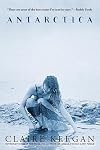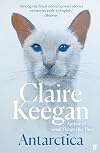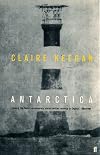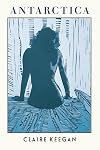
Antarctica
by Claire Keegan
There is 1 current discussion about this work.
On This Page
Description
The compassionate, witty, and unsettling short stories collected here announced Claire Keegan as one of Ireland's most exciting and versatile new talents and earned comparison to the works of Joyce Carol Oates, Alison Lurie, Raymond Carver, and others. From the titular story about a married woman who takes a trip to the city with a single purpose in mind - to sleep with another man - Antarctica draws listeners into a world of obsession, betrayal, and fragile relationships. In "Love in the show more Tall Grass," Cordelia wakes on the last day of the twentieth century and sets off along the coast road to keep a date, with her lover, that has been nine years in the waiting. In "Passport Soup," Frank Corso mourns the curious disappearance of his nine-year-old daughter and tries desperately to reach out to his shattered wife who has gone mad with grief. Throughout the collection, Keegan's characters inhabit a world where dreams, memory, and chance can have crippling consequences for those involved. A Los Angeles Times Best Book of 2001, and recipient of the prestigious Rooney Prize for Irish Literature, the William Trevor Prize, Antarctica is a rare and arresting debut. show lessTags
Recommendations
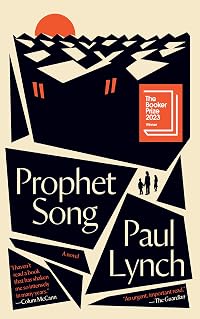
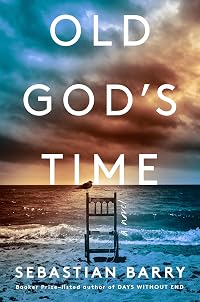

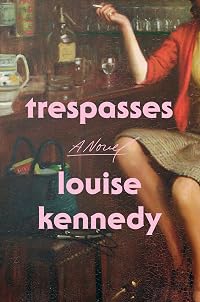
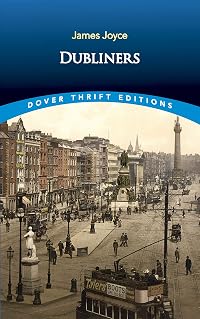
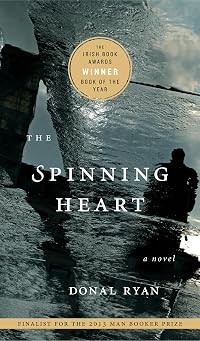
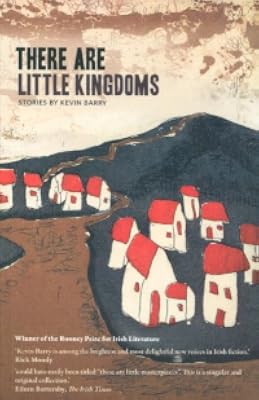
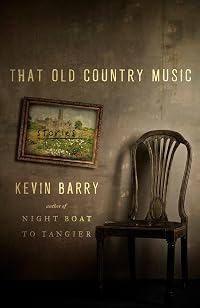
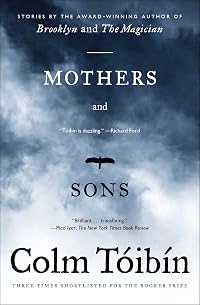
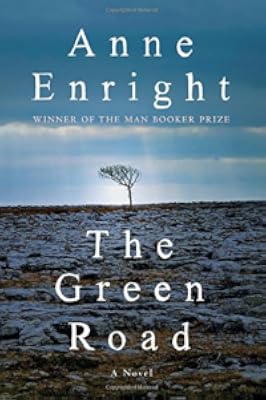
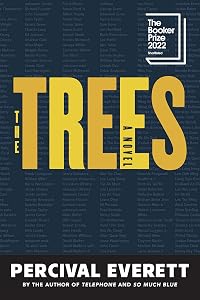
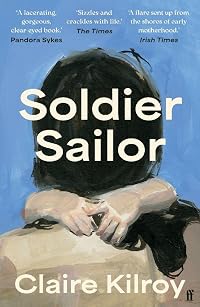

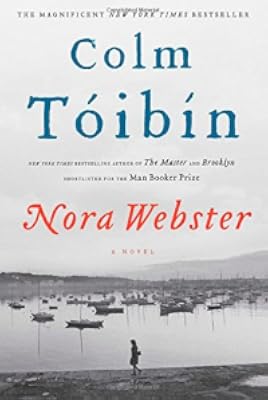
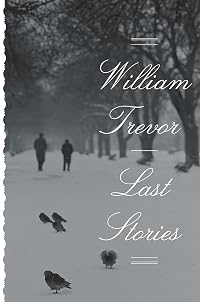
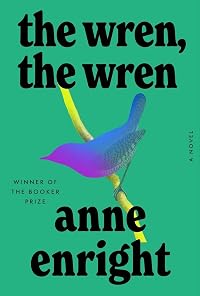
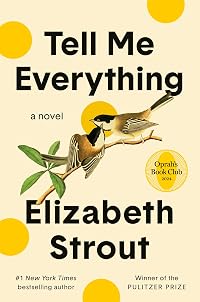



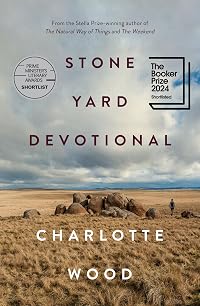
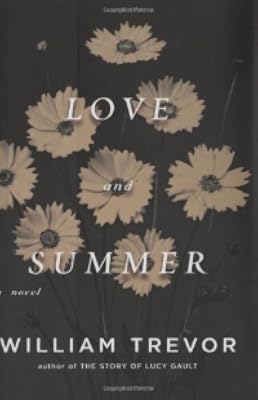
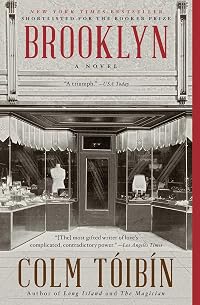
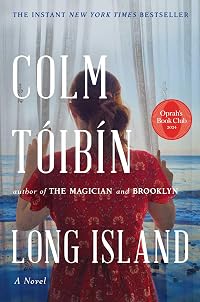
Member Recommendations
Member Reviews
I have previously read Small Things like these and Foster, both of which were in my best books of the year. This is an earlier work and I think it shows a writer exploring her range rather than one who has found her forte.
In any collection there are some stories that will be better than others, and so it is here.
There is more action in some of these than in her longer format work, in some of them the presentation of not a lot happening beautifully well described is there, though and these were the ones I found the most arresting. Some of them tetter on melodramatic, and it doesn't work as well. Having said that, as a collection, there is a lot to enchant.
In any collection there are some stories that will be better than others, and so it is here.
There is more action in some of these than in her longer format work, in some of them the presentation of not a lot happening beautifully well described is there, though and these were the ones I found the most arresting. Some of them tetter on melodramatic, and it doesn't work as well. Having said that, as a collection, there is a lot to enchant.
Keegan excels at distilling deeply suppressed emotions, seasoned with subtle foreshadowing, in just a few pages. Even when the reader spots casual mention of something that may become significant, it’s not clear why, so the end can still surprise. In several cases, I immediately reread a story to follow the clues and marvel at Keegan’s skill.
Image: Distillation - though these stories are art, not science (Source)
Many of the characters are nameless and the stories often focus on an adolescent girl. All seem to be set in the last 40 years, and although many are in Ireland, others are in the USA and England. None are happy stories (all the relationships and families are damaged or dysfunctional), but sometimes karma is sweet show more release.
I’ve loved Keegan’s novellas; these short stories are at least as good. To call them bittersweet is to undersell them. They were published in 1999.
Stories - no spoilers
1. Antarctica, 5*
“Every time the happily married woman went away she wondered how it would feel to sleep with another man.”
An enticing start to a chilling, but non-judgemental, morality tale.
“She thought him the least threatening man she'd ever known.”
The story might be triggering for some, but there are signs enough, should you want to stop reading, even before the meteorological omen:
“Light drained out of that day. Dusk stoked the sky, bribing daylight into darkness.”
2. Love in the Tall Grass, 4*
“A late September dusk of fallen fruit.”
A delicate dance between a tragic backstory and foreboding of imminent disappointment, leaden with gossip and guilt.
“They gave each other things. That was their first mistake.”
Later:
“Time altered, took on unfathomable dimensions.”
After which, the remainder of the story switches to the present tense.
3. Where the Water’s Deepest, 4*
All the characters are defined by role, rather than name. The au pair is plagued by dreams of letting the boy in her charge fall.
“She remembered reading somewhere that a fear of heights masks an attraction to falling.”
It made me ponder the different ways people love and care for children, whether biological parents, adoptive parents, or paid carers. For some, the risk is loving too much; for others, the danger is not loving enough.
Image: Adult on cliff, seeing person falling (Source)
4. The Ginger Rogers Sermon, 3*
“Now that I am thirteen, I’m sectioned off from men.”
The narrator is the much younger sister (“The Shakings of the [scrotal] Bag”) of two brothers, in a dance-mad family, struggling to get by in rural Ireland. The quotidian sights, sounds, smells, secrets, and tensions are vividly drawn.
“That’s the way it is in our house, everybody knowing things but pretending they don’t.”
5. Storms, 4*
“My mother dreamt things before they happened.”
That could be fun. Watching the stars, barefoot, by moonlight:
“Her… mad words not senseless at all, but sensing what we could not.”
But of course, it isn’t. Dark (not supernatural) things happen. Towards the denouement, the story switches from past to present tense.
6. The Singing Cashier, 2*
Youngish sisters share a house and don’t know their neighbours. It’s some time “after Dad”, and the elder one thinks the younger is unaware of her entanglement with the lecherous postman:
“The voice is treacle-sweet, reaching down the hall as if to grope us.”
It might have been 3*, but the sudden link to a real-life case killed it for me.
Image: Eyes looking through a letterbox (Source)
7. Burns, 5*
The unease and foreshadowing are less subtle in this, but just as powerful. A man, his three young children, and new wife are confronting their past, on a trial basis, in an isolated and dilapidated house.
“It is dark and starry and there are snakes in the country.”
It tenderly explores abuse, trauma, and, most importantly, healing. (Some unpleasant bugs, though!)
8. Quare Name for a Boy, 4*
This is addressed to “you… a Christmas fling”, so one aspect is predictable, but the actual story is less so. It’s tender, mildly amusing, slightly strange, but very believable.
9. Ride if You Dare, 4*
A blind date between a middle-aged man and woman, who may or may not be single.
“They skirt the conversation around their home lives.”
A white-knuckle fairground ride is an unoriginal metaphor, but the suppressed anxiety, embarrassment, and thrill are carefully drawn.
10. Men and Women, 3*
“I am the girl of a thousand uses… My brother is going to be somebody.”
Another impoverished and somewhat dysfunctional Irish farming family, with semi-secrets they won’t discuss. The weak point was the girl’s implausible naivety: she seemed to be approaching her teens, and I get that she saw things between adults she didn’t understand, but I struggle to believe that she still believed in Santa.
11. Sisters, 5*
“On Sunday morning, Louisa balances their father’s old shaving mirror on the crucifix in Betty’s window and plucks her eyebrows into perfect semi-circles. Betty milks the cow and digs potatoes and gets ready for mass.”
Difference, duty, entitlement, inheritance, and revenge. The broad arc is predictable, but the telling is brilliantly waspish. Louisa married, had a son and daughter, and lives a lavish life in England. Betty stayed home in Ireland to run the small farm and care for her ungrateful father, until his recent death. Betty goes to great effort, and expense she can ill afford, preparing for the annual visit of Louisa’s family. Three of them come, plus dog, and they’re insufferable, rude, demanding, messy, and greedy, resurrecting memories that salt old wounds.
In their teens, Louisa said:
“Try not to smile. You look terrible when you smile.”
And for years, Betty tried not to smile. Now, Betty observes:
“Louisa’s prominent white teeth are too plentiful for her smile.”
Revenge is sweet - and justified - and it’s not about knocking out teeth.
12. A Scent of Winter, 3*
Hanson takes his two kids and their nanny to visit his friend, “a stocky, indecent-looking man” called Greer, who lives in a house painted “the colour of raw liver”. The men go fishing and the nanny gets bored. It gradually emerges that a terrible thing happened a few days ago and the consequences of Greer’s hasty actions are problematic. There’s an interesting issue at the heart of this, but I didn’t find it very believable, and I didn’t feel immersed in the setting.
13. You Can’t Be Too Careful, 5*
This starts with explicit foreboding:
“If only I’d known, I would have…”
It’s peppered with clues, followed with asides like:
“I didn’t think nothing of it.”
It’s fun to be smarter than the narrator, but is it made up, or a set-up? Either way, I was left wondering what I would do if I were either of the protagonists.
14. The Burning Palms, 3*
Grandmother’s house has no electricity or plumbing:
“Her kitchen smells of burnt lard, coal smoke, lamp oil.”
The story concerns a tragedy and how and why it happened. It’s cleverly told, and I reread it immediately to join the dots more clearly.
15. Passport Soup, 4*
A girl is missing; has been for a while. Her parents cope (I use the word loosely) in different, distant ways.
“He has become the invisible husband.”
When the wife finally, wordlessly, interacts with her husband, it’s devastating: cathartic for her and cruel to him.
“But Frank Corso feels better. It is a start. It is better than nothing.”
What would you settle for?
Image: Missing child on a milk carton (Source)
Other quotes
• “When he lathered a flannel, she got up. Water fell off her shoulder and trickled down her legs. He began at her feet and worked upwards, washing her in strong, slow circles. She… raised her feet and arms and turned like a child to him. He… rinsed her off, wrapped her in a towel.”
• “This water is colder than a broken dream.”
• “Hunchbacked clouds slide across the headland… grey-dull clusters gathering momentum out along the cliffs while behind them night discharges darkness.”
• “Stars fall and jingle round their feet like coins.”
• “The strange applause of the wind blowing through the trees.”
• “Tall pines are grooming the wind.”
• “Inheritance is not renewal. More than anything, it keeps everything the same.”
• “He read in the withering light until the print grew indistinct and he had to hold the pages towards the window to see the words.”
More Keegan
See my reviews of these novellas, all 4*:
• Foster pub 2010, HERE.
• Small Things Like These pub 2021, HERE.
• So Late in the Day pub 2022, HERE. show less
Image: Distillation - though these stories are art, not science (Source)
Many of the characters are nameless and the stories often focus on an adolescent girl. All seem to be set in the last 40 years, and although many are in Ireland, others are in the USA and England. None are happy stories (all the relationships and families are damaged or dysfunctional), but sometimes karma is sweet show more release.
I’ve loved Keegan’s novellas; these short stories are at least as good. To call them bittersweet is to undersell them. They were published in 1999.
Stories - no spoilers
1. Antarctica, 5*
“Every time the happily married woman went away she wondered how it would feel to sleep with another man.”
An enticing start to a chilling, but non-judgemental, morality tale.
“She thought him the least threatening man she'd ever known.”
The story might be triggering for some, but there are signs enough, should you want to stop reading, even before the meteorological omen:
“Light drained out of that day. Dusk stoked the sky, bribing daylight into darkness.”
2. Love in the Tall Grass, 4*
“A late September dusk of fallen fruit.”
A delicate dance between a tragic backstory and foreboding of imminent disappointment, leaden with gossip and guilt.
“They gave each other things. That was their first mistake.”
Later:
“Time altered, took on unfathomable dimensions.”
After which, the remainder of the story switches to the present tense.
3. Where the Water’s Deepest, 4*
All the characters are defined by role, rather than name. The au pair is plagued by dreams of letting the boy in her charge fall.
“She remembered reading somewhere that a fear of heights masks an attraction to falling.”
It made me ponder the different ways people love and care for children, whether biological parents, adoptive parents, or paid carers. For some, the risk is loving too much; for others, the danger is not loving enough.
Image: Adult on cliff, seeing person falling (Source)
4. The Ginger Rogers Sermon, 3*
“Now that I am thirteen, I’m sectioned off from men.”
The narrator is the much younger sister (“The Shakings of the [scrotal] Bag”) of two brothers, in a dance-mad family, struggling to get by in rural Ireland. The quotidian sights, sounds, smells, secrets, and tensions are vividly drawn.
“That’s the way it is in our house, everybody knowing things but pretending they don’t.”
5. Storms, 4*
“My mother dreamt things before they happened.”
That could be fun. Watching the stars, barefoot, by moonlight:
“Her… mad words not senseless at all, but sensing what we could not.”
But of course, it isn’t. Dark (not supernatural) things happen. Towards the denouement, the story switches from past to present tense.
6. The Singing Cashier, 2*
Youngish sisters share a house and don’t know their neighbours. It’s some time “after Dad”, and the elder one thinks the younger is unaware of her entanglement with the lecherous postman:
“The voice is treacle-sweet, reaching down the hall as if to grope us.”
It might have been 3*, but the sudden link to a real-life case killed it for me.
Image: Eyes looking through a letterbox (Source)
7. Burns, 5*
The unease and foreshadowing are less subtle in this, but just as powerful. A man, his three young children, and new wife are confronting their past, on a trial basis, in an isolated and dilapidated house.
“It is dark and starry and there are snakes in the country.”
It tenderly explores abuse, trauma, and, most importantly, healing. (Some unpleasant bugs, though!)
8. Quare Name for a Boy, 4*
This is addressed to “you… a Christmas fling”, so one aspect is predictable, but the actual story is less so. It’s tender, mildly amusing, slightly strange, but very believable.
9. Ride if You Dare, 4*
A blind date between a middle-aged man and woman, who may or may not be single.
“They skirt the conversation around their home lives.”
A white-knuckle fairground ride is an unoriginal metaphor, but the suppressed anxiety, embarrassment, and thrill are carefully drawn.
10. Men and Women, 3*
“I am the girl of a thousand uses… My brother is going to be somebody.”
Another impoverished and somewhat dysfunctional Irish farming family, with semi-secrets they won’t discuss. The weak point was the girl’s implausible naivety: she seemed to be approaching her teens, and I get that she saw things between adults she didn’t understand, but I struggle to believe that she still believed in Santa.
11. Sisters, 5*
“On Sunday morning, Louisa balances their father’s old shaving mirror on the crucifix in Betty’s window and plucks her eyebrows into perfect semi-circles. Betty milks the cow and digs potatoes and gets ready for mass.”
Difference, duty, entitlement, inheritance, and revenge. The broad arc is predictable, but the telling is brilliantly waspish. Louisa married, had a son and daughter, and lives a lavish life in England. Betty stayed home in Ireland to run the small farm and care for her ungrateful father, until his recent death. Betty goes to great effort, and expense she can ill afford, preparing for the annual visit of Louisa’s family. Three of them come, plus dog, and they’re insufferable, rude, demanding, messy, and greedy, resurrecting memories that salt old wounds.
In their teens, Louisa said:
“Try not to smile. You look terrible when you smile.”
And for years, Betty tried not to smile. Now, Betty observes:
“Louisa’s prominent white teeth are too plentiful for her smile.”
Revenge is sweet - and justified - and it’s not about knocking out teeth.
12. A Scent of Winter, 3*
Hanson takes his two kids and their nanny to visit his friend, “a stocky, indecent-looking man” called Greer, who lives in a house painted “the colour of raw liver”. The men go fishing and the nanny gets bored. It gradually emerges that a terrible thing happened a few days ago and the consequences of Greer’s hasty actions are problematic. There’s an interesting issue at the heart of this, but I didn’t find it very believable, and I didn’t feel immersed in the setting.
13. You Can’t Be Too Careful, 5*
This starts with explicit foreboding:
“If only I’d known, I would have…”
It’s peppered with clues, followed with asides like:
“I didn’t think nothing of it.”
It’s fun to be smarter than the narrator, but is it made up, or a set-up? Either way, I was left wondering what I would do if I were either of the protagonists.
14. The Burning Palms, 3*
Grandmother’s house has no electricity or plumbing:
“Her kitchen smells of burnt lard, coal smoke, lamp oil.”
The story concerns a tragedy and how and why it happened. It’s cleverly told, and I reread it immediately to join the dots more clearly.
15. Passport Soup, 4*
A girl is missing; has been for a while. Her parents cope (I use the word loosely) in different, distant ways.
“He has become the invisible husband.”
When the wife finally, wordlessly, interacts with her husband, it’s devastating: cathartic for her and cruel to him.
“But Frank Corso feels better. It is a start. It is better than nothing.”
What would you settle for?
Image: Missing child on a milk carton (Source)
Other quotes
• “When he lathered a flannel, she got up. Water fell off her shoulder and trickled down her legs. He began at her feet and worked upwards, washing her in strong, slow circles. She… raised her feet and arms and turned like a child to him. He… rinsed her off, wrapped her in a towel.”
• “This water is colder than a broken dream.”
• “Hunchbacked clouds slide across the headland… grey-dull clusters gathering momentum out along the cliffs while behind them night discharges darkness.”
• “Stars fall and jingle round their feet like coins.”
• “The strange applause of the wind blowing through the trees.”
• “Tall pines are grooming the wind.”
• “Inheritance is not renewal. More than anything, it keeps everything the same.”
• “He read in the withering light until the print grew indistinct and he had to hold the pages towards the window to see the words.”
More Keegan
See my reviews of these novellas, all 4*:
• Foster pub 2010, HERE.
• Small Things Like These pub 2021, HERE.
• So Late in the Day pub 2022, HERE. show less
This writer is brilliant and the stories are surprising, unsettling, and for the most part dark. Women figure prominently in this collection, but with no heavy-handed feminist motifs that I could discern. Also, if you like neat, tidy, and generally upbeat endings you won't find them here! In fact, you won't find upbeat here at all. And, did I say unsettling? Many of the stories filled me with dread, worrying about what might happen next. At times I felt like I was standing at the edge of a precipice when suddenly the story ended and most of my fears were assuaged, if only because whatever I dreaded had been passed over. But sometimes the dread followed through (especially in the first story). The writing is beautiful, the stories are show more original and surreally realistic.
This is the second book I've read by this author this month, I listened to audios of both and yet I also took out the ebooks and read. Although the narrators were excellent, I recommend reading over listening. Now, I will have to take a breather, but, in the future, I will definitely be looking for anything and everything published by this author.
P.S. I see now that I neglected to mention that this book is currently available in both ebook and audio on HOOPLA, if your library subscription includes. Also, two other books but not Foster...Foster is hard to find but is enjoying a new publication by Grove Press and can be found on NetGalley. show less
This is the second book I've read by this author this month, I listened to audios of both and yet I also took out the ebooks and read. Although the narrators were excellent, I recommend reading over listening. Now, I will have to take a breather, but, in the future, I will definitely be looking for anything and everything published by this author.
P.S. I see now that I neglected to mention that this book is currently available in both ebook and audio on HOOPLA, if your library subscription includes. Also, two other books but not Foster...Foster is hard to find but is enjoying a new publication by Grove Press and can be found on NetGalley. show less
Oh.
Claire Keegan took my heart, broke it into small pieces, put them back together and put the heart back in. The cracks are still visible.
There are many short stories in this collection and they are all excellent. Let me choose those that I liked most, those that hurt me most.
Antarctica – a married woman wants to find out what it’s like a sleep with another man. This is probably one of the scariest stories I’ve ever read. It’s a slap in the face.
The Ginger Rogers Sermon – this one moves perfectly into darkness, a doomed dance.
Burns – a broken family is trying to heal. Trying...
Sisters – a married sister comes to visit the “spinster” one. Let’s twist this knife.
Burning Palms – a boy and his grandmother are show more wallpapering a room. Let me take a deep breath.
Passport Soup – this is a house speciality. A family is falling apart.
”The children keep swinging, back and forth, colliding with the darkness.” show less
Claire Keegan took my heart, broke it into small pieces, put them back together and put the heart back in. The cracks are still visible.
There are many short stories in this collection and they are all excellent. Let me choose those that I liked most, those that hurt me most.
Antarctica – a married woman wants to find out what it’s like a sleep with another man. This is probably one of the scariest stories I’ve ever read. It’s a slap in the face.
The Ginger Rogers Sermon – this one moves perfectly into darkness, a doomed dance.
Burns – a broken family is trying to heal. Trying...
Sisters – a married sister comes to visit the “spinster” one. Let’s twist this knife.
Burning Palms – a boy and his grandmother are show more wallpapering a room. Let me take a deep breath.
Passport Soup – this is a house speciality. A family is falling apart.
”The children keep swinging, back and forth, colliding with the darkness.” show less
You have to face the worst possible scenario, then you’ll be able for anything.
You’ll come across this line in the fifth story in this collection and think, ah, is that what we’re doing then. Or so I did. The first third or so of the collection is a sketchbook of scenarios featuring women and girls trying to find escape from unhappy, oppressive family life and in the course of such seeming to jump from the frying pan into the fire. A married woman sleeps with a stranger and ends up handcuffed to his bed, gagged, a prisoner. A woman falls in love with a married man who spurns her and spends a decade doing a Miss Havisham. A young teenage girl seduces her family’s farmhand and he goes and hangs himself from the guilt, her show more discovering his soiled dead body.
For a while the main message I was getting was one of conservative sexual ethics, one that warns of terrible consequences resulting from women straying outside the bounds of the straight and narrow, however justified she may feel in doing so. The collection opening title story especially gets this reading off and going. But then it seems to have rather been the imagining of the aforementioned worst possible scenarios at the start, something like “The Road” for female struggle against the patriarchy, and we then get an adolescent girl who declares, “It’s turning out that I’m taking no nonsense from anybody”, and she ends the story fine! Ah, what a relief.
Indeed the next number of stories that follow generally feature women exercising agency, grabbing for independence, and making out okay. The middle stories “Quare Name For A Boy” and “Ride If You Dare” stand out in this regard. In the former a woman becomes pregnant from a short fling and after telling the man, realizes:
Thinking of the women she’s known and their relationships with men, she knows she will not continue that pattern. “That part of my people ends with me,” she thinks. And she’s fine!
“Ride If You Dare” is the first of a few stories in the collection’s back half that are set in the American South, Louisiana and Mississippi, and Keegan does a fine job with that idiom, as odd as it is to find stories that almost sound like Flannery O’Connor in the middle of all the Irish ones. The profit of Keegan’s years studying at Loyola University in New Orleans. Provides an interesting varied note, for sure.
The collection ends with a psychologically brutal story of a couple after their young daughter goes missing, which is one of the finest stories in the collection but will surely make any parent of children squirm in painful empathy.
Keegan’s writing throughout is powerful and direct. Highly recommended. show less
You’ll come across this line in the fifth story in this collection and think, ah, is that what we’re doing then. Or so I did. The first third or so of the collection is a sketchbook of scenarios featuring women and girls trying to find escape from unhappy, oppressive family life and in the course of such seeming to jump from the frying pan into the fire. A married woman sleeps with a stranger and ends up handcuffed to his bed, gagged, a prisoner. A woman falls in love with a married man who spurns her and spends a decade doing a Miss Havisham. A young teenage girl seduces her family’s farmhand and he goes and hangs himself from the guilt, her show more discovering his soiled dead body.
For a while the main message I was getting was one of conservative sexual ethics, one that warns of terrible consequences resulting from women straying outside the bounds of the straight and narrow, however justified she may feel in doing so. The collection opening title story especially gets this reading off and going. But then it seems to have rather been the imagining of the aforementioned worst possible scenarios at the start, something like “The Road” for female struggle against the patriarchy, and we then get an adolescent girl who declares, “It’s turning out that I’m taking no nonsense from anybody”, and she ends the story fine! Ah, what a relief.
Indeed the next number of stories that follow generally feature women exercising agency, grabbing for independence, and making out okay. The middle stories “Quare Name For A Boy” and “Ride If You Dare” stand out in this regard. In the former a woman becomes pregnant from a short fling and after telling the man, realizes:
Suddenly I don’t want you, won’t keep you away from the boys and your smoky snooker nights. I’ll drink this parting glass, but at the end of the night I’ll shake your hand. I’ll be damned if I’ll snare you like a fox, live with you that way, look into your eyes some night years from now and discover a man whose worst regret is six furtive nights spent in his mother’s bed with a woman from a Christmas do. Suddenly I wonder why I came.
Thinking of the women she’s known and their relationships with men, she knows she will not continue that pattern. “That part of my people ends with me,” she thinks. And she’s fine!
“Ride If You Dare” is the first of a few stories in the collection’s back half that are set in the American South, Louisiana and Mississippi, and Keegan does a fine job with that idiom, as odd as it is to find stories that almost sound like Flannery O’Connor in the middle of all the Irish ones. The profit of Keegan’s years studying at Loyola University in New Orleans. Provides an interesting varied note, for sure.
The collection ends with a psychologically brutal story of a couple after their young daughter goes missing, which is one of the finest stories in the collection but will surely make any parent of children squirm in painful empathy.
Keegan’s writing throughout is powerful and direct. Highly recommended. show less
Claire Keegan’s stories have an emotional depth that often creeps up on you. And then hits you in the head with a hammer. Sometimes softly, sometimes not.
In the title story a married woman determined to have a one-nighter discovers there’s some loss of control involved. The daughter of a bully watches her mother attempt to regain some of the control she relinquished to him. Another daughter sees her mother go mad and tries to prepare herself for the same fate. A woman loses a lover, a boy loses a mother, a husband literally loses a child.
The settings alternate between rural Ireland and the southern U.S. - which aren’t that dissimilar. None of these stories are lightweight. They distill the lives of their characters into tightly show more wound moments that contain the essence of their being. show less
In the title story a married woman determined to have a one-nighter discovers there’s some loss of control involved. The daughter of a bully watches her mother attempt to regain some of the control she relinquished to him. Another daughter sees her mother go mad and tries to prepare herself for the same fate. A woman loses a lover, a boy loses a mother, a husband literally loses a child.
The settings alternate between rural Ireland and the southern U.S. - which aren’t that dissimilar. None of these stories are lightweight. They distill the lives of their characters into tightly show more wound moments that contain the essence of their being. show less
I've read four of Keegan's collections and this is the most varied, with some stories set in the US. I prefer the Irish ones, with new words to learn and blundering men to resent. My favorite here is "Quare Name for a Boy". This one will be discussed at my upcoming book club meeting. I'm eagerly awaiting explanations of exactly what makes her stories so intensely good. I think it is partially her ability to state exactly what Irish men are feeling, which is mostly bald-faced hatred of women and of their own need for women's labor and fertility.
Members
- Recently Added By
Lists

Books Read in 2024
4,623 works; 126 members

Books We Discovered On LibraryThing
530 works; 130 members

Books Read in 2026
1,938 works; 66 members

The LonesomeReader Book Club
36 works; 1 member
Talk Discussions
Current Discussions
26Shorts2026: ShortsRead --- Anisha's 2026 log in 26 Short Stories for 2026 (June 17)
Author Information

17+ Works 9,049 Members
Claire Keegan comes from County Wicklow. She has won several awards for her work including the William Trevor Prize, the Martin Healy Prize, the Francis MacManus Award, the Tom Gallon Award, the Kilkenny Prize, the Olive Cook Award, the Hugh Leonard Bursary, the Macaulay Fellowship, and the Rooney Prize for Irish Literature. She was also a Wingate show more scholar. Her debut, Antarctica, was a Los Angeles Times Book of the Year. She lives in rural Ireland show less
Awards and Honors
Awards
Notable Lists
RUSA CODES Listen List (Listen-Alike – Listen-Alike to “The Angel of Rome: And Other Stories" – 2023)
Common Knowledge
- Canonical title
- Antarctica
- Original title
- Antarctica
Classifications
Statistics
- Members
- 640
- Popularity
- 45,361
- Reviews
- 22
- Rating
- (3.89)
- Languages
- English, French, Spanish
- Media
- Paper, Audiobook, Ebook
- ISBNs
- 17
- ASINs
- 6