On This Page
Description
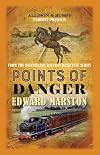
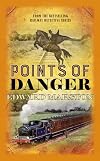
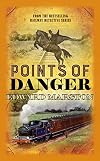
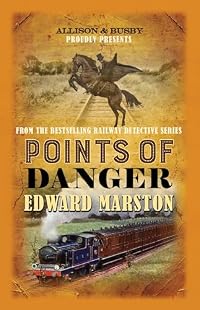
1861, East Anglia. Alone in a first-class carriage, the Swarbricks are robbed at gunpoint, but when the universally-admired Swarbrick fights back, the train robber takes more than money and jewellery, killing the man working to unify East Anglia's tangle of railway networks. Inspector Colbeck is brought in from London, as the only detective in Britain with enough expertise for the job. But as Swarbrick's glowing reputation begins to crumble, the line of investigation isn't clear: Is this the show more act of a bungling burglar, a business rival, a disgruntled son, or a jealous lover? Whoever it is, they are determined to involve Colbeck in their fight. Is the Railway Detective following the right track or will he need to switch points to bring the murderer to justice? show lessTags
Recommendations














Member Reviews
One of those books where I could excuse the weak points if the finale impressed. And it... was pretty poor. Very very rushed and the explanation of the crime felt unearned from an emotional, logical and in story detective work standpoint.
The book has 2 subplots running in parallel to the main one and having pretty much no connection - as well as solving the murder, there's the detective's superintendent dealing with what seems to be PTSD and the detective's artist wife getting a commission for a painting. Both kind of fluff out - the latter at least gets a conclusion although it includes a strange sequel hook but the former mostly consists of everyone being worried about him spacing out a lot and it seems the author otherwise doesn't show more really know how to handle it -it ends with him returning to one of the sites where he got kidnapped and almost murdered and then just... being ok? what? and that's the end of the plot? because that helped him come to terms with it? after him basically not opening up before? i don't know . The ending of the art plot is also kind of hilariously weird - so someone wants to commission her and there's some investigation because people feel suspicious for some reason well the ending is he only supports women artists? and a bunch of them live in a house he owns or something? and it's implied he treats them like a... harem??? or something??? it's not actually clear at all what's going on
The writing is... competent. A lot of the characters are pretty empty - having 1 or 2 obvious traits at best - which is frustrating especially when the *main character* is maybe the worst at this! We obviously spend the most time with him yet we never really get a hint of any emotion, any particular desires. He never shows any sign of being the exceptional detective people say he is either. He's just... totally empty. At least we know his sidekick loves beer, if nothing else. The other character who feels pretty empty is the murder victim. Sure, we get some descriptions about how great and powerful he was and yet... it really doesn't add up to much. Especially whenthe ending appears to entirely contradict the imperious nature that's the only real personality trait he's given . The bland characters really shows up in the dialogue too - I can't say it's *wooden* but there's never any sparkle and only rarely does it really convey emotion above retelling of facts. There's also the occasional tendency to just sprinkle in weird "facts I learned about Norwich and railways from wikipedia" that don't really fit. There's a genuinely laughable part where the detective's father-in-law's main trait is that the only railway he likes is the LNWR and so he gets really mad at the idea of his daughter painting a GWR locomotive for some reason and this fuels a significant amount of sideplot drama! It's just not how any human acts.
The main plot suffers badly from having minimal clues happening for most of the book. You could *guess* at the ending, but there's not really much that hints at it. A lot of it feels padded then you're 20 pages from the end and it suddenly kicks into extremely rushed mode without any time to justify what's happening and without wrapping up the other character plots that it had spent a lot of time on. There's a lot to say about this that I can't do without spoilers so obviously this will spoil the end completely
There's 2 people who are actually identified as suspects who we spend a lot of time with, the victim's son and another rich railway involved man. The son is given the priority - he's weirdly cold, clearly concerned most of all with instantly taking over from his dad as MP. The other guy also wants to be MP and a big part of the plot is their drama with each wanting to be nominated by the Tories to become MP. And then at the end it turns out neither of them were involved, we don't get an explanation for any of the son's callous behaviour even though it turns out he was right about the stepmum, and we don't get any kind of conclusion on the MP affair. It feels cheap. It turns out basically all the story we've had in the main plot has been a red herring. It's not even ever shown if either of them had any motive but the plot keeps following them.
It was actually the victim's wife who did it with her "brother" who was actually her lover - he'd hired a murderer from their home island of Jersey who did it and someone paid off the railway policeman to change the points. I can't say there's a single thing in the book which points to this before you find it out. There appears to be very minimal evidence for it even at the end of the book! Before the mad dash of the last 20-30 pages the only thing that could even be said to suggest it is that apparently the victim had been seen sleeping with a sex worker. How does that suggest it? Well apparently the wife was manipulating him by... not having sex with him. And she made him change the will to favour her by saying she'd then have sex with him??? If I understood that part right? So obviously he'd sleep around. Despite the only thing we know about the victim being his imperious attitude and general strength and with-it-ness, he was apparently conned into marrying her when she'd planned all along to eventually kill him and go off with her lover. The thing is, we spend lots of time with her during the book but it's mostly about how hard things are for her and how great her husband was. There's nothing hinting at it or that makes the about face feel earned. It's true she makes an obvious suspect as inheritance is a common motive but that just makes it more frustrating that the reveal at the end isn't earned by investigation - the whole plot is misdirection and red herrings. Early on you're given an explicit scene of the railway policeman involved being dodgy - he claims he was distracted by someone firing a stone from a catapult at his head. He even shows the stone! Except there's no blood on it and he wasn't hurt. This obvious clue, that the detectives explicitly notice, is then ignored.
There's some stuff about the murder that doesn't make much sense, too. How did the two communicate? How did the railway policeman get in on the plan when the man murderer appears to have been in Jersey the whole time? What was going on with the house in Jersey - how did he get the money to rent it, how did he keep it in use as his address? And what's with the bizarre Count Olafian claim that he convinced the victim he owned the house and had a big family there by - I am not making this up - HAVING HIS THEATRE TROUPE PRETEND TO BE HIS FAMILY!! And how on earth did nobody catch on!! The evidence the detective has gathered feels fragile and even with the ending stuff there's no sign at all of how he worked *everything* he says out.
There's also the red herring of a different dodgy railway policeman working with other people to try and solve the murder to get reward money. He has no motive at all but we're treated to many scenes of him acting very suspicious. And then at the end he just gets sent to jail on the basis of having an accomplice following the policemen to try and get ahead of his investigation. It's pretty poor and another pointless piece of misdirection
I kept going through the book and feeling like it was competent enough and I was curious enough to wonder how it would end but it just left a bad taste. Nothing in the book was insultingly bad or anything and it's very readable, hence the 2 stars rather than 1, there's just not much to recommend about it. Just disappointing.
PS as someone who loves trains I felt there were not enough trains in this book. Needs more trains. show less
The book has 2 subplots running in parallel to the main one and having pretty much no connection - as well as solving the murder, there's the detective's superintendent dealing with what seems to be PTSD and the detective's artist wife getting a commission for a painting. Both kind of fluff out - the latter at least gets a conclusion although it includes a strange sequel hook but the former mostly consists of everyone being worried about him spacing out a lot and it seems the author otherwise doesn't show more really know how to handle it -
The writing is... competent. A lot of the characters are pretty empty - having 1 or 2 obvious traits at best - which is frustrating especially when the *main character* is maybe the worst at this! We obviously spend the most time with him yet we never really get a hint of any emotion, any particular desires. He never shows any sign of being the exceptional detective people say he is either. He's just... totally empty. At least we know his sidekick loves beer, if nothing else. The other character who feels pretty empty is the murder victim. Sure, we get some descriptions about how great and powerful he was and yet... it really doesn't add up to much. Especially when
The main plot suffers badly from having minimal clues happening for most of the book. You could *guess* at the ending, but there's not really much that hints at it. A lot of it feels padded then you're 20 pages from the end and it suddenly kicks into extremely rushed mode without any time to justify what's happening and without wrapping up the other character plots that it had spent a lot of time on. There's a lot to say about this that I can't do without spoilers so obviously this will spoil the end completely
It was actually the victim's wife who did it with her "brother" who was actually her lover - he'd hired a murderer from their home island of Jersey who did it and someone paid off the railway policeman to change the points. I can't say there's a single thing in the book which points to this before you find it out. There appears to be very minimal evidence for it even at the end of the book! Before the mad dash of the last 20-30 pages the only thing that could even be said to suggest it is that apparently the victim had been seen sleeping with a sex worker. How does that suggest it? Well apparently the wife was manipulating him by... not having sex with him. And she made him change the will to favour her by saying she'd then have sex with him??? If I understood that part right? So obviously he'd sleep around. Despite the only thing we know about the victim being his imperious attitude and general strength and with-it-ness, he was apparently conned into marrying her when she'd planned all along to eventually kill him and go off with her lover. The thing is, we spend lots of time with her during the book but it's mostly about how hard things are for her and how great her husband was. There's nothing hinting at it or that makes the about face feel earned. It's true she makes an obvious suspect as inheritance is a common motive but that just makes it more frustrating that the reveal at the end isn't earned by investigation - the whole plot is misdirection and red herrings. Early on you're given an explicit scene of the railway policeman involved being dodgy - he claims he was distracted by someone firing a stone from a catapult at his head. He even shows the stone! Except there's no blood on it and he wasn't hurt. This obvious clue, that the detectives explicitly notice, is then ignored.
There's some stuff about the murder that doesn't make much sense, too. How did the two communicate? How did the railway policeman get in on the plan when the man murderer appears to have been in Jersey the whole time? What was going on with the house in Jersey - how did he get the money to rent it, how did he keep it in use as his address? And what's with the bizarre Count Olafian claim that he convinced the victim he owned the house and had a big family there by - I am not making this up - HAVING HIS THEATRE TROUPE PRETEND TO BE HIS FAMILY!! And how on earth did nobody catch on!! The evidence the detective has gathered feels fragile and even with the ending stuff there's no sign at all of how he worked *everything* he says out.
There's also the red herring of a different dodgy railway policeman working with other people to try and solve the murder to get reward money. He has no motive at all but we're treated to many scenes of him acting very suspicious. And then at the end he just gets sent to jail on the basis of having an accomplice following the policemen to try and get ahead of his investigation. It's pretty poor and another pointless piece of misdirection
I kept going through the book and feeling like it was competent enough and I was curious enough to wonder how it would end but it just left a bad taste. Nothing in the book was insultingly bad or anything and it's very readable, hence the 2 stars rather than 1, there's just not much to recommend about it. Just disappointing.
PS as someone who loves trains I felt there were not enough trains in this book. Needs more trains. show less
I throughly enjoy Inspector Colbeck... I'm glad that Superintendent Tallis has had his comeuppance and Sergeant Leeming is finally whining less, he was bordering on intolerable.
Superintendent Tallis has quite literally lost his mind after his kidnapping and is sent to the country to heal...
Meanwhile Colbeck & Leeming are investigating the murder of a member of Parliament who was working to unify the incompetency & unreliability of the four Railroad Companies of East Anglia.
At first the murder looks like a robbery gone bad but as the investigation continues and more clues are discovered the murder moves closer to home.
There are several promising suspects and several of them work for the East Central Railway that the victim was working show more with, including a former London policeman with a shady past.
In London, Colbeck's wife, Madeline, is approached by a brazenly forward Mr Fairbank, who offers her £200 for a painting of a Great Western Railway train. Her father, who worked for London and North Western Railway, loathing all other Railways, interferes in her business dealing... we learn through Madeline's investigations that Mr. Fairbank is a champion of women artists, but his support of them seems dodgy.
The book was interesting and the plot was well mapped out w/ many a twist.
Sergeant Leeming is becoming a better & stronger detective and his skills of reasoning are sharper than before. I still dislike Madeline's father for his closed mindedness and disrespectful interfering actions. As for Superintendent Tallis, it seems as if he may be mellowing in his dealings w/ others, so we can only hope this is actually so. show less
Superintendent Tallis has quite literally lost his mind after his kidnapping and is sent to the country to heal...
Meanwhile Colbeck & Leeming are investigating the murder of a member of Parliament who was working to unify the incompetency & unreliability of the four Railroad Companies of East Anglia.
At first the murder looks like a robbery gone bad but as the investigation continues and more clues are discovered the murder moves closer to home.
There are several promising suspects and several of them work for the East Central Railway that the victim was working show more with, including a former London policeman with a shady past.
In London, Colbeck's wife, Madeline, is approached by a brazenly forward Mr Fairbank, who offers her £200 for a painting of a Great Western Railway train. Her father, who worked for London and North Western Railway, loathing all other Railways, interferes in her business dealing... we learn through Madeline's investigations that Mr. Fairbank is a champion of women artists, but his support of them seems dodgy.
The book was interesting and the plot was well mapped out w/ many a twist.
Sergeant Leeming is becoming a better & stronger detective and his skills of reasoning are sharper than before. I still dislike Madeline's father for his closed mindedness and disrespectful interfering actions. As for Superintendent Tallis, it seems as if he may be mellowing in his dealings w/ others, so we can only hope this is actually so. show less
This is the sixteenth novel in the Railway Detective series set in the mid nineteenth century. A Norwich MP is shot at point blank range in front of his distraught wife. The MP's previously estranged son from his first marriage is determined to oust his widowed stepmother from the marital home. As usual many of the local police force resent the intrusion of our Metropolitan Police heroes onto the local scene. Colbeck and Leeming soon have cause to suspect that one or more members of the local constabulary have acted as accessories to the murder. The search for the killer takes Leeming to Yarmouth and the Channel Islands. The final solution to the murder was not one I at all expected for most of the novel until a partial clue towards the show more end. There were a couple of interesting sub-plots, particularly when Superintendent Tallis is on the brink of a nervous breakdown following his kidnapping and near murder in the previous novel and has to take a lengthy break from work, and one where Colbeck's artistic wife Madeleine receives a very generous commission for a painting which is not all it seems to be. A decent entry in the series though not one of my favourites. show less
Ratings
Members
- Recently Added By
Author Information

Series

Common Knowledge
- Canonical title
- Points of Danger
- Original title
- Points of Danger
Classifications
Statistics
- Members
- 63
- Popularity
- 490,997
- Reviews
- 3
- Rating
- (3.55)
- Languages
- English
- Media
- Paper, Audiobook, Ebook
- ISBNs
- 8
- ASINs
- 2