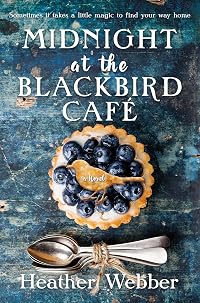
Midnight at the Blackbird Café
by Heather Webber
On This Page
Description
Heather Webber's Midnight at the Blackbird Café is a captivating blend of magical realism, heartwarming romance, and small-town Southern charm. Nestled in the mountain shadows of Alabama lies the little town of Wicklow. It is here that Anna Kate has returned to bury her beloved Granny Zee, owner of the Blackbird Café. It was supposed to be a quick trip to close the café and settle her grandmother's estate, but despite her best intentions to avoid forming ties or even getting to know her show more father's side of the family, Anna Kate finds herself inexplicably drawn to the quirky Southern town her mother ran away from so many years ago, and the mysterious blackbird pie everybody can't stop talking about. As the truth about her past slowly becomes clear, Anna Kate will need to decide if this lone blackbird will finally be able to take her broken wings and fly."-- show lessTags
Recommendations

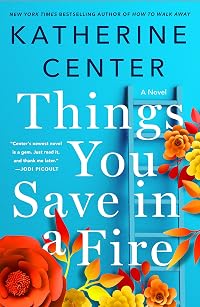
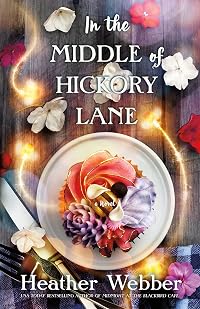
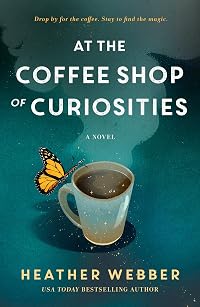
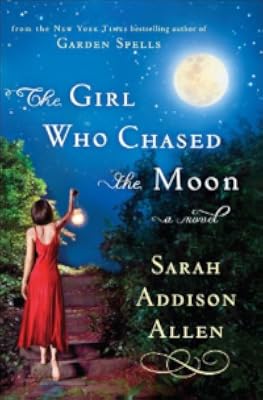
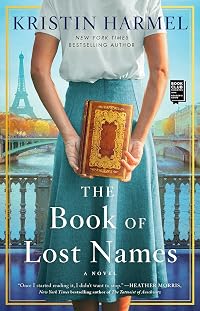
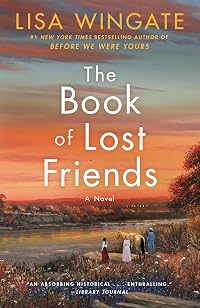
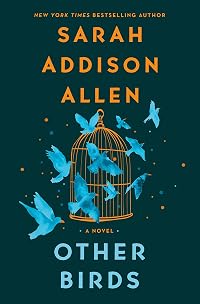
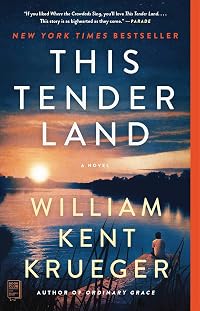

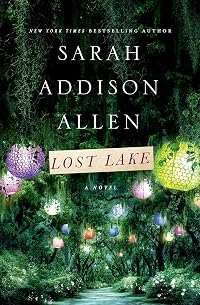
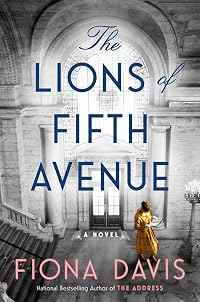
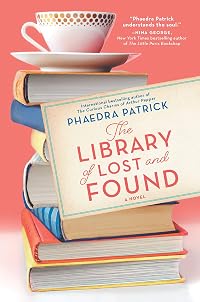
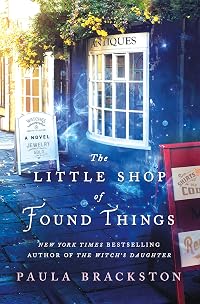
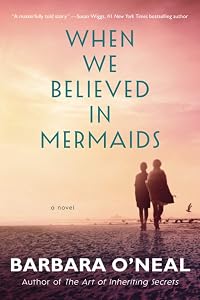
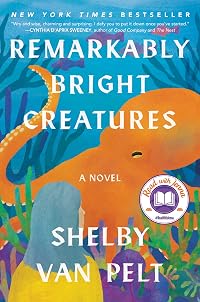
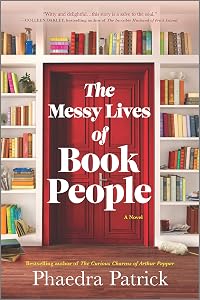
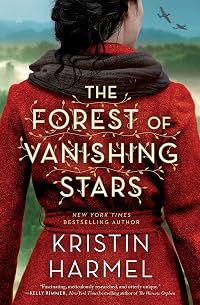

Member Recommendations
Member Reviews
Some books just make you smile when you read them. They have a charm and a heart to them that makes reading them a pleasure. Heather Webber's Midnight at the Blackbird Cafe is one of these books. It makes you feel good and feel good about others too.
Anna Kate Callow has never been to small town Wicklow, Alabama before even though her mother grew up there and her grandmother lived there Anna Kate's whole life. She's in town for her beloved Granny Zee's funeral and to close up and sell the cafe she ran. But it turns out that she can't leave town that fast and get back to her plans to attend medical school. The terms of Granny Zee's will dictate that she has to stay in Wicklow for sixty days. And so despite her late mother's warning about show more going there, that is where she'll be for the next two months, whether she really wants to or not. As Anna Kate settles into the town, she reopens the cafe, weathers the curiosity about this granddaughter who the townsfolk have never met, tries to recreate the famous magical blackbird pies her grandmother made, and gets invested in the lives of several of the people around her. She, and several of the other characters, are all a little bit damaged and looking toward their futures uncertainly in this novel of second chances and starting over.
This novel combines some of my very favorite things: small towns, cooking, complicated family relationships, learning personal history, and endearing characters. While this list might make the book sound twee, it was anything but. (And frankly, even if it had been, so what?!) Anna Kate's mother fled Wicklow pregnant and under a cloud of suspicion after the car accident that killed Anna Kate's young father. The tragedy shaped many lives and Anna Kate's appearance has stirred up never resolved feelings. While all of this swirls through the plot thread dealing with her personal life, there's a light and enchanting bit of magical realism threading through the story as well. Granny Zee's blackbird pies allow people to dream of their lost loved ones but Anna Kate doesn't know the complete recipe for them, something she wants and needs to discover for herself and for the townspeople who wrap themselves around her heart. But how much time should people spend in the past, in their memories, especially when the past can contain happiness and pain, and potentially keep someone from living in the present? Anna Kate is not the only one who needs to consider this question.
Webber has written a completely charming and whimsical novel filled with secrets and gentle magic. The characters are sympathetic and well drawn. The mystery of the strange behaviour of the blackbirds behind the cafe is lightly done through the clever use of an outside newspaper reporter's questions to townspeople. Most of the novel is told in the first person with narration switching between Anna Kate and Natalie, a young widow with a child whose connection to Anna Kate is revealed as their friendship grows. There is guilt and forgiveness, the definition of family, healing and moving forward, community and love and a little romance all packed into this lovely look at how the human heart is filled. show less
Anna Kate Callow has never been to small town Wicklow, Alabama before even though her mother grew up there and her grandmother lived there Anna Kate's whole life. She's in town for her beloved Granny Zee's funeral and to close up and sell the cafe she ran. But it turns out that she can't leave town that fast and get back to her plans to attend medical school. The terms of Granny Zee's will dictate that she has to stay in Wicklow for sixty days. And so despite her late mother's warning about show more going there, that is where she'll be for the next two months, whether she really wants to or not. As Anna Kate settles into the town, she reopens the cafe, weathers the curiosity about this granddaughter who the townsfolk have never met, tries to recreate the famous magical blackbird pies her grandmother made, and gets invested in the lives of several of the people around her. She, and several of the other characters, are all a little bit damaged and looking toward their futures uncertainly in this novel of second chances and starting over.
This novel combines some of my very favorite things: small towns, cooking, complicated family relationships, learning personal history, and endearing characters. While this list might make the book sound twee, it was anything but. (And frankly, even if it had been, so what?!) Anna Kate's mother fled Wicklow pregnant and under a cloud of suspicion after the car accident that killed Anna Kate's young father. The tragedy shaped many lives and Anna Kate's appearance has stirred up never resolved feelings. While all of this swirls through the plot thread dealing with her personal life, there's a light and enchanting bit of magical realism threading through the story as well. Granny Zee's blackbird pies allow people to dream of their lost loved ones but Anna Kate doesn't know the complete recipe for them, something she wants and needs to discover for herself and for the townspeople who wrap themselves around her heart. But how much time should people spend in the past, in their memories, especially when the past can contain happiness and pain, and potentially keep someone from living in the present? Anna Kate is not the only one who needs to consider this question.
Webber has written a completely charming and whimsical novel filled with secrets and gentle magic. The characters are sympathetic and well drawn. The mystery of the strange behaviour of the blackbirds behind the cafe is lightly done through the clever use of an outside newspaper reporter's questions to townspeople. Most of the novel is told in the first person with narration switching between Anna Kate and Natalie, a young widow with a child whose connection to Anna Kate is revealed as their friendship grows. There is guilt and forgiveness, the definition of family, healing and moving forward, community and love and a little romance all packed into this lovely look at how the human heart is filled. show less
Caution: Reading this book might cause laughter, occasional tears, and intense hunger.
I loved this book! I want to move to Wicklow, eat breakfast at the Blackbird Cafe every day, hang out with all the people, and watch the blackbirds at midnight.
This is a highly character-driven story, and oh did I love the eclectic cast inhabiting these pages. They're all unique and incredibly well developed. Even the minor characters come alive. These characters feel like they could step off the pages and join you for tea and pie.
While this story has a whimsical feel, I wouldn't call it a light read. The content has too much emotional depth and too many layers for that label. It's the kind of story that makes you think about relationships and fate and show more possibilities.
My only complaint is that the book doesn't come with pie!
*I received a review copy from the publisher, via BookishFirst.* show less
I loved this book! I want to move to Wicklow, eat breakfast at the Blackbird Cafe every day, hang out with all the people, and watch the blackbirds at midnight.
This is a highly character-driven story, and oh did I love the eclectic cast inhabiting these pages. They're all unique and incredibly well developed. Even the minor characters come alive. These characters feel like they could step off the pages and join you for tea and pie.
While this story has a whimsical feel, I wouldn't call it a light read. The content has too much emotional depth and too many layers for that label. It's the kind of story that makes you think about relationships and fate and show more possibilities.
My only complaint is that the book doesn't come with pie!
*I received a review copy from the publisher, via BookishFirst.* show less
A coworker recommended this book to me and it sounded right up my alley. It certainly was, as it is like a combination of a cozy mystery and a Hallmark Channel movie made into a book. But, it does have major flaws. Another case of good idea, poor execution.
Let's start with the good: This book was very readable, the writing was good, the town was fun and interesting, the character growth mostly felt believable and natural, and I wanted to see what happened.
That being said, however, for me there were significant gaps in the magical realism areas, which I think were hidden by those good things, and there were some things that just didn't work for me. And, sorry to say, these things can't be excused by "suspending reality" because things show more still have to make sense, not be impeded by one another, and not disprove themselves.
These are my main complaints:
* All the talk of "destiny" is very fanciful and appealing, but in the end was utter nonsense and invalidated in numerous ways. To name a few:
** It isn't "destiny" when Zee, Jena, and Bow are orchestrating and (especially in Jena and Bow's cases) manipulating everything, even with Bow going so far as to burn down part of the cafe to get Anna Kate to "realize" what she would be missing. Seriously? Their guilt over causing the accident with Anna Kate's parents which then caused all the rifts between the families basically meant they were going to do anything and everything (which very suddenly became an emergency after doing basically nothing for over 20 years, mind you) they could to get things the way they were "supposed" to have been if the accident had never happened? I think they are trying to make sure that Anna Kate makes up with the Lindens because otherwise she would leave and sell the cafe and not make pies anymore and the trees would die, yadayada, and that could be disastrous (given a whispered conversation that Anna Kate overhears, but of course is never explained), but WHY would Jena and Bow even care about that and why are they involved in the first place? They act like it's life and death, but took over 20 years to do anything about it and never explained to Anne Kate what happens if the trees die, which honestly I think is something we all would've liked to know because I am still stuck in "who even cares" mode (more on that later).
** The whole "daughters always return" destiny theory is mentioned over and over, but Eden never returned, disproving that.
** I grow weary of the plot where someone dies, leaves a stipulation in their will that the inheritor must drop everything to stay for a period of time in the house or business before they inherit, and inevitably the inheritor remains in the new situation because the inheritor seemingly knew what was "best" for them. I think this is the third book I've read recently with this in it: Matchmaking for Beginners comes to mind, and also the English Cottage Garden Mysteries series. These scenarios manipulated and engineered by well-meaning family and friends are not destiny, but are always touted as such.
* Jena and Bow are never explained!! We (the audience, not anyone in the book, IIRC) learn they are the phoebe bird and the cat, respectively, but it is never explained who/what they are, why they can shapeshift, why they were even around when they caused the car crash, why a cat and bird are mated like a couple, or what a cat and a non-blackbird have to do with anything in the story. None of this is explained. Like, at all. Honestly, I wish these two had just been left out altogether. They weren't necessary, over-complicated things, and were irritating and pushy. I didn't really like them at all near the end.
* Also not really explained was all the reporter stuff. We never got to read the article he wrote (I thought it would be included at the end as an epilogue!) or really understand what happened with all of that. Could also have been left out, IMO.
* I almost stopped reading in the first third because of the:
** Constant repetition of how much Eden hated the Lindens and how much the Lindens hated Eden. I get it. It's been established. Yeesh. This eventually got better, but it was seriously rammed down our throats for a while with no reprieve.
** Inability of Anna Kate to just get over the whole "ma'am" thing, which we had to hear about basically any time someone talks to her. Get over it. YOU ARE IN THE SOUTH THIS IS HOW PEOPLE ADDRESS YOU THERE. She finally stopped being upset over it, but it took longer than it should have.
* Anna Kate's inability to decide what to do and staunchly sticking to her ridiculous promise to her dead mother to be a doctor when it was so obvious (as we expected) that that isn't what she wanted grew tiresome. The book probably could have been 50 pages shorter if she had gotten there sooner, so it just felt like it dragged on to add length and "suspense." It kind of made me lose all respect for Anna Kate, honestly, that it took her so long to finally let all that go. ALSO, on this topic, I will say I am VERY surprised it never occurred to Anna Kate that she could have still done (and was doing) something medical-esque by simply acknowledging that she a healer who used natural ways instead of Western ways! I thought she was going to realize she could DO BOTH things by having the cafe and also selling the herbal remedies she'd been making in Marcy's shop on consignment or something. Seems like an obvious miss to me?
* I have a lot of issues with the mechanics of the whole bird/pie/tree thing. Not enough attention was paid to really explaining all of that. This has all the issues of almost every book I've read that has a curse and or a prophecy in it: the author is too close to the material (which is clear her their head) to be able to anticipate where it won't make sense to the audience (who does not have all of their information, so it is never clear in our heads). This is where my mind goes to unanswered questions:
** Vague "Celtic" roots. >.> Very similar to the "gypsy" or "fairy" magic in other books where it gives you an excuse to basically do whatever you want with the magic without having to really explain how it works, why it's there, why they have it, what the point is, etc. Similar to The Snow Witch and all the issues I had with the "magic" in that book.
** Sorry but I don't get the connection between the pies, the bird, and the trees. I get the SUPERFICIAL explanation we are given, the circular relationship of the trees providing the berries, the berries are processed and baked into pies by the guardians and the townspeople eat the pies, for whatever reason the eating of the pies causes the birds to sing their songs so the people who ate the pies then get messages from loved ones and the trees get the love they need to be healthy so they can provide the berries. But that doesn't explain WHY any of these things are connected to each other or matter to each other.
** For a long time, it wasn't clear to me whether the singing IS the messages that sort of "float" to the people who ate the pies OR if the singing is IN ADDITION TO the messages. Eventually I concluded that since the birds still appeared even when the pies were "wrong" and the people didn't get their messages those nights, it seems like the singing is for the trees and the messages are for the pie-eaters, but there were still other times when those things seemed to blend right.
**Everyone always seems to get a message from the exact person they want to hear from! How is this even possible?? Not once did someone hear from their third cousin twice removed that they had never met or something like that. You don't have to say a special chant before you eat the pie to intone the name of who you want to hear from or something like that. There is no explanation for how the dead relatives know you want to hear from them exactly, and the messages seem dependent on the person so it isn't just that any relative can deliver any message you "need" to hear.
** So there are 24 blackbirds. If this is a "centuries old" guardianship of this family, surely there have to be more than 24 women in Anna Kate's family. Is it always the same 24?Clearly not, because Zee becomes one and visits Anna Kate. Does that mean she bumped the "oldest" bird out of her place? If so, what happens to that bird, then? Or if it is always different people "in" the birds, how do they know which "people" to send? Is it a 1:1 ratio of messages, like only one message per bird? What if more than or fewer than 24 people ate pie? What if the family legacy leaves no female relative one generation, or several generations? Do the bird numbers decrease? Where do the others go who aren't part of the 24? Why is it always 24, aside from the arbitrary correlation to the nursery rhyme?
** The birds aren't BAKED into the pie!! I am not saying that's what I wanted to have happened, what I am saying is that there is really no connection to the nursery rhyme, other than the author thought "four and twenty blackbirds" sounded cool. "Four and twenty" blackbirds show up on a mulberry tree. NOT in the pie. And there is no mulberry tree in the rhyme. It's "when the pie was opened the birds begin to sing," not "randomly Anna Kate's ancestor used a mulberry syrup in a pie, had people eat it, opened a gateway for her dead ancestors, and 24 blackbirds flew out and sang to keep the tree alive and gave messages to people who missed their dead ancestors." It is so complex and weird that I don't even understand why this would have started at all, why a tree would thrive on songs, how the syrup in the pie tells the message people who to give their messages to, etc.
** Why would Zee tell Summer all the family secrets? Aren't only guardians supposed to know? That seems like a bit of a betrayal of the family code there. I get that SOMEone had to know and I get that Zee needed help with the berries, but she didn't need to make the syrup in front of Summer or show her where the syrups were hidden and aside from all of that WHY DIDN'T SHE JUST TELL ANNA KATE ALL OF THIS STUFF WHEN SHE WAS STILL ALIVE FOR CRIPE'S SAKE???
** I touched on this a little earlier, but one reason I really dislike these kind of "heritage" things is it assumes one will leave a "legacy" of children (in this case, specifically female children) behind to keep it going, no matter what. What if Anna Kate can't or doesn't have children of her own? What if she does, but they don't want to keep it up? What if the child is adopted? Who gets it if another female from that family is unwilling or can't do it, or simply doesn't exist at all? And why is it their family at all to begin with?
** All of which leads me to: who cares if the birds never come back or sing, who cares if the people don't get their messages (better that way IMO), who cares if the trees die. What is the point?? What, exactly, is the benefit of doing this crazy scheme every day forever or the consequence of not doing this crazy scheme every day forever? Zee "explains" it as: "...the bonds of love are only strengthened when someone leaves this earth, not diminished. Some have trouble understanding that, so it's the pie that determines who's in need of a messages, a reminding, if you will." That's all very "deep," but it makes absolutely no sense. There are better ways to teach people about how to cope with grief over a lost loved one than pies that allow them to live in denial. Not to mention the fact that it seems like it is always assumed that someone who eats a pie understands what it's going to do and no one warns the people who don't know, they just have a twinkle in their eye like it's such a great and fun secret, but I thought it sounded awfully violating to eat a pie and not realize what it would do—imagine how that could actually set someone who had moved on with their life BACK into turmoil! The dead relative apparently "decides" that you "need" a message, so conceivably you could eat a pie and not get a message, but what if you did get one without your "consent" of knowingly eating the pie? It can't be assumed that the dead relative is doing it for the right reasons or that it won't backfire. None of this is love or healing! I realized early on what was going on, and I was not comfortable with it. At least some characters in the book realize this, and Anna Kate eventually, but not enough for her to stop making these pies, despite, in my opinion, the questionable morality surrounding them. She doesn't seem to realize that the way she and her family help people has nothing to do with trees/pies/birds! They make herbal medicines and give good advice, which in my opinion works way better and is actually from a place of love.
It is not enough for the special pies to be made, they have to the eaten, and the only reason to eat them is the lure that you will get a message from a dead relative you are still mourning, and the only reason reason to have people eat them is to make sure the birds sing to keep the trees alive. Basically, the conclusion I came to is this: Anna Kate's family acts like their motives are altruistic ("helping other people heal"), but really it is about a parasitic relationship in which Anna Kate's family uses the townspeople's grief to keep the trees alive for no discernible reason or benefit. This is the opposite of healing, which disproves the whole premise of this book for me. I was at 3.5 stars until I had this epiphany, which has brought it down to 3 stars. I knew there was something niggling at me over why, despite liking this book, it bothered me so much. That is it. show less
Let's start with the good: This book was very readable, the writing was good, the town was fun and interesting, the character growth mostly felt believable and natural, and I wanted to see what happened.
That being said, however, for me there were significant gaps in the magical realism areas, which I think were hidden by those good things, and there were some things that just didn't work for me. And, sorry to say, these things can't be excused by "suspending reality" because things show more still have to make sense, not be impeded by one another, and not disprove themselves.
These are my main complaints:
* All the talk of "destiny" is very fanciful and appealing, but in the end was utter nonsense and invalidated in numerous ways. To name a few:
** It isn't "destiny" when Zee, Jena, and Bow are orchestrating and (especially in Jena and Bow's cases) manipulating everything, even with Bow going so far as to burn down part of the cafe to get Anna Kate to "realize" what she would be missing. Seriously? Their guilt over causing the accident with Anna Kate's parents which then caused all the rifts between the families basically meant they were going to do anything and everything (which very suddenly became an emergency after doing basically nothing for over 20 years, mind you) they could to get things the way they were "supposed" to have been if the accident had never happened? I think they are trying to make sure that Anna Kate makes up with the Lindens because otherwise she would leave and sell the cafe and not make pies anymore and the trees would die, yadayada, and that could be disastrous (given a whispered conversation that Anna Kate overhears, but of course is never explained), but WHY would Jena and Bow even care about that and why are they involved in the first place? They act like it's life and death, but took over 20 years to do anything about it and never explained to Anne Kate what happens if the trees die, which honestly I think is something we all would've liked to know because I am still stuck in "who even cares" mode (more on that later).
** The whole "daughters always return" destiny theory is mentioned over and over, but Eden never returned, disproving that.
** I grow weary of the plot where someone dies, leaves a stipulation in their will that the inheritor must drop everything to stay for a period of time in the house or business before they inherit, and inevitably the inheritor remains in the new situation because the inheritor seemingly knew what was "best" for them. I think this is the third book I've read recently with this in it: Matchmaking for Beginners comes to mind, and also the English Cottage Garden Mysteries series. These scenarios manipulated and engineered by well-meaning family and friends are not destiny, but are always touted as such.
* Jena and Bow are never explained!! We (the audience, not anyone in the book, IIRC) learn they are the phoebe bird and the cat, respectively, but it is never explained who/what they are, why they can shapeshift, why they were even around when they caused the car crash, why a cat and bird are mated like a couple, or what a cat and a non-blackbird have to do with anything in the story. None of this is explained. Like, at all. Honestly, I wish these two had just been left out altogether. They weren't necessary, over-complicated things, and were irritating and pushy. I didn't really like them at all near the end.
* Also not really explained was all the reporter stuff. We never got to read the article he wrote (I thought it would be included at the end as an epilogue!) or really understand what happened with all of that. Could also have been left out, IMO.
* I almost stopped reading in the first third because of the:
** Constant repetition of how much Eden hated the Lindens and how much the Lindens hated Eden. I get it. It's been established. Yeesh. This eventually got better, but it was seriously rammed down our throats for a while with no reprieve.
** Inability of Anna Kate to just get over the whole "ma'am" thing, which we had to hear about basically any time someone talks to her. Get over it. YOU ARE IN THE SOUTH THIS IS HOW PEOPLE ADDRESS YOU THERE. She finally stopped being upset over it, but it took longer than it should have.
* Anna Kate's inability to decide what to do and staunchly sticking to her ridiculous promise to her dead mother to be a doctor when it was so obvious (as we expected) that that isn't what she wanted grew tiresome. The book probably could have been 50 pages shorter if she had gotten there sooner, so it just felt like it dragged on to add length and "suspense." It kind of made me lose all respect for Anna Kate, honestly, that it took her so long to finally let all that go. ALSO, on this topic, I will say I am VERY surprised it never occurred to Anna Kate that she could have still done (and was doing) something medical-esque by simply acknowledging that she a healer who used natural ways instead of Western ways! I thought she was going to realize she could DO BOTH things by having the cafe and also selling the herbal remedies she'd been making in Marcy's shop on consignment or something. Seems like an obvious miss to me?
* I have a lot of issues with the mechanics of the whole bird/pie/tree thing. Not enough attention was paid to really explaining all of that. This has all the issues of almost every book I've read that has a curse and or a prophecy in it: the author is too close to the material (which is clear her their head) to be able to anticipate where it won't make sense to the audience (who does not have all of their information, so it is never clear in our heads). This is where my mind goes to unanswered questions:
** Vague "Celtic" roots. >.> Very similar to the "gypsy" or "fairy" magic in other books where it gives you an excuse to basically do whatever you want with the magic without having to really explain how it works, why it's there, why they have it, what the point is, etc. Similar to The Snow Witch and all the issues I had with the "magic" in that book.
** Sorry but I don't get the connection between the pies, the bird, and the trees. I get the SUPERFICIAL explanation we are given, the circular relationship of the trees providing the berries, the berries are processed and baked into pies by the guardians and the townspeople eat the pies, for whatever reason the eating of the pies causes the birds to sing their songs so the people who ate the pies then get messages from loved ones and the trees get the love they need to be healthy so they can provide the berries. But that doesn't explain WHY any of these things are connected to each other or matter to each other.
** For a long time, it wasn't clear to me whether the singing IS the messages that sort of "float" to the people who ate the pies OR if the singing is IN ADDITION TO the messages. Eventually I concluded that since the birds still appeared even when the pies were "wrong" and the people didn't get their messages those nights, it seems like the singing is for the trees and the messages are for the pie-eaters, but there were still other times when those things seemed to blend right.
**Everyone always seems to get a message from the exact person they want to hear from! How is this even possible?? Not once did someone hear from their third cousin twice removed that they had never met or something like that. You don't have to say a special chant before you eat the pie to intone the name of who you want to hear from or something like that. There is no explanation for how the dead relatives know you want to hear from them exactly, and the messages seem dependent on the person so it isn't just that any relative can deliver any message you "need" to hear.
** So there are 24 blackbirds. If this is a "centuries old" guardianship of this family, surely there have to be more than 24 women in Anna Kate's family. Is it always the same 24?Clearly not, because Zee becomes one and visits Anna Kate. Does that mean she bumped the "oldest" bird out of her place? If so, what happens to that bird, then? Or if it is always different people "in" the birds, how do they know which "people" to send? Is it a 1:1 ratio of messages, like only one message per bird? What if more than or fewer than 24 people ate pie? What if the family legacy leaves no female relative one generation, or several generations? Do the bird numbers decrease? Where do the others go who aren't part of the 24? Why is it always 24, aside from the arbitrary correlation to the nursery rhyme?
** The birds aren't BAKED into the pie!! I am not saying that's what I wanted to have happened, what I am saying is that there is really no connection to the nursery rhyme, other than the author thought "four and twenty blackbirds" sounded cool. "Four and twenty" blackbirds show up on a mulberry tree. NOT in the pie. And there is no mulberry tree in the rhyme. It's "when the pie was opened the birds begin to sing," not "randomly Anna Kate's ancestor used a mulberry syrup in a pie, had people eat it, opened a gateway for her dead ancestors, and 24 blackbirds flew out and sang to keep the tree alive and gave messages to people who missed their dead ancestors." It is so complex and weird that I don't even understand why this would have started at all, why a tree would thrive on songs, how the syrup in the pie tells the message people who to give their messages to, etc.
** Why would Zee tell Summer all the family secrets? Aren't only guardians supposed to know? That seems like a bit of a betrayal of the family code there. I get that SOMEone had to know and I get that Zee needed help with the berries, but she didn't need to make the syrup in front of Summer or show her where the syrups were hidden and aside from all of that WHY DIDN'T SHE JUST TELL ANNA KATE ALL OF THIS STUFF WHEN SHE WAS STILL ALIVE FOR CRIPE'S SAKE???
** I touched on this a little earlier, but one reason I really dislike these kind of "heritage" things is it assumes one will leave a "legacy" of children (in this case, specifically female children) behind to keep it going, no matter what. What if Anna Kate can't or doesn't have children of her own? What if she does, but they don't want to keep it up? What if the child is adopted? Who gets it if another female from that family is unwilling or can't do it, or simply doesn't exist at all? And why is it their family at all to begin with?
** All of which leads me to: who cares if the birds never come back or sing, who cares if the people don't get their messages (better that way IMO), who cares if the trees die. What is the point?? What, exactly, is the benefit of doing this crazy scheme every day forever or the consequence of not doing this crazy scheme every day forever? Zee "explains" it as: "...the bonds of love are only strengthened when someone leaves this earth, not diminished. Some have trouble understanding that, so it's the pie that determines who's in need of a messages, a reminding, if you will." That's all very "deep," but it makes absolutely no sense. There are better ways to teach people about how to cope with grief over a lost loved one than pies that allow them to live in denial. Not to mention the fact that it seems like it is always assumed that someone who eats a pie understands what it's going to do and no one warns the people who don't know, they just have a twinkle in their eye like it's such a great and fun secret, but I thought it sounded awfully violating to eat a pie and not realize what it would do—imagine how that could actually set someone who had moved on with their life BACK into turmoil! The dead relative apparently "decides" that you "need" a message, so conceivably you could eat a pie and not get a message, but what if you did get one without your "consent" of knowingly eating the pie? It can't be assumed that the dead relative is doing it for the right reasons or that it won't backfire. None of this is love or healing! I realized early on what was going on, and I was not comfortable with it. At least some characters in the book realize this, and Anna Kate eventually, but not enough for her to stop making these pies, despite, in my opinion, the questionable morality surrounding them. She doesn't seem to realize that the way she and her family help people has nothing to do with trees/pies/birds! They make herbal medicines and give good advice, which in my opinion works way better and is actually from a place of love.
It is not enough for the special pies to be made, they have to the eaten, and the only reason to eat them is the lure that you will get a message from a dead relative you are still mourning, and the only reason reason to have people eat them is to make sure the birds sing to keep the trees alive. Basically, the conclusion I came to is this: Anna Kate's family acts like their motives are altruistic ("helping other people heal"), but really it is about a parasitic relationship in which Anna Kate's family uses the townspeople's grief to keep the trees alive for no discernible reason or benefit. This is the opposite of healing, which disproves the whole premise of this book for me. I was at 3.5 stars until I had this epiphany, which has brought it down to 3 stars. I knew there was something niggling at me over why, despite liking this book, it bothered me so much. That is it. show less
Midnight at the Blackbird cafe is a lovely southern magical realism/fabulism that is perfect for fans of Sarah Addison Allen, Kelly Harms, or Amy Reichert.
It is a magical book with a story that will slowly reel you in and stick with you, while leaving you wishing you could pay a visit to the Blackbird Cafe and the town of Wicklow.
Heather Webber does an amazing job of establishing a sense of place, and embuing the story with a bit of wonder. You'll fall in love with Wicklow, Alabama, just like everyone else in the book who visits there (and who tend never to leave), or so the town legend says.
Everyone, that is, except for Anna Kate's mom, who left and vowed to never return.
Wicklow is full of wonderful characters and author Webber does show more an excellent job creating wonderful and flawed and quirky characters. The main characters are faceted and real, and even a few of the secondary characters experience growth or change in some manner.
The story was more complex than I was anticipating. While this is a story about family, about being held to promises that don't speak to your own heart, about forgiveness, it's also one about grief and the many ways it manifests and how we deal with it.
This is a book with heart and whimsy and love and forgiveness, and it gave me all the feels. The story is layered and it really snuck up on me, resonated, and followed me around for a while after. If there is a certain kind of book I come back to again and again, this is that kind of book.
Perfect for fans of Sarah Addison Allen, Amy Reichert, and Kelly Harms, I'm giving Midnight at the Blackbird Cafe five big stars and a space on my bookshelf. It's a keeper. show less
It is a magical book with a story that will slowly reel you in and stick with you, while leaving you wishing you could pay a visit to the Blackbird Cafe and the town of Wicklow.
Heather Webber does an amazing job of establishing a sense of place, and embuing the story with a bit of wonder. You'll fall in love with Wicklow, Alabama, just like everyone else in the book who visits there (and who tend never to leave), or so the town legend says.
Everyone, that is, except for Anna Kate's mom, who left and vowed to never return.
Wicklow is full of wonderful characters and author Webber does show more an excellent job creating wonderful and flawed and quirky characters. The main characters are faceted and real, and even a few of the secondary characters experience growth or change in some manner.
The story was more complex than I was anticipating. While this is a story about family, about being held to promises that don't speak to your own heart, about forgiveness, it's also one about grief and the many ways it manifests and how we deal with it.
This is a book with heart and whimsy and love and forgiveness, and it gave me all the feels. The story is layered and it really snuck up on me, resonated, and followed me around for a while after. If there is a certain kind of book I come back to again and again, this is that kind of book.
Perfect for fans of Sarah Addison Allen, Amy Reichert, and Kelly Harms, I'm giving Midnight at the Blackbird Cafe five big stars and a space on my bookshelf. It's a keeper. show less
I have two big problems with this book. The first is genre - if it had been presented to me as a wholesome romance with a touch of magic, I wouldn't have been disappointed with the way it handled its fantasy elements. But I read it expecting a fantasy novel, and it is not that. It's basically a Hallmark movie in book form. Nothing wrong if that's what you're looking for, but that's not my cup of tea. (To be fair, it would be a pretty good Hallmark movie, one that I'd be happy to watch over Christmas as something inoffensive for me and my parents.)
The second is setting. This book is set in an evidently all or mostly white town in Alabama. The only character of color in the book is a traveler from outside, who isliterally a magical show more negro, and who has dedicated 20 years of her life to serving as a waitress when she could literally be flying across the countryside, because she feels bad about . . . getting hit by a car?
So that's a mess. And honestly, I might not have thought too deeply about race in this book if not for the fact that one character mentions having been a member of the Daughters of the Confederacy. This is an offhand reference, and never brought up again, but wtf. I'm supposed to like this character? And so that made me think about why a town in the south might be inhabited almost entirely by white people, and what kind of structure undergirds this seemingly sweet and wholesome romance. It took away a lot of the pleasure of what would have otherwise been a light read for me. YMMV. show less
The second is setting. This book is set in an evidently all or mostly white town in Alabama. The only character of color in the book is a traveler from outside, who is
So that's a mess. And honestly, I might not have thought too deeply about race in this book if not for the fact that one character mentions having been a member of the Daughters of the Confederacy. This is an offhand reference, and never brought up again, but wtf. I'm supposed to like this character? And so that made me think about why a town in the south might be inhabited almost entirely by white people, and what kind of structure undergirds this seemingly sweet and wholesome romance. It took away a lot of the pleasure of what would have otherwise been a light read for me. YMMV. show less
Midnight at the Blackbird Cafe weaves a cozy, heartwarming story you'll want to wrap around yourself like a blanket. With themes of homecoming from both Natalie and Anna Kate's perspective, we see small-town Wicklow through the eyes of one who is returning to her childhood home, and one who has been kept away by her mother. They also both have to grapple in their own ways with grief, healing and the pain of secrets. But while their troubles are sincere, the tone of the book isn't going to drag you down - an undercurrent of hope, family and friendship runs throughout the story, even when that friendship is coupled with the small-town exasperation of everybody knowing everyone's personal business. The dash of magic from the blackbirds and show more the cafe's pie adds a fun twist to Wicklow's lore, and this fantasy element doesn't override or undermine the poignant story. Midnight at the Blackbird Cafe is a beautiful book about honoring family and heritage, healing from the past, and making a conscious decision to step into the future. show less
I've always enjoyed Heather Webber's cozy mysteries; they're fun, well-written and usually have better-than-average plots. So when this was announced I was eager to see what she'd come up with when there was no murder.
She didn't disappoint, though the overall tone of the book was a tiny bit too heavy handed for my tastes. The power of love is a wonderful thing indeed, but my nature is not one that is comfortable with being immersed in heart tugging storylines.
The book centers on two main characters: one coming to the small town of Wicklow for the first time, to see to the affairs of her grandmother's estate, and at the same time is confronted with her heritage and connection to a town she's never been to. The second MC is the show more emotionally neglected daughter of the town's social maven, who has come back to town a widow with toddler in tow. But the true main character of the book is the town itself and its curious connection to loved ones who have crossed over.
It was a good read, though I sensed the author was struggling to bring balance to the heavier emotions; hints of humour came from most of the characters, but never quite took hold. If it had, I'd have probably enjoyed the book even more. Still, I'll happily keep an eye out for more of Webber's work.
I read this book for Halloween Bingo's Magical Realism square. show less
She didn't disappoint, though the overall tone of the book was a tiny bit too heavy handed for my tastes. The power of love is a wonderful thing indeed, but my nature is not one that is comfortable with being immersed in heart tugging storylines.
The book centers on two main characters: one coming to the small town of Wicklow for the first time, to see to the affairs of her grandmother's estate, and at the same time is confronted with her heritage and connection to a town she's never been to. The second MC is the show more emotionally neglected daughter of the town's social maven, who has come back to town a widow with toddler in tow. But the true main character of the book is the town itself and its curious connection to loved ones who have crossed over.
It was a good read, though I sensed the author was struggling to bring balance to the heavier emotions; hints of humour came from most of the characters, but never quite took hold. If it had, I'd have probably enjoyed the book even more. Still, I'll happily keep an eye out for more of Webber's work.
I read this book for Halloween Bingo's Magical Realism square. show less
Members
- Recently Added By
Lists

Magic Realism
371 works; 52 members

Books Read in 2023
5,638 works; 147 members

Maybe This Year? Books to Look Forward To
412 works; 9 members

Books I have Recommended
208 works; 1 member

Food Fiction
24 works; 7 members

A Smorgasbord of Culinary Fiction
221 works; 94 members

Books read in 2024
26 works; 1 member
Author Information

40+ Works 6,324 Members
Some Editions
Work Relationships
Is abridged in
Common Knowledge
- Canonical title
- Midnight at the Blackbird Café
- People/Characters
- Zora "Zee" Callow; Anna Kate Callow; Faylene Wiggins; Summer Pavegeau; Dr. James Dawson Linden; Natalie Linden Walker (show all 17); Bow Barthelemy; Jena Barthelemy; Seelie Earl Linden; Aubin Pavegeau; Gideon Kipling; Otis Lazenby; Pebbles Lutz; Zachariah Boyd; Josh Kolbaugh; Cam Kolbaugh; Olivia Leigh Walker
- Important places
- Wicklow, Alabama, USA
- Dedication
- For everyone who wishes they could eat a piece of blackbird pie.
- First words
- Why don't you start at the beginning?
- Blurbers
- Kristin Harmel
Classifications
Statistics
- Members
- 907
- Popularity
- 29,717
- Reviews
- 50
- Rating
- (3.90)
- Languages
- English, Hungarian, Italian
- Media
- Paper, Audiobook, Ebook
- ISBNs
- 11
- ASINs
- 2