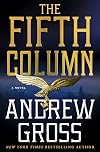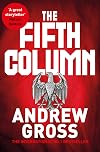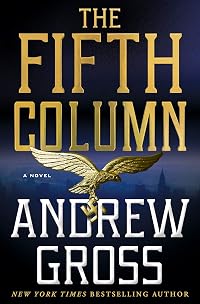
The Fifth Column
by Andrew Gross 
On This Page
Description
#1 New York Times bestselling author of The One Man Andrew Gross once again delivers a tense, stirring thriller of a family torn apart set against the backdrop of a nation plunged into war. February, 1939. Europe teeters on the brink of war. In New York City, twenty-two thousand cheering Nazi supporters pack Madison Square Garden for a raucous, hate-filled rally. In a Hell's Kitchen bar, Charles Mossman is reeling from the loss of his job and the demise of his marriage when a group draped in show more Nazi flags barges in. Drunk, Charlie takes a swing at one with tragic results and a torrent of unintended consequences follows. Two years later. America is wrestling with whether to enter the growing war. Charles's estranged wife and six-year-old daughter, Emma, now live in a quiet brownstone in the German-speaking New York City neighborhood of Yorkville, where support for Hitler is common. Charles, just out of prison, struggles to put his life back together, while across the hall from his family, a kindly Swiss couple, Trudi and Willi Bauer, have taken a liking to Emma. But Charles begins to suspect that they might not be who they say they are. As the threat of war grows, and fears of a "fifth column"--German spies embedded into everyday life--are everywhere, Charles puts together that the seemingly amiable Bauers may be part of a sinister conspiracy. When Pearl Harbor is attacked and America can no longer sit on the sideline, that conspiracy turns into a deadly threat with Charles the only one who can see it and Emma, an innocent pawn. show lessTags
Recommendations

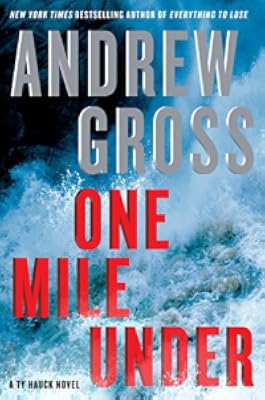
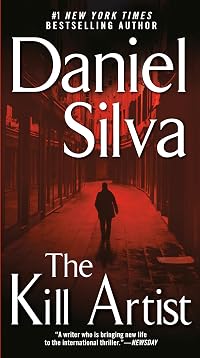

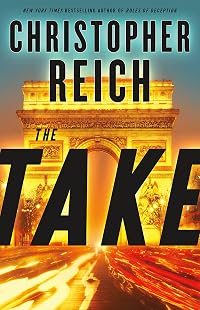

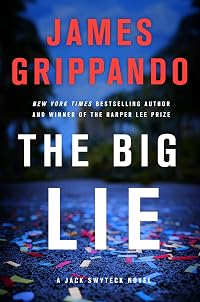



Member Reviews
“The Fifth Column” by Andrew Gross is a story of domestic terrorism, sleeper cells, and political complications as current as the evening news tonight, but this drama is set in WWII. The “Home Front” during WWII, is not peaceful and quiet with patriotic souls doing their best to support the war effort. The situation in Europe is deteriorating; Hitler threatens to take over everything, and a wave of “America First” proponents advocate ignoring the looming danger.
The story opens in February 1939 with a first person narrative by Charles Mossman, whose once-promising career and marriage are now in a downward spiral. He is filled with guilt over the death of twin brother, killed fighting fascists in Spain. Today is their show more birthday, and not a good day to get into a racially charged bar fight. With one punch, life as he knows it comes crashing to an end.
Two years later, 1941, upon being released from jail, Mossman finds the political climate has changed, and circumstances for him, an ex con, are grim. Readers get to know Mossman well as he continues as if giving a report on his life; he shares his feelings about himself, his family, and his life choices. The discourse is factual and emotional at the same time with a hint of self-depreciation as he describes the world and the trickle-down effect of international politics on New York. He recounts specific details of events, “Then there was the time the following week when I was sitting in the Old Heidelberg again on Third Avenue having a coffee.” He talks directly to readers; “I have to admit I felt a little foolish, following them.” Readers hear what he says to others; “’All these customers,’ I said to Emma when we got outside. ‘ Do you know what Uncle Willi and Aunt Trudi do for work?’” Readers listen in as others talk to him; “’You’re suggesting they’re spies . . . ?’ she said, her eyes locked on me. Then she laughed. “’Well, that’s absurd.’” He teases readers with anticipation; “But little did I know.”
The story starts slowly and builds in intensity and complexity. Readers wonder how Mossman will fare in the approaching storm and willingly follow him on the perilous journey into it. Mossman’s narrative is occasionally interrupted by other conversations, and readers learn what the narrator does not know … yet. Has Mossman wandered into a nest of German spies or are people overreacting and just seeing spies everywhere?
“The Fifth Column” reveals the cost of war on the home front, a subject that is sometimes overlooked in novels set in WW II. Gross creates believable characters, flawed characters, who struggle to balance duty to family, duty to government, and duty to society while fearing that more lives will be lost because the real war is yet to come. I received a review copy of “The Fifth Column” from Andrew Gross, St. Martin’s Press, and Minotaur Books. show less
The story opens in February 1939 with a first person narrative by Charles Mossman, whose once-promising career and marriage are now in a downward spiral. He is filled with guilt over the death of twin brother, killed fighting fascists in Spain. Today is their show more birthday, and not a good day to get into a racially charged bar fight. With one punch, life as he knows it comes crashing to an end.
Two years later, 1941, upon being released from jail, Mossman finds the political climate has changed, and circumstances for him, an ex con, are grim. Readers get to know Mossman well as he continues as if giving a report on his life; he shares his feelings about himself, his family, and his life choices. The discourse is factual and emotional at the same time with a hint of self-depreciation as he describes the world and the trickle-down effect of international politics on New York. He recounts specific details of events, “Then there was the time the following week when I was sitting in the Old Heidelberg again on Third Avenue having a coffee.” He talks directly to readers; “I have to admit I felt a little foolish, following them.” Readers hear what he says to others; “’All these customers,’ I said to Emma when we got outside. ‘ Do you know what Uncle Willi and Aunt Trudi do for work?’” Readers listen in as others talk to him; “’You’re suggesting they’re spies . . . ?’ she said, her eyes locked on me. Then she laughed. “’Well, that’s absurd.’” He teases readers with anticipation; “But little did I know.”
The story starts slowly and builds in intensity and complexity. Readers wonder how Mossman will fare in the approaching storm and willingly follow him on the perilous journey into it. Mossman’s narrative is occasionally interrupted by other conversations, and readers learn what the narrator does not know … yet. Has Mossman wandered into a nest of German spies or are people overreacting and just seeing spies everywhere?
“The Fifth Column” reveals the cost of war on the home front, a subject that is sometimes overlooked in novels set in WW II. Gross creates believable characters, flawed characters, who struggle to balance duty to family, duty to government, and duty to society while fearing that more lives will be lost because the real war is yet to come. I received a review copy of “The Fifth Column” from Andrew Gross, St. Martin’s Press, and Minotaur Books. show less
Charlie Mossman was a university lecturer who had planned to earn his doctorate, until everything went to ashes. He has a beautiful wife, Liz, and an adorable daughter, Emma. Unfortunately, Charlie drinks too much and becomes embroiled in a violent altercation that lands him in a correctional facility for two years. His misdeeds will have dire consequences for his reputation, career prospects, and marriage. When he is released in 1941, he has no job, is separated from his wife, but sees six-year-old Emma twice a week in the afternoons. Liz insists, however, that she wants Charlie gone before she gets home from the dress shop where she works.
"The Fifth Column," by Andrew Gross, is set in New York City. Anti-Semitism is on the rise, such show more prominent people as Charles Lindbergh are openly sympathetic to the Nazi cause, and isolationists in the United States want their young men safe at home, not risking their lives fighting in Europe. Meanwhile, during his visits with Emma, Charlie becomes suspicious of Willi and Trudi Bauer, an elderly couple who are neighbors and friends of his family. As the weeks pass, Charlie finds evidence that the Bauers may be spying for the Nazis. When Charlie reports what he has heard and seen, the authorities treat his claims with skepticism, if not outright scorn. In addition, Liz is horrified that her estranged husband has been bad-mouthing these two lovely people who have been so kind to Emma.
In spite of the book's unsophisticated writing and predictable plot, this espionage thriller propels us along. Charlie is a hapless hero whose naïveté costs him dearly and, when things heat up, his choices could have serious consequences for himself, his country, and his little girl. It is unfortunate that the one-dimensional villains are straight out of central casting and the conclusion is unrealistically tidy. On the other hand, "The Fifth Column" is based on fact, since there were German spies operating in the United States before and during the Second World War. At best, the author presents us with an escapist and intermittently entertaining tale about a good-hearted but weak-willed fellow who, after making a series of terrible mistakes, is at last trying to turn his life around. show less
"The Fifth Column," by Andrew Gross, is set in New York City. Anti-Semitism is on the rise, such show more prominent people as Charles Lindbergh are openly sympathetic to the Nazi cause, and isolationists in the United States want their young men safe at home, not risking their lives fighting in Europe. Meanwhile, during his visits with Emma, Charlie becomes suspicious of Willi and Trudi Bauer, an elderly couple who are neighbors and friends of his family. As the weeks pass, Charlie finds evidence that the Bauers may be spying for the Nazis. When Charlie reports what he has heard and seen, the authorities treat his claims with skepticism, if not outright scorn. In addition, Liz is horrified that her estranged husband has been bad-mouthing these two lovely people who have been so kind to Emma.
In spite of the book's unsophisticated writing and predictable plot, this espionage thriller propels us along. Charlie is a hapless hero whose naïveté costs him dearly and, when things heat up, his choices could have serious consequences for himself, his country, and his little girl. It is unfortunate that the one-dimensional villains are straight out of central casting and the conclusion is unrealistically tidy. On the other hand, "The Fifth Column" is based on fact, since there were German spies operating in the United States before and during the Second World War. At best, the author presents us with an escapist and intermittently entertaining tale about a good-hearted but weak-willed fellow who, after making a series of terrible mistakes, is at last trying to turn his life around. show less
This was really good! I have read several books written by this author in the past and have had quite a bit of luck with them so I had a pretty good idea what to expect when I picked up this book. I found this to be a very enjoyable read. It was fast-paced with a rather complex mystery set during a really interesting period of time.
Charles Mossman is at a rather low point at the start of this story. His career and his marriage are not in great shape and he is spending a lot of time at the local bar with a drink in his hand. Things get out of hand and Charlie learns that things be so much worse than they had been. The story picks up again a couple of years later and Charlie is wanting to make amends and get his life back. He wants a show more relationship with his wife and daughter and will do what needs to be done to make that happen.
Charlie soon meets all of the people that are now a part of his daughter, Emma's life. He has a bad feeling about one particular couple. Things just don't seem to add up so Charlie starts to check things out on his own. I had a fantastic time watching Charlie try to puzzle through what was really going on. There were a lot of twists and turns that I didn't see coming. I loved how determined Charlie was and how he was able to maintain his focus.
I did like the characters and the setting. Charlie was flawed but he was working to make a better life. He understood that he would have to work to earn back the trust of others and didn't expect too much. He was intelligent and determined. I liked that the supporting characters were fleshed out just enough that they felt real but they still had a bit a mystery to them. I thought that the time period was very well done. This book was set in the period of time just before the United States entered World War II. I thought that seeing Nazi sympathizers as a key part of the story was very eye-opening.
I would recommend this book to others. I thought that this was a very well done thriller with an interesting historical backdrop that kept me guessing until the very end. I will definitely be reading more of Andrew Gross's work.
I received a free review copy of The Fifth Column by Andrew Gross from Macmillan in exchange for an honest review. show less
Charles Mossman is at a rather low point at the start of this story. His career and his marriage are not in great shape and he is spending a lot of time at the local bar with a drink in his hand. Things get out of hand and Charlie learns that things be so much worse than they had been. The story picks up again a couple of years later and Charlie is wanting to make amends and get his life back. He wants a show more relationship with his wife and daughter and will do what needs to be done to make that happen.
Charlie soon meets all of the people that are now a part of his daughter, Emma's life. He has a bad feeling about one particular couple. Things just don't seem to add up so Charlie starts to check things out on his own. I had a fantastic time watching Charlie try to puzzle through what was really going on. There were a lot of twists and turns that I didn't see coming. I loved how determined Charlie was and how he was able to maintain his focus.
I did like the characters and the setting. Charlie was flawed but he was working to make a better life. He understood that he would have to work to earn back the trust of others and didn't expect too much. He was intelligent and determined. I liked that the supporting characters were fleshed out just enough that they felt real but they still had a bit a mystery to them. I thought that the time period was very well done. This book was set in the period of time just before the United States entered World War II. I thought that seeing Nazi sympathizers as a key part of the story was very eye-opening.
I would recommend this book to others. I thought that this was a very well done thriller with an interesting historical backdrop that kept me guessing until the very end. I will definitely be reading more of Andrew Gross's work.
I received a free review copy of The Fifth Column by Andrew Gross from Macmillan in exchange for an honest review. show less
I cannot say this was truly a 4 star, to me 3.5 stars would be more like it.
First, I am a fan of Andrew Gross and really enjoyed his prior historical novels. Unfortunately this one was a bit of a disappointment for me. It was good, is simply was not up to the level of his other historical works. The writing just was flat, the story was interesting yet it didn't draw me in like his others did. To say a book was bland doesn't seem right except that is the word that keeps coming to mind after I read it.
The story takes place in New York City on the cusp of World War II. We are taken into a country that is still trying to make up its mind of who we support and if we really want to be involved in a war that doesn't threaten us or we really show more understand. Nazi rallies have been staged at Madison Square Garden and there is a level of sympathy for the German people. In this environment our hero (a divorced former professor with a criminal record) is released trying to find his way back into what little is left of his life. As is typical with the genre' within a short period of time he is inadvertently caught up in a Nazi conspiracy just as war declared after the attack on Pearl Harbor. Our hero is simply another Joe caught up in a mess of his own making and who finds himself in a situation for which he is anything but qualified.
The writing basically lacks the necessary life. At times the early 40s slang feels pushed. The character development is acceptable except it just doesn't draw the reader into the story. There are points where the story uses plot cliches that are simply frustrating. Yet overall it isn't a bad book when you look at it from a standpoint of entertainment.
I guess the biggest problem is it simply did not meet my expectations based upon prior historical novels from Andrew Gross. Then again, overall I did enjoy it. When you get down to it enjoyment is one of the main reasons one reads novels. So I guess I can complain. show less
First, I am a fan of Andrew Gross and really enjoyed his prior historical novels. Unfortunately this one was a bit of a disappointment for me. It was good, is simply was not up to the level of his other historical works. The writing just was flat, the story was interesting yet it didn't draw me in like his others did. To say a book was bland doesn't seem right except that is the word that keeps coming to mind after I read it.
The story takes place in New York City on the cusp of World War II. We are taken into a country that is still trying to make up its mind of who we support and if we really want to be involved in a war that doesn't threaten us or we really show more understand. Nazi rallies have been staged at Madison Square Garden and there is a level of sympathy for the German people. In this environment our hero (a divorced former professor with a criminal record) is released trying to find his way back into what little is left of his life. As is typical with the genre' within a short period of time he is inadvertently caught up in a Nazi conspiracy just as war declared after the attack on Pearl Harbor. Our hero is simply another Joe caught up in a mess of his own making and who finds himself in a situation for which he is anything but qualified.
The writing basically lacks the necessary life. At times the early 40s slang feels pushed. The character development is acceptable except it just doesn't draw the reader into the story. There are points where the story uses plot cliches that are simply frustrating. Yet overall it isn't a bad book when you look at it from a standpoint of entertainment.
I guess the biggest problem is it simply did not meet my expectations based upon prior historical novels from Andrew Gross. Then again, overall I did enjoy it. When you get down to it enjoyment is one of the main reasons one reads novels. So I guess I can complain. show less
The United States is on the threshold of entering World War II. Charlie Mossman, a Jewish college instructor, husband, and father who drinks a bit too much accidentally kills a young man while engaging in fisticuffs with Nazi sympathizers.
Two years later, he is released from prison. His wife has moved on, but does allow him visits with their daughter, Emma. Charlie soon suspects that the Swiss couple living across the hall from his wife and Emma may not be who they claim and decides to investigate.
Although the story does take a while to play out and there are no real surprises here, this was a fast, easy, engrossing read. While there are some minor anachronisms, much of the background of the story is historically factual and fasciniating.
Two years later, he is released from prison. His wife has moved on, but does allow him visits with their daughter, Emma. Charlie soon suspects that the Swiss couple living across the hall from his wife and Emma may not be who they claim and decides to investigate.
Although the story does take a while to play out and there are no real surprises here, this was a fast, easy, engrossing read. While there are some minor anachronisms, much of the background of the story is historically factual and fasciniating.
In 1939 Charles Mossman gets in a fight with pro Nazi sympathizers. In the altercation he accidently hits a youth who dies. After two years in prison he's released and returns home to Yorkville NY. He meets the neighbor's living across the hall from his wife Liz and his daughter Emma, After a time, Charles becomes suspicious of the couple who said they were from Switzerland but are teaching Emma German. As he looks into the couple further, he believes they are German spies. Now all he has to do is convince the authorities. This is not easy, given his background of a convicted felon and begins Charles harrowing path to uncover the truth which is made more difficult by the many people he encounters who are not who they seem to be. This is show more a very good read. show less
The Fifth Column takes a long time to get to the problem with characters who are not very likeable. Only 3 1/2 stars were given to this book.
Members
- Recently Added By
Author Information

37+ Works 38,623 Members
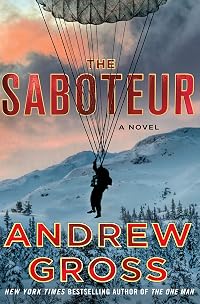
Andrew Gross was born in 1952 in New York City. He grew up in Manhattan and attended the Barnard School for Boys. Both his father and grandfather were successful clothing manufacturers; they ran the Leslie Fay Companies. Gross received a degree in English from Middlebury College in 1974. In 1982, he received a Masters in Business from Columbia show more University. He attended the Writers Program at the University of Iowa. The draft of his first book Hydra, a political thriller, was completed in 1998. After dozens of rejections from agents and ultimately publishers he received a phone call from James Patterson. Gross met with Patterson and discussed the early concepts for what ultimately became the Women's Murder Club series. Gross worked with Patterson on several books in this series, including Second Chance and Third Degree, both of which were bestsellers. Then, they branched out on different themes together, co-authoring the bestsellers, The Jester, Lifeguard, and Judge and Jury. In pursuing his solo career, Gross wrote such works as The Blue Zone, which debuted on the New York Times bestseller list in the United States. A year later, It was followed up by The Dark Tide ( 2007), which was nominated for Thriller of the Year by the International Thriller Writers Association. The Dark Tide featured the Gross fictional detective Ty Hauck of Greenwich, Connecticut, who became the lead character in his corruption and political conspiracy-based bestsellers Don't Look Twice and Reckless. His titles 12 Seconds and Everything to Lose also made the New York Times bestseller list. The One Man was published in August 2016. His latest bestseller is The Saboteur. (Bowker Author Biography) show less
Andrew Gross is a LibraryThing Author, an author who lists their personal library on LibraryThing.
Work Relationships
Is abridged in
Common Knowledge
- Canonical title
- The Fifth Column
- Canonical DDC/MDS
- 813.6
- Canonical LCC
- PS3607.R654
Classifications
Statistics
- Members
- 137
- Popularity
- 239,691
- Reviews
- 9
- Rating
- (3.50)
- Languages
- Dutch, English, Italian
- Media
- Paper, Audiobook, Ebook
- ISBNs
- 21
- ASINs
- 4