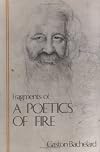
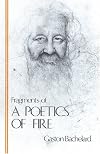
Fragments of a Poetics of Fire (Bachelard Translation Series)
by Gaston Bachelard
Bachelard Translation Series
40 Members (3.67)
On This Page
Description
In epistemology and the philosophy of science, Bachelard espoused a dialectical rationalism, or dialogue between reason and experience. He rejected the Cartesian conception of scientific truths as immutable; he insisted on experiment as well as mathematics in the development of science. Bachelard described the cooperation between the two as a philosophy of saying no, of being ever ready to revise or abandon the established framework of scientific theory to express the new discoveries. In show more addition to his contributions to the epistemological foundations of science, Bachelard explored the role of reverie and emotion in the expressions of both science and more imaginative thinking. His psychological explanations of the four elements-earth, air, fire, water-illustrate this almost poetic aspect of his philosophy. -- (Bowker Author Biography) show lessTags
Recommendations
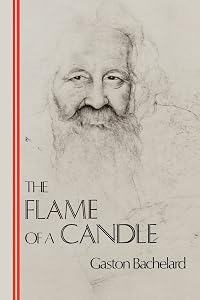



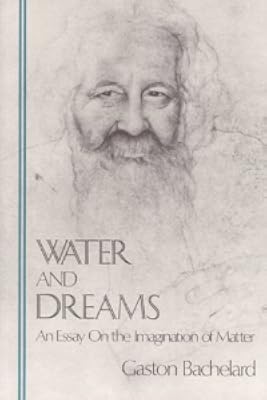
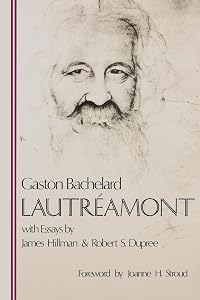















Member Reviews
Members
- Recently Added By
Author Information

65+ Works 5,837 Members
Born in Bar-sur-Aube, France, in 1884, Gaston Bachelard received his doctorate in 1927. He became professor of philosophy at the University of Dijon in 1930, and held the chair in the history and philosophy of science at the University of Paris from 1940 to 1954. In epistemology and the philosophy of science, Bachelard espoused a dialectical show more rationalism, or dialogue between reason and experience. He rejected the Cartesian conception of scientific truths as immutable; he insisted on experiment as well as mathematics in the development of science. Bachelard described the cooperation between the two as a philosophy of saying no, of being ever ready to revise or abandon the established framework of scientific theory to express the new discoveries. In addition to his contributions to the epistemological foundations of science, Bachelard explored the role of reverie and emotion in the expressions of both science and more imaginative thinking. His psychological explanations of the four elements-earth, air, fire, water-illustrate this almost poetic aspect of his philosophy. (Bowker Author Biography) show less
Series

Common Knowledge
- Original publication date
- 1988
Classifications
Statistics
- Members
- 40
- Popularity
- 729,051
- Rating
- (3.67)
- Languages
- English, French, Italian, Portuguese
- Media
- Paper
- ISBNs
- 5