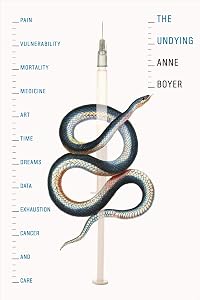
The Undying: Pain, vulnerability, mortality, medicine, art, time, dreams, data, exhaustion, cancer, and care
by Anne Boyer
On This Page
Description
"A fresh, fierce, and timely meditation on data, pain, time, and the limited capacity of literature to comprehend life and death in a sensate and vulnerable body." --Tags
Recommendations




Member Reviews
A gut wrenching, thought provoking book that studies pain, mortality, medical treatments and illness in general centering on the author's own life and her battle against breast cancer.. Although she obviously survives this is not a feel good book. Being a poet and a teacher she does a tremendous amount of historical research on breast cancer and death going all the way back to the Greeks. She emphasized John Donne's poetry in particular. She is laser focused in her indictment of our current health care system and its inadequacy for patients like she was. A very important book.
I expected to not like this book. Being a book by a cancer survivor, I thought the author would write either a self-praise "how I defeated cancer because I'm wonderful and Super Woman" or weepy-whiney "it's all so unfair this had to happen to wonderful me ruining the rest of my entire life and everyone else's too." This book was neither of these. Rather the author spoke of her cancer experience with a humility and grace totally unexpected. Yes, there were times of anger, sorrow, fear and all the other human traits that serve to make us human.
My sister-in-law V had breast cancer, but not the same type as Boyer. Still I kept wondering as Boyer spoke of the horrors of going through chemo and its side effects, did V experience this? Was show more her pain everywhere, too, at levels I couldn't imagine,let alone comprehend.
What struck me the most was, by the end of the book we get a view of Boyer as someone not just grateful and elated that she lived, but someone who was in awe that she was chosen by whatever forces choose who lives and so many other wonderful, and better (to Boyer) women writers.And there is a measure of mourning in that, somehow the unfairness of it, they were not chosen to live.
And very much I liked the book. show less
My sister-in-law V had breast cancer, but not the same type as Boyer. Still I kept wondering as Boyer spoke of the horrors of going through chemo and its side effects, did V experience this? Was show more her pain everywhere, too, at levels I couldn't imagine,let alone comprehend.
What struck me the most was, by the end of the book we get a view of Boyer as someone not just grateful and elated that she lived, but someone who was in awe that she was chosen by whatever forces choose who lives and so many other wonderful, and better (to Boyer) women writers.And there is a measure of mourning in that, somehow the unfairness of it, they were not chosen to live.
And very much I liked the book. show less
This was difficult to approach at first, I think honestly because I haven't read anything like it, but as I got into it, it was SO mind-boggling and really forced me to think about not only narratives around cancer but health generally. Boyer doesn't go much into disability or crip studies, which might have put her in conversation with some really interesting lines of thought (I, certainly, would have LOVED to see some of that, and would love to talk with folks who have read both some disability studies and this book,) but she does put herself in conversation with other women writers who died from cancer, and so many other things it can kind of make your head spin, in the best way. There are just so many levels to her thoughts here, and show more the loss of cognitive ability, and pain, and so many things. It's a book I will almost definitely return to and get even more out of it, and I feel like I got a lot out of it already. Definitely recommended! show less
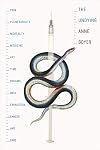
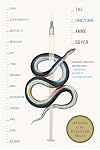
My feelings are mixed. I have several pros and cons. First of all, I thought the cover was totally appropriate to represent cancer and its treatment, even though I personally hate snakes to the point that I don't like seeing pics of them. I do feel like Ann covered nearly everything she could about the behind-the-scenes details of cancer, from financial, treatment options, ways others treat you and your decisions, family, friends, making a difference, trying to survive. It was very thorough. She also touched on the Susan B Komen foundation keeping most of the money raised, making the leaders of it fat cats, while very little goes toward the cancer patients. I have heard this for a long time, and I still don't understand how an agency show more can be allowed to rip off people like that. I doubt this is an opinion, either. Maybe this book will bring change, which is another thing I enjoyed about the author. She is definitely an advocate for change, even if it is as small as standing up for yourself, doing the research to know what is going on, and choosing your treatments. On a large scale, that is writing this memoir and sharing with the world all the dirty details of cancer and what changes still need to come. The story was well-written as far as coverage. I enjoyed the memoir as a chance to meet someone new and hear a new story.
What I HATED! The story itself. In fact, everyone should hate it with the topic of CANCER, so that was not a reason why I did not give it five stars. I also despised a lot of the history presented, as most of it did not really contribute to the story, was rambling, and out of chronological order, which personally drove me nuts. When you mention something toward the end of the book that happened in the 1800's, it might be time to revamp the organization of the book. I also hated the graphic parts of treatment, and those who have a weak stomach, a weak heart, or just can't handle graphic situations might either want to read this a little at a time, or skip certain parts. I literally had to put the book down at one point, because I had just eaten. I have read a lot of gross stuff, but graphic mutilation and/or death are two things my brain does not process well. Again, different strokes for different folks, so I did not take a star away for that, but I hated it! I thought that the story rambled at times, as if she wrote it while actually on treatment and every random thought that ever floated into her brain was put onto paper. A little of that is a good thing to see if that is what cancer does to you, but I am not convinced that was what happened. All I do know that when you use a lot of big words and disjointed ideas over and over, is that filler? If this is a true book to enlighten, my personal opinion is that it should have been written so the average person could easily understand. That would be about a 6th grade level, as we are no longer a huge nation of readers. The outline of the book also drove me nuts. The prologue did not lead well into the book, in my opinion. I saw a lot of crazy numbering for what appeared to be chapters? This may change, as the final book does not hit the stands until October. I would rather see no number versus a bunch of 1s and 2s that didn't mean too much to me. Sounded more like the outline of a research paper. I DO understand the book did give a lot of research details, but still, a book should read and feel like a book. I can see a movie resulting from this book, as there is a good storyline in the middle of all of the chaos. show less
What I HATED! The story itself. In fact, everyone should hate it with the topic of CANCER, so that was not a reason why I did not give it five stars. I also despised a lot of the history presented, as most of it did not really contribute to the story, was rambling, and out of chronological order, which personally drove me nuts. When you mention something toward the end of the book that happened in the 1800's, it might be time to revamp the organization of the book. I also hated the graphic parts of treatment, and those who have a weak stomach, a weak heart, or just can't handle graphic situations might either want to read this a little at a time, or skip certain parts. I literally had to put the book down at one point, because I had just eaten. I have read a lot of gross stuff, but graphic mutilation and/or death are two things my brain does not process well. Again, different strokes for different folks, so I did not take a star away for that, but I hated it! I thought that the story rambled at times, as if she wrote it while actually on treatment and every random thought that ever floated into her brain was put onto paper. A little of that is a good thing to see if that is what cancer does to you, but I am not convinced that was what happened. All I do know that when you use a lot of big words and disjointed ideas over and over, is that filler? If this is a true book to enlighten, my personal opinion is that it should have been written so the average person could easily understand. That would be about a 6th grade level, as we are no longer a huge nation of readers. The outline of the book also drove me nuts. The prologue did not lead well into the book, in my opinion. I saw a lot of crazy numbering for what appeared to be chapters? This may change, as the final book does not hit the stands until October. I would rather see no number versus a bunch of 1s and 2s that didn't mean too much to me. Sounded more like the outline of a research paper. I DO understand the book did give a lot of research details, but still, a book should read and feel like a book. I can see a movie resulting from this book, as there is a good storyline in the middle of all of the chaos. show less
ذكريات مؤلمة من صراع الكاتبة مع سرطان الثدي ومعاناتها خلال ستة أشهر من العلاج الكيميائي الشرس، استئصال الثدي المزدوج، والجراحة الترميمية. بالإضافة لتجربتها الصادمة مع الشركات الطبية المهووسة بالربح والمؤسسات العنصرية المشاركة في رعاية وعلاج مرضى السرطان.
كتاب موجه لكل إنسان، يهيج المشاعر ويفتح الأعين.
كتاب موجه لكل إنسان، يهيج المشاعر ويفتح الأعين.
This is a brilliant, brave, and harrowing book.
Premio Pulitzer de No Ficción 2020
Premio Windham-Campbell de No Ficción 2020
Una semana después de cumplir 41 años, a la poeta Anne Boyer le diagnosticaron un cáncer de mama triple negativo de pronóstico grave que requería un tratamiento muy agresivo. Como madre soltera habituada a vivir al día y a prodigar cuidados antes que a recibirlos, la dramática enfermedad supuso una crisis, pero también un punto de partida para recapacitar sobre la mortalidad y las políticas de género relacionadas con la salud.
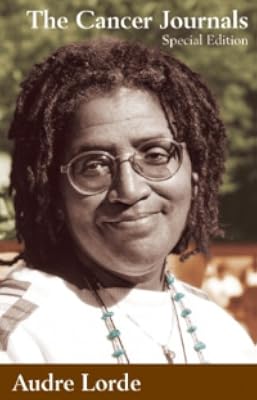
Desmorir es la descarnada narración del proceso de enfermedad y supervivencia de la autora, pero es también un libro de memorias que se rebela contra el género memorístico, un recuento personal que rechaza limitarse a lo show more individual. Sumándose a la larga lista de autoras que han escrito sobre el cáncer, como Audre Lorde, Kathy Acker y Susan Sontag,
Boyer reflexiona con furia, brillantez y clarividencia sobre la enfermedad y la salud en nuestra sociedad, abordando temas como la experiencia corporal y mental del dolor, la proliferación de charlatanes y oportunistas, el abuso de las farmacéuticas, el cinismo político en el debate de sanidad pública versus privada y, en definitiva, la hipocresía que rodea la industria de la salud en nuestro mundo.
Obra reconocida con el Premio Pulitzer de No Ficción en 2020, profundamente humana y conmovedora, Desmorir es una imprescindible meditación acerca de la enfermedad en un mundo capitalista, y acerca de las miserias y las grandezas de la vida contemporánea. show less
Premio Windham-Campbell de No Ficción 2020
Una semana después de cumplir 41 años, a la poeta Anne Boyer le diagnosticaron un cáncer de mama triple negativo de pronóstico grave que requería un tratamiento muy agresivo. Como madre soltera habituada a vivir al día y a prodigar cuidados antes que a recibirlos, la dramática enfermedad supuso una crisis, pero también un punto de partida para recapacitar sobre la mortalidad y las políticas de género relacionadas con la salud.
Desmorir es la descarnada narración del proceso de enfermedad y supervivencia de la autora, pero es también un libro de memorias que se rebela contra el género memorístico, un recuento personal que rechaza limitarse a lo show more individual. Sumándose a la larga lista de autoras que han escrito sobre el cáncer, como Audre Lorde, Kathy Acker y Susan Sontag,
Boyer reflexiona con furia, brillantez y clarividencia sobre la enfermedad y la salud en nuestra sociedad, abordando temas como la experiencia corporal y mental del dolor, la proliferación de charlatanes y oportunistas, el abuso de las farmacéuticas, el cinismo político en el debate de sanidad pública versus privada y, en definitiva, la hipocresía que rodea la industria de la salud en nuestro mundo.
Obra reconocida con el Premio Pulitzer de No Ficción en 2020, profundamente humana y conmovedora, Desmorir es una imprescindible meditación acerca de la enfermedad en un mundo capitalista, y acerca de las miserias y las grandezas de la vida contemporánea. show less
Mar 31, 2021Spanish
Members
- Recently Added By
Author Information

23 Works 696 Members
Some Editions
Awards and Honors
Awards
Distinctions
Classifications
- Genres
- Nonfiction, Biography & Memoir, General Nonfiction, Science & Nature
- DDC/MDS
- 616.99 — Applied science & technology Medicine & health Diseases, Allergies, Skin Conditions Infections, AIDS, Cancer Cancer
- LCC
- RC280 .B8 .B645 — Medicine Internal medicine Internal medicine Neoplasms. Tumors. Oncology
- BISAC
Statistics
- Members
- 393
- Popularity
- 79,299
- Reviews
- 7
- Rating
- (4.06)
- Languages
- 8 — Dutch, English, French, German, Italian, Portuguese, Spanish, Swedish
- Media
- Paper, Audiobook, Ebook
- ISBNs
- 19
- ASINs
- 6