Lord of All the Dead
by Javier Cercas
On This Page
Description
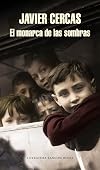
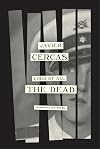
"From the internationally renowned author of The Impostor, a courageous journey into his own family history and that of a country collapsing from a fratricidal war--his most moving, most personal book, one he has spent his entire life preparing to write. Javier Cercas grew up hearing the legend of his adored great-uncle Manuel Mena, who died at nineteen in the bloodiest battle of the Spanish Civil War--while fighting for Franco's army. Who was this young man? A fascist hero whose memory is show more an embarrassment or a committed idealist who happened to fall on the wrong side of history? Is it possible to be a moral person defending an immoral cause? Through visits back to his parents' village in southern Spain, interviews with survivors, and research into the murkiest corners of the war, the author pieces together the life of this enigmatic figure and of an entire generation. This sui generis work combines intimate family history, investigative scholarship, personal confession, war stories, and road trips, finally becoming a transcendent portrait of a country's indelible scars--a book about heroism, death, the persistence of the past, and the meaning of an individual life against the tapestry of history"-- show lessTags
Recommendations











Member Reviews
What I realised was that the protagonist of The Odyssey was the exact opposite of the protagonist of The Iliad: Achilles is the man of a short life and glorious death, who dies at the youthful peak of his beauty and his valour and thus achieves immortality, the man who defeats death through kalos thanatos, a beautiful death that represents the culmination of a beautiful life; Odysseus, on the other hand, is the polar opposite: the man who returns home to live a long life blessed by fidelity to Penelope, to Ithaca and to himself, although in the end he reaches old age and after this life there is no other.
I thought: Uncle Manolo didn't die for his country, Mamá. He didn't die to defend you and your grandmother Carolina and your family. show more He died for nothing, because they deceived him and made him believe he was defending his interests when he was actually defending other people's interests and that he was risking his life for his own people when he was risking it for others.
In his latest work of auto-fiction, the acclaimed Spanish writer Javier Cercas turns his gaze for the first time on his own family, namely his maternal great-uncle Manuel Mena, who was killed at the age of 19 while fighting for the right wing Falangists in the Battle of Ebro in 1938, during the height of the Spanish Civil War. Manolo's death was and remained devastating to Cercas's mother, and because Mena fought for a group that was later aligned with the fascists led by General Francisco Franco, it proved embarrassing to Cercas and cast a shadow over his life as well.
Javier Cercas was born in Ibahernando, a small village in the autonomous community of Extremadura in western Spain, close to the country's border with Portugal. His mother Blanca met her future husband there, and when he was a child they moved to Girona, a moderate sized city in Catalunya, which suffered greatly for five decades under Franco's rule due to its role in the Republican resistance during the war. The Mena and Cercas families held some degree of status in Ibahernando, although they were far from prosperous, but they were anonymous strangers in Girona, and Blanca could not talk about her beloved uncle Manolo to any of her neighbors, as he was on the "wrong side" of the war.
After resisting repeated requests by his mother and other relatives to investigate Manolo's life and write a book about him, the narrator Javier Cercas ultimately and reluctantly decides to do so, by speaking with his family, visiting Ibahernando, where his mother still had a house, talking with people there who knew his great uncle, and exploring the battle sites where Mena was wounded, along with the former hospital where he died. During his travels Cercas re-reads translations of The Iliad and The Odyssey as a diversion, and in doing so he realizes that his uncle is viewed as a tragic hero by his mother and many older people in Ibahernando, as he was an idealistic young man who was studious and hoped to study law, but chose to postpone his plans to fight with the Falangists against the Second Spanish Republic, in the cause of national unity, order and equality for all Spaniards.
As Cercas slowly uncovers more about Mena from those who knew him best, he learns that, toward the end of his life, Manolo became more disillusioned about the Falangist cause and the great toll that the war was taking on the country. However, he returned to the battlefield one last time, in an act of familial obligation, and was killed shortly afterward in one of the bloodiest battles of the war.
Cercas uses Manolo's death to demonstrate the futility of the Spanish Civil War and most other wars, which have been fought by untold millions of young men and women who gave their lives not for freedom or better lives for themselves, their families and their neighbors, but rather for the wealthy and powerful, whose massive egos on both sides of this war led to hundreds of thousands of deaths that ultimately benefitted no one save for Franco, the fascist leadership, and the Generalíssimo's most loyal supporters.
The ultimate question that Cercas struggles to answer is: "What is a hero?" Did Manolo act heroically in fighting alongside the Falangists? Was his death in vain? Did his family or community benefit from his sacrifice? Is it better to be Achilles, the lord of all the dead, who is celebrated by many but whose life is cut short before he can fully enjoy it, or Odysseus, who returns from battle to lead a long but mediocre life?
I found Lord of All the Dead to be a thought provoking novel, which was a bit of a slog at times in the overly detailed descriptions of battles that Manuel Mena fought in, but the analysis of his life at the end was very well done, as were the descriptions of Cercas's mother, his family, the few remaining residents of Ibahernando, and himself. The book isn't as much of a page turner as his two most recent novels, Outlaws and The Impostor, were, but it was ultimately very rewarding and did provide much food for thought, about the Spanish Civil War, postwar and post-Franco Spain, war in general, and the present political climate in the western world. show less
I thought: Uncle Manolo didn't die for his country, Mamá. He didn't die to defend you and your grandmother Carolina and your family. show more He died for nothing, because they deceived him and made him believe he was defending his interests when he was actually defending other people's interests and that he was risking his life for his own people when he was risking it for others.
In his latest work of auto-fiction, the acclaimed Spanish writer Javier Cercas turns his gaze for the first time on his own family, namely his maternal great-uncle Manuel Mena, who was killed at the age of 19 while fighting for the right wing Falangists in the Battle of Ebro in 1938, during the height of the Spanish Civil War. Manolo's death was and remained devastating to Cercas's mother, and because Mena fought for a group that was later aligned with the fascists led by General Francisco Franco, it proved embarrassing to Cercas and cast a shadow over his life as well.
Javier Cercas was born in Ibahernando, a small village in the autonomous community of Extremadura in western Spain, close to the country's border with Portugal. His mother Blanca met her future husband there, and when he was a child they moved to Girona, a moderate sized city in Catalunya, which suffered greatly for five decades under Franco's rule due to its role in the Republican resistance during the war. The Mena and Cercas families held some degree of status in Ibahernando, although they were far from prosperous, but they were anonymous strangers in Girona, and Blanca could not talk about her beloved uncle Manolo to any of her neighbors, as he was on the "wrong side" of the war.
After resisting repeated requests by his mother and other relatives to investigate Manolo's life and write a book about him, the narrator Javier Cercas ultimately and reluctantly decides to do so, by speaking with his family, visiting Ibahernando, where his mother still had a house, talking with people there who knew his great uncle, and exploring the battle sites where Mena was wounded, along with the former hospital where he died. During his travels Cercas re-reads translations of The Iliad and The Odyssey as a diversion, and in doing so he realizes that his uncle is viewed as a tragic hero by his mother and many older people in Ibahernando, as he was an idealistic young man who was studious and hoped to study law, but chose to postpone his plans to fight with the Falangists against the Second Spanish Republic, in the cause of national unity, order and equality for all Spaniards.
As Cercas slowly uncovers more about Mena from those who knew him best, he learns that, toward the end of his life, Manolo became more disillusioned about the Falangist cause and the great toll that the war was taking on the country. However, he returned to the battlefield one last time, in an act of familial obligation, and was killed shortly afterward in one of the bloodiest battles of the war.
Cercas uses Manolo's death to demonstrate the futility of the Spanish Civil War and most other wars, which have been fought by untold millions of young men and women who gave their lives not for freedom or better lives for themselves, their families and their neighbors, but rather for the wealthy and powerful, whose massive egos on both sides of this war led to hundreds of thousands of deaths that ultimately benefitted no one save for Franco, the fascist leadership, and the Generalíssimo's most loyal supporters.
The ultimate question that Cercas struggles to answer is: "What is a hero?" Did Manolo act heroically in fighting alongside the Falangists? Was his death in vain? Did his family or community benefit from his sacrifice? Is it better to be Achilles, the lord of all the dead, who is celebrated by many but whose life is cut short before he can fully enjoy it, or Odysseus, who returns from battle to lead a long but mediocre life?
I found Lord of All the Dead to be a thought provoking novel, which was a bit of a slog at times in the overly detailed descriptions of battles that Manuel Mena fought in, but the analysis of his life at the end was very well done, as were the descriptions of Cercas's mother, his family, the few remaining residents of Ibahernando, and himself. The book isn't as much of a page turner as his two most recent novels, Outlaws and The Impostor, were, but it was ultimately very rewarding and did provide much food for thought, about the Spanish Civil War, postwar and post-Franco Spain, war in general, and the present political climate in the western world. show less
The writer "Javier Cercas", almost indefatigable in his quest to explore the ways Spain deals with problems of historical memory, is routinely one of the main characters in a Javier Cercas novel, but up to now his explorations have always been limited to digging into other people's memories. As he acknowledges in the opening chapters of this book, the problem he's always shied away from writing about is the way he deals with his family's background in a small pueblo near Trujillo in Extremadura, their support for the "wrong", nationalist side in the civil war, and the legend of the family hero, an uncle of his mother's called Manuel Mena, who was killed at the age of nineteen as a subaltern (alférez) in Franco's army at the battle of show more the Ebro.
Finally tackling this subject, with a good deal of hesitation which he - of course - discusses in detail, Cercas explores the question of whether there is any value in the Greek concept of a "beautiful death" - whether it's better to be Achilles or Odysseus, to reign as monarch over the shadows in the underworld or live as the slave of slaves. He looks at the social situation in the pueblo in the 1930s, and the reasons why people like the Mena and Cercas families allied themselves to the nationalists. They were peasants who had clawed themselves up to a rung higher on the socioeconomic ladder than their starving neighbours, but were still in what by any objective standard would be called extreme poverty. But they felt threatened by the disorder of the Republic, which looked as though it was going to take away even the little they had. They thus ended up on the side of a political movement that was in reality run by and for the very people who were still profiting from rural poverty, the big aristocratic landlords and the church, and fighting against the people they should (with mature hindsight) have seen as their friends.
Interesting, complex, and very nuanced, a book that goes a long way beyond its specifically Spanish subject-matter in its scope. show less
Finally tackling this subject, with a good deal of hesitation which he - of course - discusses in detail, Cercas explores the question of whether there is any value in the Greek concept of a "beautiful death" - whether it's better to be Achilles or Odysseus, to reign as monarch over the shadows in the underworld or live as the slave of slaves. He looks at the social situation in the pueblo in the 1930s, and the reasons why people like the Mena and Cercas families allied themselves to the nationalists. They were peasants who had clawed themselves up to a rung higher on the socioeconomic ladder than their starving neighbours, but were still in what by any objective standard would be called extreme poverty. But they felt threatened by the disorder of the Republic, which looked as though it was going to take away even the little they had. They thus ended up on the side of a political movement that was in reality run by and for the very people who were still profiting from rural poverty, the big aristocratic landlords and the church, and fighting against the people they should (with mature hindsight) have seen as their friends.
Interesting, complex, and very nuanced, a book that goes a long way beyond its specifically Spanish subject-matter in its scope. show less
Hay que comenzar por lo mas importante... este libro no es lo que esperaba, y en eso estriba en gran parte mi decepción.
Cercas utiliza una mezcla entre ficción e investigación historica que pudiera funcionar en ocasiones pero que en este caso resulta seca y poco interesante. La historia de un soldado franquista que muere a los 19 años y sobre quien no existe suficiente documentación no es exactamente la receta para un best seller. Vale decir que las partes mas interesantes de esta obra son aquellas en las que el autor desmenuza y filosófa sobre la vida de su fenecido tio abuelo.
El mejor puntonde la historia es cuando se revela que Manuel Mena regresa a la guerra por ultima vez no por conviccion sino para prevenir que su hermano, show more casado y con hijos tenga que ir en su lugar. show less
Cercas utiliza una mezcla entre ficción e investigación historica que pudiera funcionar en ocasiones pero que en este caso resulta seca y poco interesante. La historia de un soldado franquista que muere a los 19 años y sobre quien no existe suficiente documentación no es exactamente la receta para un best seller. Vale decir que las partes mas interesantes de esta obra son aquellas en las que el autor desmenuza y filosófa sobre la vida de su fenecido tio abuelo.
El mejor puntonde la historia es cuando se revela que Manuel Mena regresa a la guerra por ultima vez no por conviccion sino para prevenir que su hermano, show more casado y con hijos tenga que ir en su lugar. show less
I liked the way of telling the story but the many detailed descriptions of battle scenes made the book boring for me.
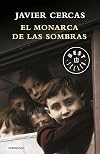
Mas de quince años despues de la publicacion deSoldados de Salamina, Javier Cercas regresa a la Guerra Civil con una novela mas intima y personal, que indaga en el pasado mas incomodo de su familia.Ninguna familia escapa a su herencia.Sobre los vencedores y los vencidos, y los secretos que todos callamos.Esta es la novela que Javier Cercas se habia estado preparando para escribir desde que quiso ser novelista.O desde antes.El monarca de las sombras narra la busqueda del rastro perdido de un muchacho casi anonimo que peleo por una causa injusta y murio en el lado equivocado de la historia. Se llamaba Manuel Mena y en 1936, al estallar la guerra civil, se incorporo al ejercito de Franco; dos años despues murio combatiendo en la batalla show more del Ebro, y durante decadas se convirtio en el heroe oficial de su familia. Era tio abuelo de Javier Cercas, quien siempre se nego a indagar en su historia, hasta que se sintio obligado a hacerlo.El resultado de esa indagacion es una novela absorbente, pletorica de accion, de humor y de emocion, que nos enfrenta a algunos de los temas esenciales de la narrativa de Cercas: la naturaleza radiante, poliedrica y misteriosa del heroismo, la terca pervivencia de los muertos y la dificultad de hacerse cargo del pasado mas incomodo.Exploracion a la vez local y universal, personal y colectiva, novela belicosamente antibelicista, El monarca de las sombras da una vuelta de tuerca inesperada y deslumbrante a la pregunta sobre la herencia de la guerra que Cercas abrio años atras con Soldados de Salamina show less
Apr 20, 2017Spanish
D’ailleurs, peut-on être un jeune homme noble et pur et en même temps lutter pour une mauvaise cause ?
(p.141, Chapitre 7).
Je me souviens avoir lu Les Soldats de Salamine il y a bien longtemps, et être plutôt restée circonspecte, un peu sur le bord de la route, surtout au vu des critiques élogieuses qui l’avaient accueilli. Mais en voyant ce titre en librairie peu après sa sortie, je n’ai pas été longue à décider de donner une seconde chance à cet auteur. Titre énigmatique, auteur qui s’aventure de l’autre côté du miroir, il y avait en effet de quoi me tenter.
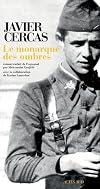
J’ai mis un peu de temps ensuite pour commencer ma lecture, mais maintenant que c’est chose faite, il me faut essayer mettre de l’ordre dans mes show more idées. Le sujet, d’abord. Javier Cercas, qui explore inlassablement la guerre civile espagnole, se décide, après moultes tergiversations, à écrire sur un de ses oncles, phalangiste, mort à 19 ans sur le front, et pendant longtemps, héros de la famille. Mais depuis, les caprices de l’histoire ont fait de cet ancien héros un ancêtre encombrant. Celui qui a fait les mauvais choix, qui s’est retrouvé du mauvais côté. Je me suis sentie flouée à plusieurs reprises pendant ma lecture, car le personnage de Manuel Mena reste évanescent tout au long du récit. On ne connaîtra rien de ses aspirations intimes, de ses projets et désirs. Normal pour un homme mort si jeune et sans avoir rien laissé derrière lui.
Mais il m’a fallu du temps pour réaliser que Manuel Mena est finalement un prétexte ici. Prétexte à quoi, c’est une question complexe, car ce livre explore plusieurs voies, plusieurs sujets et arrive, grâce à l’écriture toute en contrôle de Javier Cercas à les faire tenir ensemble. Non à les relier pour en faire un tout cohérent, mais à les faire cohabiter et se succéder sans que cela paraisse artificiel ou décousu. On revisite l’histoire espagnole du début du XXème siècle (et j’ai souvent eu l’impression de ne pas avoir assez de connaissances préalables pour comprendre toute la subtilité du discours de Cercas), en particulier l’évolution sociale et économique de la société, et comment celle-ci interagit avec son évolution politique. On réfléchit à l’engagement politique, et à son lien possible avec un engagement militaire. On réfléchit aussi beaucoup à la mémoire, qu’elle soit individuelle, familiale ou collective : les liens entre mémoire et vérité, l’importance à donner aux détails (dans quel chambre est mort un homme, où et à quelle heure du jour ou de la nuit a-t-il été blessé), la construction d’un roman familial, le poids d’un héritage par définition non choisi…
C’est un livre très riche, une lecture dont on ressort en se sentant à la fois plus averti et plus rempli de questions. Il faut pour cela s’adapter à la structure du récit, cette alternance de « je » et de « il » utilisés par l’auteur pour parler de lui-même selon la perspective de l’auteur par rapport à l’histoire qu’il raconte (celle de son oncle ou celle de son enquête à lui), passer outre quelques digressions que j’ai trouvées sans intérêt (comme les raisons du divorce de son ami cinéaste). Mais ce livre, s’il n’est pas facile à lire, vaut qu’on lui consacre un peu de temps et d’énergie. Et l’on apprendra alors qui est le monarque des Ombres et l’on pourra se demander si c’est une place si enviable que cela, même si beaucoup l’ont choisie, consciemment ou poussés par les circonstances. Beau travail sur la mémoire, sur l’engagement et sur ce qui relie parfois les deux. show less
Oct 16, 2019 (Edited)French
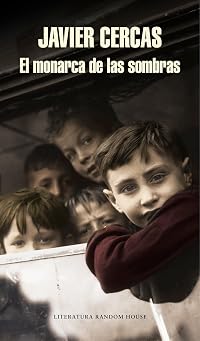
El monarca de las sombras narra la búsqueda del rastro perdido de un muchacho casi anónimo que peleó por una causa injusta y murió en el lado equivocado de la historia. Se llamaba Manuel Mena y en 1936, al estallar la guerra civil, se incorporó al ejército de Franco; dos años después murió combatiendo en la batalla del Ebro, y durante décadas se convirtió en el héroe oficial de su familia. Era tío abuelo de Javier Cercas, quien siempre se negó a indagar en su historia, hasta que se sintió obligado a hacerlo.
El resultado de esa indagación es una novela absorbente, pletórica de acción, de humor y de emoción, que nos enfrenta a algunos de los temas esenciales de la narrativa de Cercas: la naturaleza radiante, poliédrica show more y misteriosa del heroísmo, la terca pervivencia de los muertos y la dificultad de hacerse cargo del pasado más incómodo.
Exploración a la vez local y universal, personal y colectiva, novela belicosamente antibelicista, El monarca de las sombras da una vuelta de tuerca inesperada y deslumbrante a la pregunta sobre la herencia de la guerra que Cercas abrió años atrás con Soldados de Salamina. show less
El resultado de esa indagación es una novela absorbente, pletórica de acción, de humor y de emoción, que nos enfrenta a algunos de los temas esenciales de la narrativa de Cercas: la naturaleza radiante, poliédrica show more y misteriosa del heroísmo, la terca pervivencia de los muertos y la dificultad de hacerse cargo del pasado más incómodo.
Exploración a la vez local y universal, personal y colectiva, novela belicosamente antibelicista, El monarca de las sombras da una vuelta de tuerca inesperada y deslumbrante a la pregunta sobre la herencia de la guerra que Cercas abrió años atrás con Soldados de Salamina. show less
Mar 3, 2017Catalan
Members
- Recently Added By
Lists

Top Five Books of 2020
982 works; 348 members

Books Read in 2017
4,249 works; 129 members
Author Information

38+ Works 4,972 Members
Javier Cercas is the author of Soldiers of Salamis (which sold more than a million copies worldwide), The Tenant and the Motive, and The Speed of Light. He has taught at the University of Illinois and for many years was a lecturer in Spanish literature at the University of Gerona. His books have been translated into more than twenty languages.
Awards and Honors
Common Knowledge
- Canonical title
- Lord of All the Dead
- Original title
- El monarca de las sombras
- Original publication date
- 2017-02-16 (ES) (ES); 2019-04-04 (UK) (UK)
- Important places
- Ibahernando, Extremadura, Spain
- Important events
- Spanish Civil War
- Epigraph
- Dulce et decorum est pro patria mori.
How sweet and honourable it is to die for one's own country.
HORACE, Odes, III.2. 13 - Dedication
- For Raül Cercas and Mercè Mas
For Blanca Mena - First words
- His name was Manuel Mena and he died at the age of nineteen in the Battle of Ebro.
- Quotations
- Then I thought: That's the saddest thing about Manuel Mena's fate. That, as well as dying for an unjust cause, he died fighting for interests that weren't even his. Not his and not his family's. I thought: That he died for no... (show all)thing.
- Last words
- (Click to show. Warning: May contain spoilers.)It never ends.
- Original language*
- Spaans
*Some information comes from Common Knowledge in other languages. Click "Edit" for more information.
Classifications
- Genres
- Fiction and Literature, General Fiction, Historical Fiction
- DDC/MDS
- 863.64 — Literature & rhetoric Spanish Literature Spanish fiction 20th Century 1945-2000
- LCC
- PQ6653 .E62 .M6613 — Language and Literature French, Italian, Spanish and Portuguese literatures Spanish literature Individual authors, 1961-2000
- BISAC
Statistics
- Members
- 243
- Popularity
- 133,845
- Reviews
- 13
- Rating
- (3.51)
- Languages
- 7 — Dutch, English, French, Greek, Italian, Portuguese, Spanish
- Media
- Paper, Audiobook, Ebook
- ISBNs
- 27
- ASINs
- 4