
The Read-Aloud Handbook
by Jim Trelease
On This Page
Description
"The classic million-copy bestselling handbook on reading aloud to children--revised and updated. Recommended by "Dear Abby" upon its first publication in 1982, millions of parents and educators have turned to Jim Trelease's beloved classic for more than three decades to help countless children become avid readers through awakening their imaginations and improving their language skills. It has also been a staple in schools of education for new teachers. This updated edition of The Read-Aloud show more Handbook discusses the benefits, the rewards, and the importance of reading aloud to children of a new generation. Supported by delightful anecdotes as well as the latest research (including the good and bad news on digital learning), The Read-Aloud Handbook offers proven techniques and strategies for helping children discover the pleasures of reading and setting them on the road to becoming lifelong readers"-- show lessTags
Recommendations

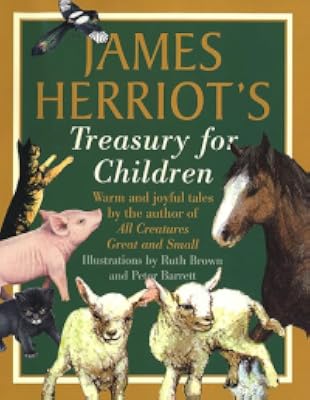
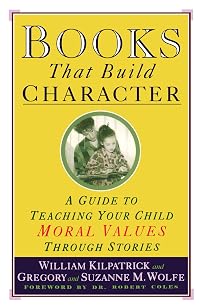
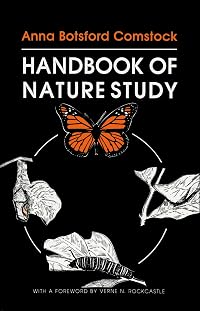

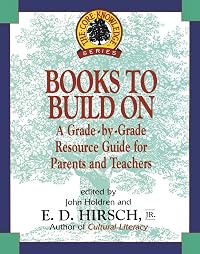



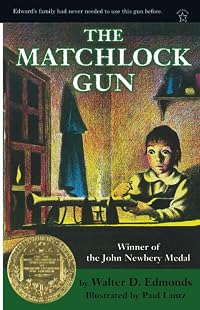
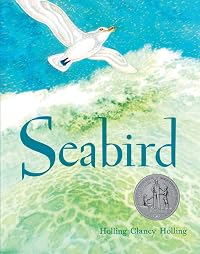
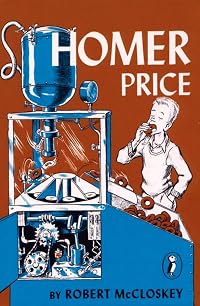
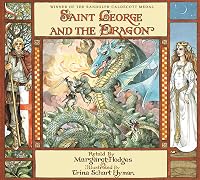



Member Recommendations
Member Reviews
I do not even know where to start with this one. I think having read this book could be life-changing; at the very least my children will benefit from it immensely. Every parent and teacher should have a copy. I have already started a list of books I want to get for my two toddlers to add to their library.
The text section of the book gives advice (in a question-answer format) on when to read aloud, the stages of read-aloud, helpful dos and don'ts, SSR, print climate, digital learning, tv, and even a couple chapters on fathers and hyperactive kids. Trelease also has a helpful and entertaining website. The research that he cites (especially Hart & Risley's "Meaningful Differences") make it hard to believe that the testing culture show more prevalent in American education continues to exist--it is pretty clear that doing a ton of reading is what produces good readers and we are cutting reading time/priority. It's not about testing and formal reading instruction (Finland does not allow this at all until age 7); it's about reading (and being read to)! This has me rethinking my priorities as a teacher, even of Latin.
I like the advice to have books (obviously!) and book baskets about the house, as well as a reading lamp for the kids. show less
The text section of the book gives advice (in a question-answer format) on when to read aloud, the stages of read-aloud, helpful dos and don'ts, SSR, print climate, digital learning, tv, and even a couple chapters on fathers and hyperactive kids. Trelease also has a helpful and entertaining website. The research that he cites (especially Hart & Risley's "Meaningful Differences") make it hard to believe that the testing culture show more prevalent in American education continues to exist--it is pretty clear that doing a ton of reading is what produces good readers and we are cutting reading time/priority. It's not about testing and formal reading instruction (Finland does not allow this at all until age 7); it's about reading (and being read to)! This has me rethinking my priorities as a teacher, even of Latin.
I like the advice to have books (obviously!) and book baskets about the house, as well as a reading lamp for the kids. show less
Every now and again when I receive new books to shelve, I come across one (or quite a few) that I pull aside to read for myself. That's how I stumbled upon today's book. The Read-Aloud Handbook (7th Edition) by Jim Trelease immediately caught my eye for no other reason than I'm a giant nerd for my profession. :-D The first half of the book is a discussion about the importance of reading and more specifically reading aloud to children from birth to...forever. This is not just Trelease's personal opinion but is backed up by extensive research and a plethora of data on the topic. However, it's not all technical jargon replete with charts and numbers. He uses examples from his own childhood which he describes as 'print rich' with a father show more who modeled reading habits as well as read to him on a regular basis. He was also fortunate to have a teacher that read aloud to the class each day. (This is a rarity in schools because of the rigorous standardized testing schedules and something I strongly contest.) He also received encouragement from a teacher who sent a note home to his parents praising his behavior and writing capability. (That really can make all the difference, folks!) Trelease also talks about the rearing of his children and their nightly routine of book reading. Perhaps the most compelling parts of this book are the firsthand narratives of the significance of reading aloud throughout childhood and the benefits gained from it. It is chock full of anecdotes from principals, teachers, parents, and librarians and how they did their part to guide the children in their lives to become lifelong learners and readers. I've used quite a few of the 'tips and tricks' that he discusses like using ebooks and audiobooks for visually impaired and illiterate parents in the workshops and one-on-one discussions I've had with parents in my community. (P.S. Wordless picture books are another great resource.) Whether you're a professional in the field of library sciences or education or simply trying to create a love of reading in your own children this is a must have. I bought a copy for myself before I'd even finished reading it! 10/10
Oh and did I mention that the second half contains a Treasury of books subdivided by reading comprehension, age group, genre, and best books for reading aloud? WHY AREN'T YOU READING THIS YET? show less
Oh and did I mention that the second half contains a Treasury of books subdivided by reading comprehension, age group, genre, and best books for reading aloud? WHY AREN'T YOU READING THIS YET? show less
I know this is supposed to be a beloved classic and all, but I found it annoying. I am all for reading to children (obviously), but the message of this book seemed to be more or less, "be a well-educated middle-class person and you will raise well-educated, middle-class people!"
Goody for me.
I get that reading is a wonderful, key part of kids' education, but to neglect the structural problems with schooling in the U.S., the fact that some parents really do struggle with literacy, with time for trips to the library, or the money to buy books is not helpful.
It strikes me as a blame-the-victim approach to the problem of U.S. education--as if it were parents' fault when their kids are getting lousy educations and not learning.
And the stories show more of kids who became rocket science geniuses all because their parents read them 20 book a day when they were infants? Even more annoying. What if my 20-books-a-day infant doesn't grow up to be a rocket scientist? Did I choose the wrong picture books? show less
Goody for me.
I get that reading is a wonderful, key part of kids' education, but to neglect the structural problems with schooling in the U.S., the fact that some parents really do struggle with literacy, with time for trips to the library, or the money to buy books is not helpful.
It strikes me as a blame-the-victim approach to the problem of U.S. education--as if it were parents' fault when their kids are getting lousy educations and not learning.
And the stories show more of kids who became rocket science geniuses all because their parents read them 20 book a day when they were infants? Even more annoying. What if my 20-books-a-day infant doesn't grow up to be a rocket scientist? Did I choose the wrong picture books? show less
This book explains the research and logic behind something good readers and their children already know. Good readers and writers are people who read A LOT. Kids who don't have access to reading materials that are rich, relevant and interesting to them don't become good readers, and, consequently, don't become good writers, don't develop large vocabularies and are at a disadvantage for the rest of their lives. I am so grateful to this author for bringing this research together in a digested, clear form that I can use when talking to parents, teachers and donors about the importance of school libraries, classroom libraries and "free" reading time in the classroom. I was prepared to spend hours tracking down the sources to back up my show more experience with reading and books, but Trelease condenses and organizes it all into one readable volume, along with great book suggestions for parents and kids. show less
I LOVED this book--it really inspired me. It is full of interesting stories and examples as well as practical advice about reading to children and how to make positive changes in our families, schools, and communities with regards to literacy and creating a generation of book lovers.
More a “why-to” than a “how-to,” this book lays out compelling evidence that reading aloud to children of all ages—infancy to adolescence—benefits their intellectual development. Despite the title, silent reading is also defended and addressed at great length. While it’s discouraging to realize that something so obviously effective is not being widely practiced, it’s encouraging to realize that it’s in reach; parents reading this book can work to overcome an impoverished school environment, while education professionals can, if not overcome a bookless home environment, at least take steps in that direction. Once Trelease lays out his compelling evidence for reading aloud, both stats and case studies, and gives a few show more pointers for parents and teachers, the rest of the book is taken up with a long list of suggested books for reading aloud to all age ranges. Every parents and teacher should read; not only is the information important, but Trelease’s writing style is engaging. show less
As the homeschooling mother of a preschooler, I never would have imagined that preparing my daughter to read could be so simple. Trelease really makes the case for the importance of reading aloud to one's children (even if they attend school outside of their homes), and includes a fabulous directory of read-aloud books. Every book we've picked up from that list has been right-on for my daughter (including James and the Giant Peach, which I thought would be a little old for her, but which she loved).
Members
- Recently Added By
Lists

Read For Your Life
157 works; 1 member
Author Information

6+ Works 3,339 Members
Some Editions
Common Knowledge
- Canonical title
- The Read-Aloud Handbook
- Original publication date
- 1979
- Epigraph
- You may have tangible wealth untold:
Caskets of jewels and coffers of gold.
Richer than I you can never be -
I had a mother who read to me.
--Strickland Gillilan,
"The Reading Mother,"
Best Loved Poems of... (show all) the American People - Dedication
- To my grandsons, Connor, Tyler, Kiernan, and Tess---the best audiences an old reader-aloud could hope to find.
And to Alvin R. Schmidt, a ninth-grade English teacher in New Jersey who found the time a half-century ago ... (show all)to write to the parents of one of his students to tell them they had a talented child. That vote of confidence has never been forgotten. (6th edition) - First words
- Introduction: Taped inside my copy of Charlotte's Web are a note and a photograph of a little boy beside a cake.
Classifications
Statistics
- Members
- 2,815
- Popularity
- 6,461
- Reviews
- 39
- Rating
- (4.36)
- Languages
- Chinese, English, Indonesian, Spanish
- Media
- Paper, Audiobook, Ebook
- ISBNs
- 30
- ASINs
- 19