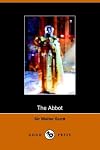
The Abbot
by Sir Walter Scott
Tales from Benedictine Sources, Waverley Novels (1567), Waverley Novels, publication (1820)
On This Page
Description
"The Abbot (1820), which concludes the fiction begun in The Monastery (published earlier the same year), follows the fortunes of young Roland Graeme as he emerges from rural obscurity to become an attendant of Mary Queen of Scots during her captivity in Lochleven Castle. Roland's part in Mary's escape from the Castle is excitingly narrated, and Mary herself is vividly characterised in captivity, in her brief period of freedom, and in her final defeat near Glasgow in 1568." "Based on the show more first edition, this new text restores, from Scott's manuscript and from the evidence of early American editions set from proof sheets at different stages, nearly 2000 authorial readings hitherto unprinted. It has also been possible for the first time, on the evidence of history, to make coherent the family relationships in the novel."--BOOK JACKET. show lessTags
Recommendations
























Member Reviews
This sequel to The Monastery is much more conventional in structure than the earlier book and it was more of a popular success at the time. However, I found the simple divided-loyalties plot (basically Waverley transposed back two hundred years) much less interesting than the slightly surreal set-up of The Monastery.
Whilst The Monastery was set among the first stirrings of the Reformation, by the time we get to The Abbot the once-proud monasteries are in ruins: The story is set in 1567-1568, with Mary, Queen of Scots deposed and a prisoner in Loch Leven Castle. Scott being Scott, our hero of course has a strong romantic loyalty to the Old Faith and to his friends who practice it, but at the same time can't help seeing the show more reasonableness of what the Calvinist preachers are saying.
Mary's young lady-in-waiting, Catharine Seyton, is fun (even though most readers will guess the reason for her odd changes of character about 400 pages too soon), and the queen herself comes to life more than you might expect, but Roland, the hero, is difficult to like. The minor characters are mostly taken from old stock. Even by Scott's standards, this story takes a long time to get going - we're about 250 pages into a 450 page story before we're out of the introductory scene-setting and establishing of the back-story and Scott can allow the action to start properly. There are some good bits, like the Kinross fair and the escape from Loch Leven Castle, but there are also rather more dull stretches than in some of Scott's better works. Probably only worthwhile if you're a hardcore Mary, QoS fan, or you have already read the rest of Scott... show less
Whilst The Monastery was set among the first stirrings of the Reformation, by the time we get to The Abbot the once-proud monasteries are in ruins: The story is set in 1567-1568, with Mary, Queen of Scots deposed and a prisoner in Loch Leven Castle. Scott being Scott, our hero of course has a strong romantic loyalty to the Old Faith and to his friends who practice it, but at the same time can't help seeing the show more reasonableness of what the Calvinist preachers are saying.
Mary's young lady-in-waiting, Catharine Seyton, is fun (even though most readers will guess the reason for her odd changes of character about 400 pages too soon), and the queen herself comes to life more than you might expect, but Roland, the hero, is difficult to like. The minor characters are mostly taken from old stock. Even by Scott's standards, this story takes a long time to get going - we're about 250 pages into a 450 page story before we're out of the introductory scene-setting and establishing of the back-story and Scott can allow the action to start properly. There are some good bits, like the Kinross fair and the escape from Loch Leven Castle, but there are also rather more dull stretches than in some of Scott's better works. Probably only worthwhile if you're a hardcore Mary, QoS fan, or you have already read the rest of Scott... show less
Another of Walter Scott's historical romances. In this book, the historical aspect takes centre stage, unlike many of the others in the series where the "history" is the background to a novelist's story. This book tells the story of Mary Queen of Scots' forced abdication, escape from her enforced isolation, and her subsequent escape, to more captivity, in England. The rest of the tale is a little lame, by Scott's high standards - many improbable plot twists, and much stereotypical characterisation of the young blades, and young love. Enjoyable for the history, but otherwise a little lacking.
Ratings
Members
- Recently Added By
Lists

Best of Scottish Literature
35 works; 6 members

Fifty Representative Historical Novels
50 works; 2 members
Author Information

Series

Tales from Benedictine Sources
2 works

Waverley Novels
31 works (1567)

Waverley Novels, publication
31 works (1820)
Belongs to Publisher Series
Work Relationships
Common Knowledge
- Canonical title
- The Abbot
- Original publication date
- 1820
- People/Characters
- Sir Halbert Glendinning; Lady Glendinning; Roland Graeme (later, Heir of Avenel); Magdalen Graeme; Rev Henry Warden; Father Ambrose (Edward Glendinning) (show all 23); Adam Woodcock; Lord Seyton; Henry Seyton; Catherine Seyton; The Earl of Murray; Lord Ruthven; Lord Lindesay; Sir Robert Melville; Sir William Douglas; The Lady of Lochleven; Lady Douglas; George Douglas; Dryfesdale; Randal; Mary, Queen of Scots; Lady Fleming; Rev Elias Henderson
- Important places
- Scotland, UK (lowlands)
Classifications
Statistics
- Members
- 257
- Popularity
- 125,475
- Reviews
- 2
- Rating
- (3.86)
- Languages
- English, French, German, Swedish
- Media
- Paper, Ebook
- ISBNs
- 45
- ASINs
- 36