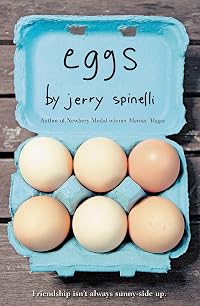
Eggs
by Jerry Spinelli
On This Page
Description
Mourning the loss of his mother, nine-year-old David forms an unlikely friendship with independent, quirky thirteen-year-old Primrose, as the two help each other deal with what is missing in their lives.Tags
Recommendations
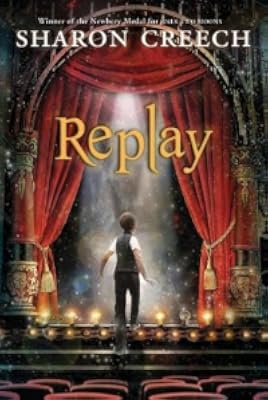
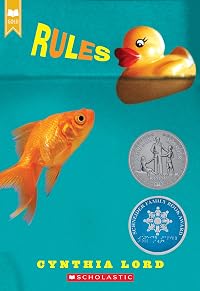
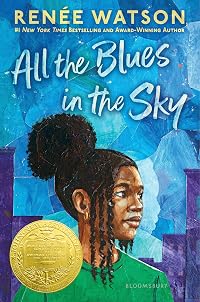
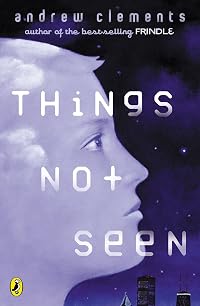

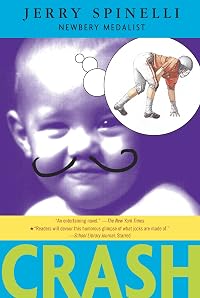
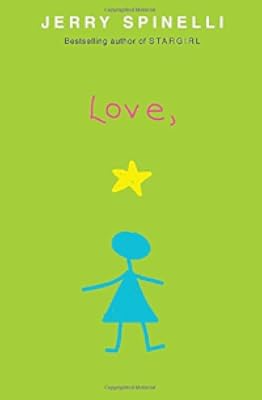
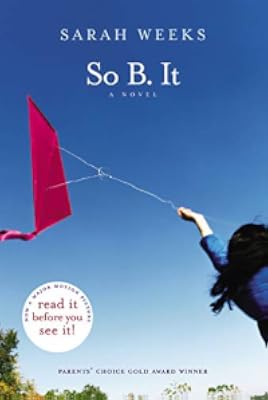
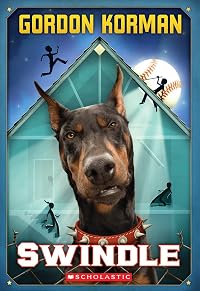
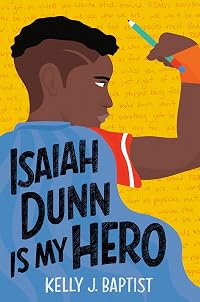
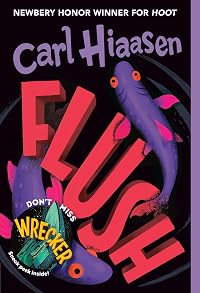
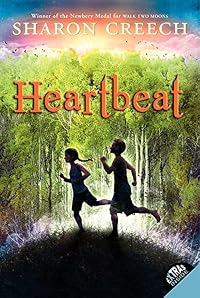
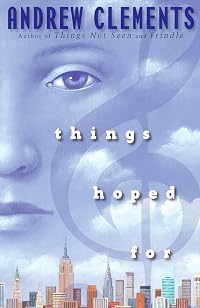


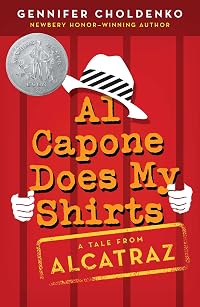
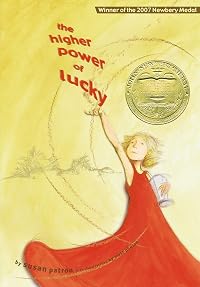
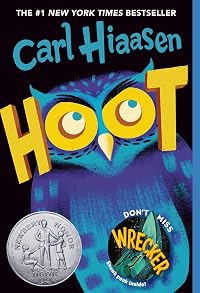
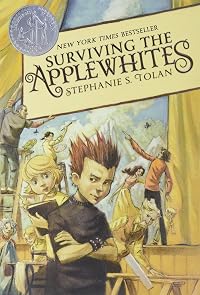
Member Recommendations
Member Reviews
Nine-year-old David has recently lost his mother to a freak accident, his salesman father is constantly on the road, and he is letting his anger out on his grandmother. Sarcastic and bossy 13-year-old Primrose lives with her childlike, fortuneteller mother, and a framed picture is the only evidence of the father she never knew. Despite their differences, David and Primrose forge a tight yet tumultuous friendship, eventually helping each other deal with what is missing in their lives. This powerful, quirky novel about two very complicated, damaged children has much to say about friendship, loss, and recovery.
David—motherless, living with his grandmother, angry, and scared of breaking rules—meets Primrose, a flighty and explosive 13-year-old girl whose mother is an inept fortune teller, in this unique tale on the healing power of friendship. David and Primrose seem to have almost nothing in common, and indeed, their friendship often consists of taunts and arguments more than laughter and comfort. But the two friends bond in inexplicable ways and discover that friends may be just the thing you need when you think you don’t need anything.
Like other Jerry Spinelli books, EGGS gently explores an important theme in a way that’s approachable yet different for readers of all ages. However, EGGS is more on the silly and weird side, rather show more than the heartwrenching and memorable. It’s a quick read that will most likely get the attention of well-read kids looking for something odd. Make of EGGS what you will, as it will most likely mean different things for everyone. show less
Like other Jerry Spinelli books, EGGS gently explores an important theme in a way that’s approachable yet different for readers of all ages. However, EGGS is more on the silly and weird side, rather show more than the heartwrenching and memorable. It’s a quick read that will most likely get the attention of well-read kids looking for something odd. Make of EGGS what you will, as it will most likely mean different things for everyone. show less
This is my first Jerry Spinelli, and I was not disappointed in the simplicity and complexity interwoven in this story. Young David (9) has recently lost his mother and has moved to surburban Philadelphia to live with his grandmother, while his father travels most of the time on business. His grandmother tries to help him cope but his shell remains hardened until he meets 12 year old Primrose, the only child of a fortune-teller, forced to live in a converted van in her yard as her mother's "career" and personal habits have taken over their tiny house. The two forge a tenuous friendship as they explore the possibility of closeness with another while at the same time keeping themselves protected from harm. Both are desparate for intimacy, show more yet so afraid when it gets there, that their friendship often falls apart over seemingly simple arguments.
Eggs are both metaphoric and realistic contrivances used by Spinelli. In their real form, David meets Primrose at an Easter egg hunt, her van home is frequently pelted by vandalizing teens in town, and David tells his grandmother that he doesn't like eggs. Metaphorically, they represent the soul/heart of these two children, whole but yet so fragile, as well as their growing friendship. David asks Primrose in one of their travels if she's rather be hit by a rock or an egg -- the rock is harder and hurts more, but the egg would break but leave goo behind.
I think this story would be good for young teens to explore the concepts of loss, grief, and friendship, and to begin to grasp the concept of metaphor in fiction. Overall, it's a charming story that had me feeling the emptiness of both protagonists. show less
Eggs are both metaphoric and realistic contrivances used by Spinelli. In their real form, David meets Primrose at an Easter egg hunt, her van home is frequently pelted by vandalizing teens in town, and David tells his grandmother that he doesn't like eggs. Metaphorically, they represent the soul/heart of these two children, whole but yet so fragile, as well as their growing friendship. David asks Primrose in one of their travels if she's rather be hit by a rock or an egg -- the rock is harder and hurts more, but the egg would break but leave goo behind.
I think this story would be good for young teens to explore the concepts of loss, grief, and friendship, and to begin to grasp the concept of metaphor in fiction. Overall, it's a charming story that had me feeling the emptiness of both protagonists. show less
An odd title for a very good story. That's one of the things I love about challenges. They often demand that you to pick up books that you may in all likelihood by-pass. This author has a really good handle on troubled kids and tells the story with both heart-felt compassion for these two but also adds a dash of humor to the mix. The plot has many twists and turns as it slowly reveals more and more about each character. It has an unexpected ending which I can only describe as thought provoking.
Eggs by Jerri Spinelli opens with nine-year-old David forced to attend a local Easter egg hunt by his grandmother. David is still grieving his mother's death and does not want to interact with any other children. He is the last to start looking for eggs and because he knows he will not find any in the grassy part of the park he goes into the wooded section. There he finds the body of a girl, lying on her back with an egg in her mouth. He is too frightened to tell anyone about the girl and when he goes back to the park later in the day she is gone. He watches the newspapers and the nightly news, but no mention of the dead girl is ever made.
Several weeks later he accompanies his grandmother to the library where she reads books to groups show more of children. In the back row, apparently asleep, is the dead girl. David screams, the girl screams, the children scream. She gives him a card before she runs away, and several days later he goes to the address on the card to find the girl, Primrose, living in an abandoned van outside of her mother's small home.
Primrose does not have a father; David does not have a mother. The two become friends and slowly reveal their secrets to each other. Primrose resents her mother who is "goofy", wears odd wigs, reads people's palms, sometimes the soles of their feet, for a living. She resents the fact that her mother never read her to sleep which is why she was at the library pretending to be asleep while David's grangmother read to the children. David resents his grandmother who will not scold him or punish him because she believes he has enough to bear. He believes that if he follows ever rule except his grandmothers that his mother will come back and watch the sunrise with him. She had promised to wake him early so they could watch the sunrise together the night she died.
Eggs is not the fun book many of Mr. Spinelli's readers have come to expect. Primrose does have many Stargirl like characteristics: she is decorating the inside of her van and putting flower boxes on the outside for example. She takes David along for the ride on her late night expeditions to find good trash she can sell at the Saturday flee market. But Primrose is no Stargirl--she is mean to David, picks on him because he is four years younger, and she faces the world with a chip on her shoulder, taunting the people at the flee-market who avoid her table. I think that if she met Stargirl she would probably end up starting a fight with her.
David is working through a very complicated grieving process, and it is here that the strength of Eggs lies. David is taking his anger out on his grandmother, whom he openly torments in several scenes. He sees her mopping the kitchen floor and deliberately enters the room and walks all around it from stove to sink to refrigerator for no reason but to bother his grandmother, or so it seems. We learn later that his mother died in an accident--she slipped on a freshly mopped floor that did not have a caution sign on it and fell down a staircase. David is also bargaining, trying to follow every single rule he encounters, which would have saved his mother had the cleaner put up a sign and might bring back his mother, he believes.
Both Primrose and David find resolution in the end of the book, after a misguided attempt to walk from their suburban town to the city along train tracks. Primrose and David help each other accept their situations in an ending is both satisfying and believable.
Eggs is much more grounded in reality than other books Mr. Spinelli has written; it feels much more personal. This may be because the subject matter hit me very close to home. I am not convinced that Mr. Spinelli's younger readers will rank Eggs along Stargirl or Maniac Magee but I am giving it four out of five stars. show less
Several weeks later he accompanies his grandmother to the library where she reads books to groups show more of children. In the back row, apparently asleep, is the dead girl. David screams, the girl screams, the children scream. She gives him a card before she runs away, and several days later he goes to the address on the card to find the girl, Primrose, living in an abandoned van outside of her mother's small home.
Primrose does not have a father; David does not have a mother. The two become friends and slowly reveal their secrets to each other. Primrose resents her mother who is "goofy", wears odd wigs, reads people's palms, sometimes the soles of their feet, for a living. She resents the fact that her mother never read her to sleep which is why she was at the library pretending to be asleep while David's grangmother read to the children. David resents his grandmother who will not scold him or punish him because she believes he has enough to bear. He believes that if he follows ever rule except his grandmothers that his mother will come back and watch the sunrise with him. She had promised to wake him early so they could watch the sunrise together the night she died.
Eggs is not the fun book many of Mr. Spinelli's readers have come to expect. Primrose does have many Stargirl like characteristics: she is decorating the inside of her van and putting flower boxes on the outside for example. She takes David along for the ride on her late night expeditions to find good trash she can sell at the Saturday flee market. But Primrose is no Stargirl--she is mean to David, picks on him because he is four years younger, and she faces the world with a chip on her shoulder, taunting the people at the flee-market who avoid her table. I think that if she met Stargirl she would probably end up starting a fight with her.
David is working through a very complicated grieving process, and it is here that the strength of Eggs lies. David is taking his anger out on his grandmother, whom he openly torments in several scenes. He sees her mopping the kitchen floor and deliberately enters the room and walks all around it from stove to sink to refrigerator for no reason but to bother his grandmother, or so it seems. We learn later that his mother died in an accident--she slipped on a freshly mopped floor that did not have a caution sign on it and fell down a staircase. David is also bargaining, trying to follow every single rule he encounters, which would have saved his mother had the cleaner put up a sign and might bring back his mother, he believes.
Both Primrose and David find resolution in the end of the book, after a misguided attempt to walk from their suburban town to the city along train tracks. Primrose and David help each other accept their situations in an ending is both satisfying and believable.
Eggs is much more grounded in reality than other books Mr. Spinelli has written; it feels much more personal. This may be because the subject matter hit me very close to home. I am not convinced that Mr. Spinelli's younger readers will rank Eggs along Stargirl or Maniac Magee but I am giving it four out of five stars. show less
It all starts with eggs. David was forced by his Grandmother to go on an Easter Egg Hunt because she wanted him to make new friends. He moved not too long ago and doesn't have any. But the main reason is because of his mother. Yes I'm going to get all sad on you now. His mother died less than a year ago. His grandmother tries to replace her he thinks. And he's not having any part of it. At nine he acts a little bit more mature but other times like a little kid. He doesn't obey her rules but he does obey the rules. He has to....
He finds Primrose (I know! Like Katniss's sister!) after he's trying to pick up an egg and discovers underneath it and a whole pile of leaves her. He thinks she's dead. He tells her about himself. I think he talks show more like he has never before to her. He thinks she's dead but finds out later she's alive in a very abrupt way. She ends being very... quirky to say the least. She lives in a van with no wheels and she moved out of her mother's home that looks like a garage. She gets egged all the time which I didn't believe at first but the book doesn't dispute.
They argue like crazy. It's adorable. He scowls she says some witty comment. Or he questions her and she growls. It's a beautiful relationship. But seriously there pain brings them together at a time when they needed someone. David is introduced to Refrigerator John who has a kind of limp I'd guess you'd say. He just laughs at there shenanigans. Well until it goes too far....
The father is kind of nonexistent in this story. He only sees him on the weekends because he works where they used to live which is 200 miles away. He's according to his grandmother "overwhelmed" which means to him less time spent with him.
Jerry Spinelli has done it once again. He has produced two of my favorite books: Maniac Magee and Wringer. I have doubted his other books and I don't know why. I am truly crazy because I absolutely loved this book. There was nothing wrong with at all. It wasn't even cheesy! And yeah I do like some cheesiness but I prefer it not to have cheesiness when dealing with serious subjects such as this book had to deal with.
David's and Primrose's relationship was to die for especially when it was described by Refrigerator John. Damn it Spinelli. Do you like to make me cry or otherwise make me supremely happy!? I think I'm falling in love show less
He finds Primrose (I know! Like Katniss's sister!) after he's trying to pick up an egg and discovers underneath it and a whole pile of leaves her. He thinks she's dead. He tells her about himself. I think he talks show more like he has never before to her. He thinks she's dead but finds out later she's alive in a very abrupt way. She ends being very... quirky to say the least. She lives in a van with no wheels and she moved out of her mother's home that looks like a garage. She gets egged all the time which I didn't believe at first but the book doesn't dispute.
They argue like crazy. It's adorable. He scowls she says some witty comment. Or he questions her and she growls. It's a beautiful relationship. But seriously there pain brings them together at a time when they needed someone. David is introduced to Refrigerator John who has a kind of limp I'd guess you'd say. He just laughs at there shenanigans. Well until it goes too far....
The father is kind of nonexistent in this story. He only sees him on the weekends because he works where they used to live which is 200 miles away. He's according to his grandmother "overwhelmed" which means to him less time spent with him.
Jerry Spinelli has done it once again. He has produced two of my favorite books: Maniac Magee and Wringer. I have doubted his other books and I don't know why. I am truly crazy because I absolutely loved this book. There was nothing wrong with at all. It wasn't even cheesy! And yeah I do like some cheesiness but I prefer it not to have cheesiness when dealing with serious subjects such as this book had to deal with.
David's and Primrose's relationship was to die for especially when it was described by Refrigerator John. Damn it Spinelli. Do you like to make me cry or otherwise make me supremely happy!? I think I'm falling in love show less
Reviewed by Lynn Crow for TeensReadToo.com
EGGS is a novel of lost souls--a boy who has lost his mother and a girl who wishes she could lose hers, both who more than anything need a human connection. For David and Primrose, that's easier said than done.
As their awkward friendship develops from a strange meeting during an Easter egg hunt to late-night worm catching and finally a trek along a railway line, they badger each other and fight and eventually find a sort of peace.
Most of the chapters focus on David, who is a hard character to like. Since the death of his mother, he has been obsessed with rules and rigidity. He turns the cold shoulder on his caring grandmother and deliberately provokes her, as well as pushing away any other kids' show more attempts at friendship. However, as he spends time with Primrose, who both fascinates him and angers him, her big-sisterly influence starts to soften him up. The way he deals with his pain and slowly comes to terms with it is heartbreaking and believable.
The novel is more about revealing the characters and watching them interact and develop than any specific event. Its slow, contemplative pace will appeal to thoughtful readers. But this book isn't a downer--between the spats and the melancholy moments there's plenty of humor to be had. The descriptions of the town are colorful, and the well-developed minor characters add extra life to the story.
Anyone who has lost a parent or been estranged from one will find much to relate to in EGGS. It hits readers with every emotion possible, from despair to hope, and entertains them along the way. show less
EGGS is a novel of lost souls--a boy who has lost his mother and a girl who wishes she could lose hers, both who more than anything need a human connection. For David and Primrose, that's easier said than done.
As their awkward friendship develops from a strange meeting during an Easter egg hunt to late-night worm catching and finally a trek along a railway line, they badger each other and fight and eventually find a sort of peace.
Most of the chapters focus on David, who is a hard character to like. Since the death of his mother, he has been obsessed with rules and rigidity. He turns the cold shoulder on his caring grandmother and deliberately provokes her, as well as pushing away any other kids' show more attempts at friendship. However, as he spends time with Primrose, who both fascinates him and angers him, her big-sisterly influence starts to soften him up. The way he deals with his pain and slowly comes to terms with it is heartbreaking and believable.
The novel is more about revealing the characters and watching them interact and develop than any specific event. Its slow, contemplative pace will appeal to thoughtful readers. But this book isn't a downer--between the spats and the melancholy moments there's plenty of humor to be had. The descriptions of the town are colorful, and the well-developed minor characters add extra life to the story.
Anyone who has lost a parent or been estranged from one will find much to relate to in EGGS. It hits readers with every emotion possible, from despair to hope, and entertains them along the way. show less
Members
- Recently Added By
Lists

Overdue Podcast
808 works; 9 members
Author Information

66+ Works 60,877 Members
Jerry Spinelli was born in Norristown, Pennsylvania on February 1, 1941. He received a bachelor's degree from Gettysburg College and a master's degree from Johns Hopkins University. He worked as an editor with Chilton from 1966 to 1989. He launched his career in children's literature with Space Station 7th Grade in 1982. He has written over 30 show more books including The Bathwater Gang, Picklemania, Stargirl, Milkweed, and Mama Seeton's Whistle. In 1991, he won the Newbery Award for Maniac Magee. In 1998, Wringer was named a Newbery Honor book. (Bowker Author Biography) show less
Some Editions
Awards and Honors
Common Knowledge
- Canonical title
- Eggs
- Original title
- Eggs
- Original publication date
- 2007
- Dedication
- To my Gettysburg College classmates 1963
- First words
- "I don't even like eggs" David said.
- Last words
- (Click to show. Warning: May contain spoilers.)The great, lumpy black-and-white polka-dotted beanbag wobbled toward the house.
Classifications
- Genres
- Kids, Tween, Fiction and Literature, Children's Books
- DDC/MDS
- 813.54 — Literature & rhetoric American literature in English American fiction in English 1900-1999 1945-1999
- LCC
- PZ7 .S75663 .E — Language and Literature Fiction and juvenile belles lettres Fiction and juvenile belles lettres Juvenile belles lettres
- BISAC
Statistics
- Members
- 1,766
- Popularity
- 12,472
- Reviews
- 52
- Rating
- (3.55)
- Languages
- English, French, German, Italian
- Media
- Paper, Audiobook, Ebook
- ISBNs
- 40
- ASINs
- 5