

American Children (Springs Mills series on the art of photography)
by Susan Kismaric
On This Page
Description
In American Children sixty photographs from the collection of The Museum of Modern Art provide a historical survey of the changing concept of childhood as reflected in American photography from the middle of the nineteenth century to 1978. "Photographs of children reveal perceptible differences from one generation to the next., differences that go beyond those of dress or style, for each photographer's own personal beliefs--and those of his society--are an intimate part of what is expressed show more in the photograph. 'While mid-nineteenth-century photographers sought in their young subjects and absence of feeling, their children mirroring innocence and purity,' writes author Susan Kismaric, 'today's photographers would discard the same posed, idealistic representations in favor of images that express the individual child--and the photographer as well.' And so, she concludes, photographs of children are more than descriptions of children: they become metaphors of adulthood. In American Children sixty photographs from the collection of The Museum of Modern Art provide a historical survey of the changing concept of childhood as reflected in American photography from the middle of the nineteenth century to 1978. Photographs taken during the 1840s, 50s, and 60s capture the Victorian sense of the child as a solemn miniature adult. As the expressive capabilities of the medium developed, the Photo-Secessionists idealized children in settings of complete harmony and beauty, while social reformers such as Lewis Hine and Jacob Riis documented the deplorable conditions of the urban slum children. During the 1920s there was a concern with beauty of form, as evidenced in Edward Weston's photographs of his son Neil, while the Farm Security Administration photographers of the 1930s portrayed young victims of the Depression. In the 1940s, equipped with a smaller camera and faster film, street photographers such as Helen Levitt captured the private fantasies of city children at play. The postwar years brought a renewal of family values and a new approach to photographing children; it also resulted in an increasing awareness of adolescent sexuality and of childhood as a complex psychological period. This book confirms that photographing children remains special, as the author states, 'for children still live out their fantasies as part of their reality, and sensitive adult photographers share this proclivity. Because they keep alive the child in themselves, they understand and can capture the elements of fantasy in the child's subtle and fleeting array of gestures and movements."--Book jacket show lessTags
Recommendations



























Member Reviews
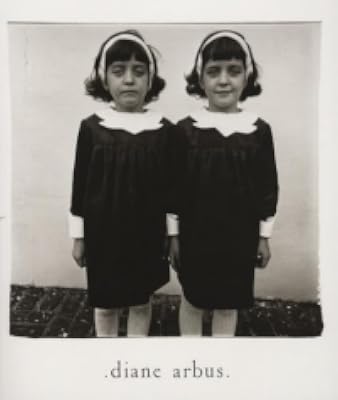
A selection of photographs from the collection of the Museum of Modern Art featuring children as the subject, ranging from the mid-19th century to 1978. The photographs are of consistent high quality and interest, and some extremely compelling. Photographers include Diane Arbus, Walker Evans, Dorothea Lange and Edward Weston, among many others.
Ratings
Members
- Recently Added By
Author Information
12 Works 245 Members
Classifications
Statistics
- Members
- 38
- Popularity
- 761,640
- Reviews
- 1
- Rating
- (3.50)
- Languages
- English
- Media
- Paper
- ISBNs
- 3


