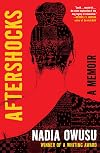
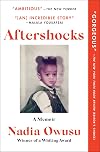
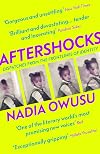
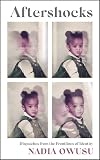
Aftershocks: A Memoir
by Nadia Owusu
On This Page
Description
"Nadia Owusu grew up all over the world--from Rome and London to Dar-es-Salaam and Kampala. When her mother abandoned her when she was two years old, the rejection caused Nadia to be confused about her identity. Even after her father died when she was thirteen and she was raised by her stepmother, she was unable to come to terms with who she was since she still felt motherless and alone. When Nadia went to university in America when she was eighteen she still felt as if she had so many show more competing personas that she couldn't keep track of them all without cracking under the pressure of trying to hold herself together. A powerful coming-of-age story that explores timely and universal themes of identity, Aftershocks follows Nadia's life as she hauls herself out of the wreckage and begins to understand that the only ground firm enough to count on is the one she writes into existence"-- show lessTags
Recommendations











Member Reviews
In countless ways and for countless reasons, I loved growing up in many countries, among many cultures. It made it impossible for me to believe in the concept of supremacy. It deepened my ability to hold multiple truths at once, to practice and nurture empathy. But it has also meant that I have no resting place. I have perpetually been a them rather than an us. I have struggled with how to place myself in my family histories.
I initially picked up this memoir by the far-too-young-to-be-writing-memoirs Nadia Owusu, because she had spent her childhood living in different places. Her father worked for the UN and so the family was posted to places like Italy, Tanzania and Ethiopia. I was initially interested in her experience of living a show more childhood moving from place to place. And she describes that world beautifully, the experience of living in a privileged bubble even in the center of countries being torn apart by war and famine, of never feeling centered in one place. But there's a lot more to this memoir than that; her parents, one Ghanaian, one Armenian-American, divorced when she was young and her mother only visited sporadically and briefly, and when her father died when Owusu was fourteen, her mother refused to take her and her younger sister in, leaving them with their stepmother, a woman with whom Owusu had a contentious relationship.
Owusu ends up, like so many rootless people, in New York. Despite her privileged childhood, she is struggling to get by and running up against the harsh realities of the American dream and her own unresolved trauma from being constantly abandoned. There's a lot of uncomfortable honesty in this memoir and if Owusu doesn't exactly emerge in a secure space, there's the feeling that she will probably manage to find her way. I look forward to seeing what she writes next. show less
I initially picked up this memoir by the far-too-young-to-be-writing-memoirs Nadia Owusu, because she had spent her childhood living in different places. Her father worked for the UN and so the family was posted to places like Italy, Tanzania and Ethiopia. I was initially interested in her experience of living a show more childhood moving from place to place. And she describes that world beautifully, the experience of living in a privileged bubble even in the center of countries being torn apart by war and famine, of never feeling centered in one place. But there's a lot more to this memoir than that; her parents, one Ghanaian, one Armenian-American, divorced when she was young and her mother only visited sporadically and briefly, and when her father died when Owusu was fourteen, her mother refused to take her and her younger sister in, leaving them with their stepmother, a woman with whom Owusu had a contentious relationship.
Owusu ends up, like so many rootless people, in New York. Despite her privileged childhood, she is struggling to get by and running up against the harsh realities of the American dream and her own unresolved trauma from being constantly abandoned. There's a lot of uncomfortable honesty in this memoir and if Owusu doesn't exactly emerge in a secure space, there's the feeling that she will probably manage to find her way. I look forward to seeing what she writes next. show less
This was a tough read. The writing is really good, almost poetic though the earthquake theme was laid on a bit too heavily. But though the author did have some trauma in her life, I’ve read memoirs from people with far more tragic stories that didn’t feel too self pitying like this one did. Still, the writing is strong thus my four star rating.
This author shares a mixed-race family background with Barack Obama and Kamala Harris, all with African fathers. In her case, her father Osei, an Ghanaian-American diplomat, became her primary parent when her mother, an Armenian-American from Watertown, MA, abandoned Nadia and her younger sister when they were small. With her father and stepmother, she lived in England, Tanzania, Ethiopia, Ghana, Italy, and Uganda while she was growing up. After her father died, Nadia expected that her birth mother Almas would bring her to the US to join her new family, but being rejected on the heels of her beloved father's death led to trauma and a permanent feeling of abandonment. In each home, there were loving family and friends for help and show more support, but that never made up for the fundamental losses. The book is set up to reflect the stages of earthquakes, as Nadia see her life as a series of constant eruptions of tragedies to be borne, at a cost that seems too high at times. Her narrative includes many examples of blatant racism and colorism (being judged by the whitest complexion) and one of the most horrifyingly vivid scenes involves her nightmare of the death of her younger brother, so strongly told that the reader feels true relief when it is revealed as a most terrible dream. In each country Nadia lives, being Black means something different, even in Africa.
Quotes: "We feel that our voices are who we are, and that to have more than one represents, at worst, the loss of our very souls." - Zadie Smith
"A story is a flashlight and a weapon."
"People in former European colonies must see their lives in relation to the lives of white people. Our economies are reliant on Western economics, white people's livelihoods."
"I did not stop trying to be twice as good. I would not known how to stop." show less
Quotes: "We feel that our voices are who we are, and that to have more than one represents, at worst, the loss of our very souls." - Zadie Smith
"A story is a flashlight and a weapon."
"People in former European colonies must see their lives in relation to the lives of white people. Our economies are reliant on Western economics, white people's livelihoods."
"I did not stop trying to be twice as good. I would not known how to stop." show less
Nadia Owusu is the daughter of a Ghanaian father and an Armenian American mother. When she was two, her mother abandoned her family and only occasionally reappeared. Nadia's father, a United Nations official, remarried. In addition to the two daughters he had with his first wife, he had a son with his second wife. When Nadia was 13, her father died of cancer. Nadia and her siblings opted to stay with Anabel, Nadia's stepmother, although Nadia and her younger sister Yasmeen's relationship with Anabel was complicated, to say the least.
Years later, during an argument, Anabel told Nadia that her father hadn't died of cancer, but rather of AIDS. Nadia was left feeling like the foundations of her life, already filled with cracks, were dashed show more to pieces. Her father, who she'd always felt closest to and who she'd put on a pedestal, had potentially had secrets she didn't know about. Throughout the book, Nadia examines her relationship with her father, the things he told her, and the various other "aftershocks" of her life.
I had no idea what to expect when I started this. I didn't know anything about Owusu or what sorts of topics her memoir would touch on. While examining her relationship with her father, Owusu wrote about the Ashanti and Ghanaian history her father taught her, her childhood experiences in the various often dangerous places her father was stationed, and what it was like growing up feeling like she wasn't a native of anywhere in particular. She wrote about code-switching (or whatever the cultural version of it is called), trying to fit in. She also wrote about abuse (sexual and other) she experienced throughout her teen years, and her struggles with her mental health as an adult.
This was all over the place, sometimes fascinating and sometimes horrifying. Owusu occasionally threw out horrific little details like they were perfectly normal, like the fact that Anabel used to punish her and Yasmeen by withholding food and locking them outside overnight. Owusu's memoir wasn't chronological, and it had a tendency to feel like a bunch of stitched together essays that she tried to tie together with her "earthquake" and "blue chair" metaphors.
At times, reading this felt uncomfortably like stumbling into someone's private therapy session - I legitimately didn't feel like I should have been reading some of this, like I'd accidentally found the author's diary or something.
Owusu's life and experiences were very different from mine, but I could relate to more of the things she grappled with than I expected. Her relationship with her father, for instance, prompted me to think about my own relationship with my mother and father.
Although it was a bit of a messy read, there was a lot to chew on here. I doubt I'd have read this on my own, but it made a good book club read.
(Original review posted on A Library Girl's Familiar Diversions.) show less
Years later, during an argument, Anabel told Nadia that her father hadn't died of cancer, but rather of AIDS. Nadia was left feeling like the foundations of her life, already filled with cracks, were dashed show more to pieces. Her father, who she'd always felt closest to and who she'd put on a pedestal, had potentially had secrets she didn't know about. Throughout the book, Nadia examines her relationship with her father, the things he told her, and the various other "aftershocks" of her life.
I had no idea what to expect when I started this. I didn't know anything about Owusu or what sorts of topics her memoir would touch on. While examining her relationship with her father, Owusu wrote about the Ashanti and Ghanaian history her father taught her, her childhood experiences in the various often dangerous places her father was stationed, and what it was like growing up feeling like she wasn't a native of anywhere in particular. She wrote about code-switching (or whatever the cultural version of it is called), trying to fit in. She also wrote about abuse (sexual and other) she experienced throughout her teen years, and her struggles with her mental health as an adult.
This was all over the place, sometimes fascinating and sometimes horrifying. Owusu occasionally threw out horrific little details like they were perfectly normal, like the fact that Anabel used to punish her and Yasmeen by withholding food and locking them outside overnight. Owusu's memoir wasn't chronological, and it had a tendency to feel like a bunch of stitched together essays that she tried to tie together with her "earthquake" and "blue chair" metaphors.
At times, reading this felt uncomfortably like stumbling into someone's private therapy session - I legitimately didn't feel like I should have been reading some of this, like I'd accidentally found the author's diary or something.
Owusu's life and experiences were very different from mine, but I could relate to more of the things she grappled with than I expected. Her relationship with her father, for instance, prompted me to think about my own relationship with my mother and father.
Although it was a bit of a messy read, there was a lot to chew on here. I doubt I'd have read this on my own, but it made a good book club read.
(Original review posted on A Library Girl's Familiar Diversions.) show less
I found this memoir to be wisely and empathetically written and original in its approach as Owusu uses hurricane terms to explore central events in her life.
Owusu perfectly captures the complexities of being herself, the dichotomy of her roles within her family, and anxieties of expectations and responsibilities.
During Owusu’s childhood many moves, abandonment by her mother, and an uneasy relationship with her stepmother was bearable because of the loving and guiding light of her unfaltering father. Her life becomes unsettled at fourteen as her father dies and an explosive revelation by her stepmother has her reeling where is her “home”, culmination in a nervous breakdown in her early 20s.
The journey of her life is intimate, show more wistful, and uplifting and provides for rewarding and heartfelt read. show less
Owusu perfectly captures the complexities of being herself, the dichotomy of her roles within her family, and anxieties of expectations and responsibilities.
During Owusu’s childhood many moves, abandonment by her mother, and an uneasy relationship with her stepmother was bearable because of the loving and guiding light of her unfaltering father. Her life becomes unsettled at fourteen as her father dies and an explosive revelation by her stepmother has her reeling where is her “home”, culmination in a nervous breakdown in her early 20s.
The journey of her life is intimate, show more wistful, and uplifting and provides for rewarding and heartfelt read. show less
Aftershocks, Nadia Owuso, author; Kathleen Cook and Kathleen Conte, narrators.
This is a well written, lyrical memoir that moves back and forth in time as it suits the author’s purpose. Like an earthquake, the book’s message will reverberate through the reader as the author tries to illuminate the problems that shook her life and to explain how she reconciles with those with whom she has broken ties that now need to be mended. As she describes the events in her life, she reveals little pieces of history that had a traumatic influence on her, an earthquake in Armenia, 9/11 in Manhattan, the Aids epidemic in Africa, her Ghanaian heritage, attending school in England, the Armenian genocide, the Ashanti slave trade, living through show more political upheaval in Ethiopia, living in Uganda, Tasmania and Italy, witnessing the difference between the haves and the have- nots and the way each were treated, and visiting and learning about the historic world landmarks, and more.
Nadia had a very interesting, but troubled life. She was born in Tasmania. Her mother is an American Armenian and her father is from Ghana. They are an interracial couple. Nadia looks like her mother, but has the skin color of her father. People question her origin and identity, forcing her to deal with the wrath of racism from an early age before she was emotionally mature enough to deal with it or understand it. Is anyone ever prepared to deal with that behavior?
When she was abandoned by her mother, she was raised by her father, Osei, whom she adored and idolized. When he was forced to travel for his job with the United Nations, he sent Nadia and her sister Yasmeen to live with relatives in England. When Osei married Anabel, Nadia and her sister were returned to his care. Soon her brother Kwame was born. Nadia resented Anabel because she wanted her father all to herself.
The family lived in many places because of her father’s work, requiring Nadia to adjust to the moves. Often, she resented his absence. Nadia wondered why she was a different color than her mother, her school friends did as well. She questioned her own identity. She struggled as she learned that the way she spoke could often determine how she was received. If she spoke with her English accent, like an educated White person, the reception was more positive. She called choosing a manner of speech, code-switching.
At school, when she was one of only two black girls, she wanted to be accepted and so went along with the white, popular group, although they were cruel to Agatha the only other black student. She was not as cultured and she had no family close by to support her. Later, Nadia was ashamed of her own cruelty. She struggled with feelings of resentment often. When she was rejected, she often blamed it on her race and her mother or step-mother.
The author admits that her description of the events in her life may be out of order and even possibly embellished by an imagination with a mind of its own or perhaps, a misrepresented memory. She is often concerned about her own behavior, questions the actions of her ancestors and finds it hard to trust relationships with others. Although she is honest about the racist events in her life, she also is one of the few authors that has placed some blame for slavery on Africans. She explains that the slave trade in Africa flourished as the British and the Ashanti Tribe began to trade goods for the humans that the Ashantis hunted and captured to sell to them
I was so impressed with this writer’s openness and introspection as she analyzes her behavior and that of others. As she matures and begins to understand more about the trauma she experienced and the hardships she witnessed, that were imposed on those she was close to, she grows and becomes more mature. As she describes her effort to flourish in a world that does not always welcome her, she remembers the incidents in her life that shaped her behavior and beliefs. She discovers that she too has the same faults she may accuse others of having. Sometimes, she also prejudges or behaves terribly to be accepted. As Nadia’s love for her father Osei, becomes almost an obsession, it causes a rift between her stepmother and herself. After her father’s death, she also rejects her birth mother because she not only abandoned her and moved to America to begin a new life with a new husband and a new family, but she refused to take Nadia and her sister when their father, her ex-husband, died. Still, slowly, with therapy and maturity, Nadia is beginning to mature and work through her fears, insecurities and prejudices.
Because of the nature of my husband’s work, I moved around a lot also, although it was within the United States. My children were sometimes put out, but we were lucky since our family stayed intact. All my children had to figure out was, “where was home”? They decided that home was wherever we were all together; wherever we lived was home. The place did not matter, being together did. As Nadia discovers that, she begins to come of age, make amends and renew old relationships she had let die. show less
This is a well written, lyrical memoir that moves back and forth in time as it suits the author’s purpose. Like an earthquake, the book’s message will reverberate through the reader as the author tries to illuminate the problems that shook her life and to explain how she reconciles with those with whom she has broken ties that now need to be mended. As she describes the events in her life, she reveals little pieces of history that had a traumatic influence on her, an earthquake in Armenia, 9/11 in Manhattan, the Aids epidemic in Africa, her Ghanaian heritage, attending school in England, the Armenian genocide, the Ashanti slave trade, living through show more political upheaval in Ethiopia, living in Uganda, Tasmania and Italy, witnessing the difference between the haves and the have- nots and the way each were treated, and visiting and learning about the historic world landmarks, and more.
Nadia had a very interesting, but troubled life. She was born in Tasmania. Her mother is an American Armenian and her father is from Ghana. They are an interracial couple. Nadia looks like her mother, but has the skin color of her father. People question her origin and identity, forcing her to deal with the wrath of racism from an early age before she was emotionally mature enough to deal with it or understand it. Is anyone ever prepared to deal with that behavior?
When she was abandoned by her mother, she was raised by her father, Osei, whom she adored and idolized. When he was forced to travel for his job with the United Nations, he sent Nadia and her sister Yasmeen to live with relatives in England. When Osei married Anabel, Nadia and her sister were returned to his care. Soon her brother Kwame was born. Nadia resented Anabel because she wanted her father all to herself.
The family lived in many places because of her father’s work, requiring Nadia to adjust to the moves. Often, she resented his absence. Nadia wondered why she was a different color than her mother, her school friends did as well. She questioned her own identity. She struggled as she learned that the way she spoke could often determine how she was received. If she spoke with her English accent, like an educated White person, the reception was more positive. She called choosing a manner of speech, code-switching.
At school, when she was one of only two black girls, she wanted to be accepted and so went along with the white, popular group, although they were cruel to Agatha the only other black student. She was not as cultured and she had no family close by to support her. Later, Nadia was ashamed of her own cruelty. She struggled with feelings of resentment often. When she was rejected, she often blamed it on her race and her mother or step-mother.
The author admits that her description of the events in her life may be out of order and even possibly embellished by an imagination with a mind of its own or perhaps, a misrepresented memory. She is often concerned about her own behavior, questions the actions of her ancestors and finds it hard to trust relationships with others. Although she is honest about the racist events in her life, she also is one of the few authors that has placed some blame for slavery on Africans. She explains that the slave trade in Africa flourished as the British and the Ashanti Tribe began to trade goods for the humans that the Ashantis hunted and captured to sell to them
I was so impressed with this writer’s openness and introspection as she analyzes her behavior and that of others. As she matures and begins to understand more about the trauma she experienced and the hardships she witnessed, that were imposed on those she was close to, she grows and becomes more mature. As she describes her effort to flourish in a world that does not always welcome her, she remembers the incidents in her life that shaped her behavior and beliefs. She discovers that she too has the same faults she may accuse others of having. Sometimes, she also prejudges or behaves terribly to be accepted. As Nadia’s love for her father Osei, becomes almost an obsession, it causes a rift between her stepmother and herself. After her father’s death, she also rejects her birth mother because she not only abandoned her and moved to America to begin a new life with a new husband and a new family, but she refused to take Nadia and her sister when their father, her ex-husband, died. Still, slowly, with therapy and maturity, Nadia is beginning to mature and work through her fears, insecurities and prejudices.
Because of the nature of my husband’s work, I moved around a lot also, although it was within the United States. My children were sometimes put out, but we were lucky since our family stayed intact. All my children had to figure out was, “where was home”? They decided that home was wherever we were all together; wherever we lived was home. The place did not matter, being together did. As Nadia discovers that, she begins to come of age, make amends and renew old relationships she had let die. show less
Jumpy: that's how I'd describe this. And maybe that was a choice, a way of portraying the mental illness with which the author struggled, but I found it made it difficult to connect with her. Owusu also did the thing that irritates me, that I'm seeing more and more often lately, which is to write scenes in which the narrator or main character makes poor or unexpected choices without delving into what they're thinking. If I'm sitting there asking, "But why did they do that?" it makes me feel frustrated. Even just saying that they didn't know why they were making that choice would be better than suddenly writing like an outside observer with no mental or emotional connection to the scene.
The history was interesting, as it related to the show more memoir, but I also found that the longer historical passages took me out of the narrative and made it hard to rejoin. Owusu did a good job describing her breakdown, and I can't fault an actual memoir for the fact that it wrapped up so jarringly quickly and with no mention of what happened after that "recovery," when she came out of what really sounded to the reader like a manic episode.
Beautiful writing, but the book didn't work for me. show less
The history was interesting, as it related to the show more memoir, but I also found that the longer historical passages took me out of the narrative and made it hard to rejoin. Owusu did a good job describing her breakdown, and I can't fault an actual memoir for the fact that it wrapped up so jarringly quickly and with no mention of what happened after that "recovery," when she came out of what really sounded to the reader like a manic episode.
Beautiful writing, but the book didn't work for me. show less
Members
- Recently Added By
Lists

Non-fiction
55 works; 1 member

Obama Reads
181 works; 3 members

Books recommended by Barack Obama
295 works; 28 members
Author Information
2+ Works 339 Members
Nadia Owusu is a Brooklyn-based writer and urban planner. She is the recipient of a 2019 Whiting Award. Her lyric essay So Devilish a Fire won the Atlas Review chapbook contest. Her writing has appeared or is forthcoming in the New York Times, the Wall Street Journal, Granta, The Guardian, Bon Apptit, Electric Literature, The Paris Review Daily, show more and Catapult. Aftershocks is her first book. show less
Awards and Honors
Awards
Distinctions
Common Knowledge
- Original publication date
- 2021-01-12
Classifications
- Genres
- Biography & Memoir, Nonfiction
- DDC/MDS
- 305.48 — Society, government, & culture Social sciences, sociology & anthropology Social group - Age, Gender, Ethnicity Women Specific groups of women
- LCC
- E184 .A1 .O94 — History of the United States United States Elements in the population Afro-Americans
- BISAC
Statistics
- Members
- 338
- Popularity
- 93,422
- Reviews
- 13
- Rating
- (3.55)
- Languages
- Dutch, English, Swedish
- Media
- Paper, Audiobook, Ebook
- ISBNs
- 17
- ASINs
- 2