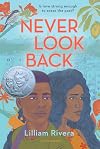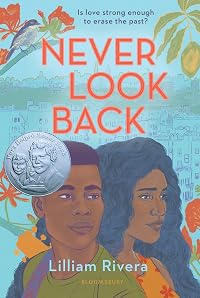
Never Look Back
by Lilliam Rivera
On This Page
Description
A modern retelling of the myth, Orpheus and Eurydice, in which Eury leaves Puerto Rico for the Bronx, haunted by losing all to Hurricane Maria and by evil spirit Ato, and meets a bachata-singing charmer, Pheus.Tags
Recommendations









Member Reviews
" Puerto Rico is not a cursed island meant to be repeatedly ravished, be it from hurricanes or corrupt men or demented spirits. If I let her thought nestle into my bones, I will stay complacent. I will accept evil as something warranted. I know I don't deserve this, and neither does my home."- Eury
Firstly, thanks to @bloomsburyya and @lilliamr for this gifted copy. Never Look Back completely gutted me. I finished it last week but I still can't find the words to express how beautiful this story was. It was poetic, insightful, inspiring, haunting yet hopeful and magical. The fact that this book was a ode to my beautiful homeland, Puerto Rico and a reminder of its resilience brought literal tears to my eyes. I sat in silence when it was show more over and cried my eyes out and then I smiled because it was so cathartic and gave me newfound hope. This releases tomorrow, the first day of Latinx Heritage Month and what a way to start the celebration.
What I loved the most:
● authentic Afro-Latinx representation
● mental health awareness
● celebration of Puerto Rican culture
● cleverly woven NYC history and U.S.- Puerto Rico relations/ colonial history
● magical realism and spotlight of our ancestor's spirituality practices
● innocence of first love
● strength of Puerto Rican people, especially families
● resilience of Puerto Ricans
● refreshing, contemporary take on a Greek retelling
● reclaiming of our narrative
● case study of grief and healing
● highlights the power of love and faith
I am forever grateful that this book exists, that it speaks to who my people are and it celebrates how far we have come despite our devastating losses. It reminds me that I am a descendent of greatness and that when I feel hopeless and weak, I can tap into the spirit of my ancestors for lessons about life and resilience. My biggest take away is that grief will haunt you and steal your joy if you don't confront it head on. Bookdragon rates it 🔥🔥🔥🔥🔥 show less
Firstly, thanks to @bloomsburyya and @lilliamr for this gifted copy. Never Look Back completely gutted me. I finished it last week but I still can't find the words to express how beautiful this story was. It was poetic, insightful, inspiring, haunting yet hopeful and magical. The fact that this book was a ode to my beautiful homeland, Puerto Rico and a reminder of its resilience brought literal tears to my eyes. I sat in silence when it was show more over and cried my eyes out and then I smiled because it was so cathartic and gave me newfound hope. This releases tomorrow, the first day of Latinx Heritage Month and what a way to start the celebration.
What I loved the most:
● authentic Afro-Latinx representation
● mental health awareness
● celebration of Puerto Rican culture
● cleverly woven NYC history and U.S.- Puerto Rico relations/ colonial history
● magical realism and spotlight of our ancestor's spirituality practices
● innocence of first love
● strength of Puerto Rican people, especially families
● resilience of Puerto Ricans
● refreshing, contemporary take on a Greek retelling
● reclaiming of our narrative
● case study of grief and healing
● highlights the power of love and faith
I am forever grateful that this book exists, that it speaks to who my people are and it celebrates how far we have come despite our devastating losses. It reminds me that I am a descendent of greatness and that when I feel hopeless and weak, I can tap into the spirit of my ancestors for lessons about life and resilience. My biggest take away is that grief will haunt you and steal your joy if you don't confront it head on. Bookdragon rates it 🔥🔥🔥🔥🔥 show less
I enjoyed reading Never Look Back with its New York setting and fun characters. Now, I’m not familiar with most Greek mythology, so any parallels and references were lost to me. Some of the dialogue is the slightest bit corny, but it’s definitely New Yorker slang. I think it just sounds more natural when you hear it, y’know. Just curious, y’all New Yorkers, still saying homeboy?
Anyway, the story touches on a lot of things, but it didn’t feel clunky to me. Prince’s music and the evil (and beauty) of humans are both recurring themes. I thought it was an interesting, though strange, choice to keep capitalizing Black in place of African-American/black-American. I get it though because black can be a colloquial nickname for the show more ethnicity.
The narrative acknowledges hope and resilience can be a very powerful thing, especially as it relates to Puerto Rico as Eury feels untethered from her island. She’s seen the destruction and rebuilding that needs to take place, and she’s tired of people questioning why she and others haven’t done anything about it. I also, LOVE the conversations about balancing faith, therapy, and medication. Those could be a good trio, if you’re open to it.
When it comes to characters, I like when they aren’t just black and white. For example, Melaina was catty and #TooMuch but not evil. She had a bit more depth than just the jealous mean girl. Orpheus/Pheus was bland, just a charming dude with a voice of silk, until he started trying to protect Eury. One of my favorite characters was Pheus’s worldly and spiritual dad. He wasn’t the usual, hot Latin-dude stereotype, so I thought he was refreshing. His and Pheus’ father-son connection was heartwarming. “Be safe. Don’t be stupid.”
Every moment of the Ato conflict was great. I was questioning Ato’s existence and other things too. The second half of the story definitely amps up the supernatural. Now, there is an uncomfortable scene where a man has intent to sexually-harass and/or assault a character, but the majority of this book wasn’t dark. The story’s actually fast-paced, which is something I personally like.
Overall, the ending was fitting and ultimately subverted my expectations. I’m interested in reading more from this author.
3.5 show less
Anyway, the story touches on a lot of things, but it didn’t feel clunky to me. Prince’s music and the evil (and beauty) of humans are both recurring themes. I thought it was an interesting, though strange, choice to keep capitalizing Black in place of African-American/black-American. I get it though because black can be a colloquial nickname for the show more ethnicity.
The narrative acknowledges hope and resilience can be a very powerful thing, especially as it relates to Puerto Rico as Eury feels untethered from her island. She’s seen the destruction and rebuilding that needs to take place, and she’s tired of people questioning why she and others haven’t done anything about it. I also, LOVE the conversations about balancing faith, therapy, and medication. Those could be a good trio, if you’re open to it.
When it comes to characters, I like when they aren’t just black and white. For example, Melaina was catty and #TooMuch but not evil. She had a bit more depth than just the jealous mean girl. Orpheus/Pheus was bland, just a charming dude with a voice of silk, until he started trying to protect Eury. One of my favorite characters was Pheus’s worldly and spiritual dad. He wasn’t the usual, hot Latin-dude stereotype, so I thought he was refreshing. His and Pheus’ father-son connection was heartwarming. “Be safe. Don’t be stupid.”
Every moment of the Ato conflict was great. I was questioning Ato’s existence and other things too. The second half of the story definitely amps up the supernatural. Now, there is an uncomfortable scene where a man has intent to sexually-harass and/or assault a character, but the majority of this book wasn’t dark. The story’s actually fast-paced, which is something I personally like.
Overall, the ending was fitting and ultimately subverted my expectations. I’m interested in reading more from this author.
3.5 show less
I found this audiobook on my Sora shelf. I downloaded it from audiobooksync, but I have no idea which year that I did. I think the title is all wrong--just want to get that out there.
Eury survived the destruction of her home in Puerto Rico from a terrible hurricane and moved to Tampa, Florida, but she hasn't survived the spirit haunting her. Ato approached Eury the day her father left and became her friend. As she grows up, Eury realizes that Ato represents evil. He abuses her while still telling her he's her only friend. This abuse makes Eury seem crazy to everyone else because no one can see Ato. Her aunt invites her to the Bronx for a few weeks in the summer, hoping time with her cousin will cheer her up. She also wants Eury to see a show more doctor, but Eury's mother does not believe in therapy, thinking drugs are all they want to do. She believes Eury would change with the drugs. Eury hopes Ato won't follow her.
Pheus knows he is talented and has plans for his future that his father probably won't support, but he has his plan and serenades people as a way to pass the time. Pheus's parents are divorced; his father struggles with making ends meet and paying Pheus's mom for child support. He truly loves his son, expecting him to be smart and make good choices. He teaches him about being a good person and supports Pheus's musical talents. Pheus loves singing and playing the guitar, but he wants a more stable career, ignoring his father's insistence that he apply for a music scholarship. Pheus has easy relationships with girls, never serious, knowing that girls are attracted to him. He's matter-of-fact and sure of himself.
When Pheus meets Eury, everything changes for both of them. Eury tries to protect herself, not trusting anyone because of Ato. She really wants to, however. Pheus can't stop thinking about Eury; this has never happened. He recognizes her fear. Only he picks up on her subtle changes when she sees Ato. He helps her escape without asking questions. When she explains Ato to Pheus, Pheus replies that he can only believe what he sees. Problem is--he sees Ato--at least once, briefly. Pheus's music infuses the entire book. Everyone succumbs to his voice. Eury discovers that Pheus understands her and truly wants to help. Can she trust him? Can his music save her?
I enjoyed the story for the most part. I wasn't mesmerized. It was a nice diversion while I was doing tasks. I like magic, but I had trouble making it work with this novel. There's the believer and non-believer, another world of gods, and trying to fight evil in modern society where magic "doesn't" exist. Overall, it's a perfectly fine novel. Messages that we are stronger than we think as we save ourselves as well as we can accept support from others provide the themes. Eury finds herself, finding her strengths. Pheus discovers his plan may need modification--maybe he doesn't know everything about his future or his father. He finds he can be a better person. Still, the title. Read the book and see if you think the title fits. show less
Eury survived the destruction of her home in Puerto Rico from a terrible hurricane and moved to Tampa, Florida, but she hasn't survived the spirit haunting her. Ato approached Eury the day her father left and became her friend. As she grows up, Eury realizes that Ato represents evil. He abuses her while still telling her he's her only friend. This abuse makes Eury seem crazy to everyone else because no one can see Ato. Her aunt invites her to the Bronx for a few weeks in the summer, hoping time with her cousin will cheer her up. She also wants Eury to see a show more doctor, but Eury's mother does not believe in therapy, thinking drugs are all they want to do. She believes Eury would change with the drugs. Eury hopes Ato won't follow her.
Pheus knows he is talented and has plans for his future that his father probably won't support, but he has his plan and serenades people as a way to pass the time. Pheus's parents are divorced; his father struggles with making ends meet and paying Pheus's mom for child support. He truly loves his son, expecting him to be smart and make good choices. He teaches him about being a good person and supports Pheus's musical talents. Pheus loves singing and playing the guitar, but he wants a more stable career, ignoring his father's insistence that he apply for a music scholarship. Pheus has easy relationships with girls, never serious, knowing that girls are attracted to him. He's matter-of-fact and sure of himself.
When Pheus meets Eury, everything changes for both of them. Eury tries to protect herself, not trusting anyone because of Ato. She really wants to, however. Pheus can't stop thinking about Eury; this has never happened. He recognizes her fear. Only he picks up on her subtle changes when she sees Ato. He helps her escape without asking questions. When she explains Ato to Pheus, Pheus replies that he can only believe what he sees. Problem is--he sees Ato--at least once, briefly. Pheus's music infuses the entire book. Everyone succumbs to his voice. Eury discovers that Pheus understands her and truly wants to help. Can she trust him? Can his music save her?
I enjoyed the story for the most part. I wasn't mesmerized. It was a nice diversion while I was doing tasks. I like magic, but I had trouble making it work with this novel. There's the believer and non-believer, another world of gods, and trying to fight evil in modern society where magic "doesn't" exist. Overall, it's a perfectly fine novel. Messages that we are stronger than we think as we save ourselves as well as we can accept support from others provide the themes. Eury finds herself, finding her strengths. Pheus discovers his plan may need modification--maybe he doesn't know everything about his future or his father. He finds he can be a better person. Still, the title. Read the book and see if you think the title fits. show less
There is something so fun in retellings of classical myths. I think part of it is the Greek names, honestly. This one is fresh, fast-paced, and kind.
In the last few chapters, it felt like the plot was trying to accommodate one too many ideas, but it is fun and smart and sweet enough to be forgiven.
In the last few chapters, it felt like the plot was trying to accommodate one too many ideas, but it is fun and smart and sweet enough to be forgiven.
Contemporary retelling of the Orpheus and Eurydice story with Afro-Latinx characters. Pheus is a charming boy from the Bronx who often serenades the local neighborhood girls. When he spends time with Eury, a disturbed girl who survived Hurricane Maria in Puerto Rico, he learns she is haunted by spirits.
Eury comes to the Bronx as a girl haunted. Haunted by losing everything in Hurricane Maria - and by an evil spirit, Ato. She fully expects the tragedy that befell her and her family in Puerto Rico to catch up with her in New York. Yet, for a time, she can almost set this fear aside, because there's this boy....
Pheus is a golden-voiced, bachata-singing charmer, ready to spend the summer on the beach with his friends, serenading his show more on-again, off-again flame. That changes when he meets Eury. All he wants is to put a smile on her face and fight off her demons. But some dangers are too powerful for even the strongest love, and as the world threatens to tear them apart, Eury and Pheus must fight for each other and their lives. show less
Eury comes to the Bronx as a girl haunted. Haunted by losing everything in Hurricane Maria - and by an evil spirit, Ato. She fully expects the tragedy that befell her and her family in Puerto Rico to catch up with her in New York. Yet, for a time, she can almost set this fear aside, because there's this boy....
Pheus is a golden-voiced, bachata-singing charmer, ready to spend the summer on the beach with his friends, serenading his show more on-again, off-again flame. That changes when he meets Eury. All he wants is to put a smile on her face and fight off her demons. But some dangers are too powerful for even the strongest love, and as the world threatens to tear them apart, Eury and Pheus must fight for each other and their lives. show less
The story alternates between Pheus (Orpheus) and Eury (Eurydice) as they meet in the Bronx during the summer. Pheus is staying with his dad for the summer. Eury is having some mental health challenges after survivng a hurricane in Puerto Rico. She and her mom moved to Miami, but she's trying out the summer with her Aunt and cousin. The two fall for each other. Eury is followed by a being called Ato who is possessive and no one else can really see. The story follows the Orpheus and Eurydice story and adapts it to the New York Latinx culture the characters are living in and times. I had to do some background reading to remind me of the myth & see how all the characters related to the story.
free audiosync title 2022
audio (7.5+ hrs) teen fiction, Orpheus/Euripides retold with a Dominican Pheus (musician and player) instantly falling for Puerto Rican Eury (recovering from the trauma of a hurricane that destroyed her home and haunted by a demonic spirit).
Loved the narrators--both were very skilled and easy to listen to. The story dragged a bit before the big "about to be abducted to the Underworld" scene, but overall an enjoyable literary escape.
audio (7.5+ hrs) teen fiction, Orpheus/Euripides retold with a Dominican Pheus (musician and player) instantly falling for Puerto Rican Eury (recovering from the trauma of a hurricane that destroyed her home and haunted by a demonic spirit).
Loved the narrators--both were very skilled and easy to listen to. The story dragged a bit before the big "about to be abducted to the Underworld" scene, but overall an enjoyable literary escape.
Members
- Recently Added By
Lists

Twists: 2nd time around...Retellings
18 works; 1 member
Author Information

9+ Works 1,014 Members
Awards and Honors
Awards
Common Knowledge
- Important places
- Bronx, New York, New York, USA
- Publisher's editor
- Stetzer, Claire
Classifications
- Genres
- Fiction and Literature, Teen, Tween, Young Adult
- DDC/MDS
- 813.6 — Literature & rhetoric American literature in English American fiction in English 2000-
- LCC
- PZ7.1 .R5765 .N — Language and Literature Fiction and juvenile belles lettres Fiction and juvenile belles lettres Juvenile belles lettres
- BISAC
Statistics
- Members
- 159
- Popularity
- 206,415
- Reviews
- 8
- Rating
- (3.93)
- Languages
- English
- Media
- Paper, Audiobook, Ebook
- ISBNs
- 6
- ASINs
- 3