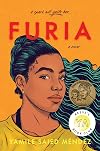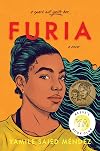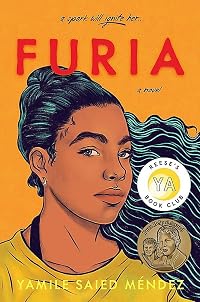
Furia
by Yamile Saied Méndez
On This Page
Description
A REESE WITHERSPOON x HELLO SUNSHINE BOOK CLUB YA PICKRecipient of the 2021 Pura Belpré Young Adult Author Medal
One of BuzzFeed's Must-Read YA Books of 2020
A Best Book of the Year: Cosmopolitan * Kirkus Reviews * SheReads * New York Public Library
“An engrossing #OwnVoices novel.”
—PopSugar
“This book will set your dreams on fire . . . It’s fabulous.”
— Reese Witherspoon
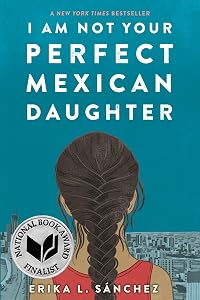
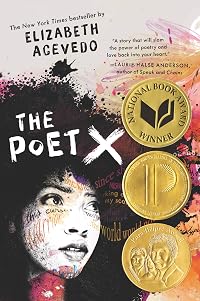
A powerful contemporary YA for fans of The Poet X and I Am Not Your Perfect Mexican Daughter show more set in Argentina, about a rising soccer star who must put everything on the line—even her blooming love story—to follow her dreams.
In Rosario, Argentina, Camila Hassan lives a double life.
At home, she is a careful daughter, living within her mother’s narrow expectations, in her rising-soccer-star brother’s shadow, and under the abusive rule of her short-tempered father.
On the field, she is La Furia, a powerhouse of skill and talent. When her team qualifies for the South American tournament, Camila gets the chance to see just how far those talents can take her. In her wildest dreams, she’d get an athletic scholarship to a North American university.
But the path ahead isn’t easy. Her parents don’t know about her passion. They wouldn’t allow a girl to play fútbol—and she needs their permission to go any farther. And the boy she once loved is back in town. Since he left, Diego has become an international star, playing in Italy for the renowned team Juventus. Camila doesn’t have time to be distracted by her feelings for him. Things aren’t the same as when he left: she has her own passions and ambitions now, and La Furia cannot be denied. As her life becomes more complicated, Camila is forced to face her secrets and make her way in a world with no place for the dreams and ambition of a girl like her.
Filled with authentic details and the textures of day-to-day life in Argentina, heart-soaring romance, and breathless action on the pitch, Furia is the story of a girl’s journey to make her life her own.
. show less
Tags
Recommendations






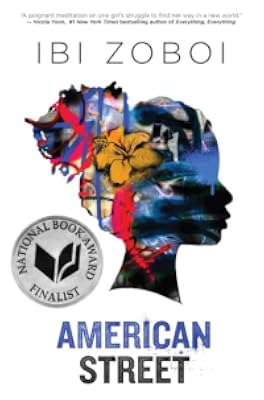
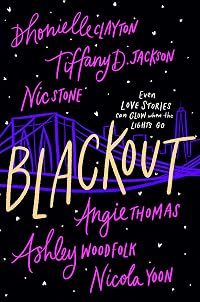
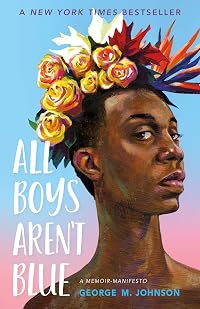
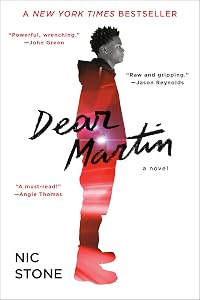



Member Reviews
I finished in tears—I truly loved this !!
Méndez organically weaves both the tender, intimate moments of first love with the heavier, complex issues throughout 'Furia.' This is most notable in the keen insights into the sociocultural scripts and performance(s) of gender identity as it relates to the construct of machismo. Machismo's depicted from a nuanced lens within 'Furia.' Here, both positive and negative attributes and impacts of machismo are present—(at times, even coincidingly). This bifurcated framework allows the intended YA audience to have a more flexible understanding of masculinity by including positive traits. YA readers, then, are afforded a deeper dive into the intersectional factors of one's identity.
Méndez organically weaves both the tender, intimate moments of first love with the heavier, complex issues throughout 'Furia.' This is most notable in the keen insights into the sociocultural scripts and performance(s) of gender identity as it relates to the construct of machismo. Machismo's depicted from a nuanced lens within 'Furia.' Here, both positive and negative attributes and impacts of machismo are present—(at times, even coincidingly). This bifurcated framework allows the intended YA audience to have a more flexible understanding of masculinity by including positive traits. YA readers, then, are afforded a deeper dive into the intersectional factors of one's identity.
First, I have to say that I thought the narrator did an excellent job with this book. She was very easy to understand, she did a great job with the voices of the different characters, and she let the story lead. I listen to a lot of audiobooks and I can't tell you how frustrating it is when I'm listening to a good story but the narrator's voice just doesn't flow between the character changes, and this tends to yank me out of the story.
As to the story itself, Camila is a typical teenage girl in most ways, but she is driven by her love of soccer, and through soccer, her need to succeed at winning an athletic scholarship, hopefully to a university in North America. That is her ultimate dream, but there are a few things standing in her way; show more specifically, the fact that her parents don't know that she is even interested in soccer, let alone playing on a team that has qualified for the South American tournament. Her brother is supposed to be the star in her family, as he is the male, and that's just how it is. And then there's Diego, her old boyfriend who is now an international soccer star himself, and who has unexpectedly come back into her life.
This isn't just a story about a girl's love of soccer, though. It's a story about domestic violence, gender inequality, racism, and the need to escape from an untenable situation, no matter the cost. Camila's father is overbearing and runs his house with an iron fist. Her mother, brother, and she herself live an existence where they are constantly walking on eggshells so as not to upset him. Having lived in a situation just like this, I can relate to her feelings of anger, shame, and determination to escape.
I thought all of the characters were well written and very well fleshed out. There was definitely character growth and development throughout, and I was pleased with the direction all of the characters took. The storyline flowed very well, also, and I was always looking forward to seeing what would happen next.
In summary, I thought this was a very well written book, and I enjoyed it very much. Kudos to the narrator, as well. I enthusiastically recommend it to lovers of YA fiction with a very moving and weighty subject matter.
I was given a copy of this book through NetGalley in exchange for my impartial review.
5/5 stars. show less
As to the story itself, Camila is a typical teenage girl in most ways, but she is driven by her love of soccer, and through soccer, her need to succeed at winning an athletic scholarship, hopefully to a university in North America. That is her ultimate dream, but there are a few things standing in her way; show more specifically, the fact that her parents don't know that she is even interested in soccer, let alone playing on a team that has qualified for the South American tournament. Her brother is supposed to be the star in her family, as he is the male, and that's just how it is. And then there's Diego, her old boyfriend who is now an international soccer star himself, and who has unexpectedly come back into her life.
This isn't just a story about a girl's love of soccer, though. It's a story about domestic violence, gender inequality, racism, and the need to escape from an untenable situation, no matter the cost. Camila's father is overbearing and runs his house with an iron fist. Her mother, brother, and she herself live an existence where they are constantly walking on eggshells so as not to upset him. Having lived in a situation just like this, I can relate to her feelings of anger, shame, and determination to escape.
I thought all of the characters were well written and very well fleshed out. There was definitely character growth and development throughout, and I was pleased with the direction all of the characters took. The storyline flowed very well, also, and I was always looking forward to seeing what would happen next.
In summary, I thought this was a very well written book, and I enjoyed it very much. Kudos to the narrator, as well. I enthusiastically recommend it to lovers of YA fiction with a very moving and weighty subject matter.
I was given a copy of this book through NetGalley in exchange for my impartial review.
5/5 stars. show less
Furia is what Camila is known as on the futbol pitch. She is the star player on her team but she must keep it a secret from her family who doesn't think girls should play. Meanwhile, the boy she likes has returned for a visit from overseas where he is a professional futbol player in the European league. This book is a coming of age story that takes place in a poor neighborhood in Argentina. Camila is trying to make her way in a world that is not always kind to women and girls. I like how the author included some of the social issues in the poor neighborhoods of Argentina while still not being too grisly for a young adult novel. Furia is a strong young woman who knows what she wants in life and is willing to do what it takes to get show more there. The story started a bit slow for me, but it picked up about half way through. By the end I was invested in what was going to happen. Overall, if you enjoy young adult coming of age stories, especially those that take place somewhere new, give this one a try. show less
I finished in tears—I truly loved this !!
Méndez organically weaves both the tender, intimate moments of first love with the heavier, complex issues throughout 'Furia.' This is most notable in the keen insights into the sociocultural scripts and performance(s) of gender identity as it relates to the construct of machismo. Machismo's depicted from a nuanced lens within 'Furia.' Here, both positive and negative attributes and impacts of machismo are present—(at times, even coincidingly). This bifurcated framework allows the intended YA audience to have a more flexible understanding of masculinity by including positive traits. YA readers, then, are afforded a deeper dive into the intersectional factors of one's identity.
Méndez organically weaves both the tender, intimate moments of first love with the heavier, complex issues throughout 'Furia.' This is most notable in the keen insights into the sociocultural scripts and performance(s) of gender identity as it relates to the construct of machismo. Machismo's depicted from a nuanced lens within 'Furia.' Here, both positive and negative attributes and impacts of machismo are present—(at times, even coincidingly). This bifurcated framework allows the intended YA audience to have a more flexible understanding of masculinity by including positive traits. YA readers, then, are afforded a deeper dive into the intersectional factors of one's identity.
I finished in tears—I truly loved this !!
Méndez organically weaves both the tender, intimate moments of first love with the heavier, complex issues throughout 'Furia.' This is most notable in the keen insights into the sociocultural scripts and performance(s) of gender identity as it relates to the construct of machismo. Machismo's depicted from a nuanced lens within 'Furia.' Here, both positive and negative attributes and impacts of machismo are present—(at times, even coincidingly). This bifurcated framework allows the intended YA audience to have a more flexible understanding of masculinity by including positive traits. YA readers, then, are afforded a deeper dive into the intersectional factors of one's identity.
Méndez organically weaves both the tender, intimate moments of first love with the heavier, complex issues throughout 'Furia.' This is most notable in the keen insights into the sociocultural scripts and performance(s) of gender identity as it relates to the construct of machismo. Machismo's depicted from a nuanced lens within 'Furia.' Here, both positive and negative attributes and impacts of machismo are present—(at times, even coincidingly). This bifurcated framework allows the intended YA audience to have a more flexible understanding of masculinity by including positive traits. YA readers, then, are afforded a deeper dive into the intersectional factors of one's identity.
I finished in tears—I truly loved this !!
Méndez organically weaves both the tender, intimate moments of first love with the heavier, complex issues throughout 'Furia.' This is most notable in the keen insights into the sociocultural scripts and performance(s) of gender identity as it relates to the construct of machismo. Machismo's depicted from a nuanced lens within 'Furia.' Here, both positive and negative attributes and impacts of machismo are present—(at times, even coincidingly). This bifurcated framework allows the intended YA audience to have a more flexible understanding of masculinity by including positive traits. YA readers, then, are afforded a deeper dive into the intersectional factors of one's identity.
Méndez organically weaves both the tender, intimate moments of first love with the heavier, complex issues throughout 'Furia.' This is most notable in the keen insights into the sociocultural scripts and performance(s) of gender identity as it relates to the construct of machismo. Machismo's depicted from a nuanced lens within 'Furia.' Here, both positive and negative attributes and impacts of machismo are present—(at times, even coincidingly). This bifurcated framework allows the intended YA audience to have a more flexible understanding of masculinity by including positive traits. YA readers, then, are afforded a deeper dive into the intersectional factors of one's identity.
Furia by Yamile Saied Mendez is realistic fiction, set in Argentina. I feel that Americans tend to believe the United States centers the world--everything revolves around us and we have little cares for others. Often people only travel in the United States and might not even absorb the different cultures here much less cultures from a foreign land. Take a trip to life in Argentina and see what you can learn.
In this novel Camila Hassan descends from several different cultures. She lives in Argentina where futbol (soccer) rules. Her brother plays for a national team and their father feels that he will save the whole family. He fails to realize that Camila has more talent.
Camila lives two lives. At home, she creates the image of an show more obedient daughter. She may not always come home on time, but she isn't like other girls, getting pregnant and becoming a wife, expecting a man to provide while she raises kids and takes care of a house with hardly any money. Her family believes that she will become a doctor and expect her to study. She does study and do well in school. She's worked very hard to speak English fluently and be able to teach English. Camila is close to her brother even though his destiny is supposedly to become a famous futbol star. Camila's mother gave up on happiness years ago. She loves her kids, but life hasn't treated her well. Her husband, Camila's father, lacks the ability to love. The world revolves about him and what he wants. He feels life has treated him badly and his family is partly to blame, so his son will save them all. Camila fears her father to an extent, keeping her from telling him--even her mother--about her real life and her real dreams.
Camila plays futbol with girls and they are really good. Camila hopes to get seen and become a player in the United States. She secretly competes, but the news does pick up on her furious playing and uses her new nickname: Furia. Camila has to hide her uniform, lie about where she is, and practice in secret in order to attempt to achieve her dreams. Her best friend is a great help because her family comes to all of the games and helps.
One day her brother's friend, Diego, returns home. He plays for a team in Italy and makes the town proud, for he is an amazing player. He has always had a soft spot for Camila. Now she has a third secret to keep: Diego. The media follows him everywhere, so people assume Camila is just one of his women. The thing is, Diego isn't a bad guy like everyone wants to say that he is. He cares for his hometown and he truly cares for Camila. The question is--do you follow your heart or do you follow your dreams? Camila wants out; the way out is to play futbol and she loves it--she's better than her brother; she wants away from her selfish father and the narrow expectations of her mother; she wants to be seen by American teams; and, she wants Diego. How? She's poor and lives in a town in Argentina. Can she do it?
I really liked this novel a lot. I like that Camila stays focused on her dreams. She makes a plan. She practices. She studies. She doesn't expect fate to take care of her. The plot isn't about luck; it's about skill. I also like Diego. His personality is opposite of how Camila's brother describes him, which shows jealousy. Diego actually cares for people and doesn't let fame alter who he is. I like that he learns to believe in Camila instead of force her into a stereotype. Girls--read this to read about making good choices and how actions can lead you to the future you want. You may even have a different opinion about people from other countries and how life is more dangerous and difficult than you thought. The United States can be a sanctuary for people and they will strive to contribute to this country. Diego and Camila have a chance. Their tenacity, skill, courage, and leadership skills lead them to their futures. show less
In this novel Camila Hassan descends from several different cultures. She lives in Argentina where futbol (soccer) rules. Her brother plays for a national team and their father feels that he will save the whole family. He fails to realize that Camila has more talent.
Camila lives two lives. At home, she creates the image of an show more obedient daughter. She may not always come home on time, but she isn't like other girls, getting pregnant and becoming a wife, expecting a man to provide while she raises kids and takes care of a house with hardly any money. Her family believes that she will become a doctor and expect her to study. She does study and do well in school. She's worked very hard to speak English fluently and be able to teach English. Camila is close to her brother even though his destiny is supposedly to become a famous futbol star. Camila's mother gave up on happiness years ago. She loves her kids, but life hasn't treated her well. Her husband, Camila's father, lacks the ability to love. The world revolves about him and what he wants. He feels life has treated him badly and his family is partly to blame, so his son will save them all. Camila fears her father to an extent, keeping her from telling him--even her mother--about her real life and her real dreams.
Camila plays futbol with girls and they are really good. Camila hopes to get seen and become a player in the United States. She secretly competes, but the news does pick up on her furious playing and uses her new nickname: Furia. Camila has to hide her uniform, lie about where she is, and practice in secret in order to attempt to achieve her dreams. Her best friend is a great help because her family comes to all of the games and helps.
One day her brother's friend, Diego, returns home. He plays for a team in Italy and makes the town proud, for he is an amazing player. He has always had a soft spot for Camila. Now she has a third secret to keep: Diego. The media follows him everywhere, so people assume Camila is just one of his women. The thing is, Diego isn't a bad guy like everyone wants to say that he is. He cares for his hometown and he truly cares for Camila. The question is--do you follow your heart or do you follow your dreams? Camila wants out; the way out is to play futbol and she loves it--she's better than her brother; she wants away from her selfish father and the narrow expectations of her mother; she wants to be seen by American teams; and, she wants Diego. How? She's poor and lives in a town in Argentina. Can she do it?
I really liked this novel a lot. I like that Camila stays focused on her dreams. She makes a plan. She practices. She studies. She doesn't expect fate to take care of her. The plot isn't about luck; it's about skill. I also like Diego. His personality is opposite of how Camila's brother describes him, which shows jealousy. Diego actually cares for people and doesn't let fame alter who he is. I like that he learns to believe in Camila instead of force her into a stereotype. Girls--read this to read about making good choices and how actions can lead you to the future you want. You may even have a different opinion about people from other countries and how life is more dangerous and difficult than you thought. The United States can be a sanctuary for people and they will strive to contribute to this country. Diego and Camila have a chance. Their tenacity, skill, courage, and leadership skills lead them to their futures. show less
Members
- Recently Added By
Lists

Reese Witherspoon Book Club
100 works; 4 members

Reese's Book Club
122 works; 2 members
Author Information

35+ Works 2,602 Members
Awards and Honors
Awards
Distinctions
Notable Lists
Common Knowledge
- Original publication date
- 2020-09-15
- People/Characters
- Camila Hassan
- Important places
- Rosario, Argentina
- Epigraph
- But a mermaid has no tears, and
therefore she suffers so much more.
—Hans Christian Andersen,
"The Little Mermaid" - Dedication
- For my daughters, Magalí and Areli,
For my sister, María Belén Saied,
For the little girl I once was,
For all las Incorregibles and las Furias of the world. - First words
- Lies have short legs.
- Publisher's editor
- Howard, Elise; Alpert, Sarah
Classifications
Statistics
- Members
- 532
- Popularity
- 56,123
- Reviews
- 29
- Rating
- (4.24)
- Languages
- English, Spanish
- Media
- Paper, Audiobook, Ebook
- ISBNs
- 12
- ASINs
- 3