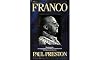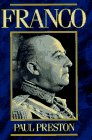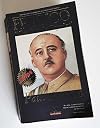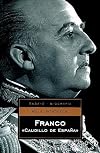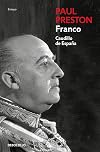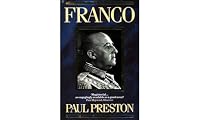
Franco: A Biography
by Paul Preston
On This Page
Description
The critically acclaimed, definitive biography of the complex, elusive man credited with saving Spain from both the communists and Hitler as well as orchestrating the Spanish economic miracle of the 1960s.Tags
Recommendations
















Member Reviews
From Benito Mussolini to Adolf Hitler, the 1930s was the heyday of right-wing dictatorships in Europe. Yet none of them proved as enduring as that of Francisco Franco. From the triumph of his Nationalist forces in 1939 until his death in 1975 Franco dominated Spain, guiding it from years of war and scarcity through the tumultuous economic and social changes of the postwar era. Such a figure deserves a through and penetrating study of his life set within the context of his times, and Paul Preston provides his readers with just such a book.
Preston's presentation of Franco's life within its pages can be divided into four periods. The first covers his early years, from his childhood in Galicia to the start of the Spanish Civil War. The show more scion of a family of naval officers, Franco was destined for the sea until Span traumatizing defeat at the hands of the United States in 1898 curtailed his options. Instead Franco opted for a career in the army, where his discipline and his organizational skills ensured in a meteoric rise. Preston pays particular attention to Franco's service in Morocco during the drawn out Rif War, arguing that it was here where Franco's approach towards governance — one in which obedience was to be compelled with force rather than cultivated through building consensus — first developed. With Spanish politics veering from monarchy through dictatorship and republicanism, it was one that would increasingly appear to be the only solution to Spain's problems.
Nevertheless, Preston notes that despite his burgeoning right-wing political views, Franco was willing to reconcile with the Republic provided that he continue to be appointed to the positions he felt he deserved. Yet even after he was relegated to the command of the Canary Islands Franco hesitated to join the emerging conspiracy against the newly-elected left-wing government, only committing to the cause at the last minute. This brings Preston to the second part of his book, which chronicles Franco's role in the Spanish Civil War. Here Franco waged campaigns on several fronts, fighting the Republicans militarily while gradually cementing his control over the Nationalists and ensuring his emergence as the dominant leader at the end. Though Franco had opportunities to win the war more quickly than he did, Preston shows how Franco pursued his meticulous approach both to give himself time to cement his control over the disparate Nationalist factions and to purge the Republican regions conquered by his forces. For Franco, the civil war was nothing less than an ideological crusade for his vision of Spain, one that he would spend the rest of his life trying to preserve.
Achieving his vision of Spain, though, required navigating a variety of international challenges, most immediately those created by the Second World War. This part of Preston's book is in many ways the most revelatory, as he goes to considerable lengths to debunk the postwar myths perpetuated by Franco and his regime. Rather than carefully hewing to a course of neutrality in the conflict as he subsequently claimed, Preston shows Franco as an eager ally of Germany and Italy, to the point where Franco offered in 1940 to join the war on the Axis side. Franco's mercenary interests, however, alienated Adolf Hitler, who prioritized Vichy France's compliance over the Spanish participation that Franco offered in return for France's empire in North Africa. Even as Franco's interest in joining the war waned he continued to offer the Germans considerable support, which ranged from aiding U-boat operations to providing thousands of volunteers for Germany's campaigns against the Soviet Union. Well after the Allied invasion of Normandy Franco's preference for a German victory endured, even as he pivoted to court the Allies.
With the end of the war Franco scrambled to adapt to the postwar environment. This serves as the final period covered in Preston's book, as it shows how Franco gradually adjusted to the realities of the world now before him. Here he was aided by the nascent Cold War, which helped transform Spain from a pariah to a useful ally for the United States against the Soviets. But Franco was also forced to adjust in the 1950s to the economic realities before him by abandoning the autarkic policies advocated by his Falangist allies and embracing the economic liberalization urged by the more technocratic members of his government. While Spain prospered over the course of the 1960s, Preston sees Franco as more of an obstacle than an enabler here, noting that his resignation and the transfer of power back to a monarchist system earlier would have opened up more of the international aid opportunities that Spain so badly needed. Yet Franco proved reluctant to give up control of Spain, a reluctance that was borne out when within two years of his death Spain rejected the undemocratic regime he preferred in favor of the parliamentary democracy that endures to the present day.
In this respect, Franco's greatest achievement lay not in the Spain he tried to create but in his own ability to endure. Preston succeeds in showing how Franco survived in a world moving past him. While the reader can get burdened down in the later chapters with the details of cabinet formation and the jockeying of various family members for money and power, overall his book is a masterpiece of biography. From it emerges a portrait of a man vainly holding back the forces of change in Spain, yet one who managed to hold on to his own position to the very end. To understand his ability to do this and why he failed in his broader effort to reshape Spain to conform to his vision for it, Preston's book is necessary reading. show less
Preston's presentation of Franco's life within its pages can be divided into four periods. The first covers his early years, from his childhood in Galicia to the start of the Spanish Civil War. The show more scion of a family of naval officers, Franco was destined for the sea until Span traumatizing defeat at the hands of the United States in 1898 curtailed his options. Instead Franco opted for a career in the army, where his discipline and his organizational skills ensured in a meteoric rise. Preston pays particular attention to Franco's service in Morocco during the drawn out Rif War, arguing that it was here where Franco's approach towards governance — one in which obedience was to be compelled with force rather than cultivated through building consensus — first developed. With Spanish politics veering from monarchy through dictatorship and republicanism, it was one that would increasingly appear to be the only solution to Spain's problems.
Nevertheless, Preston notes that despite his burgeoning right-wing political views, Franco was willing to reconcile with the Republic provided that he continue to be appointed to the positions he felt he deserved. Yet even after he was relegated to the command of the Canary Islands Franco hesitated to join the emerging conspiracy against the newly-elected left-wing government, only committing to the cause at the last minute. This brings Preston to the second part of his book, which chronicles Franco's role in the Spanish Civil War. Here Franco waged campaigns on several fronts, fighting the Republicans militarily while gradually cementing his control over the Nationalists and ensuring his emergence as the dominant leader at the end. Though Franco had opportunities to win the war more quickly than he did, Preston shows how Franco pursued his meticulous approach both to give himself time to cement his control over the disparate Nationalist factions and to purge the Republican regions conquered by his forces. For Franco, the civil war was nothing less than an ideological crusade for his vision of Spain, one that he would spend the rest of his life trying to preserve.
Achieving his vision of Spain, though, required navigating a variety of international challenges, most immediately those created by the Second World War. This part of Preston's book is in many ways the most revelatory, as he goes to considerable lengths to debunk the postwar myths perpetuated by Franco and his regime. Rather than carefully hewing to a course of neutrality in the conflict as he subsequently claimed, Preston shows Franco as an eager ally of Germany and Italy, to the point where Franco offered in 1940 to join the war on the Axis side. Franco's mercenary interests, however, alienated Adolf Hitler, who prioritized Vichy France's compliance over the Spanish participation that Franco offered in return for France's empire in North Africa. Even as Franco's interest in joining the war waned he continued to offer the Germans considerable support, which ranged from aiding U-boat operations to providing thousands of volunteers for Germany's campaigns against the Soviet Union. Well after the Allied invasion of Normandy Franco's preference for a German victory endured, even as he pivoted to court the Allies.
With the end of the war Franco scrambled to adapt to the postwar environment. This serves as the final period covered in Preston's book, as it shows how Franco gradually adjusted to the realities of the world now before him. Here he was aided by the nascent Cold War, which helped transform Spain from a pariah to a useful ally for the United States against the Soviets. But Franco was also forced to adjust in the 1950s to the economic realities before him by abandoning the autarkic policies advocated by his Falangist allies and embracing the economic liberalization urged by the more technocratic members of his government. While Spain prospered over the course of the 1960s, Preston sees Franco as more of an obstacle than an enabler here, noting that his resignation and the transfer of power back to a monarchist system earlier would have opened up more of the international aid opportunities that Spain so badly needed. Yet Franco proved reluctant to give up control of Spain, a reluctance that was borne out when within two years of his death Spain rejected the undemocratic regime he preferred in favor of the parliamentary democracy that endures to the present day.
In this respect, Franco's greatest achievement lay not in the Spain he tried to create but in his own ability to endure. Preston succeeds in showing how Franco survived in a world moving past him. While the reader can get burdened down in the later chapters with the details of cabinet formation and the jockeying of various family members for money and power, overall his book is a masterpiece of biography. From it emerges a portrait of a man vainly holding back the forces of change in Spain, yet one who managed to hold on to his own position to the very end. To understand his ability to do this and why he failed in his broader effort to reshape Spain to conform to his vision for it, Preston's book is necessary reading. show less
It is harder to write a biography of a dull man than an interesting one. This biography was very hard work, but is admirable in the depth of the portrait, and the research.
Perforce, it is a history of Spain from 1924 to 1975, and quite well done. The lesser characters are often much more fun, and Serrano Suner has a lot of my sympathy, now. The tripod upon which Franco based his tyranny is well described.
PP finds nothing to report about FF than his very strong drive to power, and a very high level of egocentricity and optimism. It is certainly a good book for those who are interested in how to manipulate large powers from an inferior base.
The book was originally published in 1993.
Perforce, it is a history of Spain from 1924 to 1975, and quite well done. The lesser characters are often much more fun, and Serrano Suner has a lot of my sympathy, now. The tripod upon which Franco based his tyranny is well described.
PP finds nothing to report about FF than his very strong drive to power, and a very high level of egocentricity and optimism. It is certainly a good book for those who are interested in how to manipulate large powers from an inferior base.
The book was originally published in 1993.
2743. Franco: A Biography, by Paul Preston (read 14 May 1995) This is a massive, well-written work which makes no pretense to be even-handed. So it paints a very dark picture of Franco and I do not say that Franco is undeserving of such a portrayal. His status during World war II certainly was an abysmal one, especially his glorification of Hitler. After the war he attained his aims in the 1950s and then there was a long decline and the ease with which Spain threw off Francoism when he died is gratifying. I still, of course, believe his triumph in the Civil War was for the best. If Franco had not won the course of events in Spain would have been like the events in eastern Europe after World War II and Spain would have been a Communist show more country. show less
not to be trusted with the anything _
En la biografía canónica de Francisco Franco, frente a la visión del dictador como figura providencial, Paul Preston presentó un retrato completísimo, riguroso y apasionante del hombre que durante casi cuarenta años rigió el destino de España.
Franco muestra al militar ambicioso e implacable; al admirador de Hitler y de Mussolini; al dirigente político cada vez más pagado de su propio papel pero incapaz de comprender la complejidad del Estado y la economía modernos. Queda el hombre visceralmente conservador, tan cauto como insaciable, hábil en el manejo de las personas y de los contrapesos del poder.
Un libro imprescindible, ahora en una brillante edición gráfica a cargo deJosé Pablo García (que ya trabajó con Preston en show more la adaptación de La muerte de Guernica y La guerra civil española), para quien quiera comprender la historia reciente de España, así como a uno de los personajes centrales de la misma. show less
Franco muestra al militar ambicioso e implacable; al admirador de Hitler y de Mussolini; al dirigente político cada vez más pagado de su propio papel pero incapaz de comprender la complejidad del Estado y la economía modernos. Queda el hombre visceralmente conservador, tan cauto como insaciable, hábil en el manejo de las personas y de los contrapesos del poder.
Un libro imprescindible, ahora en una brillante edición gráfica a cargo deJosé Pablo García (que ya trabajó con Preston en show more la adaptación de La muerte de Guernica y La guerra civil española), para quien quiera comprender la historia reciente de España, así como a uno de los personajes centrales de la misma. show less
Jan 18, 2025Spanish
Contra la visión de Franco como figura providencial, una biografía completísima, rigurosa y apasionante del hombre que rigió España durante tantos años, donde se muestra al militar ambicioso e implacable, al admirador de Hitler y Mussolini; al dirigente político cada vez más pagado de su propio papel, pero incapaz de comprender la complejidad de Estado y la economía modernas. Queda el hombre visceralmente conservador, tan cauto como ambicioso, hábil en el manejo de las personas y de los contrapesos del poder.
Jan 13, 2023Spanish
La biografía definitiva de Franco en una brillante edición gráfica.
En la biografía canónica de Francisco Franco, frente a la visión del dictador como figura providencial, Paul Preston presentó un retrato completísimo, riguroso y apasionante del hombre que durante casi cuarenta años rigió el destino de España.
Franco muestra al militar ambicioso e implacable; al admirador de Hitler y de Mussolini; al dirigente político cada vez más pagado de su propio papel pero incapaz de comprender la complejidad del Estado y la economía modernos. Queda el hombre visceralmente conservador, tan cauto como insaciable, hábil en el manejo de las personas y de los contrapesos del poder.
Un libro imprescindible, ahora en una brillante edición show more gráfica a cargo de José Pablo García (que ya trabajó con Preston en la adaptación de La muerte de Guernica y La guerra civil española), para quien quiera comprender la historia reciente de España, así como a uno de los personajes centrales de la misma. show less
En la biografía canónica de Francisco Franco, frente a la visión del dictador como figura providencial, Paul Preston presentó un retrato completísimo, riguroso y apasionante del hombre que durante casi cuarenta años rigió el destino de España.
Franco muestra al militar ambicioso e implacable; al admirador de Hitler y de Mussolini; al dirigente político cada vez más pagado de su propio papel pero incapaz de comprender la complejidad del Estado y la economía modernos. Queda el hombre visceralmente conservador, tan cauto como insaciable, hábil en el manejo de las personas y de los contrapesos del poder.
Un libro imprescindible, ahora en una brillante edición show more gráfica a cargo de José Pablo García (que ya trabajó con Preston en la adaptación de La muerte de Guernica y La guerra civil española), para quien quiera comprender la historia reciente de España, así como a uno de los personajes centrales de la misma. show less
Oct 29, 2025Spanish
Members
- Recently Added By
Lists

Biografías eminentes
24 works; 1 member
Author Information

41+ Works 2,481 Members
Paul Preston, the leading historian of twentieth-century Spain, tells this shocking story for the first time in English. It is a harrowing talc of how the flawed decisions of politicians can so easily and avoidably lead to tragedy.
Awards and Honors
Awards
Series
Belongs to Publisher Series
Common Knowledge
- Original publication date
- 1993
- People/Characters
- Francisco Franco; Juan Carlos, king of Spain; Ramon Serrano Suñer; Samuel Hoare; Emilio Mola Vidal, Spanish General
- Important places
- Spain
- Important events
- Spanish Civil War (1936 | 1939); Rif War
- Last words
- (Click to show. Warning: May contain spoilers.)Every Year, the ageing Francoist stalwarts are fewer and fewer. Soon there will be none.
- Original language
- English
Classifications
- Genres
- Nonfiction, History, Biography & Memoir, General Nonfiction
- DDC/MDS
- 946.082092 — History & geography History of Europe Spain & Portugal Spain Second Republic; Dictatorship; Juan Carlos I; Felipe VI 1931- Dictatorship 1939-1975
- LCC
- DP264 .F7 .P7418 — History of Europe, Asia, Africa and Oceania Spain – Portugal History of Spain History By period Modern Spain, 1479/1516- 20th century. 1886- Second Republic, 1931-1939
- BISAC
Statistics
- Members
- 345
- Popularity
- 91,280
- Reviews
- 8
- Rating
- (3.94)
- Languages
- 5 — Czech, English, French, Italian, Spanish
- Media
- Paper, Ebook
- ISBNs
- 23
- ASINs
- 6