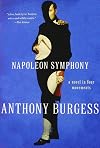
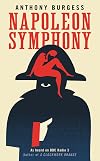
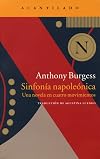
Napoleon Symphony
by Anthony Burgess 
On This Page
Description
A grand and tragi-comic symphony to Napoleon Bonaparte, this novel unteases and reweaves Napoleon's life - from the first great days of his campaigns in 1796 to exile and death on St. Helena a quarter of a century later. Burgess' Bonaparte is a cuckold, afflicted with heartburn and halitosis while enacting a wily seduction of Tsar Alexander, conquering Egypt and crowning himself Emperor. Witty, sardonic, intellectual, Napoleon Symphony is Burgess at his most challenging and inventive. In show more creating a novel based on a musical form, Burgess is playing with structure, from the grand, ambitious shape of the novel itself, through to the finer composition of each sentence. show lessTags
Recommendations





















Member Reviews
Mr. Burgess is a skilled entertainer, and I have a fondness for this effort. Beethoven having written a Third symphony, which he had dedicated to "Bonaparte", as an expression of respect for a man dedicated to the overthrow of the "Ancient Regime" and upon hearing of Napoleon's Imperial Coronation, having altered the dedication, Burgess felt inspired. He attempts, in this trot through Napoleon's career, to write, so far as possible, in the rhythm of the symphonic movement covering the Napoleonic moment. It is a fun rad.
Las campañas en Italia, el paso de los ejércitos por el Gran San Bernard en los Alpes, Egipto, España, Rusia y el desastre, Prusia y el incipiente nacionalismo germano, la coronación del emperador, la infiel Josefina emperatriz, etc. Vaya, dicho así parece que estemos hablando de un libro de historia, pero no. Yo diría que incluso tampoco es una novela histórica ni biográfica al uso.
La novela, parece estar escrita de manera rápida, incluso atropelladamente. Fue por esto que al principio me resultaba pesada, confundiendo las escenas y los personajes. Pero esta aparente confusión pronto dejé de sentirla como tal o simplemente me fui acostumbrando a ella, dándome cuenta de los diferentes ritmos, propios de una composición show more musical, como hace referencia el título del libro. Y mira por donde que ahora leo que la novela está basada de alguna manera en la sinfonía de Napoleón "La Heroica".
Al igual que en "Poderes Terrenales" Burgess nos contaba, como quien no quiere la cosa, una completa historia del siglo XX a través de la biografía de aquel excéntrico escritor, en esta ocasión nos demuestra sus amplios conocimientos acerca de las guerras napoleónicas y sus razones a través de las vivencias cotidianas del napoleónico emperador y de los personajes que lo rodean. Personajes de lo mas rocambolesco y divertido a pesar de ser históricos, incluido el gran N, el entrañable protagonista.
Entre mis pasajes favoritos se encuentra por ejemplo, el momento en el que un joven nacionalista alemán que ha sido arrestado mientras planeaba asesinar a Napoleón, es llevado a su presencia y el emperador le comunica que ha decidido no ejecutarle, que lo que prefiere es convertirlo a las ideas revolucionarias (
Legalitè, Igualitè, frategnitè). El germano acusa al Sire de magnificente y le reta en un divertido diálogo, defendiendo sus puntos de vista y asegurando la necesaria independencia y emancipación de Alemania (Prusia, Austria...) y además comienza a criminalizar a los judíos declarándose católico (o luterano, no sé). Bonaparte le dice que está loco y Cristo era judío.
Los dos destierros que nuestro protagonista sufre en las islas de Santa Elena y Elba son también de lo más entretenido, así como el muñequito de Napoleón con el que una niña inglesa juega y la amañada autopsia final. show less
La novela, parece estar escrita de manera rápida, incluso atropelladamente. Fue por esto que al principio me resultaba pesada, confundiendo las escenas y los personajes. Pero esta aparente confusión pronto dejé de sentirla como tal o simplemente me fui acostumbrando a ella, dándome cuenta de los diferentes ritmos, propios de una composición show more musical, como hace referencia el título del libro. Y mira por donde que ahora leo que la novela está basada de alguna manera en la sinfonía de Napoleón "La Heroica".
Al igual que en "Poderes Terrenales" Burgess nos contaba, como quien no quiere la cosa, una completa historia del siglo XX a través de la biografía de aquel excéntrico escritor, en esta ocasión nos demuestra sus amplios conocimientos acerca de las guerras napoleónicas y sus razones a través de las vivencias cotidianas del napoleónico emperador y de los personajes que lo rodean. Personajes de lo mas rocambolesco y divertido a pesar de ser históricos, incluido el gran N, el entrañable protagonista.
Entre mis pasajes favoritos se encuentra por ejemplo, el momento en el que un joven nacionalista alemán que ha sido arrestado mientras planeaba asesinar a Napoleón, es llevado a su presencia y el emperador le comunica que ha decidido no ejecutarle, que lo que prefiere es convertirlo a las ideas revolucionarias (
Legalitè, Igualitè, frategnitè). El germano acusa al Sire de magnificente y le reta en un divertido diálogo, defendiendo sus puntos de vista y asegurando la necesaria independencia y emancipación de Alemania (Prusia, Austria...) y además comienza a criminalizar a los judíos declarándose católico (o luterano, no sé). Bonaparte le dice que está loco y Cristo era judío.
Los dos destierros que nuestro protagonista sufre en las islas de Santa Elena y Elba son también de lo más entretenido, así como el muñequito de Napoleón con el que una niña inglesa juega y la amañada autopsia final. show less
Apr 6, 2017Spanish
Ratings
Members
- Recently Added By
Published Reviews
ThingScore 50
We can discount at once the claim, hopefully supplied by the blurb, that what we have here is "a grand and loving tragicomic symphony to Napoleon Bonaparte." The symphonic stuff-a novel in four movements and so on-is no more than bits of string, and it is one of the many endearing things about this author that he does not really bother us (and possibly irritate us) by pretending it is anything show more else. He is as enterprising as Nabokov, but his flair does not need pretension to keep it going: he is not an aesthete but a man of letters...
Mr. Burgess's problem, which he cannot be said to have solved, is that his more informed readers cannot really need this kind of thing to imagine themselves into the Napoleonic era, while all the sound knowledge-of corps commanders, horse batteries, Continental System-which he strews so prodigally but inconspicuously around cannot do much to edify his more popular readership. On the other hand the book is genuinely funny at times, and it is then that history virtually becomes bunk for Mr. Burgess. A picaresque Everyman takes over, finding himself (as picaresque heroes and Marx brothers do) in situations that are none of his making and certainly not to be understood by him. show less
Mr. Burgess's problem, which he cannot be said to have solved, is that his more informed readers cannot really need this kind of thing to imagine themselves into the Napoleonic era, while all the sound knowledge-of corps commanders, horse batteries, Continental System-which he strews so prodigally but inconspicuously around cannot do much to edify his more popular readership. On the other hand the book is genuinely funny at times, and it is then that history virtually becomes bunk for Mr. Burgess. A picaresque Everyman takes over, finding himself (as picaresque heroes and Marx brothers do) in situations that are none of his making and certainly not to be understood by him. show less
added by SnootyBaronet
Author Information

120+ Works 48,185 Members
Anthony Burgess was born in 1917 in Manchester, England. He studied language at Xaverian College and Manchester University. He had originally applied for a degree in music, but was unable to pass the entrance exams. Burgess considered himself a composer first, one who later turned to literature. Burgess' first novel, A Vision of Battlements show more (1964), was based on his experiences serving in the British Army. He is perhaps best known for his novel A Clockwork Orange, which was later made into a movie by Stanley Kubrick. In addition to publishing several works of fiction, Burgess also published literary criticism and a linguistics primer. Some of his other titles include The Pianoplayers, This Man and Music, Enderby, The Kingdom of the Wicked, and Little Wilson and Big God. Burgess was living in Monaco when he died in 1993. (Bowker Author Biography) show less
Anthony Burgess has a Legacy Library. Legacy libraries are the personal libraries of famous readers, entered by LibraryThing members from the Legacy Libraries group.
Some Editions
Awards and Honors
Notable Lists
Work Relationships
Contains
Common Knowledge
- Canonical title*
- Napoleon Symphony
- Original title
- Napoleon Symphony: A Novel in Four Movements
- Original publication date
- 1974
- People/Characters
- Napoleon Bonaparte; Ludwig van Beethoven
- Dedication
- To my dear wife, a Buonapartista, who, in her extreme youth, could never understand why the British had named a great railway terminus after a military defeat. Also to Stanley J. Kubrick, maestro di color.
- First words
- Tallien pressed his old royal watch and it chimed a new republican nine.
- Last words
- (Click to show. Warning: May contain spoilers.)And I say aga INRI ng bells bells bells bells and rejoice. Rejoice.
- Original language*
- Inglés
*Some information comes from Common Knowledge in other languages. Click "Edit" for more information.
Classifications
Statistics
- Members
- 292
- Popularity
- 110,439
- Reviews
- 2
- Rating
- (3.39)
- Languages
- English, French, German, Spanish
- Media
- Paper, Ebook
- ISBNs
- 16
- ASINs
- 12