
Nathan the Wise
by Gotthold Ephraim Lessing (Author, Writer)
On This Page
Description
"Set in Jerusalem during the Third Crusade, this 1779 play constitutes an appeal for religious tolerance and cooperation among Christians, Jews, and Muslims. Banned by the church during the author's lifetime, the highly influential drama's timeless considerations include the nature of God, anti-Semitism, wealth and poverty, and the conflict between love and duty"--Tags
Recommendations




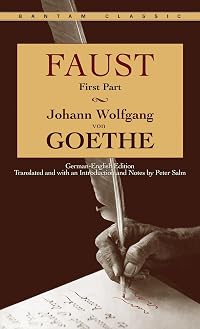

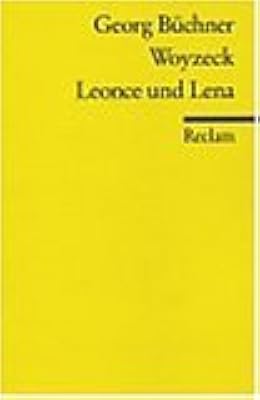
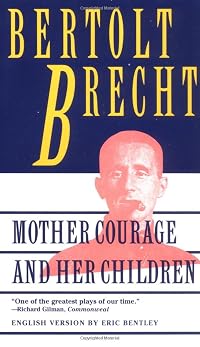







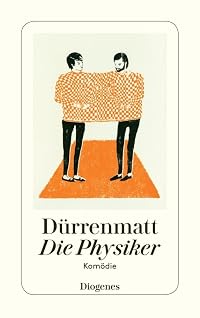





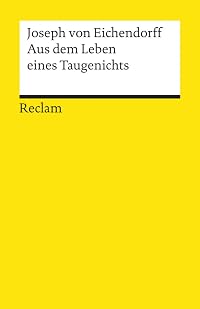

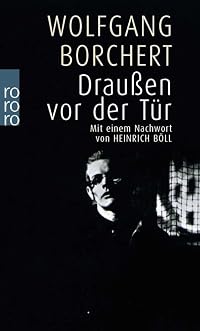
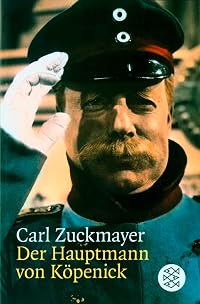
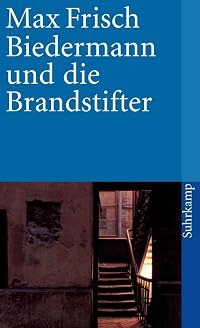
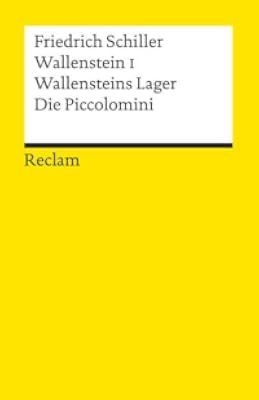
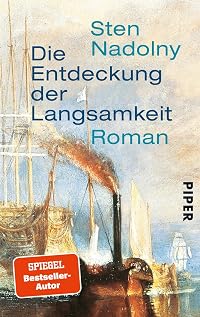
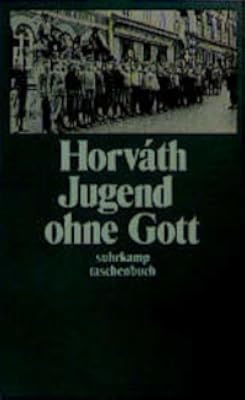

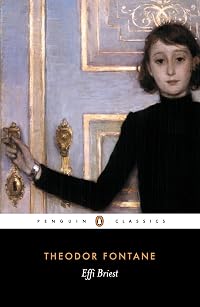


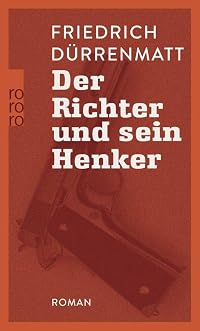

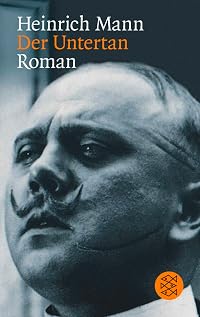

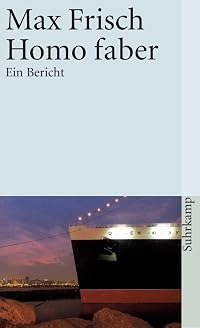
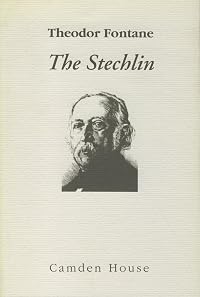


Member Recommendations

Member Reviews
Lessing's best play, and maybe the first soap opera out there, with a very diverse family having a happy humanist ending that defies intolerance, crusades, misogyny, and bad chess games.
I've read enough of Tasso and Ariosto to see that ending coming. But I wasn't expecting to love the prose so much. Verbally, it was beautifully constructed. And, as a metaphor, it was lovely in this contentious culture that we live in. I highly recommend it.
It is difficult to summarize the plot of this play without making it sound like one of those airplane jokes where there are too few parachutes for the people on board. Nevertheless, it is a play about Jews, Muslims, and Christians in crusader times. More important, it's message about religious tolerance makes it a significant book to be read today - it shows the Jew and Muslim as demonstrating more tolerance and virtue than any of the Christian characters.
The E-book edition I read included both the German text and the English translation mixed together on the same page with the English somewhat greyed out. Although it would be possible to actually just read the German text, I found it difficult not to read the English text as well. show more This took away some of the drama of the story but added to the comprehension of what was being read. the English text also included some footnotes that were necessary to be able to understand the context of the events in the play. show less
The E-book edition I read included both the German text and the English translation mixed together on the same page with the English somewhat greyed out. Although it would be possible to actually just read the German text, I found it difficult not to read the English text as well. show more This took away some of the drama of the story but added to the comprehension of what was being read. the English text also included some footnotes that were necessary to be able to understand the context of the events in the play. show less
(1729-1781)
This is an amazing drama. The setting is Jerusalem at the time of the crusades, the point at which three world religions collide. Its appeal to tolerance and understanding and rejection of violence and hatred is as urgent—if not more so—today as it was then. Sadly, mankind appears to have learned little in 920 years.
Jul 25, 2025 (Edited)English (UK)
Ik las dit in het Duits, en dat ging me toch moeilijker af dan anders, mogelijk omdat de taal en de stijl echt het einde van de 18de eeuw uitstralen. Gotthold Ephraim Lessing (1729–1781) geldt als één van de reuzen van de Duitse Verlichting, en dat blijkt absoluut uit dit toneelstuk. Het is niks minder een mooi pleidooi voor tolerantie tussen de godsdiensten. De setting is Jeruzalem in de tijd van de Kruistochten, en het hoofdpersonage is een rijke joodse handelaar (de wijze Nathan dus), waardoor Lessing handig jodendom, christendom en islam rechtstreeks met elkaar confronteert. Vooral de parabel van de oude stervende vader en zijn opalen ring is tot een klassieke tekst van de religieuze (en ideologische) tolerantie geworden. In de show more lijn van Voltaire moet bij Lessing vooral het hypocriete christendom het ontgelden: de Bijbel is helemaal niet geopenbaard, en de kerken hebben de christelijke boodschap helemaal verkracht.
Uiteraard zitten er nog een paar mindere accenten in die het onvermijdelijk tot een kind van zijn tijd maken: onze tempelier doet een aantal misogyne uitspraken, en de hoofdpersonages zijn alleen mannen. Ook de opbouw is het stuk is iets te soapachtig, met een nogal voorspelbaar verloop en ontknoping die het iets teveel op een comedy of errors doet lijken. Met andere woorden: dit stuk is niet zozeer literair, maar vooral historisch van belang. show less
Uiteraard zitten er nog een paar mindere accenten in die het onvermijdelijk tot een kind van zijn tijd maken: onze tempelier doet een aantal misogyne uitspraken, en de hoofdpersonages zijn alleen mannen. Ook de opbouw is het stuk is iets te soapachtig, met een nogal voorspelbaar verloop en ontknoping die het iets teveel op een comedy of errors doet lijken. Met andere woorden: dit stuk is niet zozeer literair, maar vooral historisch van belang. show less
Apr 20, 2024Dutch
L'unica cosa bella è il racconto dei tre anelli (peraltro rielaborazione di una novella del Decameron).
Per il resto, soprattutto nel finale sembra più un romanzetto d'appendice.
Per il resto, soprattutto nel finale sembra più un romanzetto d'appendice.
Aug 23, 2017Italian
Members
- Recently Added By
Lists

German Literature
518 works; 55 members

Harold Bloom - The Western Canon: B. The Aristocratic Age
231 works; 13 members

Books You Read During High School (For School)
301 works; 52 members

Religious Fiction
58 works; 13 members
Author Information

Lessing, one of the outstanding literary critics of all time, was "the first figure of European stature in modern German literature." The son of a Protestant pastor, he was educated in Meissen and at Leipzig University, then went to Berlin as a journalist in 1749. While employed as secretary to General Tauentzien (1760--65), he devoted his leisure show more to classical studies. This led to his critical essay Laocoon (1776), in which he attempted to clarify certain laws of aesthetic perception by comparing poetry and the visual arts. He fought always for truth and combined a penetrating intellect with shrewd common sense. He furthered the German theater through his weekly dramatic notes and theories, found mainly in the Hamburg Dramaturgy (1769), which he wrote during his connection with the Hamburg National Theater as critic and dramatist (1768--69). His plays include Miss Sara Sampson (1755), important as the first German prose tragedy of middle-class life; Minna von Barnhelm (1767), his finest comedy and the best of the era; and his noble plea for religious tolerance, Nathan the Wise (1779). (Bowker Author Biography) show less
Some Editions
Awards and Honors
Series
Belongs to Publisher Series
Work Relationships
Is contained in
Fabeln und Erzählungen in Versen : Emilia Galotti + Fabeln + Minna von Barnhelm + Miß Sara Sampson + Nathan der Weise by Gotthold Ephraim Lessing
Classical German drama : Lessing : Nathan the wise + Goethe : Egmont + Schiller : Mary Stuart + Kleist : The Prince of Homburg + Büchner : Danton's Death by John Gassner
The Dramatic Works of G. E. Lessing Miss Sara Sampson, Philotas, Emilia Galotti, Nathan the Wise by Gotthold Ephraim Lessing
Lessing : Werke in fünf Bänden : Band 2 : Nathan der Weise + Theologische und philosophische Schriften by Gotthold Ephraim Lessing
EinFach Deutsch : Textausgaben : Gotthold Ephraim Lessing : Nathan der Weise [2nd edition] by Johannes Diekhans
Gotthold Ephraim Lessing Werke in drei Bänden als kommentierte Winkler Dünndruck Ausgabe Band I: Dichtungen - Dramen / Fabeln und Erzählungen / Sinngedichte / Epigramme / Lieder / Oden by Gotthold Ephraim Lessing
Is retold in
Has the adaptation
Is abridged in
Has as a reference guide/companion
Has as a study
Has as a supplement
Has as a commentary on the text
Lessings Nathan der Weise : with introduction, notes, and an appendix of parallel passages by Tobias J. C. Diekhoff
Cornelsen Literathek: Nathan der Weise: Empfohlen für die Oberstufe. Text - Erläuterungen - Materialien by Elmar Holtz-Meynert
Gotthold Ephraim Lessing : Nathan der Weise : Inhalt : Hintergrund : Interpretation by Thomas Rahner
Has as a student's study guide
Königs Erläuterungen : Gotthold Ephraim Lessing : Nathan der Weise [01. Auflage 2011] by Thomas Möbius
Königs Erläuterungen : Gotthold Ephraim Lessing : Nathan der Weise [06. Auflage] by Hans-Ulrich Lindken
EinFach Deutsch : Textausgaben : Gotthold Ephraim Lessing : Nathan der Weise [2nd edition] by Johannes Diekhans
Hamburger Lesehefte plus Königs Materialien : Gotthold Ephraim Lessing : Nathan der Weise by Thomas Möbius
Common Knowledge
- Canonical title
- Nathan the Wise
- Original title
- Nathan der Weise
- Original publication date
- 1779 (1e édition originale allemande) (1e é | dition originale allemande); 1993-09-30 (Nouvelle édition française Bilingue allemand/français, Domaine allemand bilingue, Aubier) (Nouvelle é | dition franç | aise Bilingue allemand/franç | ais, Domaine allemand bilingue, Aubier)
- People/Characters
- Nathan the Wise; Saladin, Sultan of Egypt and Syria; Recha; Sittah
- Important places
- Jerusalem
- Important events
- Third Crusade (1189&ndash | 1192)
- Related movies
- Nathan der Weise (1922 | IMDb); Nathan der Weise (1956 | IMDb); Nathan der Weise (1964 | IMDb); Nathan der Weise (1967 | IMDb); Nathan der Weise (1970 | IMDb); Nathan, der Weise (1979 | IMDb) (show all 8); Nathan der Weise (1990 | IMDb); Nathan der Weise (2006 | IMDb)
- Epigraph
- MOTTO: Introite, nam et hic Dei sunt!*
Apud Gellium
Enter, for here too there are gods! - First words
- Nathan von der Reise kommend. Daja ihm entgegen.
ACT I SCENE I
(Vestibure in Nathan's house.---Nathan returning from a journey. Daya comes to meet him.)
DAYA. It's he, it's Nathan!---Endless thanks to God,
That you at last return to us again. - Last words
- (Click to show. Warning: May contain spoilers.)Unter stummer Wiederholung allseitiger Umarmungen fällt der Vorhang.
(Click to show. Warning: May contain spoilers.)SALADIN (raising him). Just see that scoundrel here!He knew some of the truth, and yet he could
Consent to make me murder him! You wait!
(Amid silent embraces on all sides the curtain falls.) - Original language
- German
- Canonical DDC/MDS
- 832.6
- Canonical LCC
- PT2399.A1
- Disambiguation notice
- This work contains only the text by G.E.Lessing. Do not combine with works that also contain interpretation, material and other helps.
Classifications
- Genre
- Fiction and Literature
- DDC/MDS
- 832.6 — Literature & rhetoric German & related literatures German drama 1750–1832 : 18th century; classical period; romantic period
- LCC
- PT2399 .A1 — Language and Literature German, Dutch and Scandinavian literatures German literature Individual authors or works 1700-ca. 1860/70
- BISAC
Statistics
- Members
- 1,396
- Popularity
- 16,963
- Reviews
- 8
- Rating
- (3.77)
- Languages
- 10 — Dutch, English, Esperanto, Finnish, French, German, Italian, Russian, Spanish, Swedish
- Media
- Paper, Audiobook, Ebook
- ISBNs
- 133
- UPCs
- 2
- ASINs
- 39