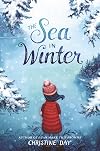
The Sea in Winter
by Christine Day
On This Page
Description
American Indian Youth Literature Award: Middle Grade Honor Book! In this evocative and heartwarming novel for readers who loved The Thing About Jellyfish, the author of I Can Make This Promise tells the story of a Native American girl struggling to find her joy again.It's been a hard year for Maisie Cannon, ever since she hurt her leg and could not keep up with her ballet training and auditions.
Her blended family is loving and supportive, but Maisie knows that they just can't understand show more how hopeless she feels. With everything she's dealing with, Maisie is not excited for their family midwinter road trip along the coast, near the Makah community where her mother grew up.
But soon, Maisie's anxieties and dark moods start to hurt as much as the pain in her knee. How can she keep pretending to be strong when on the inside she feels as roiling and cold as the ocean?
The Heartdrum imprint centers a wide range of intertribal voices, visions, and stories while welcoming all young readers, with an emphasis on the present and future of Indian Country and on the strength of young Native heroes. In partnership with We Need Diverse Books.
. show less
Tags
Recommendations
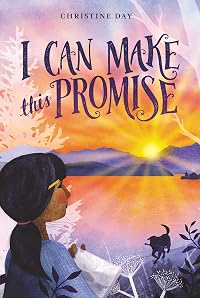
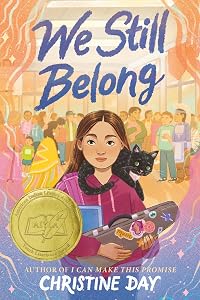













Member Reviews
(Disclaimer: This review is from my personal blog, and, as such, it is written from a Christian perspective.)
Maisie Cannon is a girl with big dreams. Unfortunately, those dreams have received a heavy blow in the form of an injured knee. A ballet dancer since she was four years old, Maisie’s imagination of the future is of her being the next Noelani Pantastico. But with her knee the way it is Maisie can’t try out for the summer ballet classes, and her world seems like it’s crumbling around her. Her only friends were from ballet class, and now it seems like she’s lost them too. With her outlook darkening, Maisie’s grades begin to plummet and she falls into a well of dark depression and cynicism.
When Maisie visits her physical show more therapist he informs her that her knee appears to be getting better and he thinks she might be able to go back to ballet soon. As Maisie leaves on a vacation with her family, she determines that she must get better, she will get better. While her mother, stepfather, and younger brother seem to be enjoying their vacation, Maisie finds herself constantly snapping at her family and fighting to ignore pain in her knee. Things come to a head when she falls on a hike and the pain comes back full force. Maisie can’t believe the degree of the pain, and as her stepfather helps her back to the car she can’t help repeating that ballet is over, all her hopes and dreams. At the emergency room, a climax is reached when Maisie majorly snaps at her mother. Her mother gently tells her the story of when she herself was a young married woman and lost Maisie’s biological father to war in the Middle East. All her hopes and dreams had crumbled and she thought she couldn’t live through it. But she did. Maisie’s mother suggests that Maisie see a different kind of therapist. Someone she can pour out her troubles to. Her mother and stepfather encourage her to start looking for other things to enjoy.
As the book closes a couple months later, Maisie is starting to heal. She has been seeing the therapist, who has been giving her valuable advice, such as encouraging her to participate in fun things, to express gratitude for her support systems, and telling her that she is experiencing anxiety and depression. “She has helped me work through these symptoms, to feel more like myself again. To feel more present in my own body. To resist that hollow ache that sometimes tricks me into thinking I don’t matter. Tricks me into thinking I’m a failure. That I will always be a failure. That I’m only a failure. Or that my family doesn’t love me as much as I love them. Or that my friends don’t really want to hear from me.” Maisie begins to fight these feelings and to approach her troubles head on. She starts volunteering at the local public library and considering political activism. Most importantly, she starts opening her heart to her family’s love again.
My favorite thing about this book is how realistic it was. The author has obviously been through intense mental pain and suffering herself. Otherwise she wouldn’t have been able to writes sentences about gut-wrenching, animal-like yells and pretending you’re not in pain to those who love you most. She captures the anguish of broken dreams and the sorrow of snapping at your loved ones and then wishing you could take it back. This book is very human. Whether you’re 12 or or 42, I think you will understand the emotions in this book.
Another thing I personally appreciated about the book was the way it described Maisie’s cynicism about her parents’ love for her. I myself struggled for years with this illogical doubt and know the truth of this battle. I also liked that the therapist talked about how anxiety and depression are chemical imbalances in the brain. This is so true, and while we can fight these things with some success, there is some level at which we cannot be blamed for these natural emotions. We can be held accountable for what we do with them, but not for the emotions themselves. I really appreciated that the book brought that up. This book was such a real book.
Finally, I enjoyed the author’s descriptions of the land. I used to live in Washington State (although on the east side), and I love that place. Her depictions of the ocean and the forests in such precise, beautiful, descriptive words made it clear that she both knows and loves that land. Only someone wh0 lived there and loves it could have written what she’s written.
“The beach is peppered with round stones and broken seashells. The sand is dark and smooth and wet, gleaming like sealskin as the water pulls back. Driftwood logs are shoved against the far end of the beach, almost to the tree line. They’re clean and massive and bent in gentle angles. They look like the bones of an ancient giant, one that roamed the earth a long time ago.”
“The Sea in Winter” was written by Christine Day, a member of the Upper Skagit nation who grew up in Seattle. Her writing of the Native element in the book is very natural. It doesn’t really stand out; it’s just naturally woven into the story. We know her characters are Native and that’s important to them, but the most important thing is their humanity. The book does educate to a degree, telling us about the importance of Elwha River and the tragedy of the dams that blocked it. It tells us about the impoverishing of Native peoples of the Northwest Coast when they were forbidden to practice their fishing rights. We also learn about when the Makah nation took their first whale in decades. We are exposed to important but largely unknown history. And importantly, this book has what I love to stress – Native people saying “We are still here”.
[Content Warning: As stated before, Maisie is seen snapping at her parents throughout the book. But this is never shown as a good thing, in fact, her sorrow and conviction over it are evident throughout. Thankfully, her parents are aware that her behavior is a symptom of bigger issues, and they consistently show a mixture of firmness and patience. This book is really an encouragement for parents to be patient with their children while never calling an attitude acceptable. One thing I did disagree with is when Maisie’s mom tells her she can get through something simply because she has to. She seems to believe that the strength will come from within. As Christians we know that strength has to come from Christ and we are incapable of overcoming anything on our own. There is also a small Native element of thanking clams for giving themselves to humans to be eaten, a traditional Native belief. Other than that, the book says people turn to the teachings of their ancestors in hard times, but it never really goes into much detail on what those teachings are. The book also says the words “Pride Month” but never explains what it is. Finally, the book mentions the unrest and death threats that occurred around the Makah’s hunting of a whale. It mentions the phrase “Save a whale, kill a Makah“. The afterword of the book also includes a note someone wrote during the incident in which they asked for a license to kill Indians, because their ancestors killed “Redskins[s]“.]
It’s hard for me to find books in this category that I actually appreciate. But this one felt so real and true to life. It wasn’t melodramatic or fake in any way. It talked about important things and handled them in a good way. Although it may require a little bit of talking with your children about how snapping at your parents is never a good thing, I think for the most part children will recognize that on their own, since Maisie always knows it and feels guilty. This book is educational and human. It binds people together, and, with a little explanation, can be used to point your children to Christ. I recommend this book. show less
Maisie Cannon is a girl with big dreams. Unfortunately, those dreams have received a heavy blow in the form of an injured knee. A ballet dancer since she was four years old, Maisie’s imagination of the future is of her being the next Noelani Pantastico. But with her knee the way it is Maisie can’t try out for the summer ballet classes, and her world seems like it’s crumbling around her. Her only friends were from ballet class, and now it seems like she’s lost them too. With her outlook darkening, Maisie’s grades begin to plummet and she falls into a well of dark depression and cynicism.
When Maisie visits her physical show more therapist he informs her that her knee appears to be getting better and he thinks she might be able to go back to ballet soon. As Maisie leaves on a vacation with her family, she determines that she must get better, she will get better. While her mother, stepfather, and younger brother seem to be enjoying their vacation, Maisie finds herself constantly snapping at her family and fighting to ignore pain in her knee. Things come to a head when she falls on a hike and the pain comes back full force. Maisie can’t believe the degree of the pain, and as her stepfather helps her back to the car she can’t help repeating that ballet is over, all her hopes and dreams. At the emergency room, a climax is reached when Maisie majorly snaps at her mother. Her mother gently tells her the story of when she herself was a young married woman and lost Maisie’s biological father to war in the Middle East. All her hopes and dreams had crumbled and she thought she couldn’t live through it. But she did. Maisie’s mother suggests that Maisie see a different kind of therapist. Someone she can pour out her troubles to. Her mother and stepfather encourage her to start looking for other things to enjoy.
As the book closes a couple months later, Maisie is starting to heal. She has been seeing the therapist, who has been giving her valuable advice, such as encouraging her to participate in fun things, to express gratitude for her support systems, and telling her that she is experiencing anxiety and depression. “She has helped me work through these symptoms, to feel more like myself again. To feel more present in my own body. To resist that hollow ache that sometimes tricks me into thinking I don’t matter. Tricks me into thinking I’m a failure. That I will always be a failure. That I’m only a failure. Or that my family doesn’t love me as much as I love them. Or that my friends don’t really want to hear from me.” Maisie begins to fight these feelings and to approach her troubles head on. She starts volunteering at the local public library and considering political activism. Most importantly, she starts opening her heart to her family’s love again.
My favorite thing about this book is how realistic it was. The author has obviously been through intense mental pain and suffering herself. Otherwise she wouldn’t have been able to writes sentences about gut-wrenching, animal-like yells and pretending you’re not in pain to those who love you most. She captures the anguish of broken dreams and the sorrow of snapping at your loved ones and then wishing you could take it back. This book is very human. Whether you’re 12 or or 42, I think you will understand the emotions in this book.
Another thing I personally appreciated about the book was the way it described Maisie’s cynicism about her parents’ love for her. I myself struggled for years with this illogical doubt and know the truth of this battle. I also liked that the therapist talked about how anxiety and depression are chemical imbalances in the brain. This is so true, and while we can fight these things with some success, there is some level at which we cannot be blamed for these natural emotions. We can be held accountable for what we do with them, but not for the emotions themselves. I really appreciated that the book brought that up. This book was such a real book.
Finally, I enjoyed the author’s descriptions of the land. I used to live in Washington State (although on the east side), and I love that place. Her depictions of the ocean and the forests in such precise, beautiful, descriptive words made it clear that she both knows and loves that land. Only someone wh0 lived there and loves it could have written what she’s written.
“The beach is peppered with round stones and broken seashells. The sand is dark and smooth and wet, gleaming like sealskin as the water pulls back. Driftwood logs are shoved against the far end of the beach, almost to the tree line. They’re clean and massive and bent in gentle angles. They look like the bones of an ancient giant, one that roamed the earth a long time ago.”
“The Sea in Winter” was written by Christine Day, a member of the Upper Skagit nation who grew up in Seattle. Her writing of the Native element in the book is very natural. It doesn’t really stand out; it’s just naturally woven into the story. We know her characters are Native and that’s important to them, but the most important thing is their humanity. The book does educate to a degree, telling us about the importance of Elwha River and the tragedy of the dams that blocked it. It tells us about the impoverishing of Native peoples of the Northwest Coast when they were forbidden to practice their fishing rights. We also learn about when the Makah nation took their first whale in decades. We are exposed to important but largely unknown history. And importantly, this book has what I love to stress – Native people saying “We are still here”.
[Content Warning: As stated before, Maisie is seen snapping at her parents throughout the book. But this is never shown as a good thing, in fact, her sorrow and conviction over it are evident throughout. Thankfully, her parents are aware that her behavior is a symptom of bigger issues, and they consistently show a mixture of firmness and patience. This book is really an encouragement for parents to be patient with their children while never calling an attitude acceptable. One thing I did disagree with is when Maisie’s mom tells her she can get through something simply because she has to. She seems to believe that the strength will come from within. As Christians we know that strength has to come from Christ and we are incapable of overcoming anything on our own. There is also a small Native element of thanking clams for giving themselves to humans to be eaten, a traditional Native belief. Other than that, the book says people turn to the teachings of their ancestors in hard times, but it never really goes into much detail on what those teachings are. The book also says the words “Pride Month” but never explains what it is. Finally, the book mentions the unrest and death threats that occurred around the Makah’s hunting of a whale. It mentions the phrase “Save a whale, kill a Makah“. The afterword of the book also includes a note someone wrote during the incident in which they asked for a license to kill Indians, because their ancestors killed “Redskins[s]“.]
It’s hard for me to find books in this category that I actually appreciate. But this one felt so real and true to life. It wasn’t melodramatic or fake in any way. It talked about important things and handled them in a good way. Although it may require a little bit of talking with your children about how snapping at your parents is never a good thing, I think for the most part children will recognize that on their own, since Maisie always knows it and feels guilty. This book is educational and human. It binds people together, and, with a little explanation, can be used to point your children to Christ. I recommend this book. show less
I love how grounded this book is in the Pacific Northwest area, and in local tribal history. In addition to a great portrait of family life, it's a good story about struggling -- about needing help and recovery from trauma, and about moving on from loss. It's a huge pleasure to read books about a modern Native family -- the trauma Maisie is recovering from is an injury that keeps her from pursuing her love of ballet; the plot centers on a family trip to Neah Bay to visit places that are important to her heritage; there is the usual middle grade tension over friends and the difficulties in being patient with younger siblings. Day does a beautiful job of writing a book that could be about many American families, but is also specifically show more about a Makah/ Lower Elwha Klallam/ Piscataway family. I also love that Maisie's father was a veteran, lost to Iraq; several of her parents left school early and struggle, and now prize education. There are so many places in this story for kids to connect to. It's also kind of gentle and quiet -- not a fast moving plot, but never boring, and just such an authentic representation of Maisie's experience that it offers a road map for dealing with the heartbreaking changes that we all face at some point or another, especially now, when all of our routines are upended.
Advanced reader's copy provided by edelweiss. show less
Advanced reader's copy provided by edelweiss. show less
Definitely on the quieter side, this is more character development than eventful plot which maybe won’t work for everyone but I found it emotionally engaging..
With a knee injury endangering her ballerina aspirations, twelve year old Maisie struggles in her friendships, academically, and psychologically, but a family trip may be just the test she needs physically and mentally to push her to deal with the changes in her life.
The family trip is very much based in the outdoors and connected to Maisie’s Indigenous heritage. As a reader who can sometimes get a little bored when it comes to descriptions and historical facts, I thought the author did a really solid job of incorporating those things into the narrative in a way that didn’t show more slow things down or feel like info-dumps, the descriptions were vivid and the history interesting.
I felt for Maisie throughout and her arc is handled thoughtfully, the book doesn’t make it seem like her problems can be solved in a snap yet at the same time it offers hope for her future. I liked that her story didn’t just end where it could have, it continues long enough to get a satisfying glimpse of where Maisie is headed and the effort she’s putting in to get there.
My very favorite thing though in The Sea In Winter, even more so than the ending, was pretty much every scene involving Maisie’s family. Her little brother both annoys her and adores her which felt very true to life. I loved that her mom and step-dad are super caring, tough when she needs it but plenty gentle, too. I was particularly fond of Maisie’s relationship with her step-dad, one of the most memorable and heartwarming moments of the book involved the two of them, an icebag, and microwave popcorn. show less
With a knee injury endangering her ballerina aspirations, twelve year old Maisie struggles in her friendships, academically, and psychologically, but a family trip may be just the test she needs physically and mentally to push her to deal with the changes in her life.
The family trip is very much based in the outdoors and connected to Maisie’s Indigenous heritage. As a reader who can sometimes get a little bored when it comes to descriptions and historical facts, I thought the author did a really solid job of incorporating those things into the narrative in a way that didn’t show more slow things down or feel like info-dumps, the descriptions were vivid and the history interesting.
I felt for Maisie throughout and her arc is handled thoughtfully, the book doesn’t make it seem like her problems can be solved in a snap yet at the same time it offers hope for her future. I liked that her story didn’t just end where it could have, it continues long enough to get a satisfying glimpse of where Maisie is headed and the effort she’s putting in to get there.
My very favorite thing though in The Sea In Winter, even more so than the ending, was pretty much every scene involving Maisie’s family. Her little brother both annoys her and adores her which felt very true to life. I loved that her mom and step-dad are super caring, tough when she needs it but plenty gentle, too. I was particularly fond of Maisie’s relationship with her step-dad, one of the most memorable and heartwarming moments of the book involved the two of them, an icebag, and microwave popcorn. show less
The story of a Native American girl struggling to find her joy again.
It’s been a hard year for Maisie Cannon, ever since she hurt her leg and could not keep up with her ballet training and auditions.
Her blended family is loving and supportive, but Maisie knows that they just can’t understand how hopeless she feels. With everything she’s dealing with, Maisie is not excited for their family midwinter road trip along the coast, near the Makah community where her mother grew up.
But soon, Maisie’s anxieties and dark moods start to hurt as much as the pain in her knee. How can she keep pretending to be strong when on the inside she feels as roiling and cold as the ocean?
It’s been a hard year for Maisie Cannon, ever since she hurt her leg and could not keep up with her ballet training and auditions.
Her blended family is loving and supportive, but Maisie knows that they just can’t understand how hopeless she feels. With everything she’s dealing with, Maisie is not excited for their family midwinter road trip along the coast, near the Makah community where her mother grew up.
But soon, Maisie’s anxieties and dark moods start to hurt as much as the pain in her knee. How can she keep pretending to be strong when on the inside she feels as roiling and cold as the ocean?
Seventh grader Maisie Cannon is struggling with her emotions after a knee injury keeps her away from ballet, which is both her passion and the place where she has the most friends. She isn't sure what to say to anyone these days other than expressing that she's "fine" even though her knee still bothers her. When her doctor clears her for a family hiking trip over winter break, Maisie can't get out of her own head and feels like she's bringing everyone down.
This middle-grade novel was beautifully written in its prose, but not much happens in it. A turning point well past half way is whenshe takes a tumble on a hike and re-injures her knee and this seems to be the only *event* that really happens in the book. The rest is just Maisie show more mulling over feelings in her head and her parents being concerned about her. The book ultimately makes a good case for the need for therapy to untangle complicated emotions, and I really appreciate how much that is becoming a topic in middle-grade literature with no stigma attached at all.
That being said, this book was very slow paced and I felt myself struggling to slog through it at times, especially in the earlier parts as we were still being introduced to Maisie and her surroundings. I can't really picture young readers chomping at the bit to read it; I would be pleased to find myself wrong, however.
The book showcases a lot of diversity, with Maisie's family coming from different indigenous tribes, her father being a deceased veteran, and the supportive presence of Maisie's stepfather and half-brother. Assorted true facts about the various tribes and their histories are shared as part of the story, which is a nice touch. show less
This middle-grade novel was beautifully written in its prose, but not much happens in it. A turning point well past half way is when
That being said, this book was very slow paced and I felt myself struggling to slog through it at times, especially in the earlier parts as we were still being introduced to Maisie and her surroundings. I can't really picture young readers chomping at the bit to read it; I would be pleased to find myself wrong, however.
The book showcases a lot of diversity, with Maisie's family coming from different indigenous tribes, her father being a deceased veteran, and the supportive presence of Maisie's stepfather and half-brother. Assorted true facts about the various tribes and their histories are shared as part of the story, which is a nice touch. show less
Middle-schooler Maisie is recovering from a torn ACL. She misses her friends from ballet, and doesn't really have any friends at school; she also doesn't really care about her school subjects, and her grades are falling. Maisie sinks further into misery on a February vacation week trip with her mother, stepdad Jack, and younger brother Connor, as she hears about her ballet friends' auditions and acceptances into summer programs and struggles with how to respond. Finally, on a hike, Maisie trips on a root and re-injures her knee, forcing her to reassess her dreams for the future.
Maisie's mom is Makah, from Washington State; her biological dad was Piscataway, from Baltimore, but was killed in Afghanistan. Jack is also Native, of the show more Lower Elwha Klallam Tribe. Maisie knows a little bit about each tribe's history - the whale hunt, for example - and seems comfortable in her own Native identity, though she does not explore in much in this story.
Maisie is such a relatable character. She dreams of being a professional ballerina, and though she's happy for her friends' successes, she's devastated for herself, and desperate to get back into the dance studio. She's lonely at school, and in her unhappiness, she says things to her family that she regrets, and has a hard time making right. Ultimately, a conversation in which Maisie's mom reveals more of her own personal history helps, and Maisie begins therapy - not just for her knee, but for her emotional health. A short section ("four months later") shows Maisie's growth trajectory.
Back matter includes an author's note, acknowledgments, a note from Cynthia Leitich Smith, and the first few pages of I Can Make This Promise
Quotes
Sometimes, the evening news feels like the worst kind of entertainment. Like we're all just here to witness each other's tragedies. Or to make fun of other people's choices. To make us all feel crushed and frustrated. To remind us that we live in an uncaring world. (113)
"[See-yah] believed that the health of the river reflected the health of the community." (Jack to Maisie, 128)
Everything in this forest is drenched in a cold sweat... (142)
Mom reaches out. She cups my cheek in one warm, gloved hand, and turns me to face her again. And she says, "Dreams change." She says, "Realities change. People change. We all go through it in different ways." (150)
"I kept imagining these impossible scenarios where something was different, where some small detail could have changed the outcome of our story." (Mom to Maisie, 186)
"None of this means that you've failed....It just means that you're moving forward. Which is about the bravest thing any of us can do." (Jack to Maisie, 190) show less
Maisie's mom is Makah, from Washington State; her biological dad was Piscataway, from Baltimore, but was killed in Afghanistan. Jack is also Native, of the show more Lower Elwha Klallam Tribe. Maisie knows a little bit about each tribe's history - the whale hunt, for example - and seems comfortable in her own Native identity, though she does not explore in much in this story.
Maisie is such a relatable character. She dreams of being a professional ballerina, and though she's happy for her friends' successes, she's devastated for herself, and desperate to get back into the dance studio. She's lonely at school, and in her unhappiness, she says things to her family that she regrets, and has a hard time making right. Ultimately, a conversation in which Maisie's mom reveals more of her own personal history helps, and Maisie begins therapy - not just for her knee, but for her emotional health. A short section ("four months later") shows Maisie's growth trajectory.
Back matter includes an author's note, acknowledgments, a note from Cynthia Leitich Smith, and the first few pages of I Can Make This Promise
Quotes
Sometimes, the evening news feels like the worst kind of entertainment. Like we're all just here to witness each other's tragedies. Or to make fun of other people's choices. To make us all feel crushed and frustrated. To remind us that we live in an uncaring world. (113)
"[See-yah] believed that the health of the river reflected the health of the community." (Jack to Maisie, 128)
Everything in this forest is drenched in a cold sweat... (142)
Mom reaches out. She cups my cheek in one warm, gloved hand, and turns me to face her again. And she says, "Dreams change." She says, "Realities change. People change. We all go through it in different ways." (150)
"I kept imagining these impossible scenarios where something was different, where some small detail could have changed the outcome of our story." (Mom to Maisie, 186)
"None of this means that you've failed....It just means that you're moving forward. Which is about the bravest thing any of us can do." (Jack to Maisie, 190) show less
Maisie is struggling after a knee injury sidelines her from ballet, her passion. She has no friends at school--all her friends are in ballet and it pains her to see them going on ballet school auditions and dancing without her. Physical improvement has Maisie hopeful until she reinjures herself on a family trip and sees her dreams slip away. Her parents suggest therapy to help reframe her thoughts and emotions. The theme of resilience weaves throughout: of the Makah tribe's history of survival, Maisie's mother grieving the death of Maisie's father, the recovery of the Elhwa River, and Maisie's own journey to finding joy again.
Members
- Recently Added By
Lists

Youth: Emotions & Feelings
126 works; 1 member

Torchlight Level 5
18 works; 1 member
Author Information
4+ Works 864 Members
Awards and Honors
Awards
Distinctions
Notable Lists
Common Knowledge
- People/Characters
- Maisie Cannon; Angie Beaumont; Jack Leith; Connor Beaumont-Leith; Eva; Hattie (show all 7); Ms. Porter
- Important places
- Seattle, Washington, USA; Cape Flattery, Washington, USA; Elwha River, Washington, USA
- Dedication
- To anyone who needs a reminder that pain is temporary
- First words
- I'm late to homeroom.
- Last words
- (Click to show. Warning: May contain spoilers.)I bet it will be beautiful.
Classifications
- Genres
- Kids, Tween, Fiction and Literature, Children's Books
- DDC/MDS
- 813.00 — Literature & rhetoric American literature in English American fiction in English By type
- LCC
- PZ7.1 .D392 .S — Language and Literature Fiction and juvenile belles lettres Fiction and juvenile belles lettres Juvenile belles lettres
- BISAC
Statistics
- Members
- 262
- Popularity
- 123,644
- Reviews
- 13
- Rating
- (3.78)
- Languages
- English
- Media
- Paper, Audiobook, Ebook
- ISBNs
- 11
- ASINs
- 2