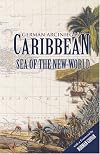
Caribbean: Sea of the New World
by Germán Arciniegas
On This Page
Description
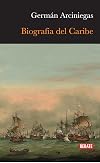
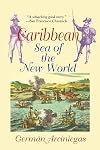
First published in 1946, one year after the Spanish original Biografía del Caribe, Germán Arciniegas's Caribbean Sea of the New World has been described as "a breathtaking and magisterial work, encompassing four centuries of history of the Caribbean basin in its broad sweep.' For Arciniegas the Caribbean Sea was the Mediterranean of the New World, 'a place of fertile and dramatic encounter of people, races, religions and cultures.' Today we know that region as the Greater Caribbean - El show more Gran Caribe. There are four 'books' in this work, corresponding roughly to the four centuries from the arrival of Columbus to the construction of the Panama Canal. Their titles tell the themes: the Golden Age; the Silver Age; the Age of Enlightenment and the Age of Liberty. According to Professor Gustavo Belle Lemus, historian and former Vice-President of Colombia, Arciniegas broke with the traditional nationalistic perspectives of Hispanic American historians by incorporating the Caribbean into the long history of the West, as an integral part of the violent expansion of the Judeo-Christian world that began with the arrival of Columbus. As such, Caribbean See of the New World takes its place as one of the earliest expressions of a Pan-Caribbean intellectual and political consciousness. Today, the book remains a genuine literary and historiographical classic of the Americas. show lessTags
Recommendations






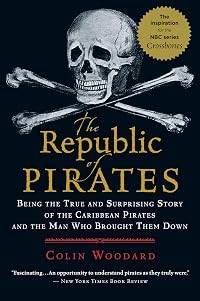
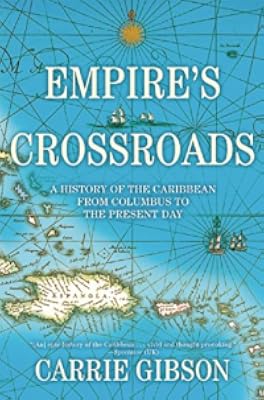
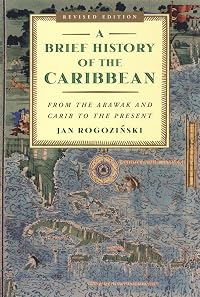
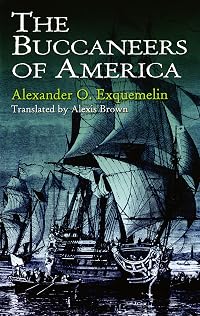




















Member Reviews
„Ha Amerika történetét megtisztítanánk a foltoktól, nem maradna semmi.”
Hm… lenne rá mód, hogy mint történelmi munkát, lehúzzam: helyenként összeszedetlen, a tények mellett pletykákból is bőven építkezik, amiket el se különít kellőképpen egymástól… de mégsem pontozom le. Mert bitang élvezetes. Arciniegas a Karib-szigetvilág négy évszázadát tekinti át Amerika felfedezésén kezdve Amerika kettévágásáig – vagyis Kolumbusztól a Panama-csatorna megépítéséig. Elképesztően izgalmas világba kalauzol el minket – és ezt a világot Arciniegas szemmel láthatóan szenvedéllyel szereti. Sőt, ez már több is, mint szenvedély: a szerző konrétan megragadja a témáját, és fényes show more nappal üzekedik vele egy közpark padján, mindenki szeme láttára. De ez a hozzáállás bizony kiválóan alkalmas a szigetvilág buja, sűrű atmoszférájának érzékeltetésére, meglehet, alkalmasabb, mint hogy Morgan, a kalóz hány hajóűrtonnát süllyesztett el pályafutása során, és hogy ez milyen hatással volt a spanyol gazdaságra.
Arciniegas abból a hipotézisből indul ki, hogy az Újvilág a „nép világa” – amíg az agg Európában az osztályok közötti átjárásnak gátat vet a feudalizmus, addig itt egy disznópásztornak is alkalma nyílhat felemelkedni, felfedezni egy óceánt, vagy egyszerűen az undorítóan gazdagok közé besorolni azzal, hogy kirabol egy ezüsttel teli hajót. Persze ez a megközelítés nyomokban marxizmust tartalmaz, de alapvetően termékeny, és alkalmas arra is, hogy mozgalmasan le lehessen festeni vele egy közeget, amit a csontja velejéig áthat a leküzdhetetlen vágyakozás az arany, a dicsőség vagy épp a szabadság iránt. És hát nem is akárkik vágyakoznak itt: egymás sarkát tapossák a tökösebbnél tökösebb kalandorok, hősök és gazemberek, egy Cortés, egy Drake, egy Toussaint L’Ouverture vagy épp egy Simón Bolívar… Olyan kor és olyan világ ez, amiben a meggyőzés tudománya az akasztás, a vitéz férfi útját ezért fára felaggatott áldozatai szegélyezik, egészen addig, amíg maga is egy nem lesz közöttük… Hja, azok voltak csak a szép idők! Mondjuk addig jó, amíg csak olvasunk róluk, és nem kell benne élnünk…
Izgalmas kaland tehát ez a könyv, bátran ajánlom azoknak, akiknek a lelke mélyén alszik egy kis kalóz, és néha hideg, nyirkos reggel arra ébrednek, hogy a távolból mintha arapapagájok rikácsolását hordaná fülükbe a szél. show less
Hm… lenne rá mód, hogy mint történelmi munkát, lehúzzam: helyenként összeszedetlen, a tények mellett pletykákból is bőven építkezik, amiket el se különít kellőképpen egymástól… de mégsem pontozom le. Mert bitang élvezetes. Arciniegas a Karib-szigetvilág négy évszázadát tekinti át Amerika felfedezésén kezdve Amerika kettévágásáig – vagyis Kolumbusztól a Panama-csatorna megépítéséig. Elképesztően izgalmas világba kalauzol el minket – és ezt a világot Arciniegas szemmel láthatóan szenvedéllyel szereti. Sőt, ez már több is, mint szenvedély: a szerző konrétan megragadja a témáját, és fényes show more nappal üzekedik vele egy közpark padján, mindenki szeme láttára. De ez a hozzáállás bizony kiválóan alkalmas a szigetvilág buja, sűrű atmoszférájának érzékeltetésére, meglehet, alkalmasabb, mint hogy Morgan, a kalóz hány hajóűrtonnát süllyesztett el pályafutása során, és hogy ez milyen hatással volt a spanyol gazdaságra.
Arciniegas abból a hipotézisből indul ki, hogy az Újvilág a „nép világa” – amíg az agg Európában az osztályok közötti átjárásnak gátat vet a feudalizmus, addig itt egy disznópásztornak is alkalma nyílhat felemelkedni, felfedezni egy óceánt, vagy egyszerűen az undorítóan gazdagok közé besorolni azzal, hogy kirabol egy ezüsttel teli hajót. Persze ez a megközelítés nyomokban marxizmust tartalmaz, de alapvetően termékeny, és alkalmas arra is, hogy mozgalmasan le lehessen festeni vele egy közeget, amit a csontja velejéig áthat a leküzdhetetlen vágyakozás az arany, a dicsőség vagy épp a szabadság iránt. És hát nem is akárkik vágyakoznak itt: egymás sarkát tapossák a tökösebbnél tökösebb kalandorok, hősök és gazemberek, egy Cortés, egy Drake, egy Toussaint L’Ouverture vagy épp egy Simón Bolívar… Olyan kor és olyan világ ez, amiben a meggyőzés tudománya az akasztás, a vitéz férfi útját ezért fára felaggatott áldozatai szegélyezik, egészen addig, amíg maga is egy nem lesz közöttük… Hja, azok voltak csak a szép idők! Mondjuk addig jó, amíg csak olvasunk róluk, és nem kell benne élnünk…
Izgalmas kaland tehát ez a könyv, bátran ajánlom azoknak, akiknek a lelke mélyén alszik egy kis kalóz, és néha hideg, nyirkos reggel arra ébrednek, hogy a távolból mintha arapapagájok rikácsolását hordaná fülükbe a szél. show less
A history of the Caribbean, from a Eurocentric Latin American perspective, from the 16th century to the early 20th century.
ACA-5
Jun 30, 2021Catalan
Ratings
Members
- Recently Added By
Lists

Alberto Manguel's 100 Favorite Books
10 works; 1 member
Author Information

81+ Works 357 Members
Both a historian and a writer, German Arciniegas was born in Bogota, Colombia, the son of a Colombian father and a Cuban mother. A skilled observer of society, he has written about Latin American history and culture in numerous books, essays, biographies, and articles in magazines and newspapers throughout the Americas. As a historian, Arciniegas show more complains that textbooks on history are generally limited to political history. Most of his work focuses, not on the political history of specific countries, but on the many facets of Latin American culture and society in general. He has devoted thousands of pages to narratives of common people, common events, and common things. His literary legacy is an excellent point of departure from which to penetrate into the Latin American psyche. The most controversial aspect of Arciniegas's writing is his treatment of Spain. He is often critical of the conquistadores, the Spanish crown, and the colonial system in general. He is a firm believer in the Leyenda Negra, or Black Legend, which holds that the conquistadores killed the Native Americans, that colonists exhausted the mines, and that Spanish officials did nothing but justify the abuses that they themselves often perpetrated. Even so, he concedes that the people who conquered America were ordinary people, some from the lowest strata of Spanish society, and his descriptions of Spanish expeditions in America enhance the heroic status of many of these anonymous early explorers. (Bowker Author Biography) show less
Work Relationships
Common Knowledge
- Canonical title
- Caribbean: Sea of the New World
- Original title
- Biografía del Caribe
- Important places
- Caribbean Region; Caribbean Sea
Classifications
- Genres
- Nonfiction, History, General Nonfiction
- DDC/MDS
- 972.9 — History & geography History of North America Mexico, Central America, West Indies, Bermuda West Indies (Antilles) and Bermuda; Caribbean
- LCC
- F2175 .A67 — Local History of the United States, Canada and Latin America Latin America. Spanish America Caribbean area. Caribbean Sea
- BISAC
Statistics
- Members
- 88
- Popularity
- 363,994
- Reviews
- 3
- Rating
- (4.33)
- Languages
- 5 — English, German, Hungarian, Italian, Spanish
- Media
- Paper, Ebook
- ISBNs
- 12
- ASINs
- 6