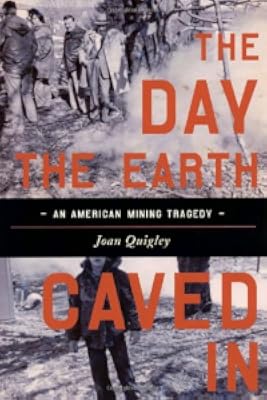
The Day the Earth Caved In: An American Mining Tragedy
by Joan Quigley
On This Page
Description
The Day the Earth CavedIn is an unprecedented and riveting account of the nation’s worst mine fire, beginning on Valentine’s Day, 1981, when twelve-year-old Todd Domboski plunged through the earth in his grandmother’s backyard in Centralia, Pennsylvania. In astonishing detail, award-winning journalist Joan Quigley, the granddaughter of Centralia miners, ushers readers into the dramatic world of the underground blaze——from the media circus and back-room deal-making spawned in the show more wake of Todd’s sudden disappearance, to the inner lives of every day Centralians who fought a government that wouldn’t listen. Drawing on interviews with key participants and exclusive new research, Quigley paints unforgettable portraits of Centralia and its residents, from Tom Larkin, the short-order cook and ex-hippie who rallied the activists, to Helen Womer, a bank teller who galvanized the opposition, denying the fire’s existence even as toxic fumes invaded her home. Here, too, we see the failures of major political and government figures, from Centralia’s congressman, “Dapper” Dan Flood, a former actor who later resigned in the wake of corruption allegations, to James Watt, a former lawyer-lobbyist for the mining industry, who became President Reagan’s controversial interior secretary. Like Jonathan Harr’sA Civil Action,The Day the Earth Caved Inis a seminal investigationof individual rights, corporate privilege, and governmental indifference to the powerless. Exposing facts in prose that reads like fiction, Quigley shows us what happens to a small community when disaster strikes, and what it means to call someplace home. Praise forThe Day the Earth Caved In: "Her scene-by-scene narrative reads like fiction but inspires outrage in the muckraking tradition of Lincoln Steffens and Rachel Carson.” —The New York Times "[A]s a piece of explanatory journalism, The Day The Earth Caved In shines." —Washington Post Book World “It is quite a story.” —The Wall Street Journal “First rate research and journalism combing to tell a sad, often infuriating tale.” —Kirkus Reviews (starred) “Quigley’s riveting account of the nation’s most devastating mine fire will change the way you think about so-called natural disasters, and the emotions we attach to the places we call home. This is an extraordinary book.” —Sean Wilentz,author ofThe Rise of American Democracy “Quigley’s taleis a real-life epic of brutally indifferent government, greedy corporations and the unlikely heroes who fight for their basic human rights. It's all here; made in America. You'll feel enraged to know the truth of what happened in our mountains and proud of your fellow Americans who took on Goliath." — John Passacantando, Executive Director, Greenpeace USA “If you can imagine a book that combines the gritty dignity ofHow Green Was My Valleywith the muckraking ofSilent Spring, then you have some sense of this deeply affecting work.” — Samuel G. Freedman, author ofUpon This Rock “Joan Quigley, the granddaughter of coal miners, has combined meticulous reporting and personal passion to bring us this important book — one that illuminates an underground blaze that many corporate and government officials sought to smother and conceal.” — Gay Talese, author ofA Writer’s Life show lessTags
Recommendations

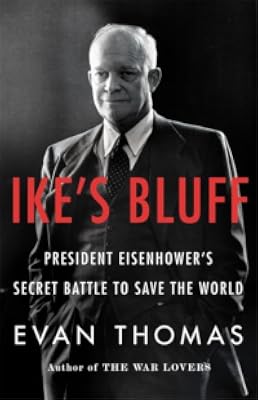
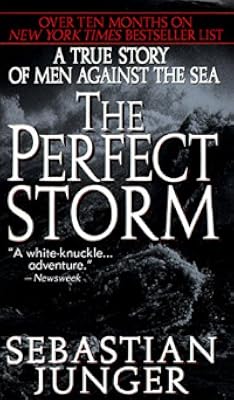
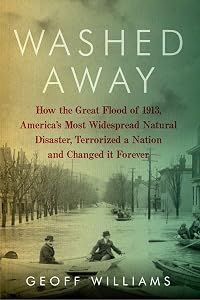
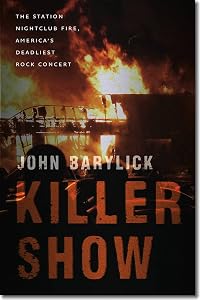


Member Recommendations
Member Reviews
Back about the time I was born (1963), a fire started in an anthracite coal mine that ran underneath the town of Centralia, Pennsylvania. The fire was still burning twenty years later, when -- as an undergraduate geology major -- I visited Centralia on a department field trip. Twenty-five years after that I saw The Day the Earth Caved In at a library sale, and picked it up on a whim, curious about the background of the story.
Joan Quigley, who has her own family ties to Centralia, is interested less in the geology than in the story of a town that – caught between the disastrous consequences of the fire (noxious fumes, sinkholes) and the equally disastrous unwillingness of government officials at any level to take decisive action – show more slowly began, in the early 1980s, to come apart at the seams. She begins the story at a turning-point moment when the near death of a young boy spurred the town to action, and shows how the need to (finally) confront the worsening crisis pitted family against family, neighbor against neighbor, and all against the government and the mining companies.
There are literary echoes, here, of books like A Civil Action (in the story of a town in the throes of ecological disaster), Deer Hunting with Jesus (in the sharp, poigniant portrait of working-class life in a town on the way down), and even The Perfect Storm (in Quigley’s narration of her own reportage). I'm not sure what I was looking for when I picked up the book -- more geology, less human tragedy? -- but this wasn't it, and it went on the "done" pile (and off to someone else via PaperbackSwap.com) after about 50 pages. Your mileage, even more than usual, may vary.
The fire, by the way, is still burning. show less
Joan Quigley, who has her own family ties to Centralia, is interested less in the geology than in the story of a town that – caught between the disastrous consequences of the fire (noxious fumes, sinkholes) and the equally disastrous unwillingness of government officials at any level to take decisive action – show more slowly began, in the early 1980s, to come apart at the seams. She begins the story at a turning-point moment when the near death of a young boy spurred the town to action, and shows how the need to (finally) confront the worsening crisis pitted family against family, neighbor against neighbor, and all against the government and the mining companies.
There are literary echoes, here, of books like A Civil Action (in the story of a town in the throes of ecological disaster), Deer Hunting with Jesus (in the sharp, poigniant portrait of working-class life in a town on the way down), and even The Perfect Storm (in Quigley’s narration of her own reportage). I'm not sure what I was looking for when I picked up the book -- more geology, less human tragedy? -- but this wasn't it, and it went on the "done" pile (and off to someone else via PaperbackSwap.com) after about 50 pages. Your mileage, even more than usual, may vary.
The fire, by the way, is still burning. show less
A history of the Centralia, Pennsylvania mine fire (most famous as the location inspiration for the Silent Hill games). Underwhelming, unfortunately - the history was interesting and tragic, but the writeup was just "okay." One of my biggest complaints is that the book simply stopped once efforts to put out the fire were abandoned and the town was evacuated; I wanted some kind of epilogue at least - what's the town like now? How does this tragedy and massive fuckup influence policy-making today? Did the kids who grew up in carbon monoxide filled homes wind up with tons of freaky health issues, or are they more or less fine now that they're out of there? etc.
Ratings
Members
- Recently Added By
Lists

Accidents, Disasters, and Tragedies
175 works; 7 members
Author Information
2 Works 86 Members
Common Knowledge
- Original publication date
- 2007
- Important places
- Centralia, Pennsylvania, USA
- Epigraph
- Double, double, toil and trouble;
Fire burn and cauldron bubble.
Macbeth, Act IV, Scene 1 - Dedication
- For my father
- Quotations
- ...it reveals the legacy of an environmental catastrophe, its human tolls and triumphs, its corporate greed and indifference, its governmental lapses and neglect. In its historic sweep, it stands as a cautionary tale—timele... (show all)ss and time-bound—in a country divided by class and religion, buffeted by corporate misconduct, and dismantling its environmental protection laws. This is the story of a dying coal town ensnared in the Reagan Revolution’s afterbirth, of a small community rent by one of the mining industry’s worst disasters, and of the irreplaceable bond of home.
“The rights and interests of the laboring man will be protected and cared for, not by the labor agitators, but by the Christian men to whom God in His infinite wisdom has given the control of the property interests of the c... (show all)ountry,” said George F. Baer, the Reading president, in a widely published letter.
Down in Washington, federal officials hoarded their principal like penny-pinching heirs to the family fortune. From the outset, they questioned the logic of investing $9 million in Centralia when the borough’s combined real... (show all) estate portfolio—five hundred homes, four churches, a state-of-the-art municipal building, and a decommissioned high school, now housing a furniture outlet—carried an assessed value of only about half a million dollars. Even with a former peanut farmer in the White House promoting solar power, Centralia wasn’t worth saving.
...staff should not inject environmental statements with “inflammatory words such as disturbed, devastated, defiled, ravaged, gouged, scarred and destroyed…. These are words used by the Sierra Club, Friends of the Earth, ... (show all)environmentalists, homosexuals, ecologists, and other ideological eunuchs opposed to developing mining resources.”
Secretary Watt, meanwhile, reconfigured the Interior Department’s seal, realigning the American buffalo, whose head had faced to the left for 133 years, and flipping it to the right.
In mid-July, Watt presided over a ceremony marking his approval of Pennsylvania’s abandoned-mine reclamation program, the twenty-first of twenty-four states to qualify.
Thornburgh’s office, closing in on the final months of his bid for a second term, lauded the milestone as another victory for Reagan-era federalism, even though the underlying legislation dated back to the Carter presidency... (show all).
Pennsylvania slotted its initial windfall, approximately $11 million, for subsidence control and exploratory drilling projects near Scranton and Pittsburgh. Centralia, with its eight hundred predominantly Democratic votes, re... (show all)ceived nothing. - Blurbers
- Wilentz, Sean; Freedman, Samuel G.; Passacantando, John; Talese, Gay
- Canonical DDC/MDS
- 363.379
- Canonical LCC
- TN315
Classifications
- Genres
- Nonfiction, History, General Nonfiction
- DDC/MDS
- 363.379 — Society, government, & culture Social problems and social services Public Safety - Police, Crime Investigation Terrorism, Disasters, Civil Defense Fires and fire-fighting
- LCC
- TN315 — Technology Mining engineering. Metallurgy Mining engineering. Metallurgy Practical mining operations. Safety measures
- BISAC
Statistics
- Members
- 77
- Popularity
- 411,807
- Reviews
- 2
- Rating
- (3.44)
- Languages
- English
- Media
- Paper, Ebook
- ISBNs
- 3
- ASINs
- 1