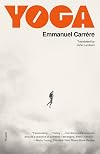
Yoga
by Emmanuel Carrère
On This Page
Description
"A raucous and brilliant anatomy of a breakdown by Emmanuel Carrère, one of our brightest and most surprising international writers"-- "Emmanuel Carrère is a renowned writer. After decades of emotional upheaval, he has begun to live successfully--he is healthy; he works; he loves. He practices meditation, striving to observe the world without evaluating it. In this state of heightened awareness, he sets out for a ten-day silent retreat in the French heartland, leaving his phone, his books, show more and his daily life behind. But he's also gathering material for his next book, which he thinks will be a pleasant, useful introduction to yoga. Four days later, there's a tap on the window: something has happened. Forced to leave the retreat early, he returns to a Paris in crisis. Life is derailed. His city is in turmoil. His work-in-progress falters. His marriage begins to unravel, as does his entanglement with another woman. He wavers between opposites--between self-destruction and self-control; sanity and madness; elation and despair. The story he has told about himself falls away. And still, he continues to live. This is a book about one man's desire to get better, and to be better. It is laced with doubt, animated by the dangerous interplay between what is fiction and what is real. Loving, humorous, harrowing and profound, Yoga hurls us towards the outer edges of consciousness, where, finally, we can see things as they really are"-- show lessTags
Recommendations



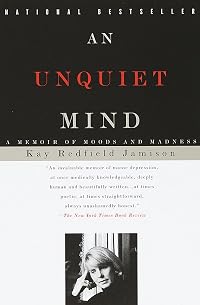

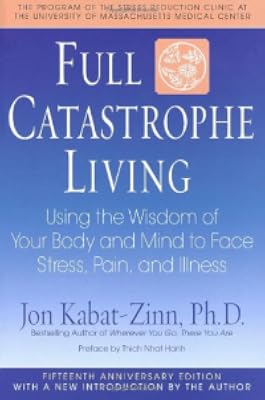









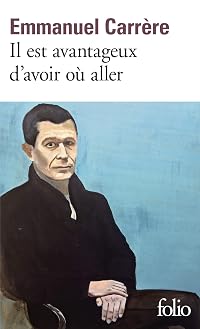




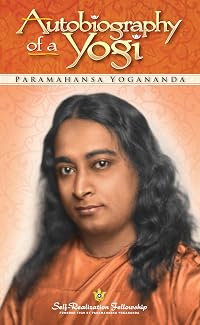





















Member Recommendations
Member Reviews
(Read in French)
I like Emmanuel Carrere and his philosophy on art. He talks about his work being more concerned with the "chemin" than the "destination", and how he feels gratified when he finds that the project he is working on ends up in a place totally unexpected from when he began. I too find this kind of work fascinating; while it is of course wonderful to encounter a work of art that is honed and shimmering like a polished gemstone, there is an honesty and authenticity when the artist leaves in traces of the sketches, impressions, and tangents.
That being said, this kind of work sort of requires you to vibe with the author so to speak - if I didn't like Carrere and his style, this book would have been a slog. According to my show more ereader, I spent around 12 hours reading this book; that's a long time to spend with someone when the only topic is themselves. This "vibing" only goes so far, and by the end of the book, I was wondering how we ended up where we were. Carrere's main preoccupation here is his loss of faith in his spiritual/physical practice. He spent more than thirty years practicing yoga (which he defines broadly as including things like tai chi and meditation) and yet still found himself falling prey to the follies of human existence, narcissism, selfishness, and most importantly, deep and all-consuming depression. He also struggles with the idea that the negation of the self and the freedom from desire that is the ultimate goal of so many eastern spiritual practices (at least in the versions that have made it to the west) is worthwhile in the first place. Maybe to deny desire is deny life itself? Having somehow stumbled into reading yet another book about depression, all these ideas and anxieties were relatable for me. I think Carrere has a lot to say on the conundrum faced by the depressive; sometimes gaining perspective on how insignificant your life is can be liberating, sometimes it only feeds your deepest existential dreads.
The book however starts to get tangled up in its own webs about halfway through when Carrere delves into his time in Greece. This part wasn't uninteresting, but it felt like the beginning of a different book entirely, and I'm still not sure why it was included besides as a long set-up for an anecdote about Martha Argerich. I think if this book had been trimmed down to a kind of monograph on yoga and depression, it would have come off better. show less
I like Emmanuel Carrere and his philosophy on art. He talks about his work being more concerned with the "chemin" than the "destination", and how he feels gratified when he finds that the project he is working on ends up in a place totally unexpected from when he began. I too find this kind of work fascinating; while it is of course wonderful to encounter a work of art that is honed and shimmering like a polished gemstone, there is an honesty and authenticity when the artist leaves in traces of the sketches, impressions, and tangents.
That being said, this kind of work sort of requires you to vibe with the author so to speak - if I didn't like Carrere and his style, this book would have been a slog. According to my show more ereader, I spent around 12 hours reading this book; that's a long time to spend with someone when the only topic is themselves. This "vibing" only goes so far, and by the end of the book, I was wondering how we ended up where we were. Carrere's main preoccupation here is his loss of faith in his spiritual/physical practice. He spent more than thirty years practicing yoga (which he defines broadly as including things like tai chi and meditation) and yet still found himself falling prey to the follies of human existence, narcissism, selfishness, and most importantly, deep and all-consuming depression. He also struggles with the idea that the negation of the self and the freedom from desire that is the ultimate goal of so many eastern spiritual practices (at least in the versions that have made it to the west) is worthwhile in the first place. Maybe to deny desire is deny life itself? Having somehow stumbled into reading yet another book about depression, all these ideas and anxieties were relatable for me. I think Carrere has a lot to say on the conundrum faced by the depressive; sometimes gaining perspective on how insignificant your life is can be liberating, sometimes it only feeds your deepest existential dreads.
The book however starts to get tangled up in its own webs about halfway through when Carrere delves into his time in Greece. This part wasn't uninteresting, but it felt like the beginning of a different book entirely, and I'm still not sure why it was included besides as a long set-up for an anecdote about Martha Argerich. I think if this book had been trimmed down to a kind of monograph on yoga and depression, it would have come off better. show less
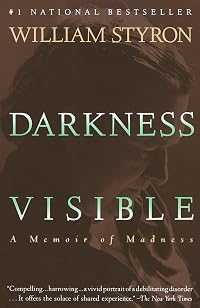
I found this book to be an exceptionally sincere and well written account of mental sufferance. It reminded me of Styron's "Darkness visible".
It speaks to all those who are fighting mental illness every day of their life and to those who are trying to get a bit of peace by practicing meditation or yoga.
It speaks to all those who are fighting mental illness every day of their life and to those who are trying to get a bit of peace by practicing meditation or yoga.
Libro che mette in discussione la relazione fra mondo interiore ed esteriore, nonché (come credo in tutto Carrere, di cui questo è il primo libro che leggo) fra verità e invenzione rispetto alla dimensione del racconto (e della "auto-fiction", come si è soliti chiamarla) e infine, più in generale, fra vero e falso (vedi anche le dichiarazioni dell'ex moglie). La vicenda si sviluppa in modo frammentato e imprevedibile, seguendo i "salti" che la vita del protagonista (o quanto meno la sua narrazione relativa a essa) subisce, mettendo in luce, comunque la si guardi, una condizione di malessere e sofferenza, che è presente fin dalla prima (lenta, a tratti noiosa) parte per poi esplodere a partire dalla seconda.
Fictie of non fictie? Heerlijk verhalend (vanuit zichzelf) beschreven en op aangename manier (al lezend dus) veel bijgeleerd, eerder nog over meditatie en rai chi dan over yoga.
really really painful and boring
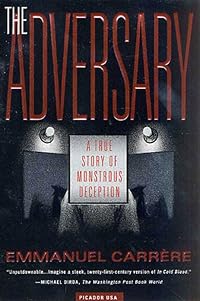
high expectations after The Adversary: not even close
high expectations after The Adversary: not even close
Vuelve al nivel de El Adversario. Muy gustó mucho. Áspero.
Ein schwieriges Buch.
Der Stil gefällt mir nicht, mehr Reportage oder Kolportage als ein Roman. Merkwürdige Mischung aus Sachbuch und Belletristik, stilistisch bei weitem nicht so meisterhaft wie etwa ein Knausgård. Als Leser habe ich mich gefühlt wie bei der Lektüre eines Zeitschriftenartikels über eine Reise: Zu sehr auf Highlights ausgerichtet, zu bruchstückhaft, zu anbiedernd kumpelhaft (Ich erzähl Dir meine Geheimnisse!), um wirklich zu überzeugen. Die unangenehme, „moderne“ Form von Journalismus, die überall um sich greift.
Gleichzeitig sind mir die Themen des Buchs sehr wichtig, vor allem Depression und Spiritualität. Schon vor dem im Buch geschilderten Absturz wird klar, dass Carrère zwar lange geübt, aber nicht show more übermäßig viel verstanden hat. Sein ursprünglich geplantes, „feinsinniges“ Buch über Yoga wäre furchtbar geworden. Gleichzeitig bleibt er aber erfrischend ehrlich, lässt sich nicht vom bedeutungsschwangeren Heiligkeits-Blabla der Spiritualitätsindustrie mitreißen, drückt relativ präzise die üblichen Hoffnungen eines Suchers aus.
Die Beschreibungen des dann folgenden Aufenthalts in einer psychiatrischen Klinik sind sehr bedrückend und für jemanden, der mit Depression vertraut ist, auch äußerst beängstigend. Vielleicht der echteste, tiefste Teil des Buches.
Was dann folgt sind die etwas langweiligen Beschreibungen einer privilegierten Genesungsphase.
Nicht mein Ding, aber stellenweise sehr beeindruckend. show less
Der Stil gefällt mir nicht, mehr Reportage oder Kolportage als ein Roman. Merkwürdige Mischung aus Sachbuch und Belletristik, stilistisch bei weitem nicht so meisterhaft wie etwa ein Knausgård. Als Leser habe ich mich gefühlt wie bei der Lektüre eines Zeitschriftenartikels über eine Reise: Zu sehr auf Highlights ausgerichtet, zu bruchstückhaft, zu anbiedernd kumpelhaft (Ich erzähl Dir meine Geheimnisse!), um wirklich zu überzeugen. Die unangenehme, „moderne“ Form von Journalismus, die überall um sich greift.
Gleichzeitig sind mir die Themen des Buchs sehr wichtig, vor allem Depression und Spiritualität. Schon vor dem im Buch geschilderten Absturz wird klar, dass Carrère zwar lange geübt, aber nicht show more übermäßig viel verstanden hat. Sein ursprünglich geplantes, „feinsinniges“ Buch über Yoga wäre furchtbar geworden. Gleichzeitig bleibt er aber erfrischend ehrlich, lässt sich nicht vom bedeutungsschwangeren Heiligkeits-Blabla der Spiritualitätsindustrie mitreißen, drückt relativ präzise die üblichen Hoffnungen eines Suchers aus.
Die Beschreibungen des dann folgenden Aufenthalts in einer psychiatrischen Klinik sind sehr bedrückend und für jemanden, der mit Depression vertraut ist, auch äußerst beängstigend. Vielleicht der echteste, tiefste Teil des Buches.
Was dann folgt sind die etwas langweiligen Beschreibungen einer privilegierten Genesungsphase.
Nicht mein Ding, aber stellenweise sehr beeindruckend. show less
Feb 12, 2023 (Edited)German
Members
- Recently Added By
Lists

Books Read in 2021
5,361 works; 114 members

Books Read in 2023
5,547 works; 145 members
Author Information

41+ Works 6,842 Members
Emmanuel Carrere is one of France's most critically acclaimed writers, author of screenplays, a biography of Philip K. Dick, and two novels, including CLASS TRIP, which won the prestigious Prix Femina. A major bestseller in France, THE ADVERSARY is being published in eighteen countries. Carrere lives in Paris (Bowker Author Biography)
Some Editions
Awards and Honors
Awards
Distinctions
Series
Belongs to Publisher Series
Llibres Anagrama (80)
Gallimard, Folio (7116)
Classifications
Statistics
- Members
- 417
- Popularity
- 74,236
- Reviews
- 13
- Rating
- (3.87)
- Languages
- 11 — Catalan, Dutch, English, French, German, Italian, Norwegian, Portuguese, Serbian, Spanish, Swedish
- Media
- Paper, Audiobook, Ebook
- ISBNs
- 28
- ASINs
- 10