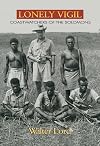
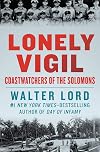
Lonely Vigil: Coastwatchers of the Solomons
by Walter Lord
On This Page
Description
In the bloodiest island combat of World War II, one group of men risked it all to fight from behind Japanese linesThe Solomon Islands was where the Allied war machine finally broke the Japanese empire. As pilots, marines, and sailors fought for supremacy in Guadalcanal, Bougainville, and the Slot, a lonely group of radio operators occupied the Solomon Islands' highest points. Sometimes encamped in comfort, sometimes exposed to the elements, these coastwatchers kept lookout for squadrons of show more Japanese bombers headed for Allied positions, holding their own positions even when enemy troops swarmed all around.They were Australian-born but Solomon-raised, and adept at survival in the unforgiving jungle environment. Through daring and insight, they stayed one step ahead of the Japanese, often sacrificing themselves to give advance warning of an attack. In Lonely Vigil, Lord tells of the survivors of the campaign, and of what they risked to win the war in the Pacific. show lessTags
Recommendations









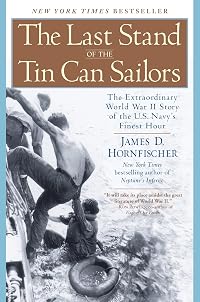

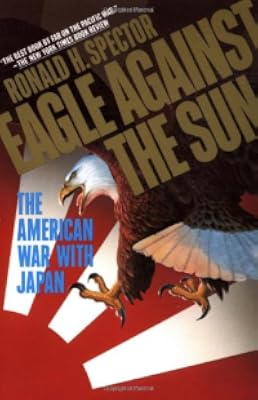


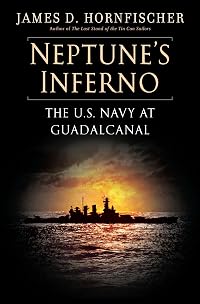


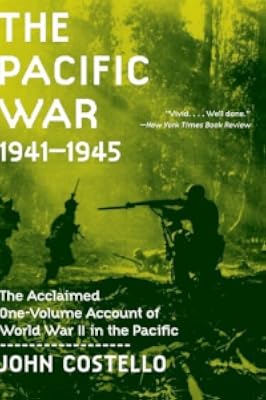






Member Recommendations

Member Reviews
This book would seem an unlikely choice for a woman of a certain age who's never seen one nanosecond of combat, but.... I read Walter Lord's A Night to Remember about the sinking of the Titanic, and I know how well he wrote non-fiction. I've also watched movies like South Pacific and In Harm's Way which touch lightly on the usefulness of the coastwatchers. Finally, my grandfather served in the US Navy in the South Pacific during World War II, and in reading military history about this time and place, I understand why he came home with nightmares.
Walter Lord's book shows why the Solomon Islands were crucial territory during the war, and the explanation of how the coastwatchers were formed and what these people went through is excellent. show more The coastwatchers' emblem was the peace-loving Ferdinand the Bull; they were supposed to observe and pass along information, they were not to fight. But this self-reliant group of independent thinkers knew that there are times when one has to think outside the box.
What these people went through runs the gamut of H's from hair-raising to humorous to heart-warming. Lord's non-fiction reads like fiction because he knew that what's important is people, not dates. Readers learn about a priest who was ordered to evacuate but managed to avoid leaving and of a nurse doing valuable work with the coastwatchers who couldn't escape her own evacuation orders. Readers learn about a young Navy lieutenant named John F. Kennedy and of the more than one hundred pilots the coastwatchers saved. And who could forget the submarine torpedo room turned into a nursery for evacuees and the ten-month-old baby who wouldn't stop crying unless he was being held by a burly bearded torpedoman named Phillips?
The coastwatchers worked among natives who could be friends one day and enemies the next. They had to remain hidden from Japanese soldiers who were constantly searching for them. They often had to move from one hiding place to another at very short notice, and they couldn't leave behind their radios (which weighed hundreds of pounds). Moving by stealth in thick, wet jungle and mountainous terrain-- often with injured pilots-- was brutal, exhausting work.
Lonely Vigil brings the work of these men to life. It's an important chapter in the history of World War II that will stay with me for a long, long time. show less
Walter Lord's book shows why the Solomon Islands were crucial territory during the war, and the explanation of how the coastwatchers were formed and what these people went through is excellent. show more The coastwatchers' emblem was the peace-loving Ferdinand the Bull; they were supposed to observe and pass along information, they were not to fight. But this self-reliant group of independent thinkers knew that there are times when one has to think outside the box.
What these people went through runs the gamut of H's from hair-raising to humorous to heart-warming. Lord's non-fiction reads like fiction because he knew that what's important is people, not dates. Readers learn about a priest who was ordered to evacuate but managed to avoid leaving and of a nurse doing valuable work with the coastwatchers who couldn't escape her own evacuation orders. Readers learn about a young Navy lieutenant named John F. Kennedy and of the more than one hundred pilots the coastwatchers saved. And who could forget the submarine torpedo room turned into a nursery for evacuees and the ten-month-old baby who wouldn't stop crying unless he was being held by a burly bearded torpedoman named Phillips?
The coastwatchers worked among natives who could be friends one day and enemies the next. They had to remain hidden from Japanese soldiers who were constantly searching for them. They often had to move from one hiding place to another at very short notice, and they couldn't leave behind their radios (which weighed hundreds of pounds). Moving by stealth in thick, wet jungle and mountainous terrain-- often with injured pilots-- was brutal, exhausting work.
Lonely Vigil brings the work of these men to life. It's an important chapter in the history of World War II that will stay with me for a long, long time. show less
Having read some fiction about the South Pacific, I decided to switch up to some history. Lord is one of the titans of popular history, having written a widely read history of the Titanic sinking in the 50s, as well as an account of the Pearl Harbor attack. Like is says on the title, this is about the Coastwatchers in the Solomon Islands.
In 1942, with Japan on the advance everywhere, the last vestiges of British colonial authority in the Solomons were a handful of men attached to Australian Naval Intelligence. They were equipped with "portable" radios weighing 300 kg, plus batteries, generators, and fuel, and had little other support beyond that which they could wring from personal connections with the natives. Their mission was to show more elude Japanese patrols and report on naval and air activity. When the Americans landed on Guadalcanal, this mission became critical. The geography of the Slot between Rabaul and Guadalcanal constrained the Japanese to one strike a day at about noon, but the Coastwatchers could report how big the strike was and the exact timing, enabling the defenders of the Cactus Airforce to reach interception altitude and disperse their own bombers. In the long attritional campaign, this defensive intelligence advantage proved key. The Americans lost something like 120 aircraft, the Japanese 250 (fuzzy numbers from memory). As the tide turned, and the Americans began advancing, the Coastwatchers and their native allies turned into a vital resuce service, saving over one hundred pilots, and even more sailors. Americans knew that if they were forced to bail out or abandon ship, there were decent odds they would be found by friends, rather than the Japanese or fabled cannibal headhunters.
Lord wrote his book in the 70s, which has the advantage that many of the Coastwatchers were still alive. There's a vivid quality to the anecdotes which purely textual histories fail to capture. However, this comes at the expense of thematic unity or a real thesis. show less
In 1942, with Japan on the advance everywhere, the last vestiges of British colonial authority in the Solomons were a handful of men attached to Australian Naval Intelligence. They were equipped with "portable" radios weighing 300 kg, plus batteries, generators, and fuel, and had little other support beyond that which they could wring from personal connections with the natives. Their mission was to show more elude Japanese patrols and report on naval and air activity. When the Americans landed on Guadalcanal, this mission became critical. The geography of the Slot between Rabaul and Guadalcanal constrained the Japanese to one strike a day at about noon, but the Coastwatchers could report how big the strike was and the exact timing, enabling the defenders of the Cactus Airforce to reach interception altitude and disperse their own bombers. In the long attritional campaign, this defensive intelligence advantage proved key. The Americans lost something like 120 aircraft, the Japanese 250 (fuzzy numbers from memory). As the tide turned, and the Americans began advancing, the Coastwatchers and their native allies turned into a vital resuce service, saving over one hundred pilots, and even more sailors. Americans knew that if they were forced to bail out or abandon ship, there were decent odds they would be found by friends, rather than the Japanese or fabled cannibal headhunters.
Lord wrote his book in the 70s, which has the advantage that many of the Coastwatchers were still alive. There's a vivid quality to the anecdotes which purely textual histories fail to capture. However, this comes at the expense of thematic unity or a real thesis. show less
The fascinating story of a handful of men--missionaries, traders, planters--who stayed behind on Japanese occupied islands to rescue downed Allied airmen and relay information to the Allies fighting in the Pacific. Insight into unusual men who voluntarily ran great risks, as told by a good story-teller and WWII historian.
interviews supplemented by photos and a personal visit by the author to Guadalcanal create a good memoir for the coastwatchers
Ratings
Members
- Recently Added By
Author Information

20+ Works 7,922 Members
Walter Lord is the author of several best-selling works of history, including "A Night to Remember", the recreation of the sinking of the Titanic. He lives in New York City. (Publisher Provided) John Walter Lord, Jr. (October 8, 1917- May 19, 2002), was an American author, best known for his documentary-style non-fiction account A Night to show more Remember, about the sinking of the RMS Titanic. He was born in Baltimore, Maryland; he attended Princeton University and alo earned a law degree from Yale Law School. Lord wrote 11 bestselling books on such subjects as Pearl Harbor (Day of Infamy, 1957), the Battle of Midway (Incredible Victory, 1967), the Battle of the Alamo (A Time to Stand, 1961). He is perhaps best known for his classic work about the crash of the Titanic, A Night to Remember (1955). Lord died at age 84 after a long battle with Parkinson's disease. He resided in Manhattan, New York. (Bowker Author Biography) show less
Common Knowledge
- Important places
- Solomon Islands
- Important events
- World War II (1939 | 1945); World War II, Pacific Theater (1941-12-07 | 1945-09-02); Guadalcanal Campaign (1942-08-07 | 1943-02-09)
Classifications
Statistics
- Members
- 310
- Popularity
- 103,385
- Reviews
- 4
- Rating
- (3.76)
- Languages
- English
- Media
- Paper, Audiobook, Ebook
- ISBNs
- 8
- ASINs
- 12