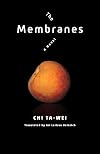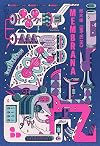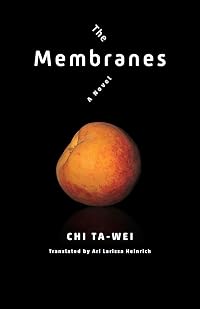
The Membranes: A Novel
by Ta-Wei Chi
On This Page
Description
"It is the late twenty-first century, and Momo is the most celebrated dermal care technician in all of T City. Humanity has migrated to domes at the bottom of the sea to escape devastating climate change. The world is dominated by powerful media conglomerates and runs on exploited cyborg labor. Momo prefers to keep to herself, and anyway she's too busy for other relationships: her clients include some of the city's best-known media personalities. But after meeting her estranged mother, she show more begins to explore her true identity, a journey that leads to questioning the bounds of gender, memory, self, and reality. First published in Taiwan in 1995, The Membranes is a classic of queer speculative fiction in Chinese. Chi Ta-wei weaves dystopian tropes-heirloom animals, radiation-proof combat drones, sinister surveillance technologies-into a sensitive portrait of one young woman's quest for self-understanding. Predicting everything from fitness tracking to social media saturation, this visionary and sublime novel stands out for its queer and trans themes. The Membranes reveals the diversity and originality of contemporary speculative fiction in Chinese, exploring gender and sexuality, technological domination, and regimes of capital, all while applying an unflinching self-reflexivity to the reader's own role. Ari Larissa Heinrich's translation brings Chi's hybrid punk sensibility to all readers interested in books that test the limits of where speculative fiction can go"-- show lessTags
Recommendations
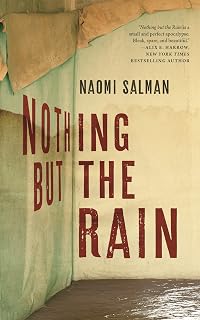
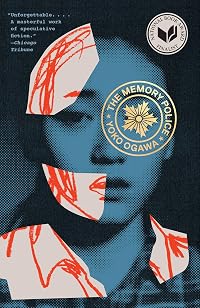
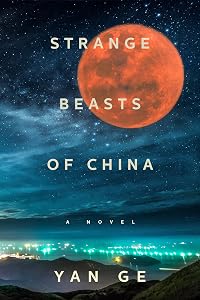

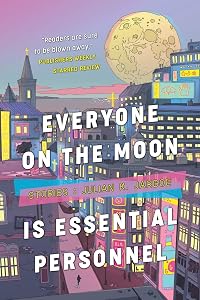
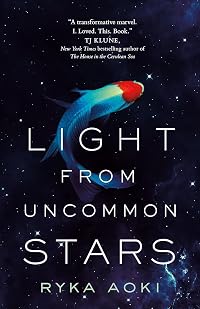
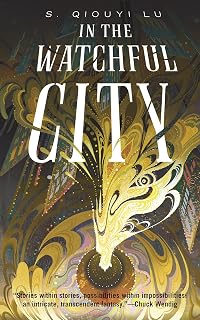


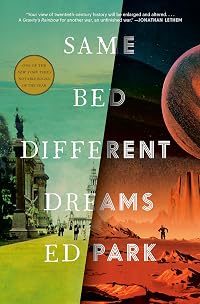
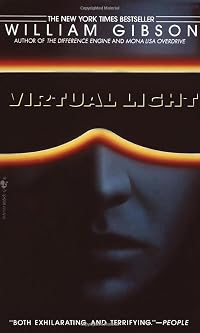
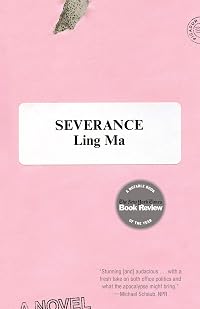
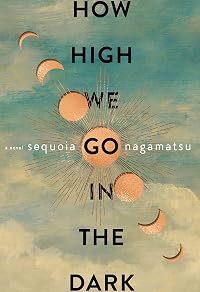
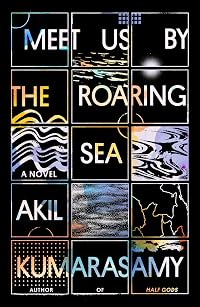
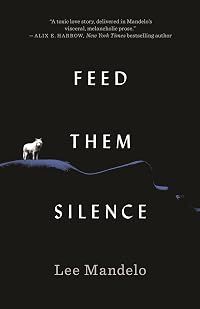
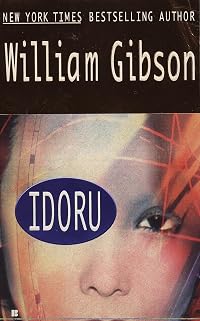
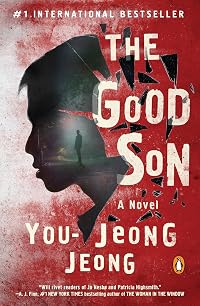

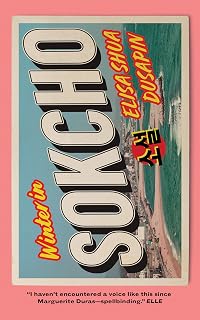
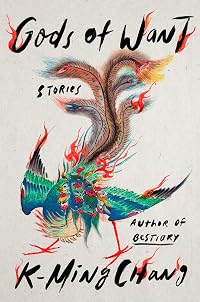


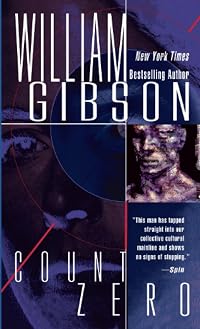
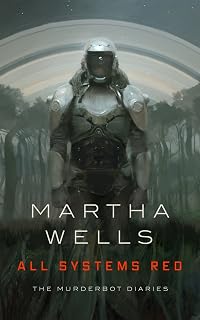
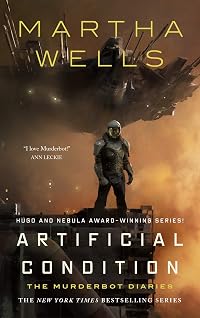
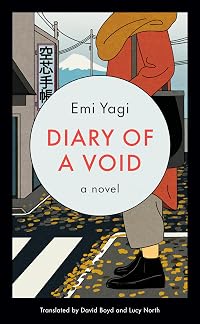
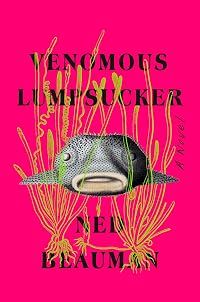
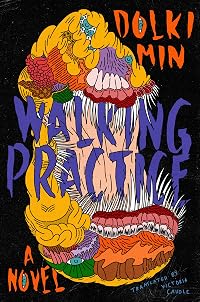
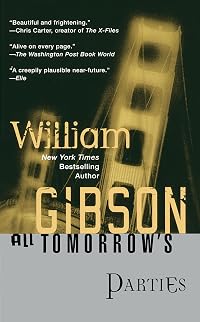

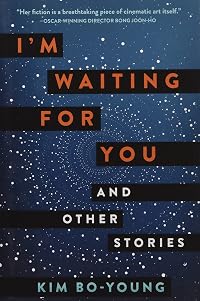

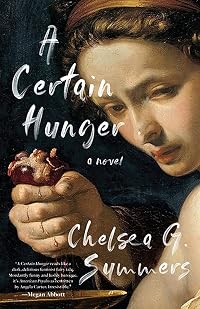
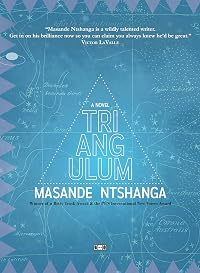
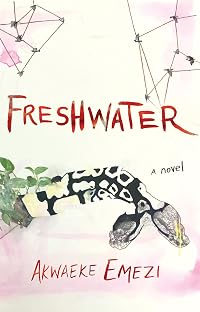
Member Recommendations
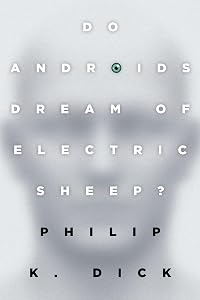
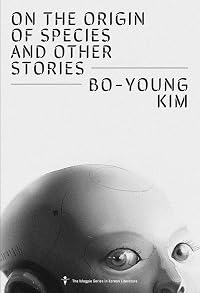
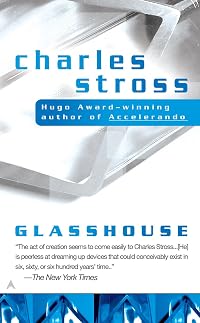
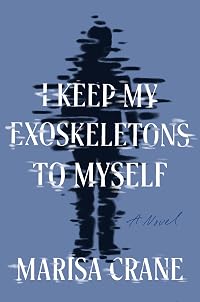
JessiAdams Both are books about young people in a future society where consciousness can be deceiving.
Member Reviews
Last week I was delighted to discover that my local branch library has acquired a whole pile of new sci-fi in translation. I immediately borrowed as many as I could fit on my card. First came [b:The Membranes|55825321|The Membranes|Chi Ta-wei|https://i.gr-assets.com/images/S/compressed.photo.goodreads.com/books/1610415794l/55825321._SY75_.jpg|46402572], a short novel first published in Taiwan in 1996. It follows the life of Momo, who works as a dermal care technician in undersea T City. In the late 21st century humanity has moved to the ocean floor to escape from pollution, but proxy wars are still fought on the surface using robots. The narrative gradually unravels Momo's past, present, and future. Her story involves themes of show more embodiment, gender, privacy, autonomy, queerness, parenthood, and consciousness. I found the unfolding of the puzzle that is Momo's life fascinating. The world-building details are vivid, pleasantly strange, and sometimes beautiful. The twist that comes three quarters of the way through is well-judged and moving. I also enjoyed the essay at the end, reflecting on the Taiwanese social context when [b:The Membranes|55825321|The Membranes|Chi Ta-wei|https://i.gr-assets.com/images/S/compressed.photo.goodreads.com/books/1610415794l/55825321._SY75_.jpg|46402572] was written. 26 years after it was first published, this novel still has a beguiling originality. Some elements reminded me of [b:The Tiger Flu|39070352|The Tiger Flu|Larissa Lai|https://i.gr-assets.com/images/S/compressed.photo.goodreads.com/books/1523684522l/39070352._SY75_.jpg|60621401], but the treatment of physical sensation, cyborgs, and excavating your own past is unique and striking. show less
A prescient fable that explores the boundaries of what it means to be human. We gradually find things out based on the perspective of the main character in the first section, only to have our point of view completely unhinged by another reality in the latter part of the book. All of this transpires in a very understated series of developments that take on new meaning as the book unfolds. As the translator asks in the afterward, "Who are you before you read the book, and who after?" Who you are depends on how you confront some of these same aspects of the human condition. Similar in theme to _The Matrix_, but found here without the drama or the martial arts. Loads of angst. Profound and indelible.
The Membranes, a Taiwanese sci-fi classic, was first published in 1995, about a decade after martial law was lifted and people began to experiment with art and literature and, according to the translator, create a kind of punk culture. I strongly recommend reading the translator's notes after finishing the novel — they gave me a much greater appreciation for the book, not only because I then had the background information, but because some of the novel's structural and stylistic choices were explained and discussed. It all kind of came together. In the most clichéd of expressions, my mind kind of exploded. This book is good.
Content warnings:
- sexual assault and rape
- forced sexual reassignment surgery
- organ harvesting
- pedophilia
- show more cannibalism
Content warnings:
- almost every character is part of the LGBT community
- Momo can strongly be read as being aromantic
- Momo is also disabled, the survivor of a deadly childhood virus, during which she needed several surgeries and organ transplants
- Momo can also strongly be read as being trans ("it was just an annoying bit of flesh")
In the late 21st-century, Momo is the best dermal care technician in T City, one of the many undersea domed cities humanity has now retreated to in the face of climate change. Corporations run the world and function on cyborg slavery. Momo keeps to herself and prefers it that way, but when she meets the mother she hasn't heard from in years, her sense of self, and the world around her, unravels.
I'll be honest, in the beginning and throughout much of the middle, I thought the writing was a bit clumsy, especially the dialogue. But the ideas were haunting. In my notes I have written, "My eyes are wide open, and I'm just over-examining everything, thinking 'what could that mean??'" Even though the book was written in the 90s, the author predicted so much about our current society and technologies correctly, it's wild.
And then in the second half I was convinced the text needed a bit more refining, because it read like a bunch of notes instead of prose — and then I was convinced it was the translation that was clumsy. But reading the translator's notes (because, unfortunately, I blamed the author and the translator for things I should've picked up myself in the text) cleared up why the prose began to unravel into this sort of stream-of-consciousness kind of messy narration, and I began to see the genius of it. While it doesn't seem that way, every detail in this book is very deliberate. It's so difficult not to spoil everything in this review! I'm not even sure what more I can say.
I guess, if you can get a hold of this book, read it! show less
Content warnings:
- sexual assault and rape
- forced sexual reassignment surgery
- organ harvesting
- pedophilia
- show more cannibalism
Content warnings:
- almost every character is part of the LGBT community
- Momo can strongly be read as being aromantic
- Momo is also disabled, the survivor of
- Momo can also strongly be read as being trans ("it was just an annoying bit of flesh")
In the late 21st-century, Momo is the best dermal care technician in T City, one of the many undersea domed cities humanity has now retreated to in the face of climate change. Corporations run the world and function on cyborg slavery. Momo keeps to herself and prefers it that way, but when she meets the mother she hasn't heard from in years, her sense of self, and the world around her, unravels.
I'll be honest, in the beginning and throughout much of the middle, I thought the writing was a bit clumsy, especially the dialogue. But the ideas were haunting. In my notes I have written, "My eyes are wide open, and I'm just over-examining everything, thinking 'what could that mean??'" Even though the book was written in the 90s, the author predicted so much about our current society and technologies correctly, it's wild.
And then in the second half I was convinced the text needed a bit more refining, because it read like a bunch of notes instead of prose — and then I was convinced it was the translation that was clumsy. But reading the translator's notes (because, unfortunately, I blamed the author and the translator for things I should've picked up myself in the text) cleared up why the prose began to unravel into this sort of stream-of-consciousness kind of messy narration, and I began to see the genius of it. While it doesn't seem that way, every detail in this book is very deliberate. It's so difficult not to spoil everything in this review! I'm not even sure what more I can say.
I guess, if you can get a hold of this book, read it! show less
Un cyberpunk molto grazioso, ho apprezzato moltissimo tutti i riferimenti alla letteratura italiana (l'autore ha tradotto Calvino!). Sono sicuro che la pausa presa durante la narrazione per fare un poco di world-building possa far storcere il naso a qualcuno, ma personalmente è stata una delle mie parti preferite, seconda solo agli ultimi due capitoli.
Aspetto con ansia che le altre opere dell'autore vengano tradotte, per gli amanti dei cyberpunk, questo è sicuramente un libro degno della vostra attenzione
Aspetto con ansia che le altre opere dell'autore vengano tradotte, per gli amanti dei cyberpunk, questo è sicuramente un libro degno della vostra attenzione
Wow! A difficult book to describe, but I loved it!
Non è facile parlare di un romanzo come Membrana perché per farvi capire quanto è bello non voglio dirvi troppo e rischiare rovinarvi la lettura. In meno di duecento pagine, Chi Ta-Wei è riuscito a tratteggiare un futuro nel quale l’umanità è stata costretta a rifugiarsi nelle profondità degli oceani per mettere l’acqua tra sé e i raggi del sole, diventati così forti da bruciare la pelle.
Posso dirvi che Membrana è un romanzo sui tanti confini con i quali abbiamo a che fare e sulle zone confuse e indistinte che ci troviamo talvolta ad abitare. Possono essere i confini tra Stati impegnati nella lotta per accaparrarsi le risorse necessarie; possono essere i confini tra essere umano e macchina, tornati potentemente alla show more ribalta con la diffusione delle IA; possono essere i confini tra la vita e la morte, in quell’area dove non è chiaro se si sta continuando a vivere o se si è iniziato a morire; possono essere i confini tra la realtà e la finzione, che si mescolano nella nostra mente, in apparenza così oggettiva davanti agli stimoli che riceve dai cinque sensi; possono essere i confini tra uomo e donna, così irrilevanti nei giochi di due bambinə.
Sembra davvero troppo per un libro così breve, eppure Chi Ta-Wei, grazie a una prosa ricca di simboli che solleticano la nostra immaginazione, riesce a stimolare in maniera prolifica la riflessione su tutti i temi che tocca. In questo senso potrebbe ricordare Italo Calvino, che infatti viene citato nel romanzo e che – scopro da Wikipedia – è stato tradotto in cinese proprio da Chi Ta-Wei, che la nostra letteratura deve conoscerla perché accenna anche a Pasolini. Come a dire, a proposito di confini, che la letteratura stessa in primo luogo li travalica.
Come tutta la buona fantascienza, poi, la sua attualità è fuori di dubbio: se nel 1995, anno di uscita in lingua originale, molte delle questioni affrontate da Membrana erano di là da venire, nel 2024 possiamo dire di esserci immersə, dalla crisi climatica alle distorsioni della realtà, al punto che durante la lettura è facile dimenticarsi che è un libro che si avvicina alla trentina.
Non posso che consigliarne la lettura, senza aggiungere altro – che pure ci sarebbe, ma Membrana è anche un’esperienza da fare senza avere troppe informazioni pregresse, perché inizia quasi come una tenera fiaba e ci accompagna con delicatezza alla scoperta di questo futuro sommerso che assomiglia molto al nostro presente. show less
Posso dirvi che Membrana è un romanzo sui tanti confini con i quali abbiamo a che fare e sulle zone confuse e indistinte che ci troviamo talvolta ad abitare. Possono essere i confini tra Stati impegnati nella lotta per accaparrarsi le risorse necessarie; possono essere i confini tra essere umano e macchina, tornati potentemente alla show more ribalta con la diffusione delle IA; possono essere i confini tra la vita e la morte, in quell’area dove non è chiaro se si sta continuando a vivere o se si è iniziato a morire; possono essere i confini tra la realtà e la finzione, che si mescolano nella nostra mente, in apparenza così oggettiva davanti agli stimoli che riceve dai cinque sensi; possono essere i confini tra uomo e donna, così irrilevanti nei giochi di due bambinə.
Sembra davvero troppo per un libro così breve, eppure Chi Ta-Wei, grazie a una prosa ricca di simboli che solleticano la nostra immaginazione, riesce a stimolare in maniera prolifica la riflessione su tutti i temi che tocca. In questo senso potrebbe ricordare Italo Calvino, che infatti viene citato nel romanzo e che – scopro da Wikipedia – è stato tradotto in cinese proprio da Chi Ta-Wei, che la nostra letteratura deve conoscerla perché accenna anche a Pasolini. Come a dire, a proposito di confini, che la letteratura stessa in primo luogo li travalica.
Come tutta la buona fantascienza, poi, la sua attualità è fuori di dubbio: se nel 1995, anno di uscita in lingua originale, molte delle questioni affrontate da Membrana erano di là da venire, nel 2024 possiamo dire di esserci immersə, dalla crisi climatica alle distorsioni della realtà, al punto che durante la lettura è facile dimenticarsi che è un libro che si avvicina alla trentina.
Non posso che consigliarne la lettura, senza aggiungere altro – che pure ci sarebbe, ma Membrana è anche un’esperienza da fare senza avere troppe informazioni pregresse, perché inizia quasi come una tenera fiaba e ci accompagna con delicatezza alla scoperta di questo futuro sommerso che assomiglia molto al nostro presente. show less
Dec 19, 2024 (Edited)Italian
Hieno, surumielinen ja ajatuksia herättävä tarina, joka sopisi hyvin lukupiiriin yhdessä pohdittavaksi.
Apr 7, 2026Finnish
Members
- Recently Added By
Lists

Mothers and Daughters
114 works; 11 members

Speculative Fiction from around the World
610 works; 17 members
Author Information

8+ Works 258 Members
Some Editions
Awards and Honors
Awards
Distinctions
Notable Lists
Series
Belongs to Publisher Series
Common Knowledge
- Canonical title
- The Membranes: A Novel
- Original title
- 膜
- Original publication date
- 1996
Classifications
- Genres
- Fiction and Literature, Science Fiction, LGBTQ+
- DDC/MDS
- 895.13 — Literature & rhetoric Literatures of other languages Literatures of East and Southeast Asia Chinese Chinese fiction
- LCC
- PL2842 .D39 .M62513 — Language and Literature Languages and literatures of Eastern Asia, Africa, Oceania Languages of Eastern Asia, Africa, Oceania Chinese language and literature Chinese literature Individual authors and works
- BISAC
Statistics
- Members
- 248
- Popularity
- 130,860
- Reviews
- 7
- Rating
- (3.99)
- Languages
- 6 — Danish, English, Finnish, French, Italian, Spanish
- Media
- Paper, Ebook
- ISBNs
- 12
- ASINs
- 4