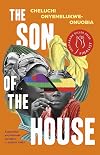
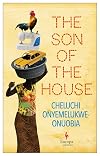
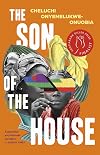
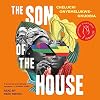
The Son of the House
by Cheluchi Onyemelukwe-Onuobia
On This Page
Description
The lives of two Nigerian women divided by class and social inequality intersect when they're kidnapped, held captive, and forced to await their fate together. In the Nigerian city of Enugu, young Nwabulu, a housemaid since the age of ten, dreams of becoming a typist as she endures her employers' endless chores. She is tall and beautiful and in love with a rich man's son. Educated and privileged, Julie is a modern woman. Living on her own, she is happy to collect the gold jewelry lovestruck show more Eugene brings her, but has no intention of becoming his second wife. When a kidnapping forces Nwabulu and Julie into a dank room years later, the two women relate the stories of their lives as they await their fate. Pulsing with vitality and intense human drama, Cheluchi Onyemelukwe-Onuobia's debut is set against four decades of vibrant Nigeria, celebrating the resilience of women as they navigate and transform what remains a man's world. Contains mature themes. show lessTags
Recommendations























Member Reviews
This suspenseful and compassionate first novel by lawyer and scholar Cheluchi Onyemelukwe-Onuobia describes the intersecting destinies of two women separated by class and social standing in modern Nigeria.
In 2011, in the city of Enugu, Nwabulu and Julie find themselves being held for ransom by a group of violent thugs. To distract from the danger, and to pass the time while waiting for the ransom to be paid, they narrate their life stories. These narratives form the bulk of Onyemelukwe-Onuobia’s novel. Both are tales of profound struggle that begin in the early 1970s.
Nwabulu grows up poor in a rural village called Nwikenta. From the outset, her life is one of misfortune and drudgery. Her mother dies giving birth to her, her father show more remarries. By the time she is ten her father has also died and Nwabulu is left in the care of a short-tempered, superstitious stepmother who sends her to Lagos to work as a housemaid. In Lagos she labours to the point of exhaustion and is sexually molested. She returns home but is not welcome and is quickly sent away again, this time to Enugu. In Enugu the work is also hard, but she attends school and makes friends in the community. However, now in her teens, she makes a fateful mistake: seduced by an older boy, the son of wealthy neighbours, she becomes pregnant and is compelled to return home to Nwikenta in disgrace. Facing diminished prospects, Nwabulu is forced into a marriage of necessity and gives birth to a son, Ezinwa, who against her expectations steals her heart. But happiness and security elude her once again. The baby is taken away and, driven by desperation, she flees an untenable situation and throws herself upon the mercy of strangers.
Julie’s story is very different, but also involves a series of agonizing choices. Her family is modern and privileged; her father is a civil servant, a Catholic convert who renounced tribalism. Julie is educated. By the early 1970s she is living an independent, self-sufficient life, but is emotionally unfulfilled. As she enters her thirties, her dalliance with a successful married businessman, Eugene, assumes great significance in her life as it dawns on her that what she desires most is a family of her own. Her desperation mounting, she resorts to a risky and brazenly deceitful gambit to assure that Eugene leaves his first wife and their two children and marries her. The marriage is rocky, but it lasts. Many years pass. Eugene’s business ventures have thrived and their son, Afam, has taken full advantage of the good fortune and opportunities that have come his way.
In 2011 the event that brings Julie and Nwabulu together is Afam’s approaching wedding. Nwabulu, through perseverance and inner strength, has become a successful tailor and dressmaker. Julie engages her to produce attire for the ceremony, and over the course of numerous consultations a warmly intimate rapport evolves. When they are taken hostage and tell their stories, a shocking revelation links them even more closely together, but also threatens to tear them apart.
The story that Cheluchi Onyemelukwe-Onuobia tells in The Son of the House is neither easy nor simple. As a novelist, she makes no concessions to the squeamishness of North American readers. The Nigeria we encounter in these pages is vividly depicted, but it is unromanticized and often cruel. This is a place where corruption is endemic, people suffer unjustly and die needlessly, children are raped, and women are plucked off the street and held for ransom. Nwabulu’s account of growing up unwanted in a culture that values male over female children is nothing short of harrowing. As women, she and Julie live with the effects of gender inequality on an unremitting basis: every moment of the day they are subject to the whims of the men in their life, compelled to endure all variety of appalling behaviour and brutality, because for a woman it is better to be married to someone who beats you than to not be married at all.
But The Son of the House is also an inspiring story of two indomitable women who find ways to rise above the limitations imposed by a repressive society. We cheer Julie and Nwabulu on, through their pain, torment and hardship. The risk they take is a spirited refusal to remain silent and invisible in a world dominated by men. The reward they reap for battling a system stacked against them is the privilege of being able to do what they want and see their children succeed. And that is certainly worth celebrating. show less
In 2011, in the city of Enugu, Nwabulu and Julie find themselves being held for ransom by a group of violent thugs. To distract from the danger, and to pass the time while waiting for the ransom to be paid, they narrate their life stories. These narratives form the bulk of Onyemelukwe-Onuobia’s novel. Both are tales of profound struggle that begin in the early 1970s.
Nwabulu grows up poor in a rural village called Nwikenta. From the outset, her life is one of misfortune and drudgery. Her mother dies giving birth to her, her father show more remarries. By the time she is ten her father has also died and Nwabulu is left in the care of a short-tempered, superstitious stepmother who sends her to Lagos to work as a housemaid. In Lagos she labours to the point of exhaustion and is sexually molested. She returns home but is not welcome and is quickly sent away again, this time to Enugu. In Enugu the work is also hard, but she attends school and makes friends in the community. However, now in her teens, she makes a fateful mistake: seduced by an older boy, the son of wealthy neighbours, she becomes pregnant and is compelled to return home to Nwikenta in disgrace. Facing diminished prospects, Nwabulu is forced into a marriage of necessity and gives birth to a son, Ezinwa, who against her expectations steals her heart. But happiness and security elude her once again. The baby is taken away and, driven by desperation, she flees an untenable situation and throws herself upon the mercy of strangers.
Julie’s story is very different, but also involves a series of agonizing choices. Her family is modern and privileged; her father is a civil servant, a Catholic convert who renounced tribalism. Julie is educated. By the early 1970s she is living an independent, self-sufficient life, but is emotionally unfulfilled. As she enters her thirties, her dalliance with a successful married businessman, Eugene, assumes great significance in her life as it dawns on her that what she desires most is a family of her own. Her desperation mounting, she resorts to a risky and brazenly deceitful gambit to assure that Eugene leaves his first wife and their two children and marries her. The marriage is rocky, but it lasts. Many years pass. Eugene’s business ventures have thrived and their son, Afam, has taken full advantage of the good fortune and opportunities that have come his way.
In 2011 the event that brings Julie and Nwabulu together is Afam’s approaching wedding. Nwabulu, through perseverance and inner strength, has become a successful tailor and dressmaker. Julie engages her to produce attire for the ceremony, and over the course of numerous consultations a warmly intimate rapport evolves. When they are taken hostage and tell their stories, a shocking revelation links them even more closely together, but also threatens to tear them apart.
The story that Cheluchi Onyemelukwe-Onuobia tells in The Son of the House is neither easy nor simple. As a novelist, she makes no concessions to the squeamishness of North American readers. The Nigeria we encounter in these pages is vividly depicted, but it is unromanticized and often cruel. This is a place where corruption is endemic, people suffer unjustly and die needlessly, children are raped, and women are plucked off the street and held for ransom. Nwabulu’s account of growing up unwanted in a culture that values male over female children is nothing short of harrowing. As women, she and Julie live with the effects of gender inequality on an unremitting basis: every moment of the day they are subject to the whims of the men in their life, compelled to endure all variety of appalling behaviour and brutality, because for a woman it is better to be married to someone who beats you than to not be married at all.
But The Son of the House is also an inspiring story of two indomitable women who find ways to rise above the limitations imposed by a repressive society. We cheer Julie and Nwabulu on, through their pain, torment and hardship. The risk they take is a spirited refusal to remain silent and invisible in a world dominated by men. The reward they reap for battling a system stacked against them is the privilege of being able to do what they want and see their children succeed. And that is certainly worth celebrating. show less
I learned of this book because it was on the 2021 Giller Prize shortlist. It didn't win; What Strange Paradise by Omar El Akkad earned that title but to even place on the list which also included Fight Night by Miriam Toews and The Listeners by Jordan Tannahill is quite an accomplishment for a debut novel. Mind you, from reading the authors short biography, it seems like she achieves whatever she puts her mind to.
The book opens with two women who have been kidnapped in Nigeria and held for ransom. To pass the time they tell each other their life stories. Nwabulu was orphaned at a young age and her stepmother sent her out to be a housemaid. She was sexually abused by the man in the first house she went to and then sent back to her show more stepmother in disgrace. Her stepmother soon sent her out again to the home of a relatively well-to-do family in Enugu. She performed well there and managed to toilet train their young son, something no-one else had managed to do for 5 years. In Enugu she attended school and formed a close friendship with the housemaid from a neighbouring house. Through her she met the son of the house who was smitten by Nwabulu's beauty. Soon they were meeting secretly and the inevitable happened as Nwabulu became pregnant. The father refused to do anything for her and when she started to show she was sent back to her stepmother. After the birth her son was taken from her and she ran away again. The other woman, Julie, had been a teacher and that is how she met her married lover, Eugene. Her mother kept after her to get married and have children saying "Children are the joy of a woman's life. Not men. Not marriage. Not money. Children." Julie finally decides to conceive with Eugene and get him to take her as his second wife. After three months of unprotected sex she is still not pregnant but she tells Eugene she is and they get married. Claiming to have miscarried Julie tries to get pregnant but seems to be infertile. Then her best friend has an idea. An older relative had turned up at their house with an infant boy and then died. Julie could take her study leave in England, taking the child with her, and then tell Eugene that she was pregnant. When she finally returns to Nigeria she has an infant son and Eugene is satisfied to finally have a son.
It's not a great leap for the reader to figure out that Nwabulu's child and Julie's son are one and the same but how they came to be kidnapped together and slowly discover this themselves is the fascination of the story. I hope Ms. Onyemelukwe-Onuobia can follow this up with some more books that can explore the cultures of Nigeria as that was the best thing about this great book. show less
The book opens with two women who have been kidnapped in Nigeria and held for ransom. To pass the time they tell each other their life stories. Nwabulu was orphaned at a young age and her stepmother sent her out to be a housemaid. She was sexually abused by the man in the first house she went to and then sent back to her show more stepmother in disgrace. Her stepmother soon sent her out again to the home of a relatively well-to-do family in Enugu. She performed well there and managed to toilet train their young son, something no-one else had managed to do for 5 years. In Enugu she attended school and formed a close friendship with the housemaid from a neighbouring house. Through her she met the son of the house who was smitten by Nwabulu's beauty. Soon they were meeting secretly and the inevitable happened as Nwabulu became pregnant. The father refused to do anything for her and when she started to show she was sent back to her stepmother. After the birth her son was taken from her and she ran away again. The other woman, Julie, had been a teacher and that is how she met her married lover, Eugene. Her mother kept after her to get married and have children saying "Children are the joy of a woman's life. Not men. Not marriage. Not money. Children." Julie finally decides to conceive with Eugene and get him to take her as his second wife. After three months of unprotected sex she is still not pregnant but she tells Eugene she is and they get married. Claiming to have miscarried Julie tries to get pregnant but seems to be infertile. Then her best friend has an idea. An older relative had turned up at their house with an infant boy and then died. Julie could take her study leave in England, taking the child with her, and then tell Eugene that she was pregnant. When she finally returns to Nigeria she has an infant son and Eugene is satisfied to finally have a son.
It's not a great leap for the reader to figure out that Nwabulu's child and Julie's son are one and the same but how they came to be kidnapped together and slowly discover this themselves is the fascination of the story. I hope Ms. Onyemelukwe-Onuobia can follow this up with some more books that can explore the cultures of Nigeria as that was the best thing about this great book. show less
Rating: 3.5
I enjoyed this novel about two kidnapped Nigerian women of different generations who have time to tell their stories to each other as they wait for their families to cough up the ransom money that will free them. There is lots of good old-fashioned coincidence here, but the strength of the novel lies in the rich details provided about Nigerian culture and women’s experience of it. A worthy book to appear on Canada’s Giller Prize shortlist..
I enjoyed this novel about two kidnapped Nigerian women of different generations who have time to tell their stories to each other as they wait for their families to cough up the ransom money that will free them. There is lots of good old-fashioned coincidence here, but the strength of the novel lies in the rich details provided about Nigerian culture and women’s experience of it. A worthy book to appear on Canada’s Giller Prize shortlist..
This begins with a kidnapping in the city of Enugu, Nigeria. The victims are two women, Julie and Nwabulu who have recently become friends. Julie is a widowed wealthy woman in her 70s who sought out Nwabulu to design and create clothes for her son’s upcoming wedding. Nwabulu is a very successful tailor in her forties with a loving husband and two adult children. As they endure their confinement while awaiting the ransom payment from their families, they tell each other their life stories.
Their stories make for compelling reading as they are intelligent, hard working, determined and achieve their dreams. They work in a system that is very traditional with a patriarchy that favours men and male children over women and girls. Nwabulu show more who excels at school and wants to be a typist, is sent away to become a housemaid for a wealthy family. When she falls for the oldest son of the family who sexually abuses her, her pregnancy banishes her from the family. Her son is taken from her and she is destitute.
Julie’s life is more leisurely as she is raised by a teacher father and becomes a successful teacher and principal. She also becomes the mistress of a wealthy entrepreneur, Eugene. In this polygamous society, he marries Julie and they have a comfortable life together.
There are many interesting well developed characters in this book. It is very well told and insights into a complicated, emerging Nigerian economy and society are fascinating. show less
Their stories make for compelling reading as they are intelligent, hard working, determined and achieve their dreams. They work in a system that is very traditional with a patriarchy that favours men and male children over women and girls. Nwabulu show more who excels at school and wants to be a typist, is sent away to become a housemaid for a wealthy family. When she falls for the oldest son of the family who sexually abuses her, her pregnancy banishes her from the family. Her son is taken from her and she is destitute.
Julie’s life is more leisurely as she is raised by a teacher father and becomes a successful teacher and principal. She also becomes the mistress of a wealthy entrepreneur, Eugene. In this polygamous society, he marries Julie and they have a comfortable life together.
There are many interesting well developed characters in this book. It is very well told and insights into a complicated, emerging Nigerian economy and society are fascinating. show less
This book written by Cheluchi Onywmelukwe-Omuobia was a short-listed book for the 2021 Giller Prize awards. I enjoyed this book so much! This is a book about two Nigerian women who each move in totally different social circles, and who are thrown together by a kidnap for ransom attempt. The book is set in Nigieria. While in captivity for a week, the women pass the time telling their life stories to each other. Both have secrets that they've kept for years, and when the secrets are revealed, they both realize that fate has finally brought them together. Old issues are tentatively resolved, and each woman develops an understanding and a compassion for the other. In the end they both realize that they have found a lifelong friend in the show more other. This book is about family (both good and bad), marriage and the commitment that it entails, about children and raising them in an increasingly more confusing world It is also about friendship and love, hate as well as fear, and about the strength of the human spirit. The book, although not long, covers four decades of life in Nigeria. Ms. Onywmelukwe-Omuobia's debut novel is a masterpiece, and as it is a first novel, it is also amazing how well the story melds. It's a very solid effort, and, in only a limited number of words, it epitomizes great storytelling. I highly recommend this book to anyone who enjoys fine, carefully crafted literature, I could not put it down. show less
The title is about a man - The Son of the House. The book by Cheluchi Onyemelukwe-Onuobia itself is of girls and then women over the course of four decades living and surviving, and, at times, thriving, in a patriarchy. The story of their grief and of their resilience time and again is a compelling one. Through it all, the book is also a window onto Nigerian culture and traditions. I look forward to reading more from the author.
Read my complete review at http://www.memoriesfrombooks.com/2022/07/the-son-of-house.html
Reviewed for NetGalley.
Read my complete review at http://www.memoriesfrombooks.com/2022/07/the-son-of-house.html
Reviewed for NetGalley.
I enjoyed the story but the structure disappointed me terribly and was definitely not award-winning imo.
Members
- Recently Added By
Lists

2022 Christmas Gifts
60 works; 13 members

History: Africa & Latin America
38 works; 1 member
Author Information

1+ Work 102 Members
Some Editions
Awards and Honors
Awards
Distinctions
Classifications
Statistics
- Members
- 103
- Popularity
- 314,058
- Reviews
- 7
- Rating
- (3.78)
- Languages
- English
- Media
- Paper, Audiobook, Ebook
- ISBNs
- 10
- ASINs
- 3